Almost half of Americans say inflation will spoil their winter travel plans, a warning that consumers are entering the holiday season with less room to absorb higher fuel, airfare and hotel bills.
Americans Expect Inflation to Hit Winter Travel
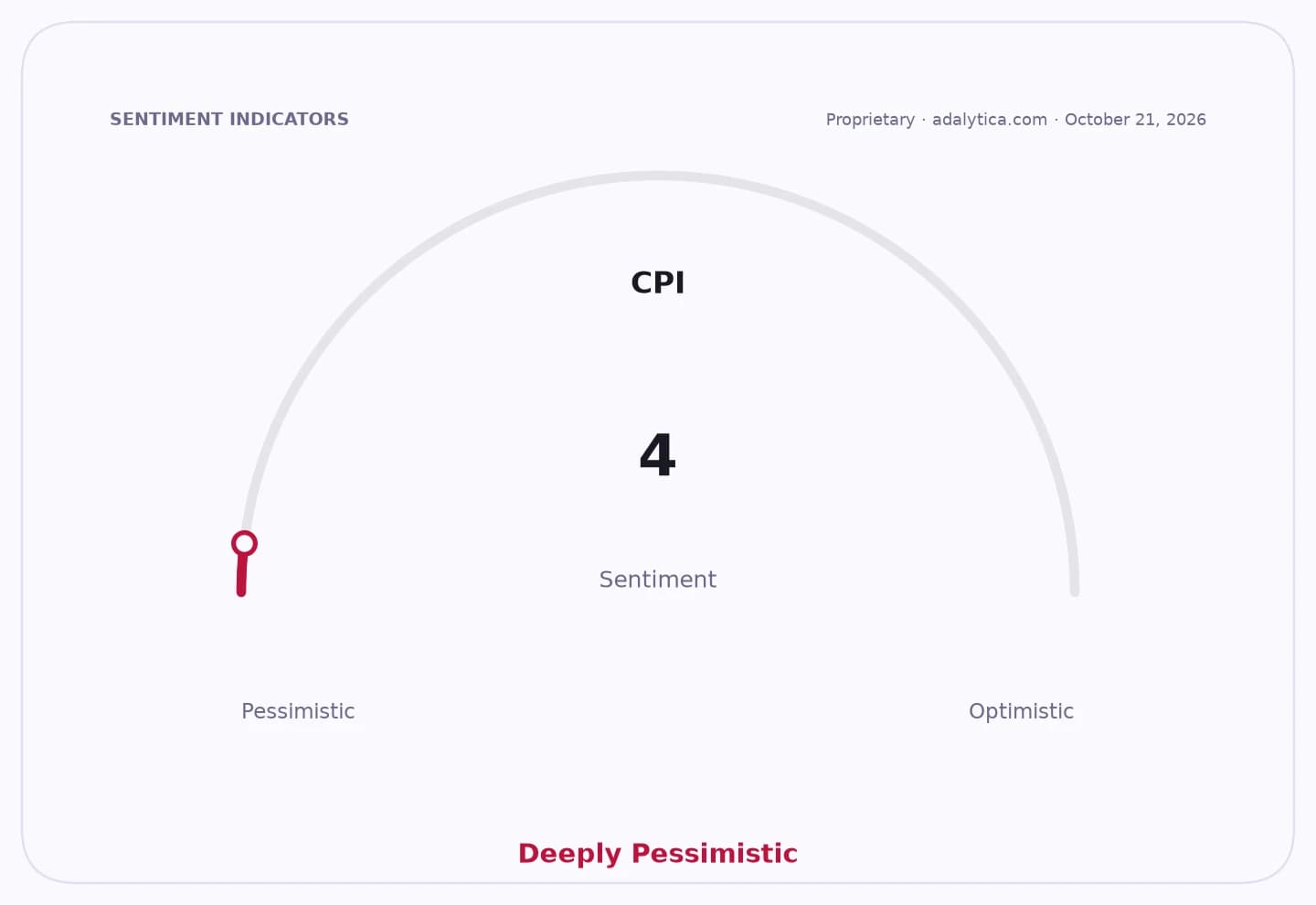
That matters because travel is one of the most visible ways inflation hits households: when gasoline jumps, flights usually follow, hotel rates get repriced and discretionary spending gets squeezed all at once. A WalletHub survey found 49% of Americans expect inflation to ruin winter travel plans, while more than a quarter said holiday travel is already financially stressful. Roughly 30% said they will be planning 2026 trips while still carrying debt from last winter, a reminder that the pressure is not just emotional — it is rolling through consumer balance sheets.
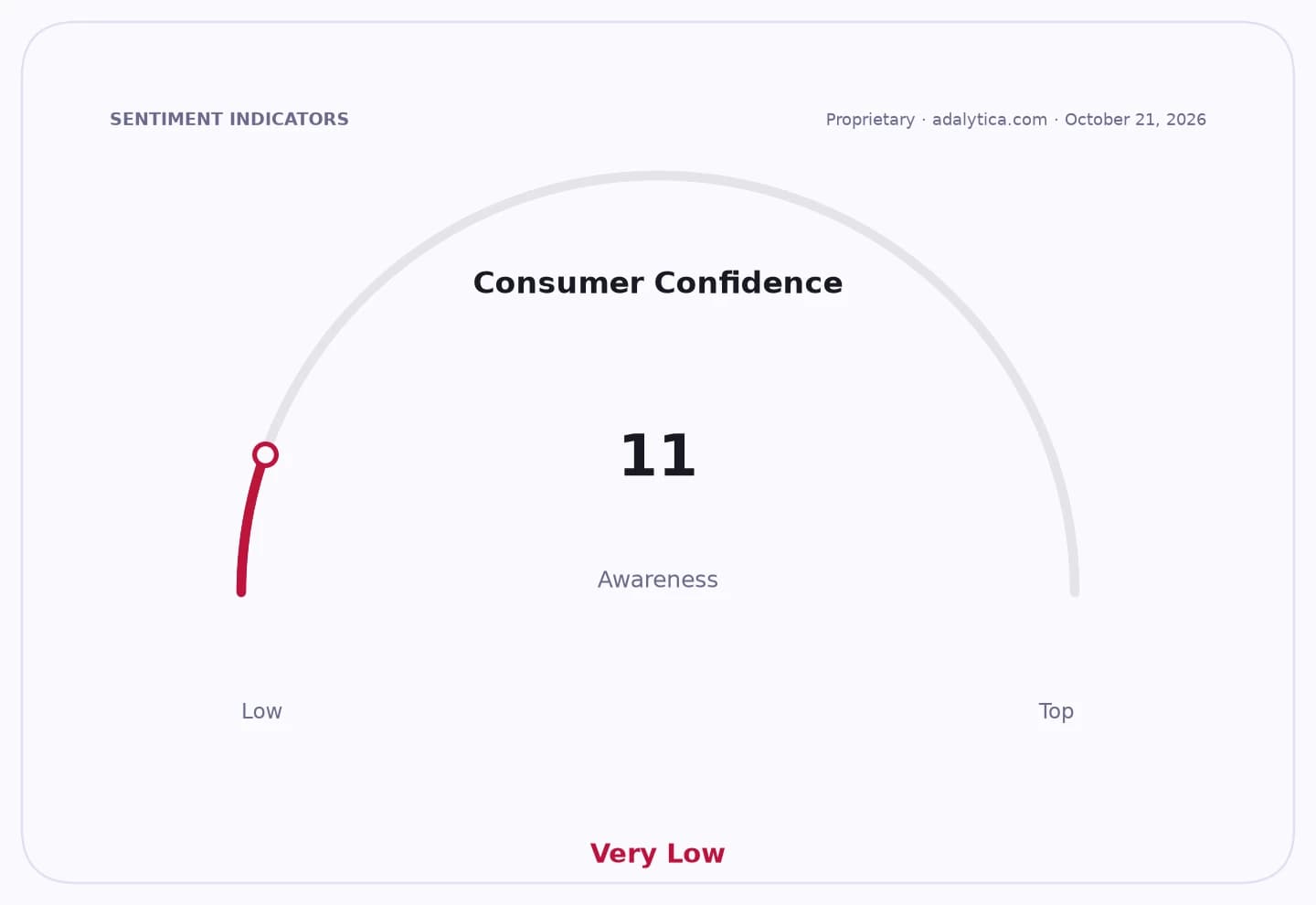
Sentiment IndicatorsⓘProprietary · adalytica.com · October 21, 2026
This is a snapshot — live sentiment, awareness and momentum for 130+ markets update continuously in the dashboard.Open AlphaPulse
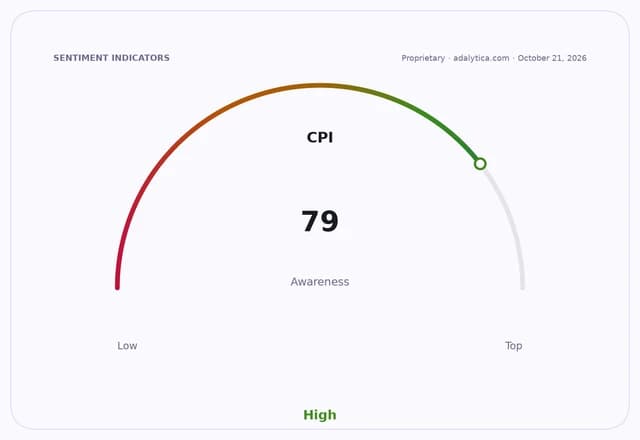
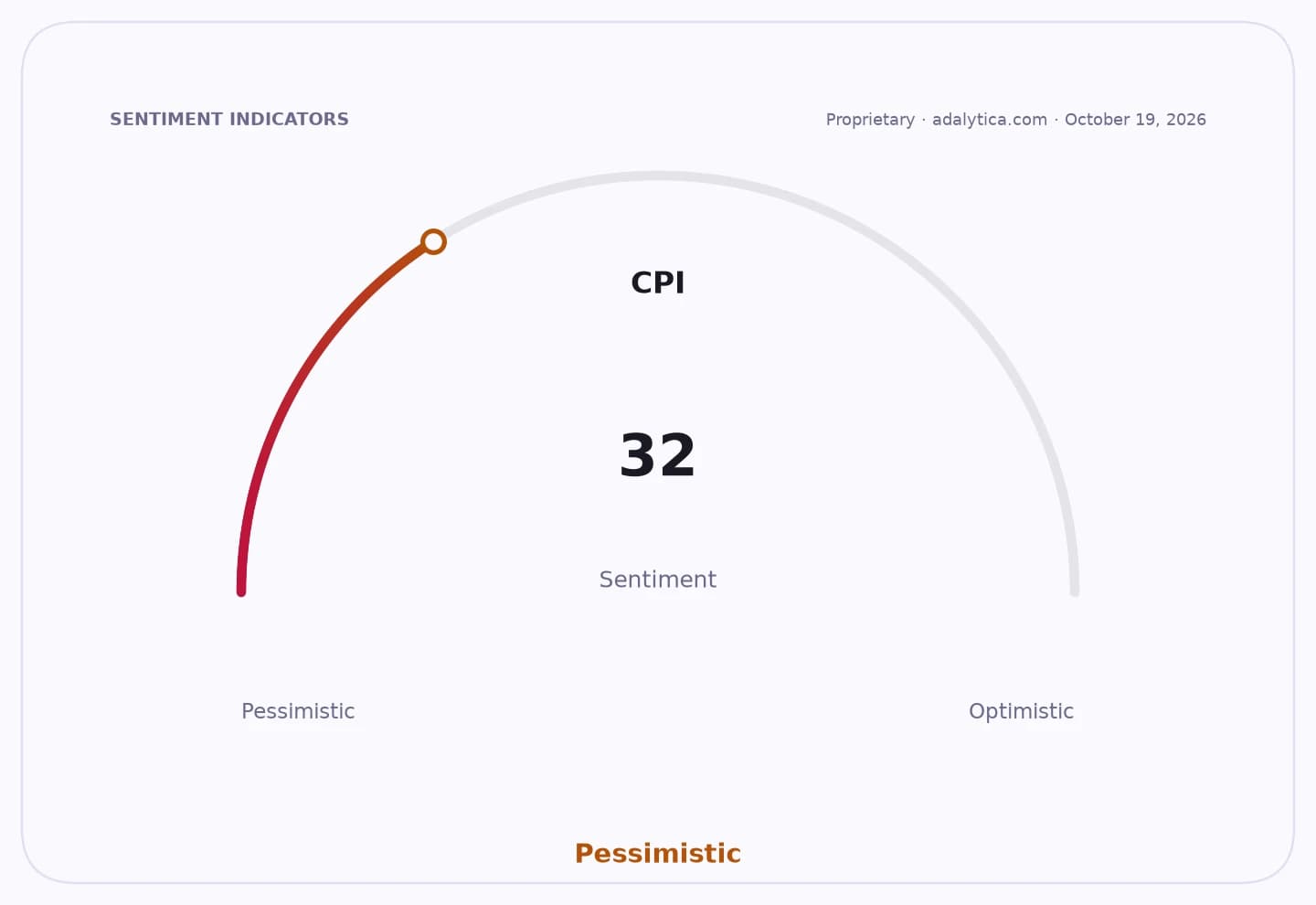
The timing is especially painful. U.S. consumer prices accelerated in September, with the consumer price index up 3.7% from a year earlier and 0.6% from August, the biggest monthly gain in five months. Gas prices rose 9.1% in the month, air fares increased 1.2%, and hotel prices climbed 2%. For travelers, that is a direct hit to the parts of the budget most likely to be paid with savings, credit cards or loyalty points.
The economic signal is that inflation is once again changing behavior before it meaningfully changes policy. Forty-five percent of respondents said they expect to spend about the same on travel this year, but a full 33% said they will spend more anyway, suggesting consumers are stretching to preserve plans. About 34% said they may apply for a new credit card to cover expenses, and 57% said they will lean on rewards. That supports demand in the near term, but it also tells investors that consumer resilience may be increasingly debt-fueled rather than purely income-driven.
CPIAUCSL vs CPILFESL — macro contextadalytica.com
Explore this data interactively — full history, time series and cross-market comparisons.Open AlphaPulse
For travel and leisure stocks, that is a mixed setup. Booking platforms and airlines can still benefit if travelers refuse to cancel trips, but they face a more price-sensitive customer who is booking later, trading down, or hunting for deals. Expedia and Booking Holdings remain exposed to that tension, while Delta Air Lines and hotel operators like Marriott have to navigate a customer base that is still traveling but increasingly fee- and fare-conscious. The market also needs to watch fuel: higher gasoline prices filter into airline costs, road trips and consumer sentiment, and they can cool discretionary spending well beyond the travel sector.
The bigger narrative is that inflation is no longer just an abstract macro headline — it is becoming a holiday-season budgeting problem again. If fuel and airfare stay elevated into the winter, the companies best positioned will be those with pricing power, loyalty programs and strong balance sheets. The losers will be consumers with less savings and operators dependent on impulse travel demand. Investors should treat this as a reminder to favor the picks-and-shovels of travel demand, not the most economically fragile end user.
| Entity | Gains | Losses |
|---|---|---|
| Airlines | ▲Higher fares, loyal demand | ▼Cost pressure, weaker bookings |
| Online travel platforms | ▲Deal-seeking traffic | ▼Lower conversion, price sensitivity |
| Hotel chains | ▲Pricing power in peak periods | ▼Softer discretionary stays |
| Consumers | ▲Rewards, financed travel | ▼Budgets, savings, real spending power |