Albania’s inflation climbed to 3.4% in July, keeping price growth above the European Union average and reinforcing the pressure on household budgets just as the summer tourism season lifts costs in transport, restaurants and accommodation.
Albania inflation rises to 3.4% in July
The bigger economic story is that inflation is no longer being driven only by sticky food prices. It is broadening into the services most exposed to seasonal demand, a mix that matters because it can prove harder to reverse once peak tourist traffic feeds through the economy. INSTAT said food and non-alcoholic beverages added the most to the index, contributing 1.09 percentage points, with prices in that category up 3.2% from a year earlier. Transport was 4.6% more expensive, while restaurants and accommodation rose 3.6%.
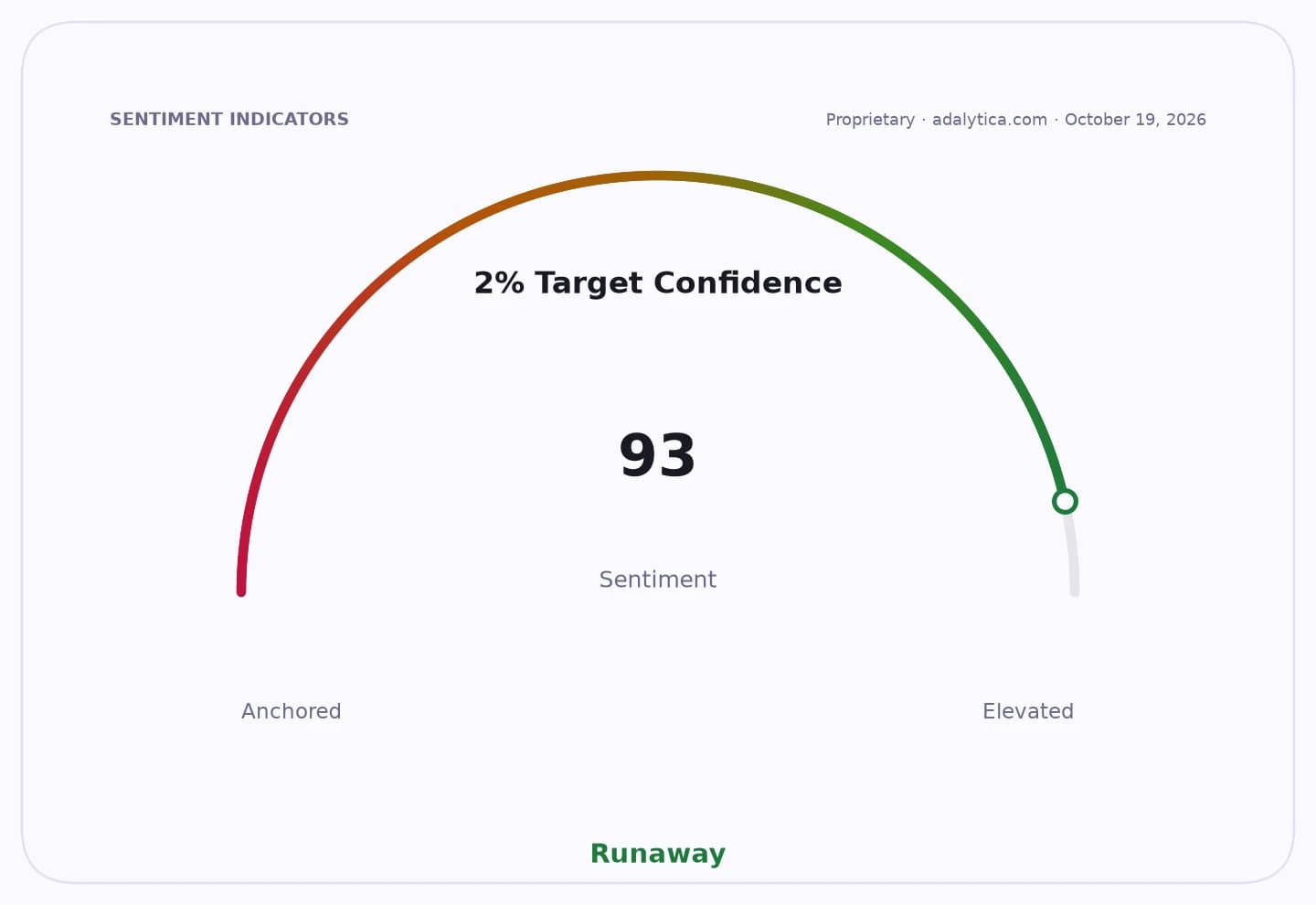
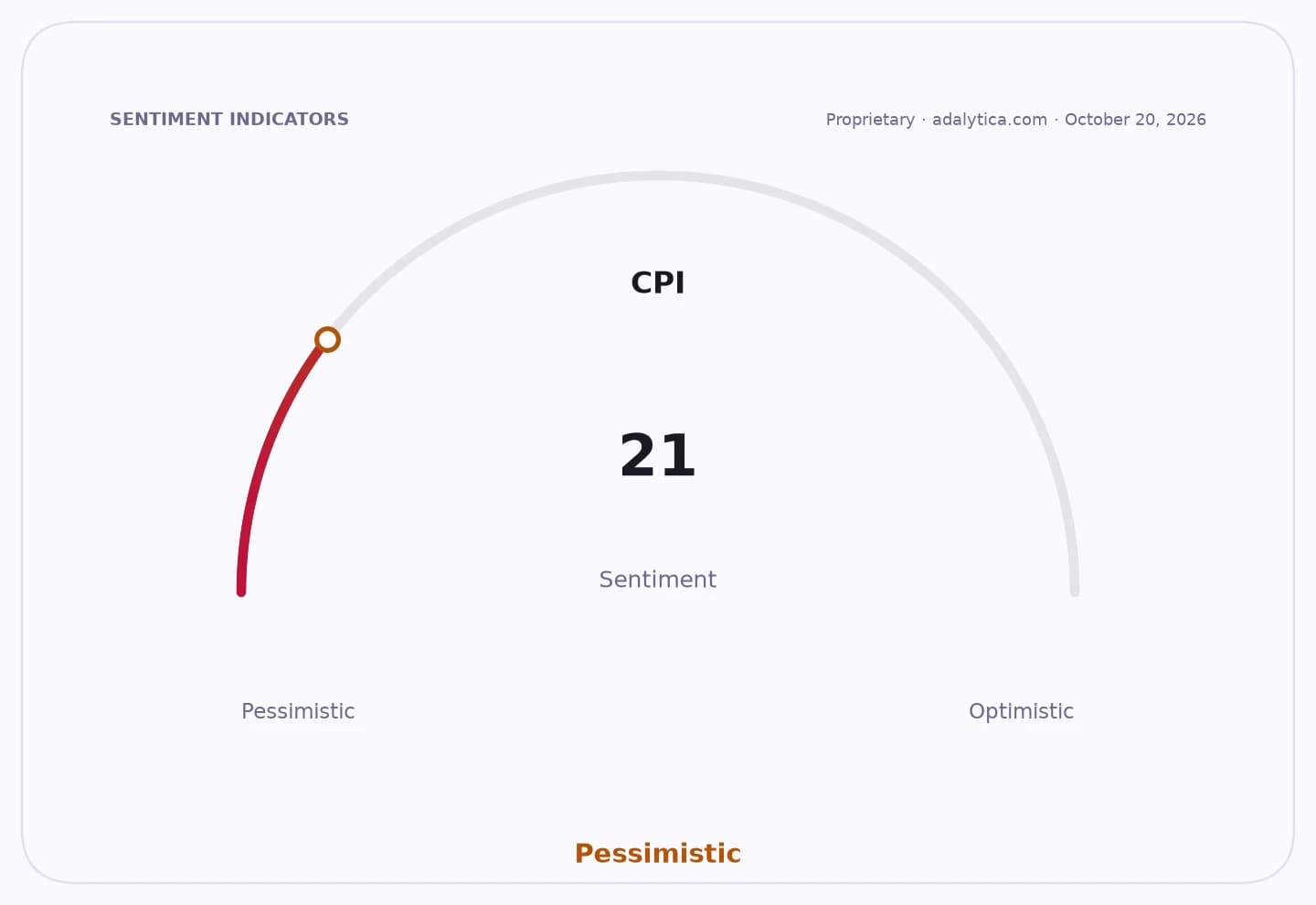
Sentiment IndicatorsⓘProprietary · adalytica.com · October 21, 2026
This is a snapshot — live sentiment, awareness and momentum for 130+ markets update continuously in the dashboard.Open AlphaPulse
That matters for investors because inflation rooted in food and tourism is a direct tax on consumers, but also a signal that Albania’s demand cycle is being pulled by the summer visitor economy. The tourism-linked service categories carry more weight in the Harmonised Index of Consumer Prices than in the national index because they include spending by foreign visitors. Restaurants and accommodation make up about 14.5% of the harmonised basket, compared with just 5.7% in the domestic measure, so the seasonal surge can have an outsized effect on the headline.
The monthly reading was softer, with prices down 0.1% from June, suggesting the July spike is still being shaped by seasonality rather than a full-scale inflation breakout. But that does not reduce the investment implication: persistent food inflation and tourist-driven service pricing keep the central bank from declaring victory too early, and they leave policymakers balancing growth against price stability as the summer economy peaks.
For markets, the message is straightforward. Inflation that is being supported by tourism is good for airlines, hotels, restaurants and travel platforms, but it squeezes local consumers and keeps pressure on rate-sensitive sectors. The opportunity is in the businesses that capture foreign spending and pricing power, while the risk sits with domestic households and any policy that has to lean against a still-firm inflation backdrop. The next test will be whether the seasonal surge fades quickly in late summer or spills into broader services inflation going into autumn.
| Entity | Gains | Losses |
|---|---|---|
| Hotels & restaurants | ▲Higher tourist spending | ▼Price-sensitive local demand |
| Transport operators | ▲Seasonal fare increases | ▼Consumers facing higher costs |
| Albanian households | ▲— | ▼Higher food and service bills |
| Central bank/policymakers | ▲— | ▼Less room to ease policy |