Montenegro’s inflation problem just got harder to ignore: consumer prices rose 5.2% in September, the highest in two and a half years, as fuel costs surged and spilled into transport, housing maintenance and services.
Montenegro inflation rises 5.2% in September
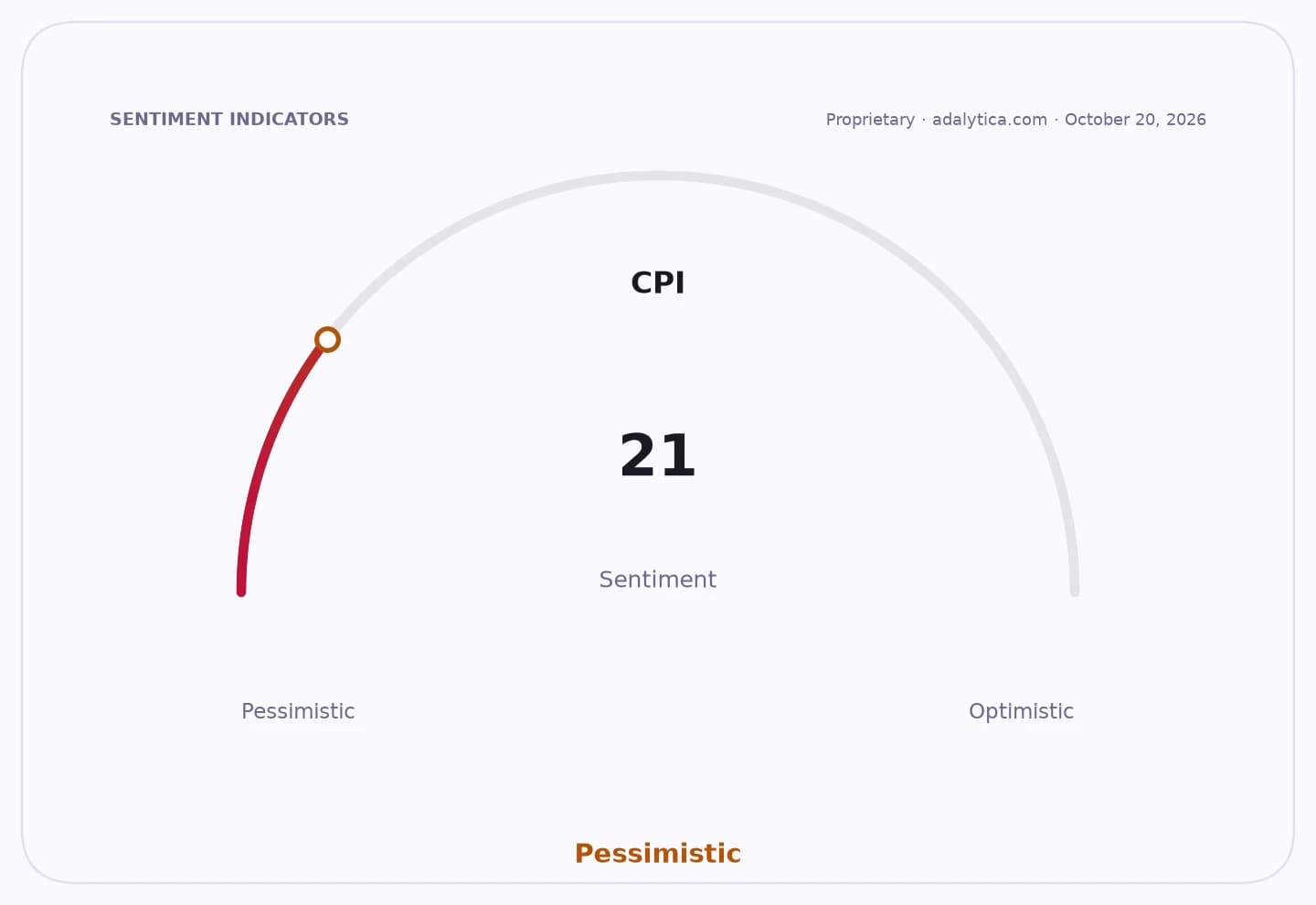
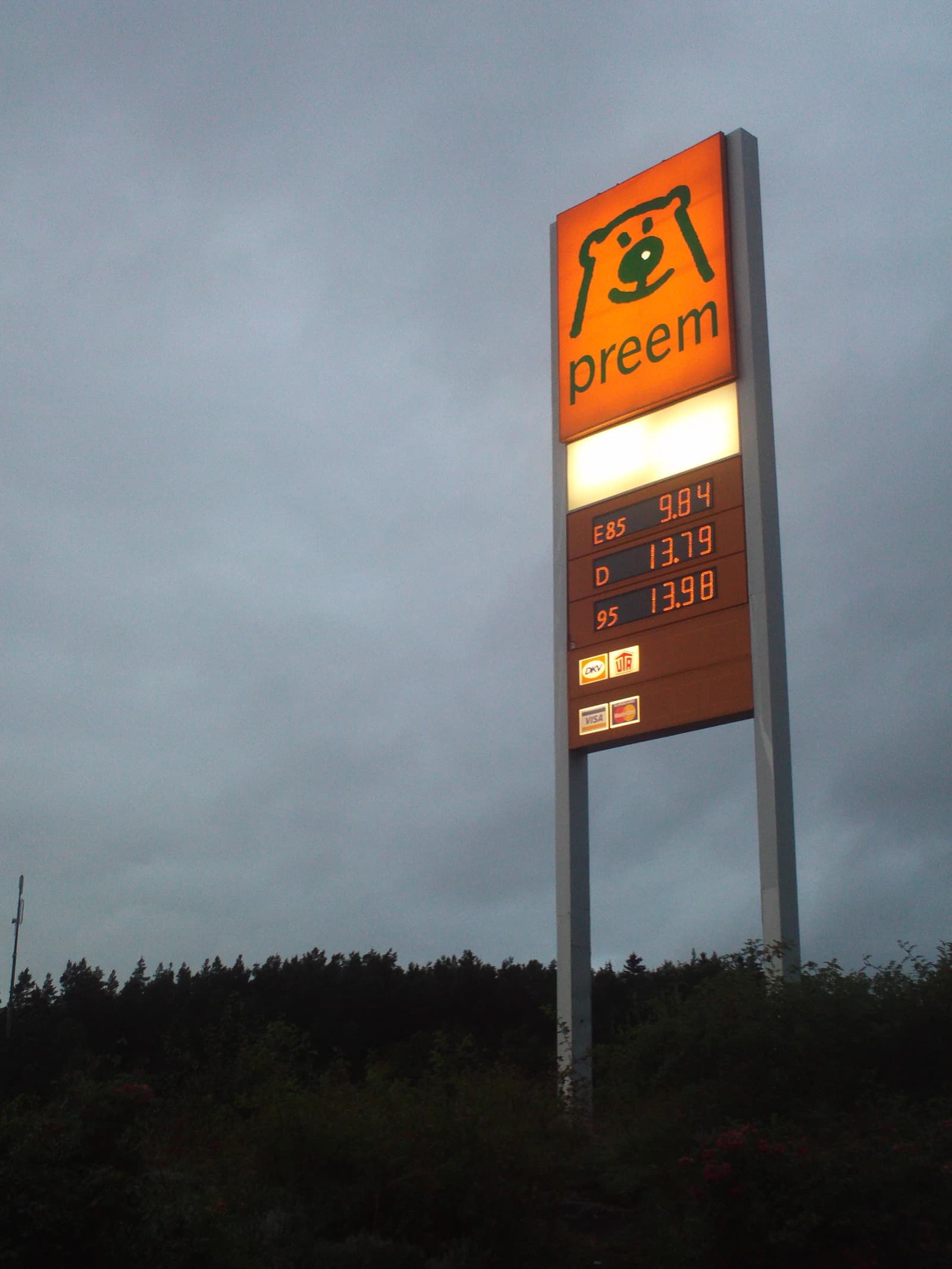
For investors, the key message is that this is not a one-off print. It is a classic cost-push inflation story, with energy doing much of the damage. Fuel prices were 32.3% higher than a year earlier, transport rose 18.5%, and major repairs and maintenance on homes climbed 12.9%. Restaurants and cafes were up 6.9%, showing that the pressure is moving beyond the pump and into everyday spending.
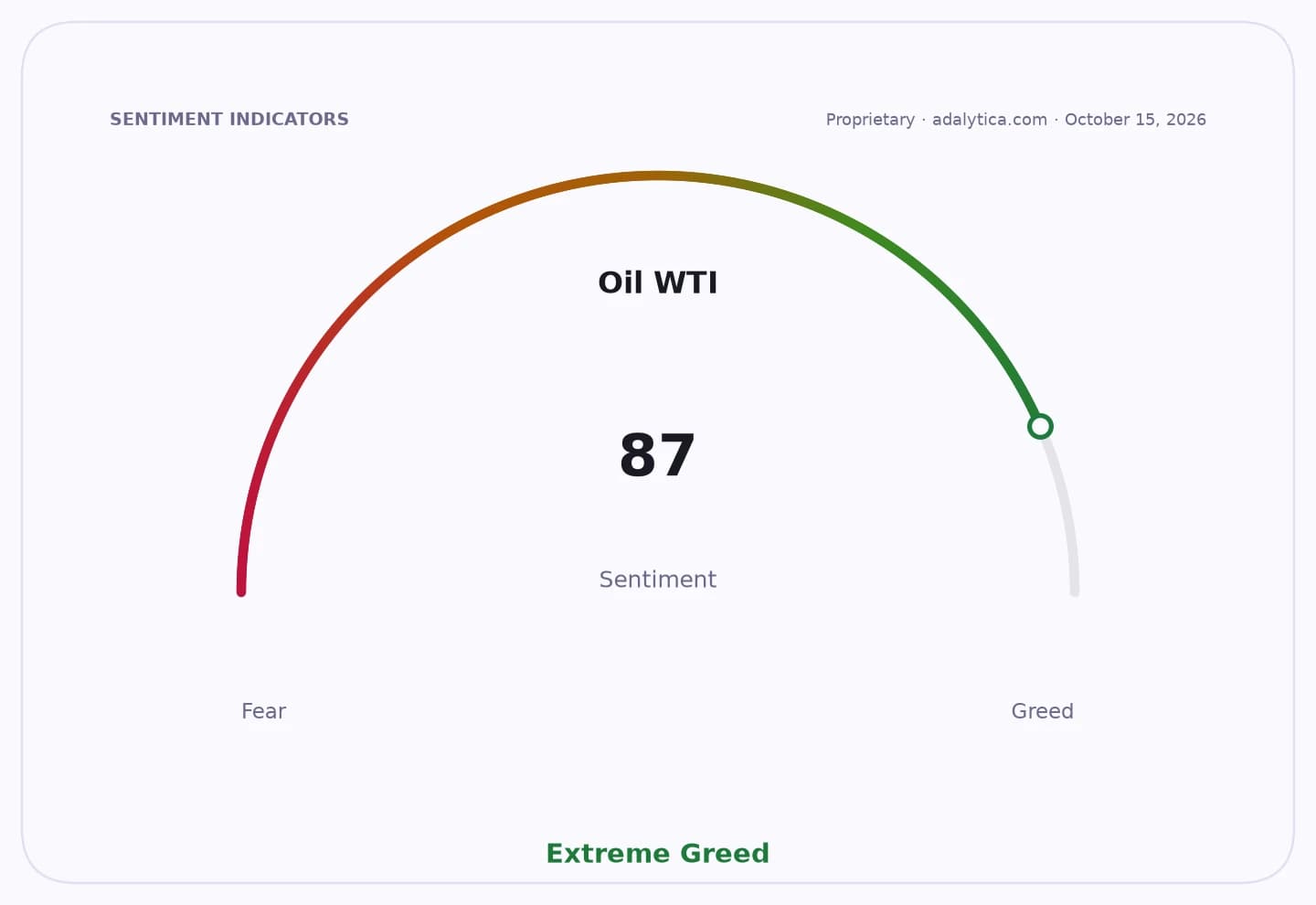
Sentiment IndicatorsⓘProprietary · adalytica.com · October 20, 2026
This is a snapshot — live sentiment, awareness and momentum for 130+ markets update continuously in the dashboard.Open AlphaPulse
That matters because fuel and transport alone accounted for 2.17 percentage points of the annual inflation rate, or roughly 40% of the total. Food prices also added to the squeeze, rising 2.6% overall, with vegetables, meat and grains all moving higher. In a country where food makes up 33.5% of the consumer basket used to calculate inflation, that is enough to erode purchasing power quickly and keep households feeling poorer even if wages are rising.
The inflation spike was driven partly by international energy markets and partly by a government decision to cut fuel excise duties only partially. That combination leaves policymakers with a familiar dilemma: ease the burden on consumers through tax relief, or protect fiscal revenue and risk keeping prices elevated. Either way, inflation is now a bigger macroeconomic issue for Montenegro than it was a few months ago.
For long-term investors, the practical takeaway is simple. Persistent inflation tends to punish consumer spending, complicate interest-rate decisions and widen the gap between businesses that can pass on higher costs and those that cannot. Companies tied to travel, dining and discretionary household spending may feel the pressure first, while energy-linked assets and pricing power businesses are better positioned to weather it.
The broader lesson is that Montenegro is not alone. The Balkans remain vulnerable to volatile oil prices, and the region’s inflation story is still being written by energy markets as much as by domestic policy. If fuel stays firm, this could keep inflation sticky into year-end and force a tougher policy response than investors may have expected. For now, it is a reminder to stay diversified, think in years rather than months, and watch which businesses can compound through higher costs instead of being crushed by them.
| Entity | Gains | Losses |
|---|---|---|
| Fuel sellers | ▲Higher pump prices | ▼Consumer backlash |
| Households | ▲None | ▼Lower purchasing power |
| Transport and travel firms | ▲Ability to reprice | ▼Higher operating costs |
| Consumer-facing businesses | ▲Inflation-linked pricing power | ▼Weaker discretionary demand |