Montenegro’s annual inflation accelerated to 5.2% in September, the highest level in two and a half years, as surging fuel costs and related transport prices kept broad price pressures elevated and complicated the outlook for household spending and policy.
Montenegro inflation rises to 5.2% in September
The reading, reported by the statistics office Monstat, was the strongest since April 2024, when inflation stood at 5.4%. Fuel was the main driver: motor fuel prices were 32.3% higher than a year earlier, while transport costs rose 18.5%, together accounting for 2.17 percentage points of the overall inflation rate — about 40% of the total.
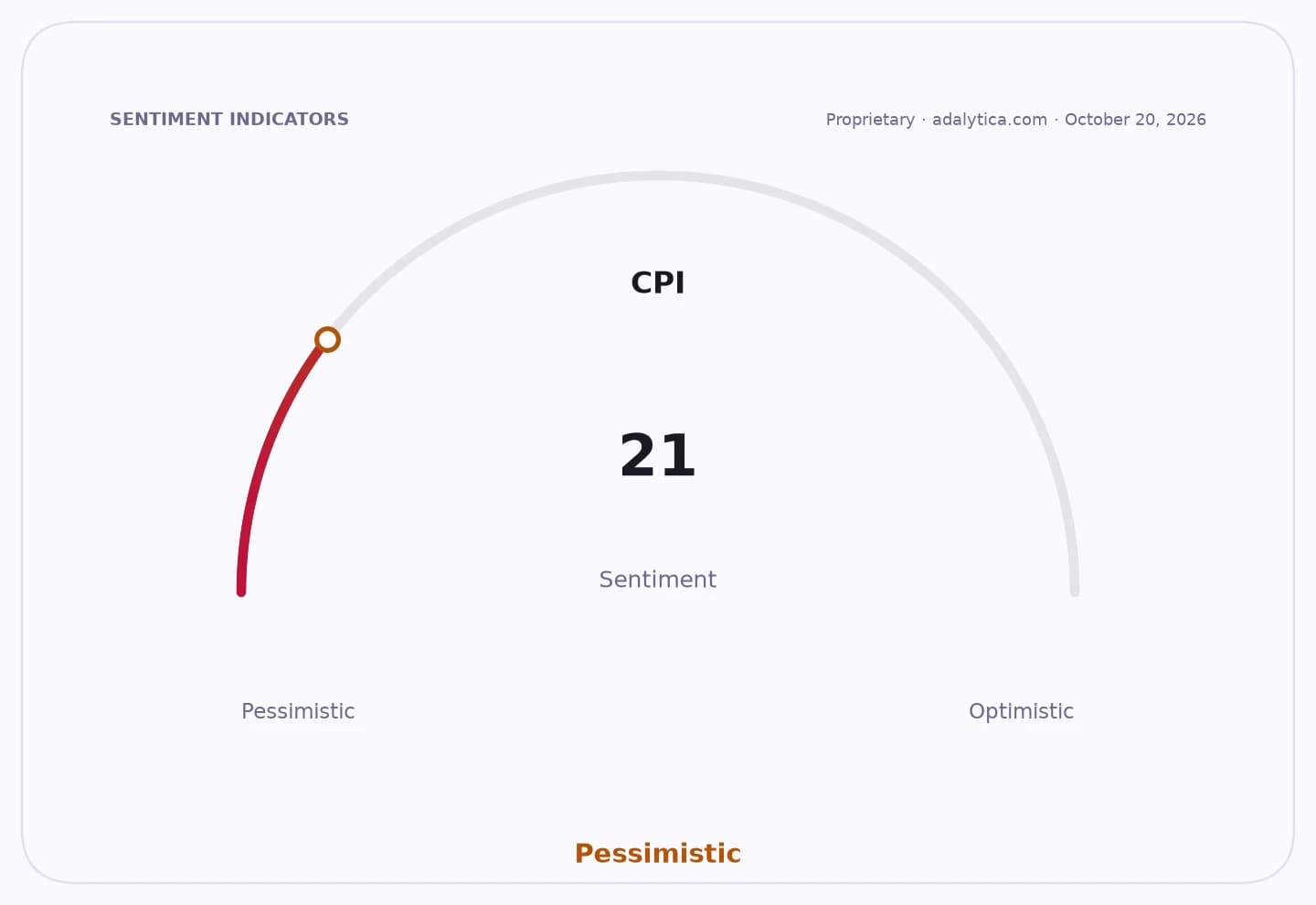
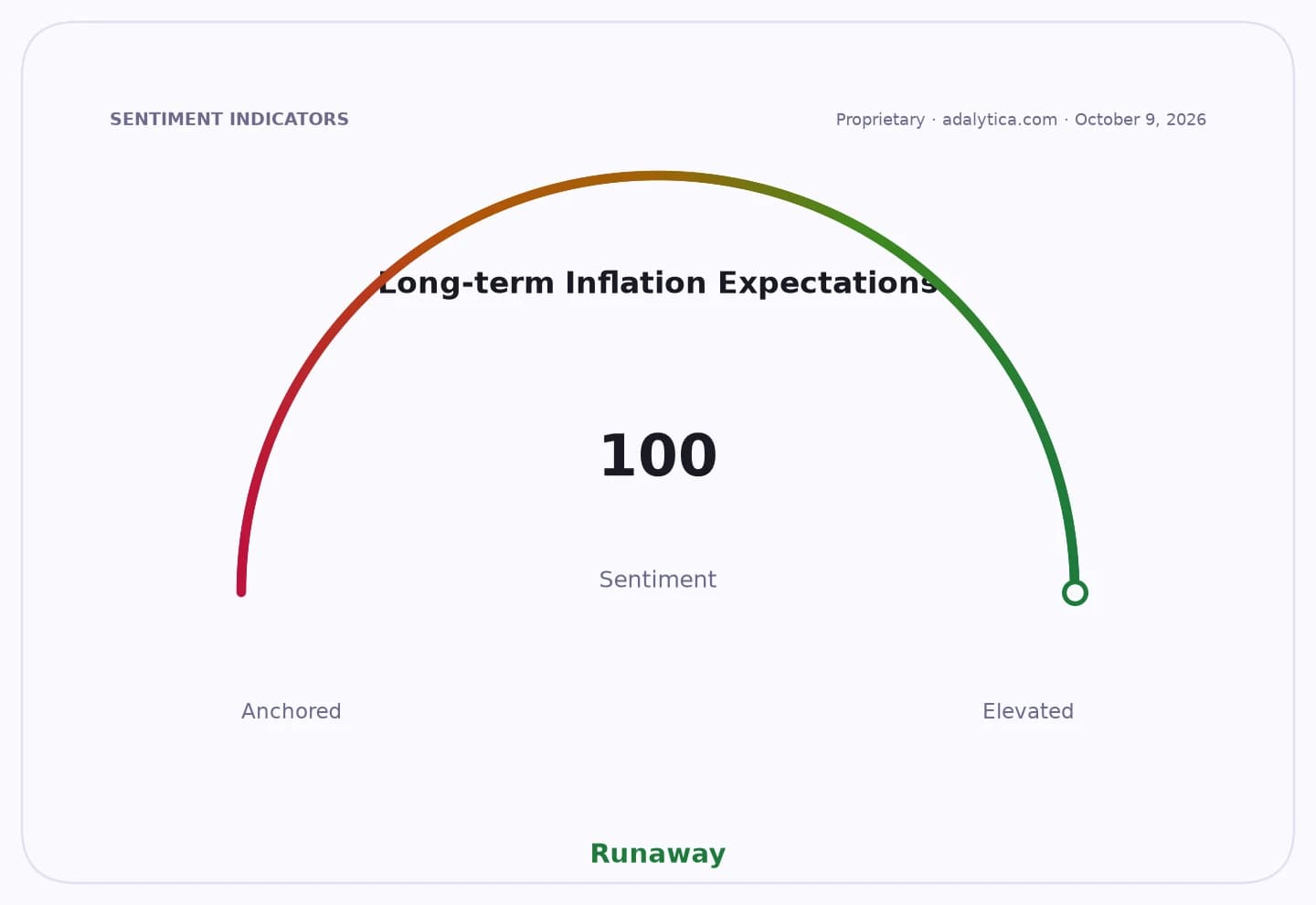
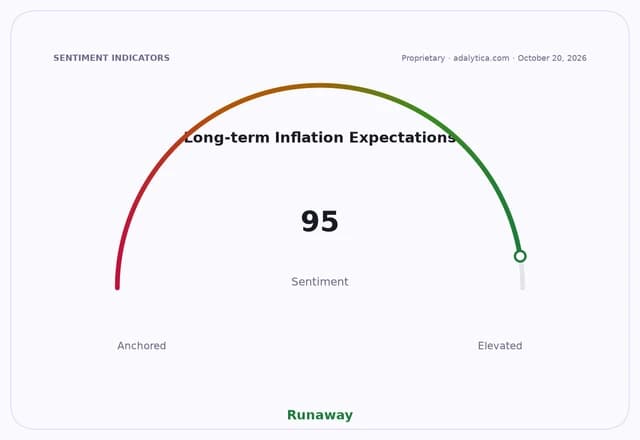
Sentiment IndicatorsⓘProprietary · adalytica.com · October 20, 2026
This is a snapshot — live sentiment, awareness and momentum for 130+ markets update continuously in the dashboard.Open AlphaPulse
That matters economically because energy is feeding through the entire consumer basket, not just at the pump. Monstat said fuel’s direct weight in the inflation basket is 5.66%, but its spillover effect on transport and other goods and services makes it far more influential than its share alone suggests. Prices in restaurants and cafes climbed 6.9%, hotel and private accommodation costs rose 6.2%, and information and communication services were up 5.7% over the past 12 months.
Food inflation remained more contained at 2.6%, but with food carrying a 33.5% weight in the average household basket, it still added 0.85 percentage points to the annual rate. Cigarettes were another notable contributor after two excise-tax increases this year pushed tobacco prices up 15%, lifting inflation by 0.43 percentage points.
The data underline how a relatively narrow set of categories is doing most of the damage. Higher fuel and transport costs, together with services inflation, are squeezing disposable income even as some items such as fruit, sugar and utility services fell over the year. For investors, that keeps pressure on consumer demand and raises the risk that inflation proves stickier than policymakers would like, particularly if fuel prices remain elevated or the government only partially offsets tax-driven cost increases.
That backdrop matters for monetary policy and local assets as well. Persistent inflation can limit room for easier financing conditions, while keeping households cautious on discretionary spending. The next key test will be whether October data show any relief from energy costs or whether September marks the start of another extended inflationary spell.
| Entity | Gains | Losses |
|---|---|---|
| Fuel sellers | ▲Higher pump prices | ▼Consumers and transport users |
| Government tax revenue | ▲Excise hikes support receipts | ▼Households facing higher tobacco costs |
| Service providers | ▲Restaurants, hotels, repair shops can raise prices | ▼Wage earners with weaker real income |
| Central bank and policymakers | ▲None | ▼Pressure to tolerate tighter policy longer |