Lithuania’s annual inflation accelerated to 6.7% in September, underscoring how energy, transport and housing costs are still feeding broad price pressure and keeping the country near the top of Europe’s inflation rankings.
Lithuania inflation rises to 6.7% in September
The pace matters because it keeps household purchasing power under strain and complicates the outlook for borrowing costs, wages and consumer spending. Persistent inflation also raises the chance that local policymakers face a slower route back to price stability even as broader euro zone disinflation has cooled in some economies.
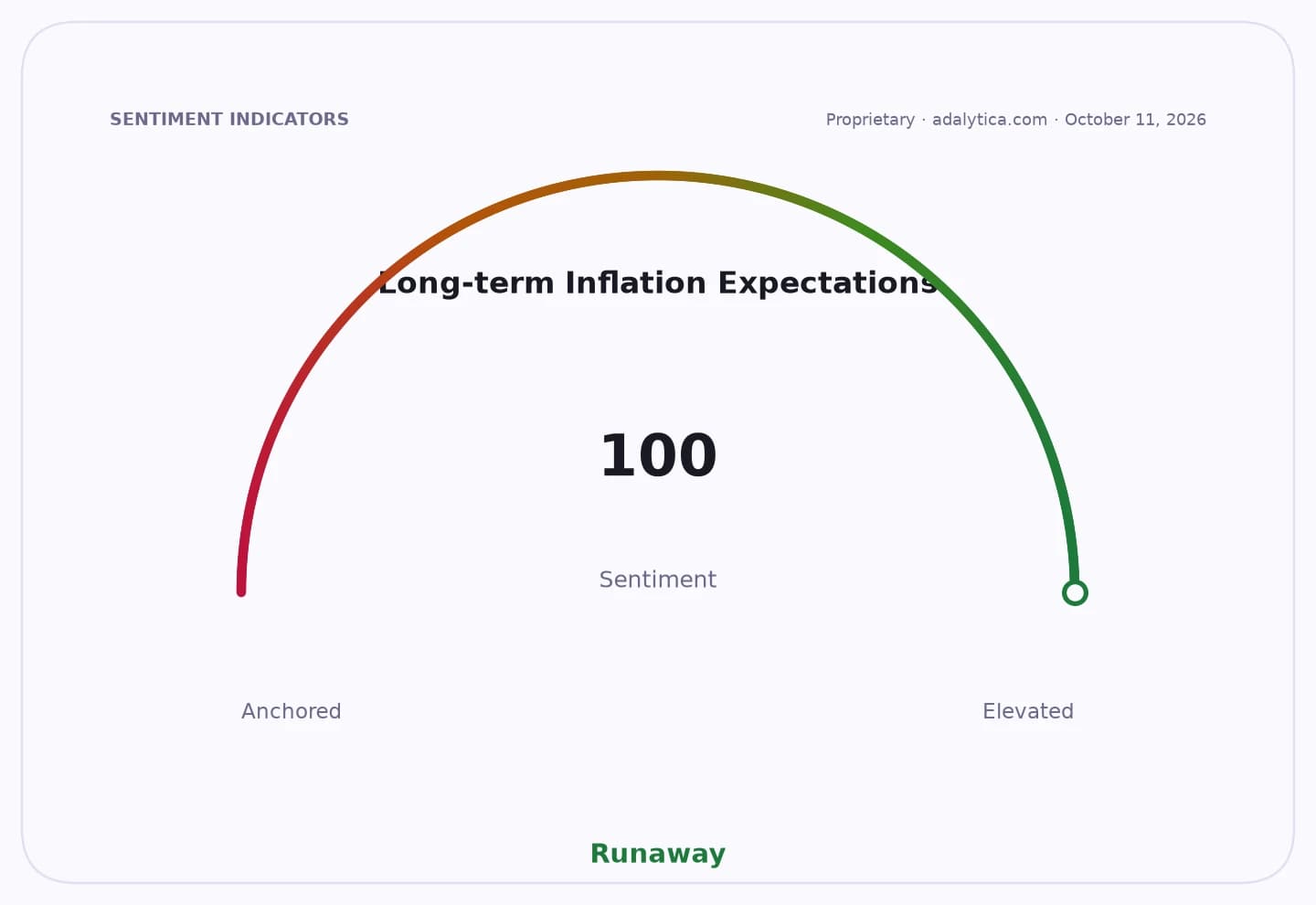
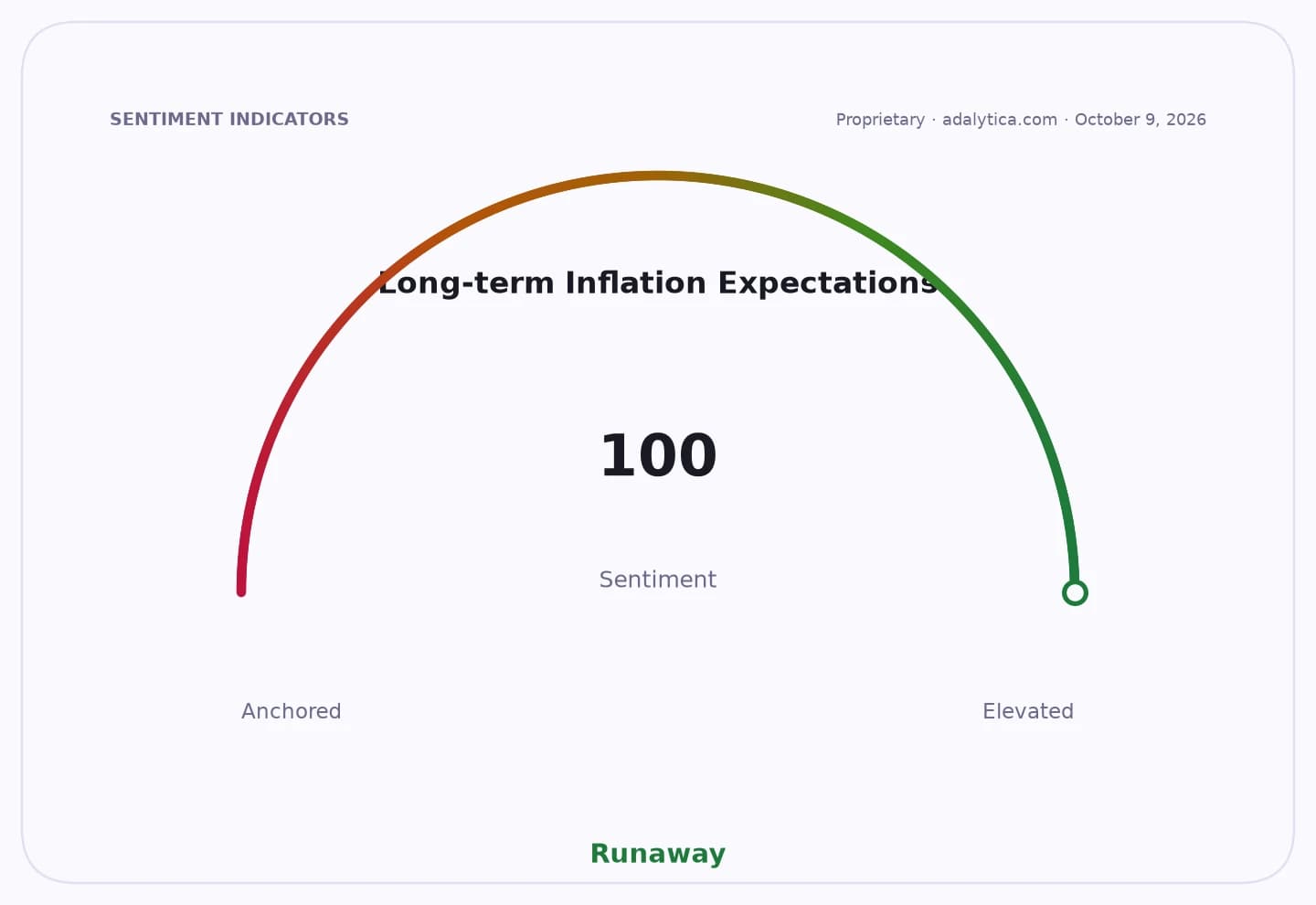
Sentiment IndicatorsⓘProprietary · adalytica.com · October 9, 2026
This is a snapshot — live sentiment, awareness and momentum for 130+ markets update continuously in the dashboard.Open AlphaPulse
The annual rise was driven mainly by higher gasoline, heating, diesel, wood fuel and electricity prices, along with more expensive vehicle inspections and repairs, restaurant and café services. Prices for consumer goods climbed 6.6% on the year and services 6.9%, while state- and municipal-administered prices rose 10.8% and market prices 6.1%.
On the month, inflation was pushed higher by fuel prices again, especially gasoline and diesel, as well as clothing and some fresh produce. Transport goods and services rose 3.8% from August, with gasoline up 9.4% and diesel 9.2%, while air passenger transport fell 15.1%.
The data suggest inflation is not yet confined to one-off shocks. Food prices were mixed, with meat products, used cars, bread and butter cheaper on the year, but the stronger readings in energy and services point to sticky underlying pressures that can keep headline inflation elevated.
For investors, the print is a reminder that higher rates or tighter-for-longer expectations can linger in Central and Eastern Europe when energy costs and administered prices remain firm. Lithuanian bonds, rate-sensitive equities and consumer-facing stocks may stay sensitive to any sign that inflation is proving harder to tame than in the wider euro area.
Markets are likely to watch whether October fuel prices and autumn utility bills reinforce the trend or whether weaker monthly momentum brings relief. The next inflation releases will show whether September was another pause in the cooling process or the start of a more persistent rebound.
| Entity | Gains | Losses |
|---|---|---|
| Energy sellers | ▲Higher fuel revenue | ▼Consumers and transport users |
| Lithuanian government | ▲Higher administered-price income | ▼Households facing higher bills |
| Consumer staples retailers | ▲Some pricing power | ▼Real household demand |
| Bondholders | ▲None | ▼Investors in duration assets |