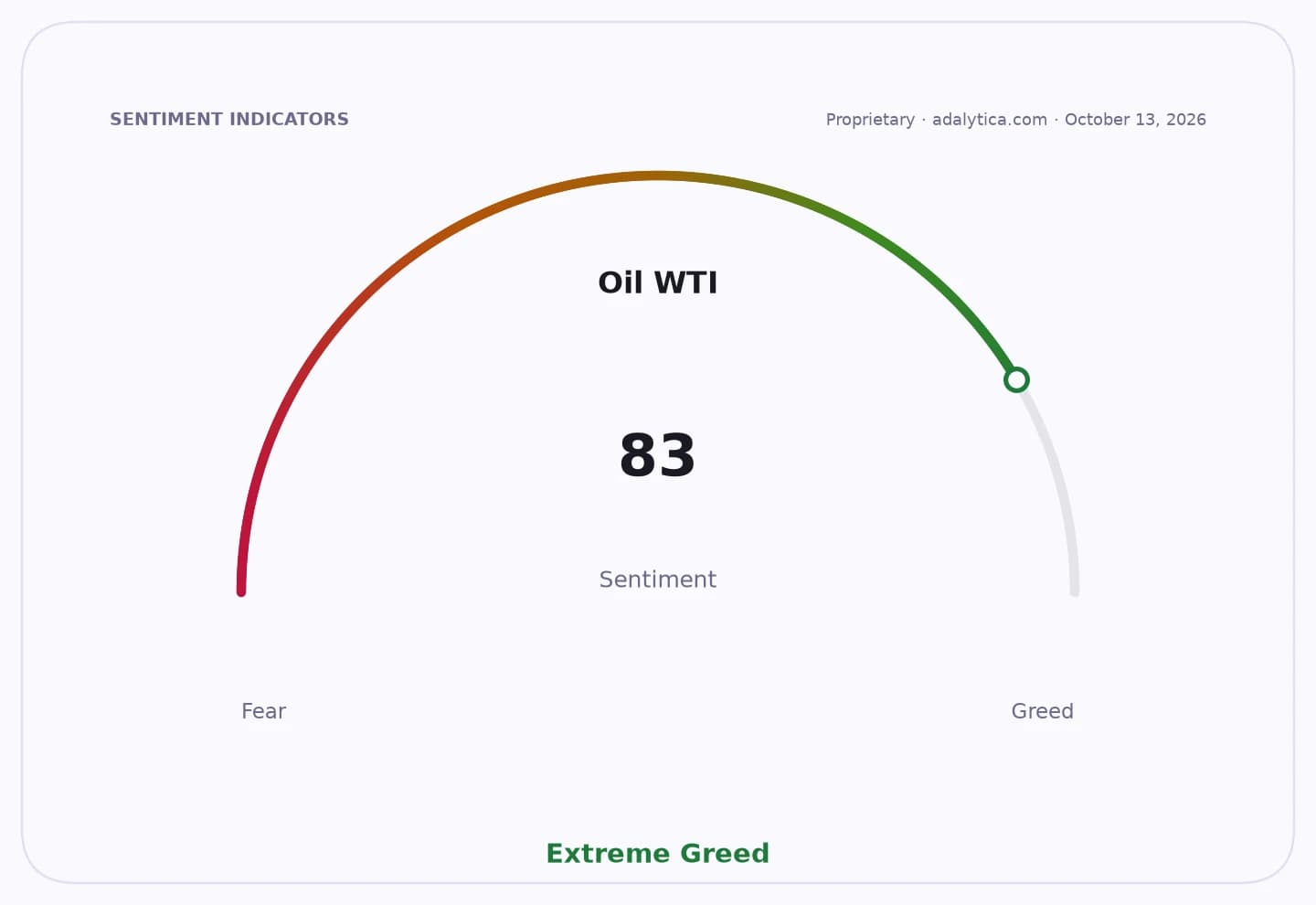
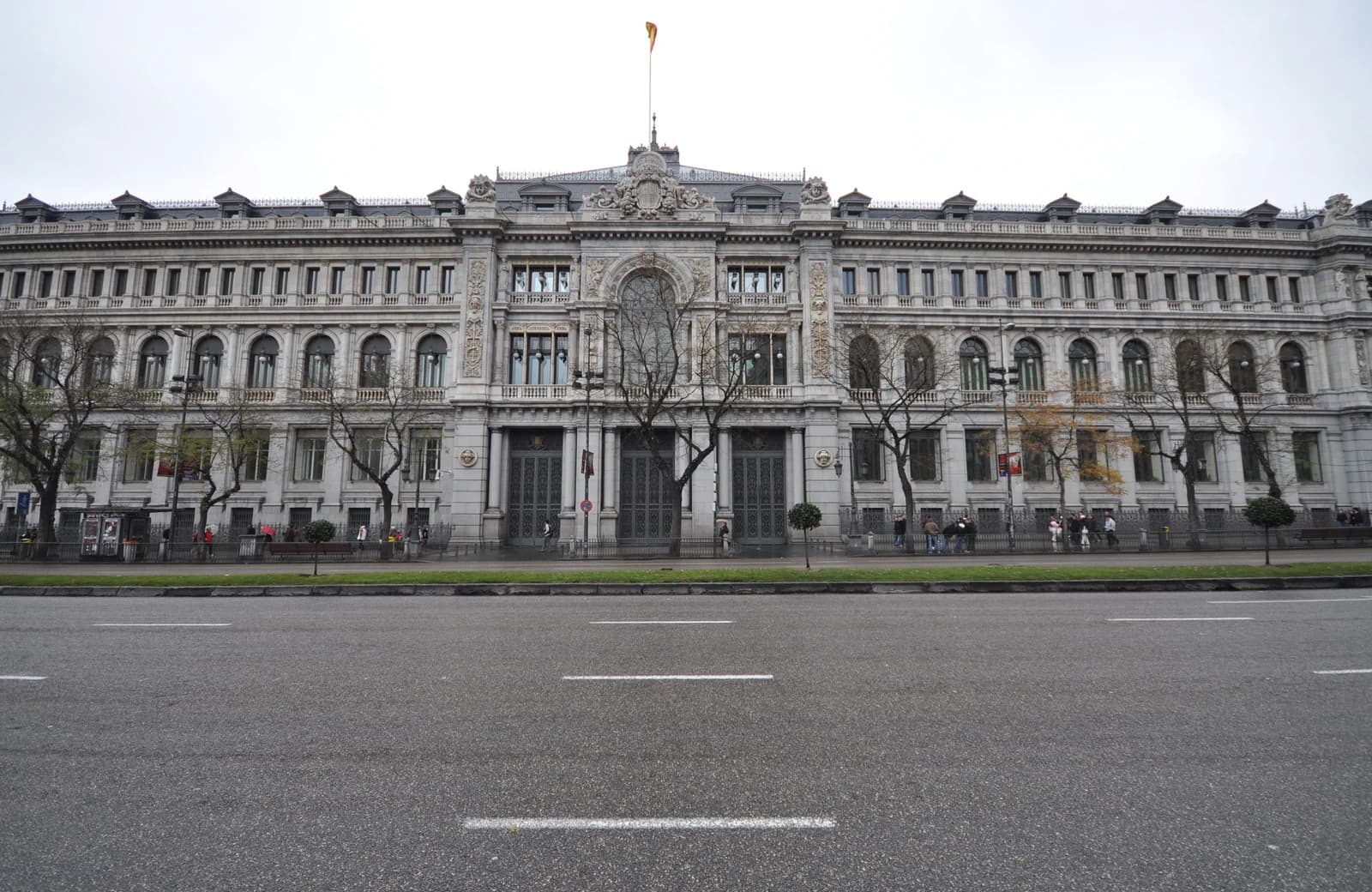
Swedish households are being hit by a fresh energy-driven inflation shock that can add roughly SEK 4,080 a year to an average electricity bill and lift fuel costs by even more, putting pressure back on consumer spending and the Riksbank’s rate path.
Sweden Inflation Rises on Electricity and Fuel Costs
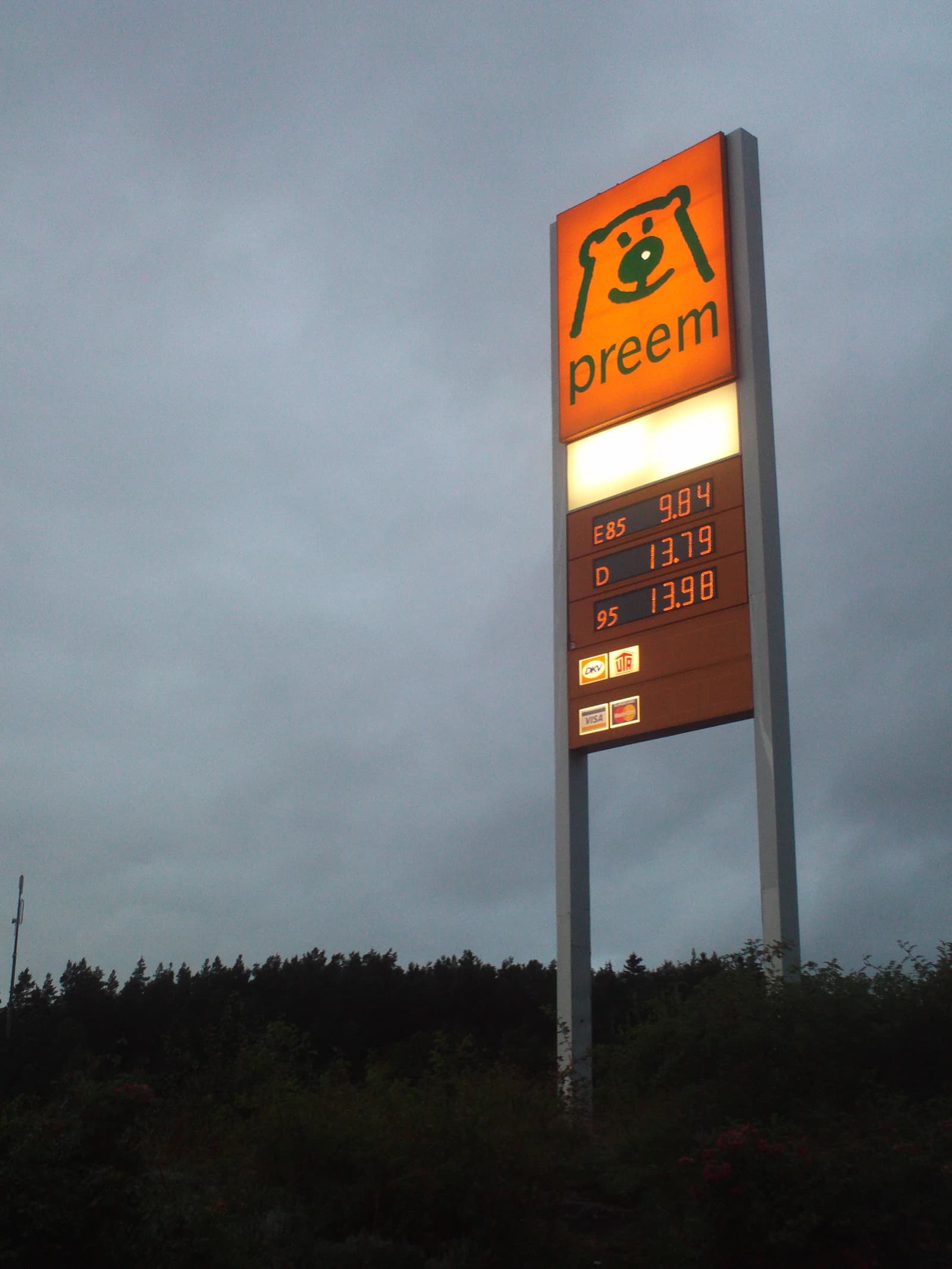
The latest figures from Statistics Sweden show electricity prices rose 11.7% between August and September, while fuel prices increased 13.3% over the same period. On a year-on-year basis, electricity is up 17% and fuel 20%, a jump that is feeding directly into a higher inflation reading after months of relative calm.
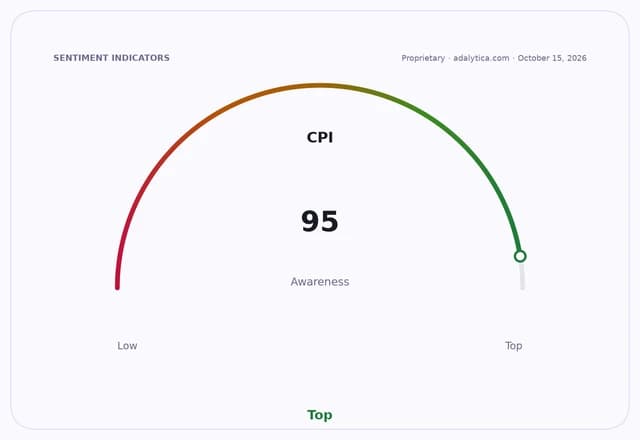
Sentiment IndicatorsⓘProprietary · adalytica.com · October 15, 2026
This is a snapshot — live sentiment, awareness and momentum for 130+ markets update continuously in the dashboard.Open AlphaPulse
For families, the numbers are immediate and unforgiving. A household paying SEK 2,000 a month for power would face an extra SEK 340 a month, or SEK 4,080 over a year, if the higher price level holds. A motorist spending SEK 2,000 a month on fuel would pay about SEK 400 more each month, or SEK 4,800 a year. In a weak consumer environment, that kind of squeeze matters far beyond the utility bill.
The macro impact is clear. Inflation measured by KPIF, the Riksbank’s target gauge, rose to 1.5% in September from 0.7% in August. CPI inflation climbed to 1.1% from 0.3%. But inflation excluding energy, KPIF-XE, stayed at 0.5%, underscoring that the entire pickup is coming from power and transport costs rather than a broad-based demand rebound.
That distinction matters for investors. When inflation is energy-led, it is more likely to erode real disposable income than trigger a healthy growth cycle. Swedish consumers have less room to spend on discretionary goods, while companies exposed to household demand may face margin pressure as customers absorb higher utility and commuting costs. The flip side is that energy suppliers, fuel distributors and power-related infrastructure names gain pricing power from a tighter market.
The broader narrative is that Sweden is entering another cost-of-living squeeze at exactly the wrong time. Inflation is not accelerating because the economy is overheating; it is reaccelerating because essential inputs are getting more expensive. That leaves policymakers with less room to celebrate easing price pressure, and it leaves investors with a simple playbook: favor the businesses that can pass through energy costs or profit from them, and be cautious on consumer-facing names dependent on Swedish household demand.
| Entity | Gains | Losses |
|---|---|---|
| Energy suppliers | ▲Higher pricing power | ▼More consumer backlash |
| Fuel retailers | ▲Bigger nominal revenues | ▼Demand-sensitive drivers |
| Swedish households | ▲— | ▼Higher monthly bills |
| Consumer retailers | ▲— | ▼Weaker discretionary spending |