Bulgaria’s inflation is still high enough to keep household budgets under pressure, even after prices slipped 0.2% from August, with annual consumer inflation at 5.7% in September and cumulative inflation over five years reaching 42.4%.
Bulgaria Inflation Stays High at 5.7% in September
That combination matters because it shows the country is no longer dealing with a one-off price shock. The problem is persistence. Even as some categories cooled in September, the cost of living has continued to compound in a way that erodes purchasing power, squeezes real wages and makes it harder for policymakers to declare victory over inflation.
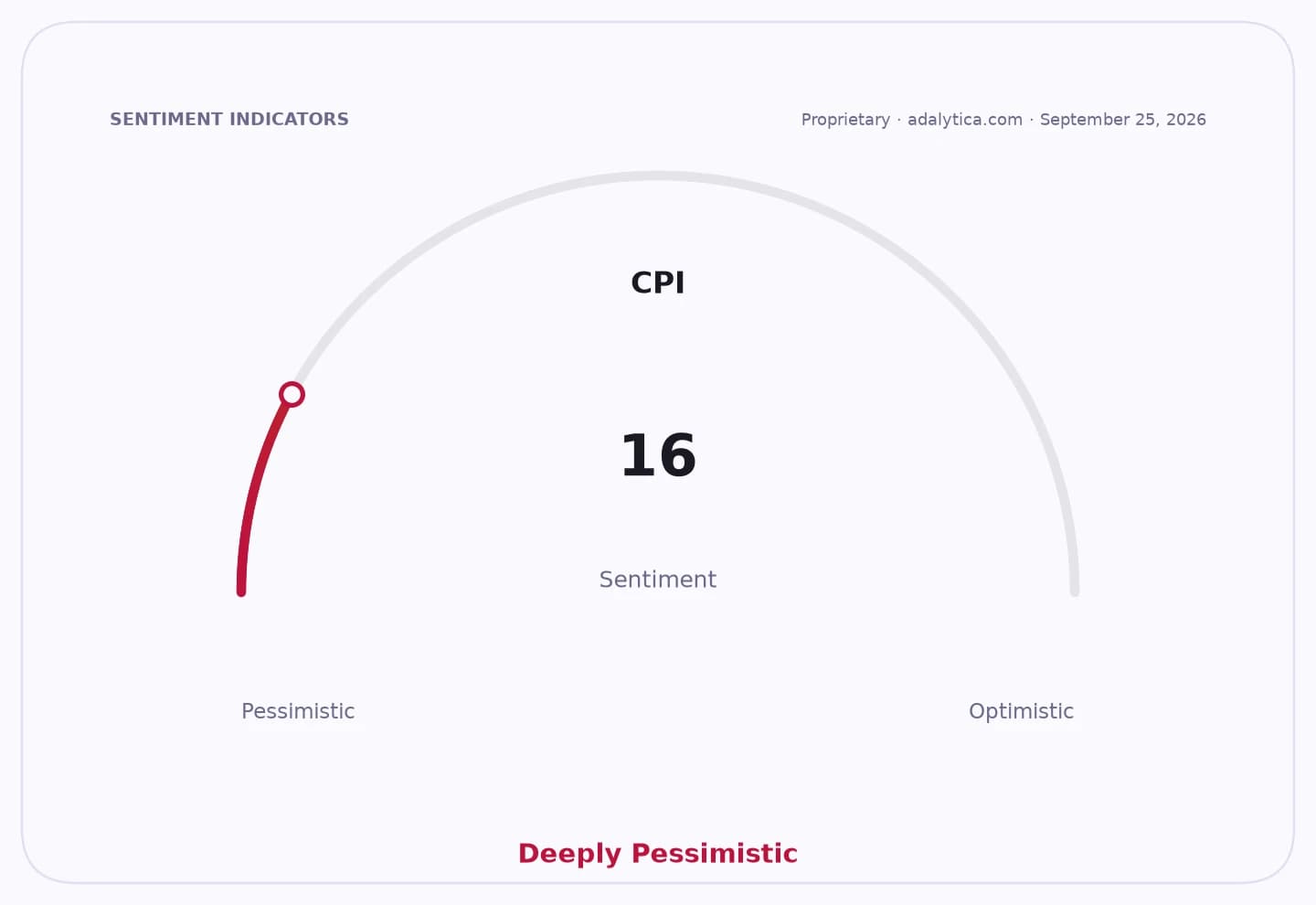
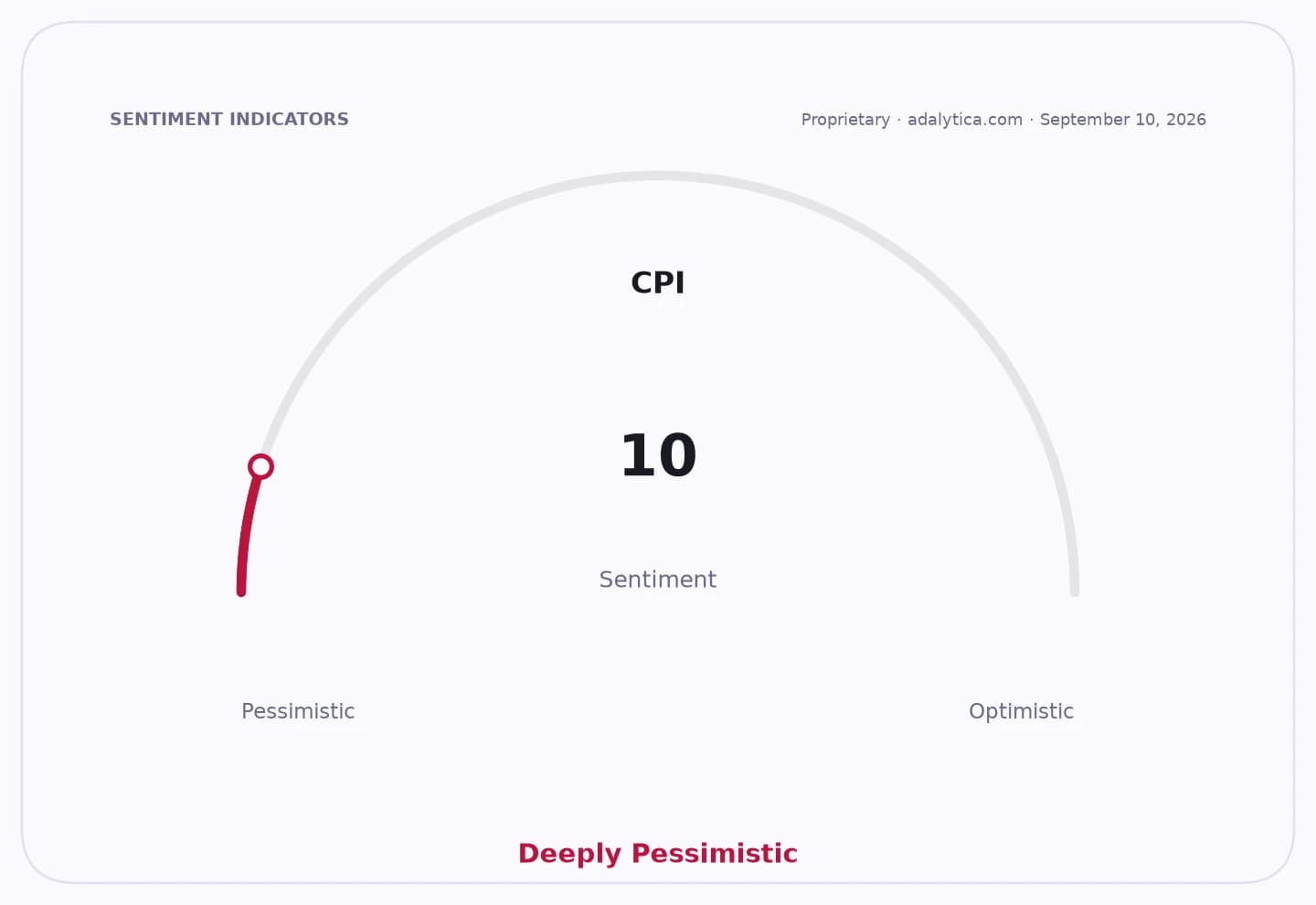
Sentiment IndicatorsⓘProprietary · adalytica.com · October 15, 2026
This is a snapshot — live sentiment, awareness and momentum for 130+ markets update continuously in the dashboard.Open AlphaPulse
The latest figures from the National Statistical Institute show inflation this year already running at 4.2%, while the 12-month average stood at 5.1%. For European investors, that is a reminder that price pressures in smaller EU economies can remain sticky even when headline monthly readings turn negative. On a harmonized basis used across the bloc, annual inflation was 5.6%, with five-year inflation at 37.3%, still far above the European Central Bank’s comfort zone.
The month-to-month details tell the same story of uneven relief. Transport costs rose 3.7% in September, education services climbed 3.2%, and alcohol and tobacco gained 1.1%. Food prices were mixed, but staples such as potatoes jumped 36.5%, cucumbers rose 22%, and other fresh vegetables increased 12.4%, offsetting declines in grapes, peppers and several fruit and dairy items. Fuel also moved higher, with prices for methane, gasoline and diesel all rising sharply.
For investors, inflation this stubborn has two important implications. First, it keeps pressure on consumer spending, especially for lower-income households, which the statistics office said saw the prices of their smaller basket rise 2.1% from a year earlier. Second, it can keep interest rates elevated for longer, lifting borrowing costs for banks, companies and households alike. That matters for everything from mortgage demand to corporate refinancing and government debt service.
There is a broader market lesson here too. When inflation cools only in fits and starts, fixed-income investors tend to demand more compensation, while equity investors favor businesses with pricing power, low leverage and durable cash generation. Companies selling essentials, services with recurring demand and exporters that earn in stronger currencies usually fare better than discretionary names tied to the local consumer.
The numbers do not point to runaway inflation, but they do argue against complacency. Five years of 42.4% cumulative inflation is the kind of compounding that changes spending behavior, valuation assumptions and political pressure. For long-term investors, the key takeaway is simple: in an environment like this, patience and selectivity matter more than trying to time the next monthly print.
| Entity | Gains | Losses |
|---|---|---|
| Savers in fixed income | ▲Higher yields | ▼Real purchasing power |
| Banks and lenders | ▲Wider interest margins | ▼Borrowers facing higher costs |
| Consumers, especially low-income households | ▲Temporary price relief in some foods | ▼Everyday budgets |
| Pricing-power companies | ▲Ability to pass on costs | ▼Cost-sensitive retailers |