Education has become one of the most painful and persistent sources of inflation in Turkey, and that matters because it hits households in a category they cannot easily delay, cut back or substitute away from. In September, education prices jumped 14.19% from the prior month and annual education inflation climbed to 48.62%, even as Turkey’s overall consumer inflation eased to 29.73%.
Turkey education inflation rises to 48.62%

For investors, the number is more than a statistic. It underscores how sticky price pressures remain in everyday services, especially tuition, boarding and school transport. Those costs are rising much faster than the headline inflation rate, which means the squeeze on disposable income is still intense even as the broader disinflation story improves. Families facing higher school bills have less room to spend on discretionary items, which can weigh on domestic demand across consumer sectors.
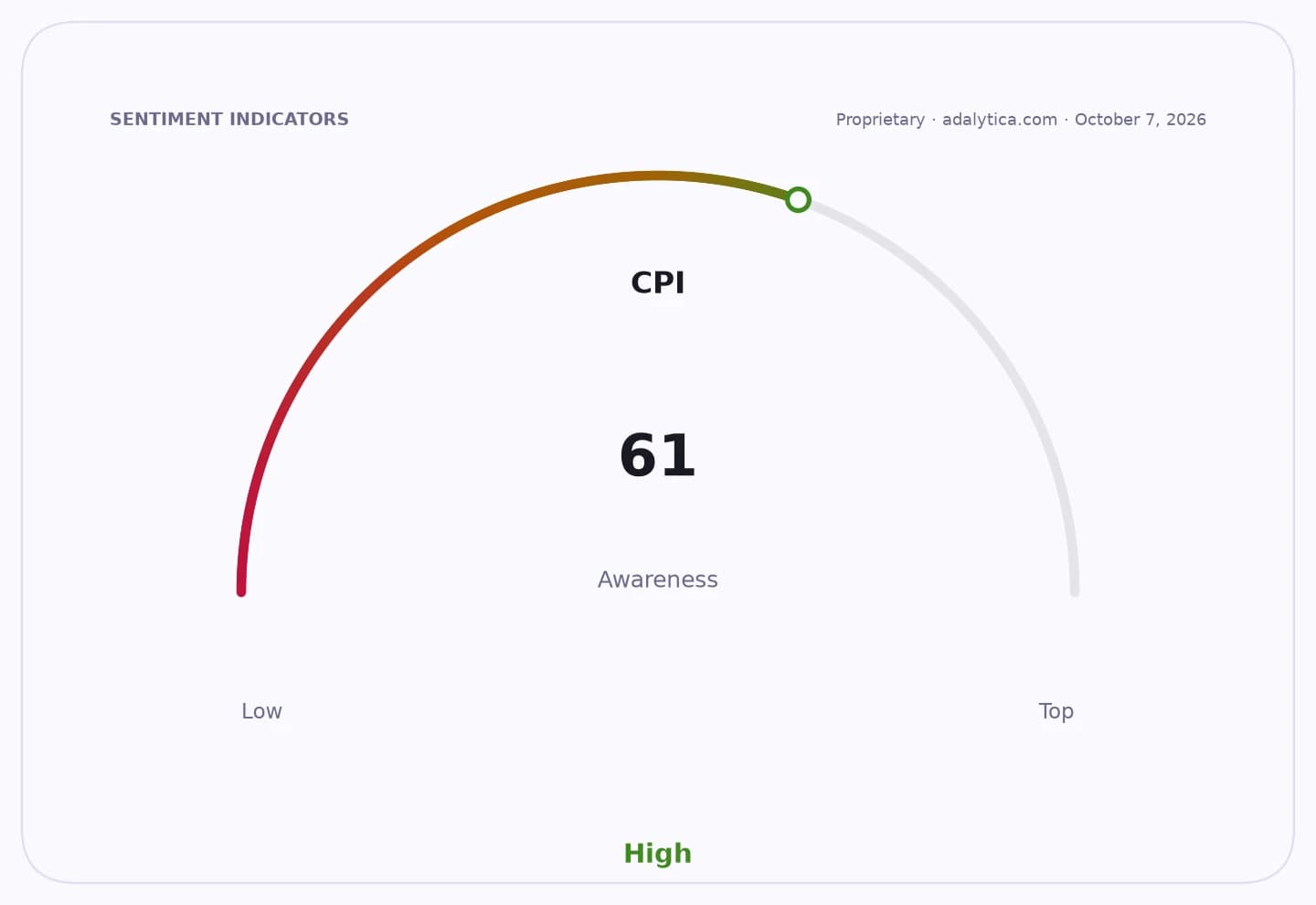
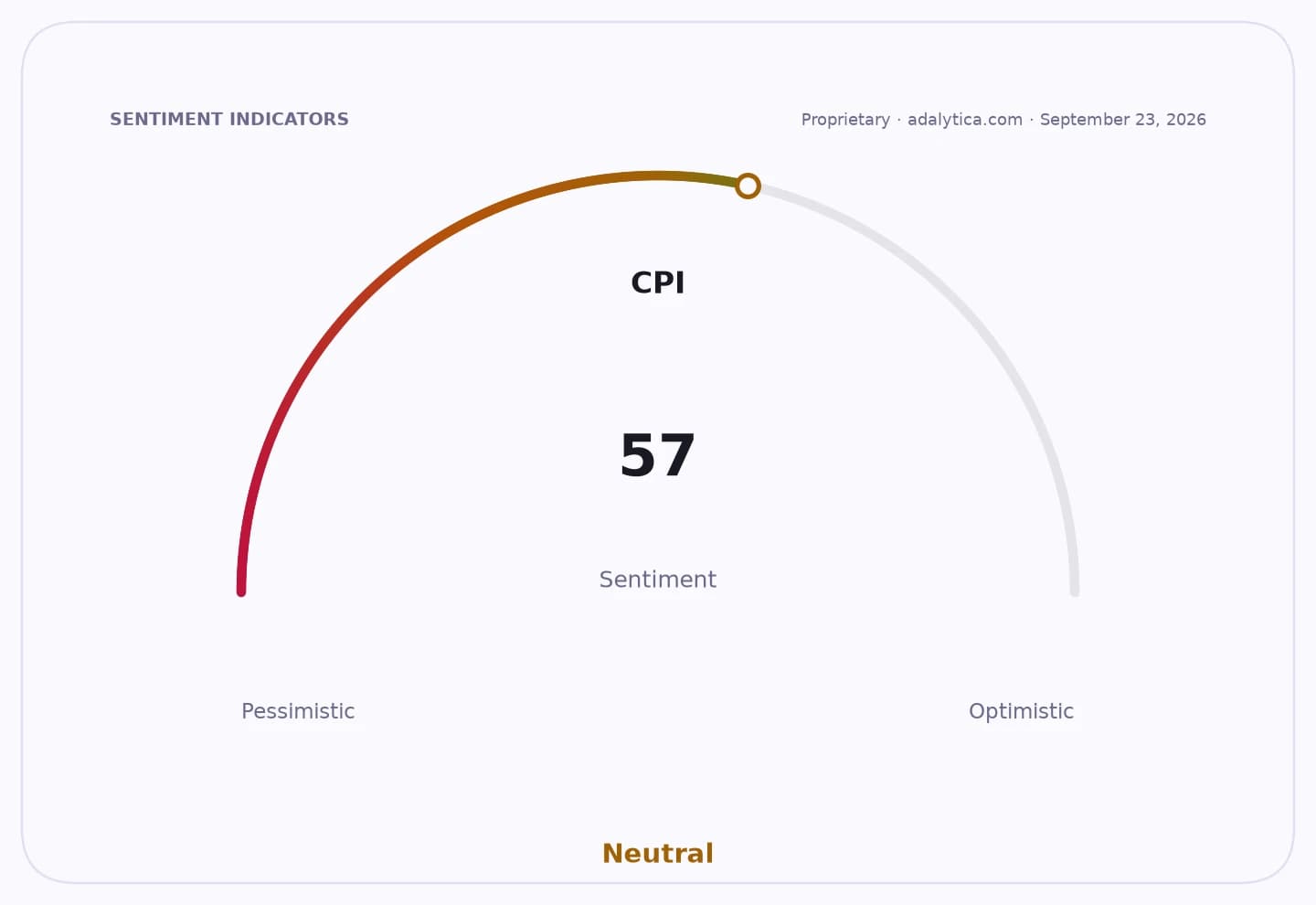
Sentiment IndicatorsⓘProprietary · adalytica.com · October 8, 2026
This is a snapshot — live sentiment, awareness and momentum for 130+ markets update continuously in the dashboard.Open AlphaPulse
The details show just how broad the pressure is. University fees rose 25.79% in a single month, accommodation costs tied to schools and universities climbed 19.99%, and school transport increased 16.04%. Even primary and preschool costs moved sharply higher. That makes education a macroeconomic problem, not just a seasonal back-to-school issue. Prices in the category have been among the fastest rising in 2026 for nearly the entire year, suggesting the inflation problem is structural rather than temporary.
That’s why the message for policymakers is clear: bringing inflation down is not only about energy, food or the exchange rate. Services inflation in education can keep household expectations elevated and make it harder to secure a durable decline in price growth. The market will care because persistent inflation in non-discretionary spending tends to keep pressure on wages, pricing behavior and interest-rate expectations.
For long-term investors, the takeaway is simple. Turkey’s inflation path may be improving at the headline level, but pockets of severe pricing power remain alive and well. Companies tied to affordable consumer goods, education-adjacent services or essential spending may prove more resilient than discretionary names exposed to budget fatigue. For now, this remains a reminder that inflation relief is uneven, and investors should watch whether the broader disinflation trend can finally reach the parts of the economy households feel most.
| Entity | Gains | Losses |
|---|---|---|
| Households | ▲headline inflation relief | ▼school-budget squeeze |
| Education providers | ▲pricing power | ▼political scrutiny |
| Consumer discretionary firms | ▲little | ▼weaker demand |
| Central bank / policymakers | ▲disinflation progress | ▼sticky services inflation |