Inflation in Spain’s Murcia region climbed to 5% in September, outpacing the national rate and underscoring how higher fuel prices are feeding through to households, transport costs and the wider cost of living.
Murcia inflation rises to 5% in September

The reading, published by the national statistics office, was up seven-tenths of a percentage point from August and left Murcia a tenth above Spain’s 4.9% average. It also marked the fourth straight monthly increase, extending a run that began in March as energy costs rose on the back of geopolitical tensions in the Middle East and lingering pressure on oil and gas markets.
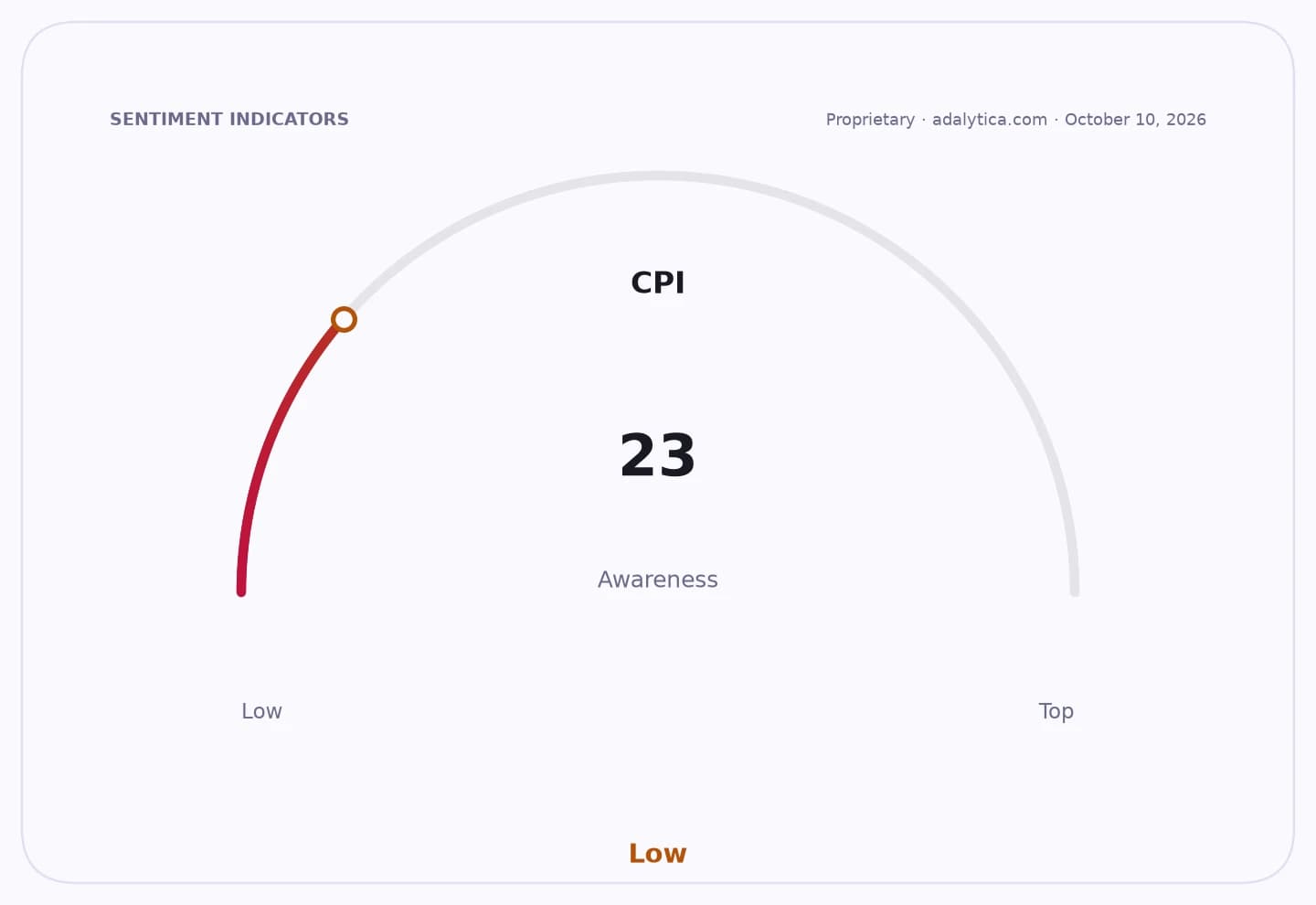
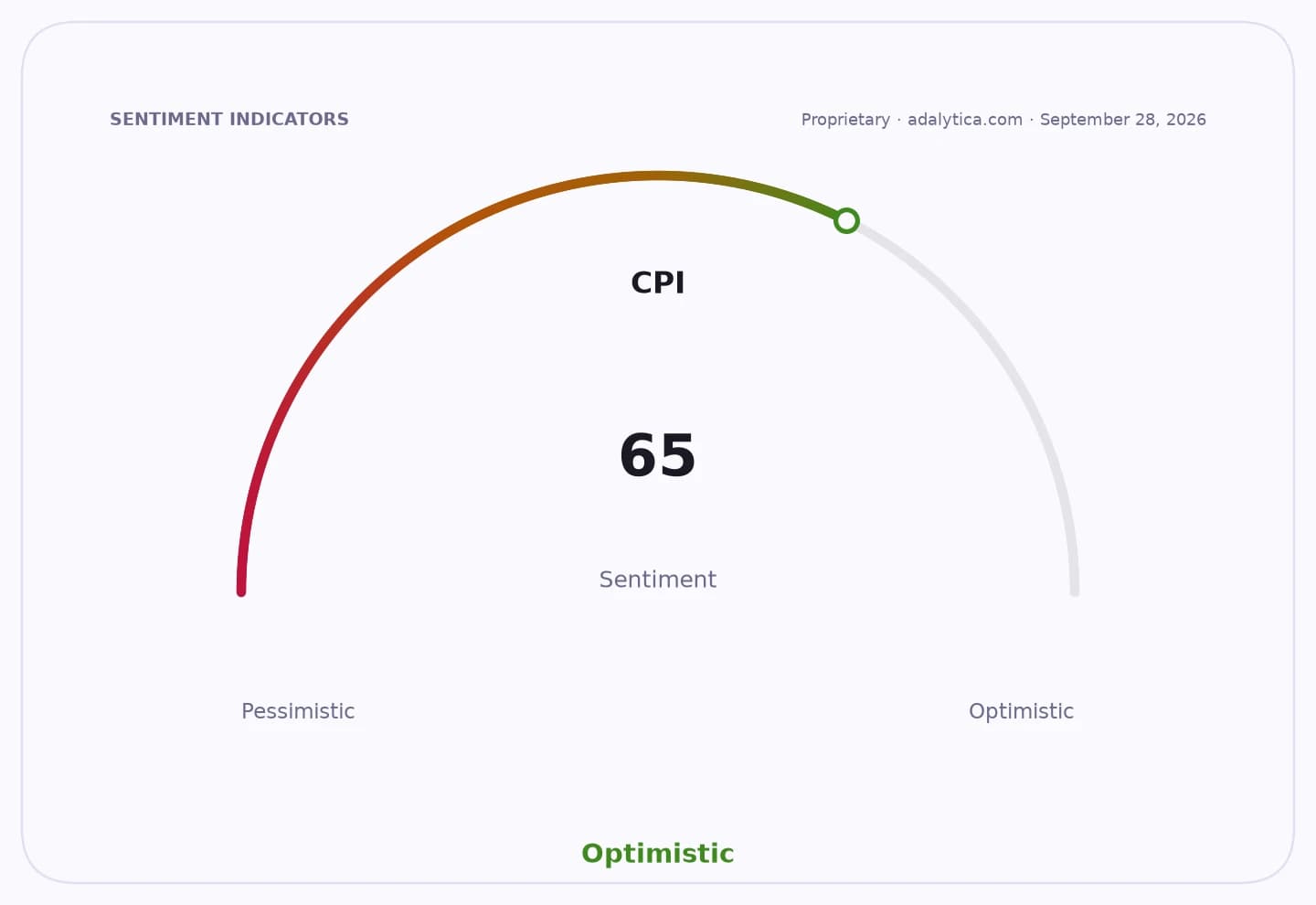
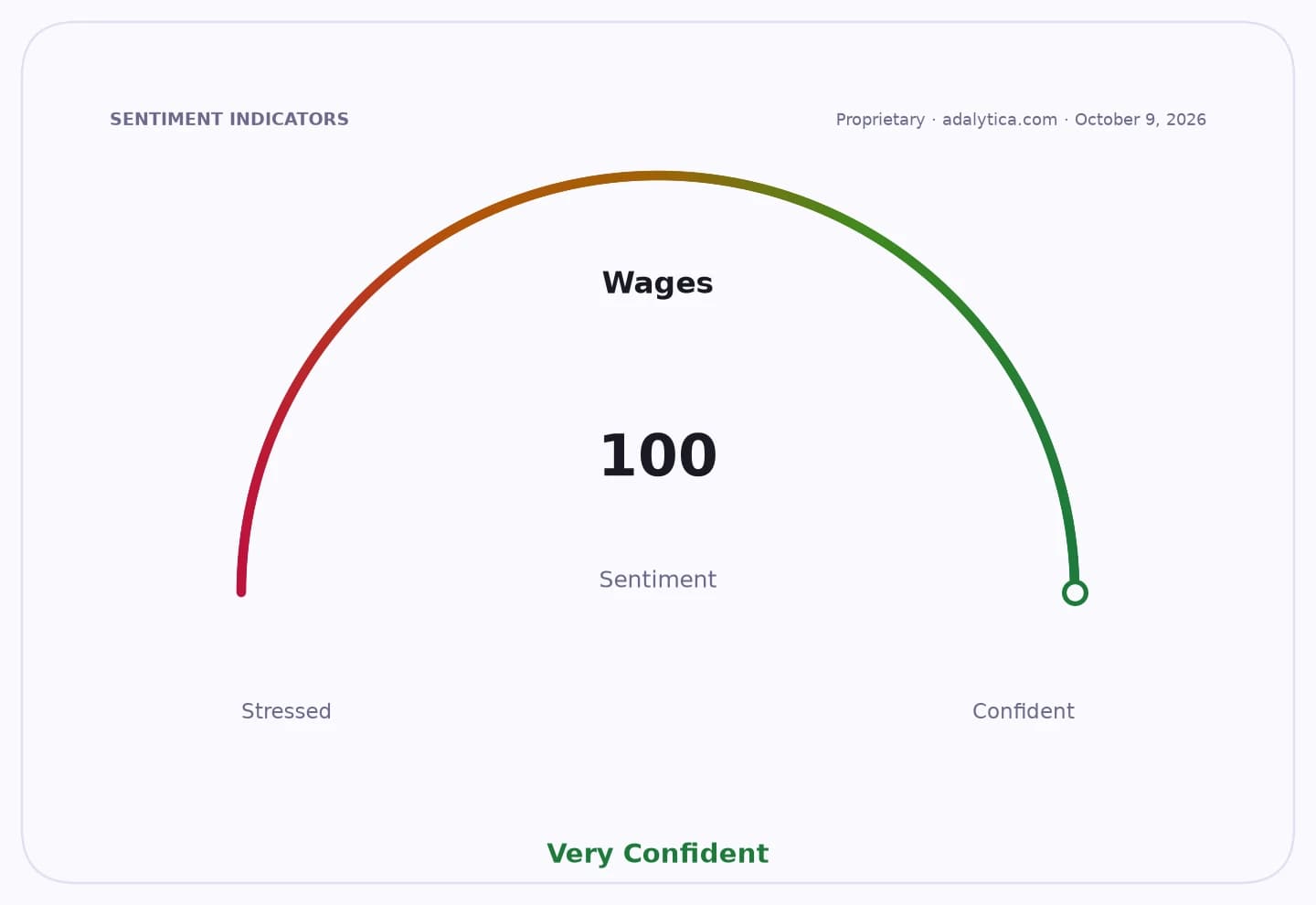
Sentiment IndicatorsⓘProprietary · adalytica.com · October 15, 2026
This is a snapshot — live sentiment, awareness and momentum for 130+ markets update continuously in the dashboard.Open AlphaPulse
That matters because fuel is still the fastest transmission channel from global commodity shocks to local inflation. When gasoline and diesel prices rise, transport inflation follows, then filters into food distribution, restaurant bills and household utilities. In Murcia, transport prices were 12.1% higher than a year earlier, while housing, water, electricity, gas and other fuels rose 5.7%, showing the broad spillover from the energy shock rather than a one-off move at the pump.
The national backdrop is just as relevant for policy. Spain has already been forced to revive a 20-cent-per-litre fuel subsidy for diesel and gasoline, a sign that authorities see the squeeze on consumers as politically and economically costly. Persistent fuel inflation also raises the chance that second-round effects become embedded in services prices, making it harder for the European Central Bank to argue that inflation risks have fully receded.
For investors, the implications are split. Higher fuel prices support the earnings outlook for oil producers and refiners, but they are a headwind for consumer spending, margins at transport-intensive businesses and inflation-sensitive rate expectations. The move has also reinforced demand for energy hedges, with U.S. oil-linked funds such as USO and sector ETFs like XLE and XOP showing elevated trading interest as crude prices have remained volatile.
The warning sign is that the regional data are not isolated. Murcia is not the worst hit area — Castilla-La Mancha and Galicia were at 5.5%, with Cantabria and Castilla y León at 5.4% — which suggests inflation pressure remains broad-based across Spain’s regions. Unless fuel prices ease and gas markets stabilize before winter, consumer relief will be limited and inflation will remain a drag on real incomes into year-end.
| Entity | Gains | Losses |
|---|---|---|
| Oil producers/refiners | ▲Higher product margins | ▼Softer demand if inflation persists |
| Consumers in Murcia | ▲None | ▼Higher transport and utility costs |
| Spanish government | ▲Justifies targeted relief | ▼Bigger subsidy bill |
| Energy ETFs / hedged investors | ▲Inflation-linked upside | ▼Unhedged consumer sectors |