Spain’s labour minister Yolanda Díaz is rushing to lock in another minimum wage increase before the 29 November election, a move that could shape pay costs for employers and household income for millions of workers well before the next government takes office.
Spain minimum wage increase before November election
The significance is bigger than a routine wage-setting exercise. By convening her advisory commission now, Díaz is trying to get the process far enough along that the government can approve a new floor for 2027 even if it is acting in a caretaker capacity after the vote. That matters because Spain’s minimum wage has become a political and economic fault line: a higher floor supports consumption among lower-income households, but it also raises labour costs for employers in sectors such as retail, hospitality and agriculture.
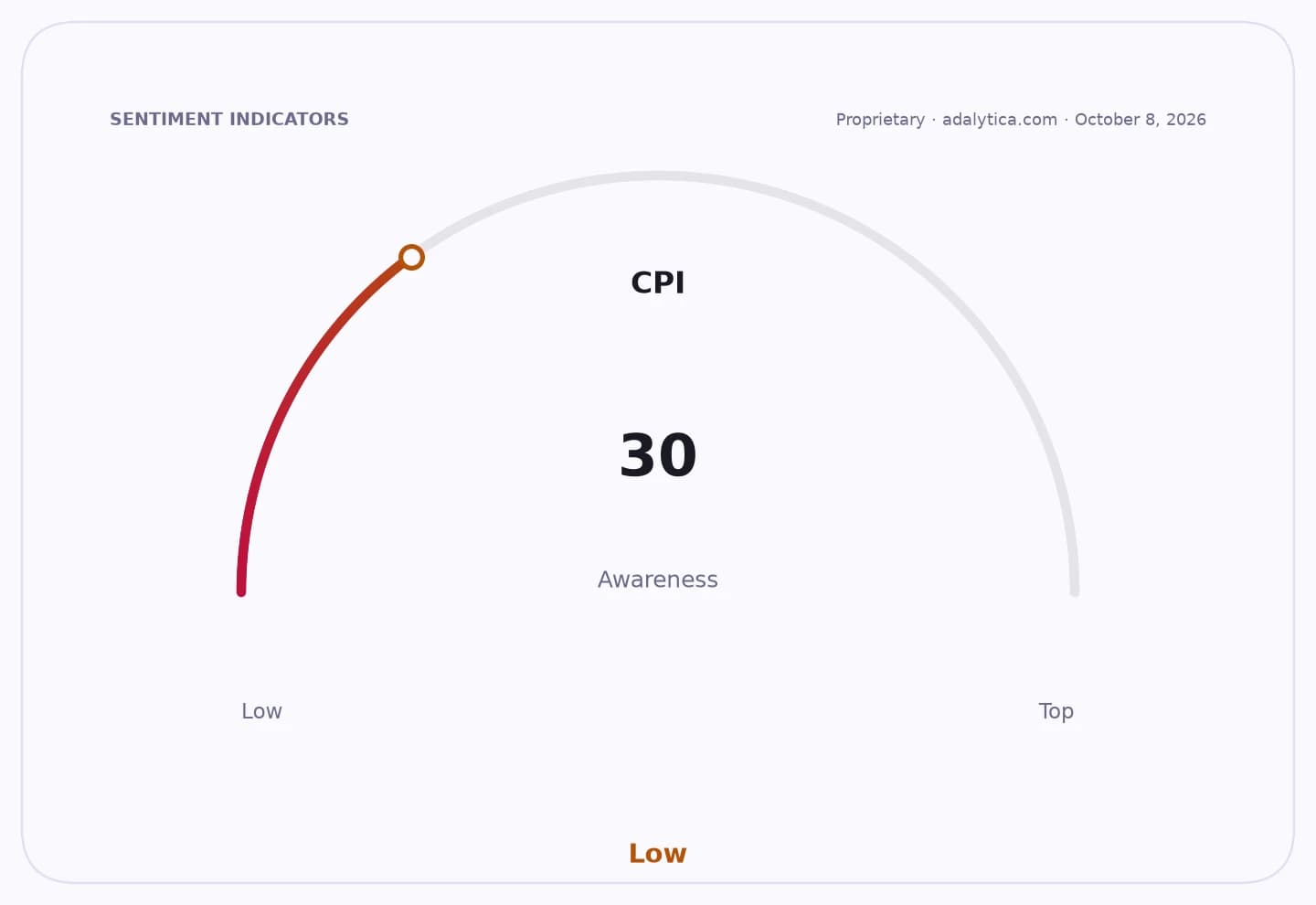
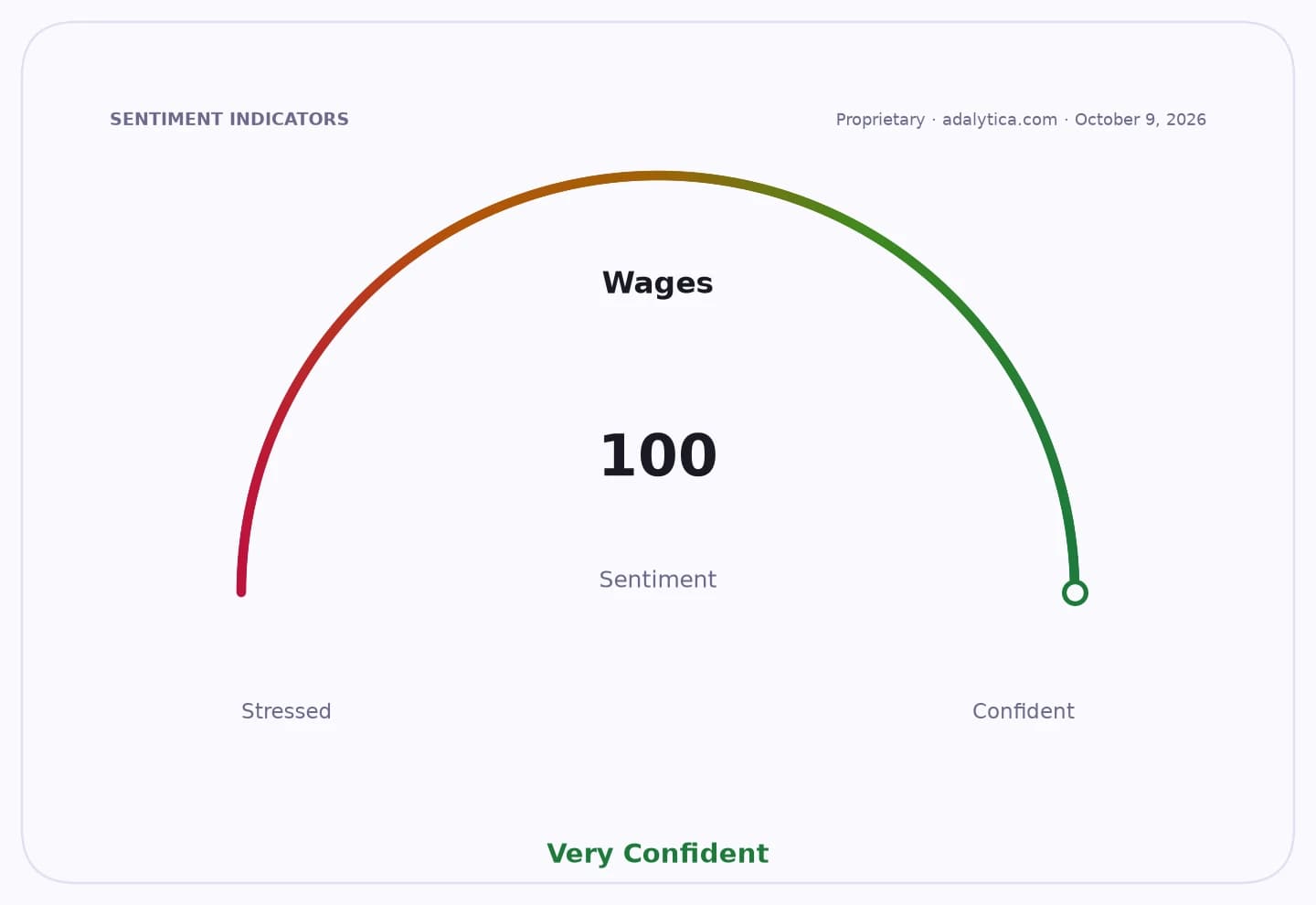
Sentiment IndicatorsⓘProprietary · adalytica.com · October 9, 2026
This is a snapshot — live sentiment, awareness and momentum for 130+ markets update continuously in the dashboard.Open AlphaPulse
The government already lifted the monthly minimum wage by 3.1% this year to 1,221 euros gross in 14 payments, or 17,094 euros a year. Labour unions are pushing for another meaningful step-up, with CCOO’s general secretary, Unai Sordo, saying the 2027 increase should exceed 5%. A move in that range would keep Spain on a path of steady wage compression, strengthening the income base of the lowest-paid workers even as businesses absorb another round of cost pressure.
For investors, the immediate story is not about a single headline rate but about the cumulative effect on margins and spending. Companies with heavy exposure to low-wage labour tend to feel the squeeze first, while domestic-demand names can benefit if pay gains translate into stronger household consumption. Spain’s listed banks, consumer companies and employers tied to the internal economy all watch these decisions closely, because persistent wage gains can feed both revenue growth and costs at the same time.
The timing also matters politically. Díaz is moving before the campaign fully takes over, suggesting the government wants to shape the economic agenda rather than leave the issue to a post-election negotiation. Even if the final increase remains undecided, the signal is clear: Spain’s wage floor is still moving higher, and that keeps labour costs, inflation pressure and consumer purchasing power at the center of the investment debate.
For long-term investors, the key takeaway is to focus less on the one-off percentage and more on which businesses can pass through rising pay costs and which can’t. In a market where wages remain politically protected and economically sticky, pricing power and productivity are what separate the winners from the rest.
| Entity | Gains | Losses |
|---|---|---|
| Low-paid workers | ▲Higher take-home pay | ▼— |
| Consumer-facing Spanish firms | ▲Stronger household spending | ▼Higher wage bills |
| Employers in labour-heavy sectors | ▲— | ▼Margin pressure |
| Spanish government | ▲Political control of wage agenda | ▼More business pushback |