Europe’s statutory minimum wages have kept rising under the EU’s 2022 pay framework, but the gains are uneven, with most member states lifting floors while Romania has yet to catch up and Cyprus updates only every two years.
Europe Minimum Wages Rise Under EU Pay Framework
That matters because minimum wages are becoming a more direct policy tool for protecting household purchasing power in an environment where inflation has eased but living costs remain elevated. The changes are also economically relevant because they can support consumption at the lower end of the income scale, while forcing employers in labour-intensive sectors to absorb higher payroll costs.
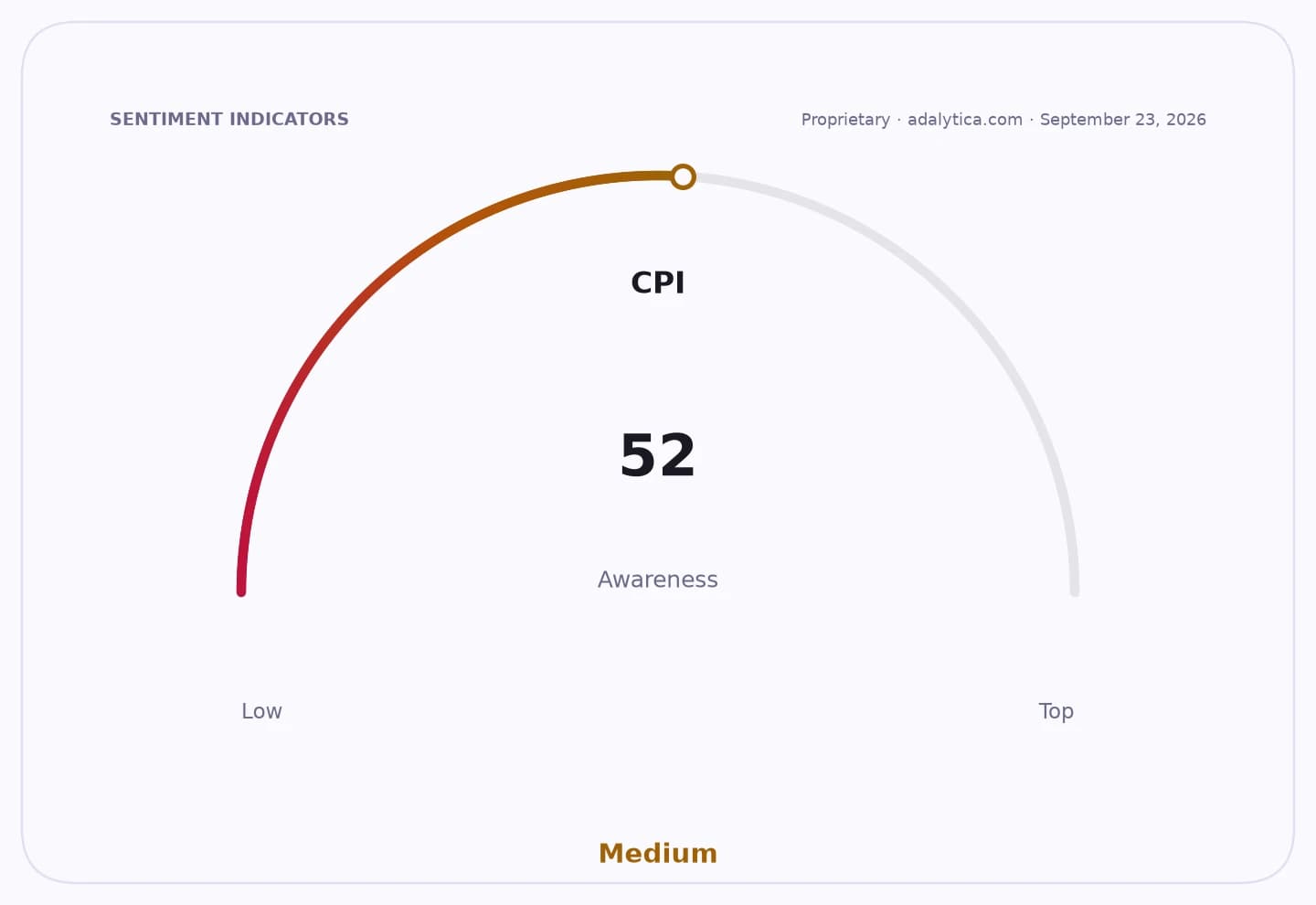
Sentiment IndicatorsⓘProprietary · adalytica.com · September 8, 2026
This is a snapshot — live sentiment, awareness and momentum for 130+ markets update continuously in the dashboard.Open AlphaPulse
The European Union’s 2022 directive is designed to push member states toward “adequate” minimum pay and broader collective bargaining coverage, rather than simply indexing wages to inflation. The point is to keep minimum pay from falling too far behind average wages and the cost of living, which is where the Kaitz index — the ratio of the minimum wage to the average wage — becomes a useful measure of how binding the floor really is.
For investors, the story is less about a single policy move than the cumulative effect across Europe: higher wage floors can buoy retail spending, hospitality and services demand, but they also compress margins for small businesses and sectors with limited pricing power. That split helps explain why wage policy is now part of the same macro debate as interest rates and consumer resilience.
The sharpest takeaway is that the wage floor is no longer just a labour-market issue; it is becoming a macro transmission channel. Countries with lower coverage or weaker bargaining structures face the most pressure to adjust, while member states such as Italy, which still lacks a statutory national minimum wage, are being pulled closer to the EU’s broader framework through collective bargaining.
The divergence across states matters for competitiveness as well. A faster rise in minimum wages can support domestic demand and reduce in-work poverty, but it may also widen costs between countries and increase strain on employers already dealing with slower growth and tighter financing conditions. Romania’s lag and Cyprus’s slower two-year review cycle show that implementation remains fragmented even as the direction of travel is clear.
For markets, the implications are mostly indirect but real. Higher minimum wages tend to favour consumer-facing names and household-demand themes, while raising cost concerns for small-cap employers, exporters with thin margins and firms operating in low-wage service segments. The policy also reinforces a broader European narrative: governments are leaning more heavily on wage support to protect consumption, even as growth remains uneven across the region.
What to watch next is whether the wage increases continue to outpace productivity in some states, and whether the EU’s push toward collective bargaining coverage starts to narrow the gap between countries with strong labour institutions and those still relying on ad hoc adjustments.
| Entity | Gains | Losses |
|---|---|---|
| Low-wage workers | ▲Higher pay floors | ▼None immediate |
| Consumers | ▲More spending power | ▼Higher prices risk |
| Employers in labour-intensive sectors | ▲Predictable wage framework | ▼Higher payroll costs |
| EU policymakers | ▲Stronger social-policy credibility | ▼Uneven national implementation |