Cyprus is moving to adopt the EU’s pay-transparency directive after fresh data showed women still earn nearly €400 less a month than men, underscoring a labor-market gap with direct implications for wages, hiring and corporate compliance.
Cyprus pay transparency bill after wider wage gap
The issue has become politically urgent because the wage gap is no longer just an abstract equality debate. In the first quarter of 2026, average gross monthly pay in Cyprus rose to €2,601 from €2,508 a year earlier, but the headline improvement masks a wider structural problem: men earned an average €2,776, while women earned €2,378, a difference of €398 a month, or about €4,776 a year.
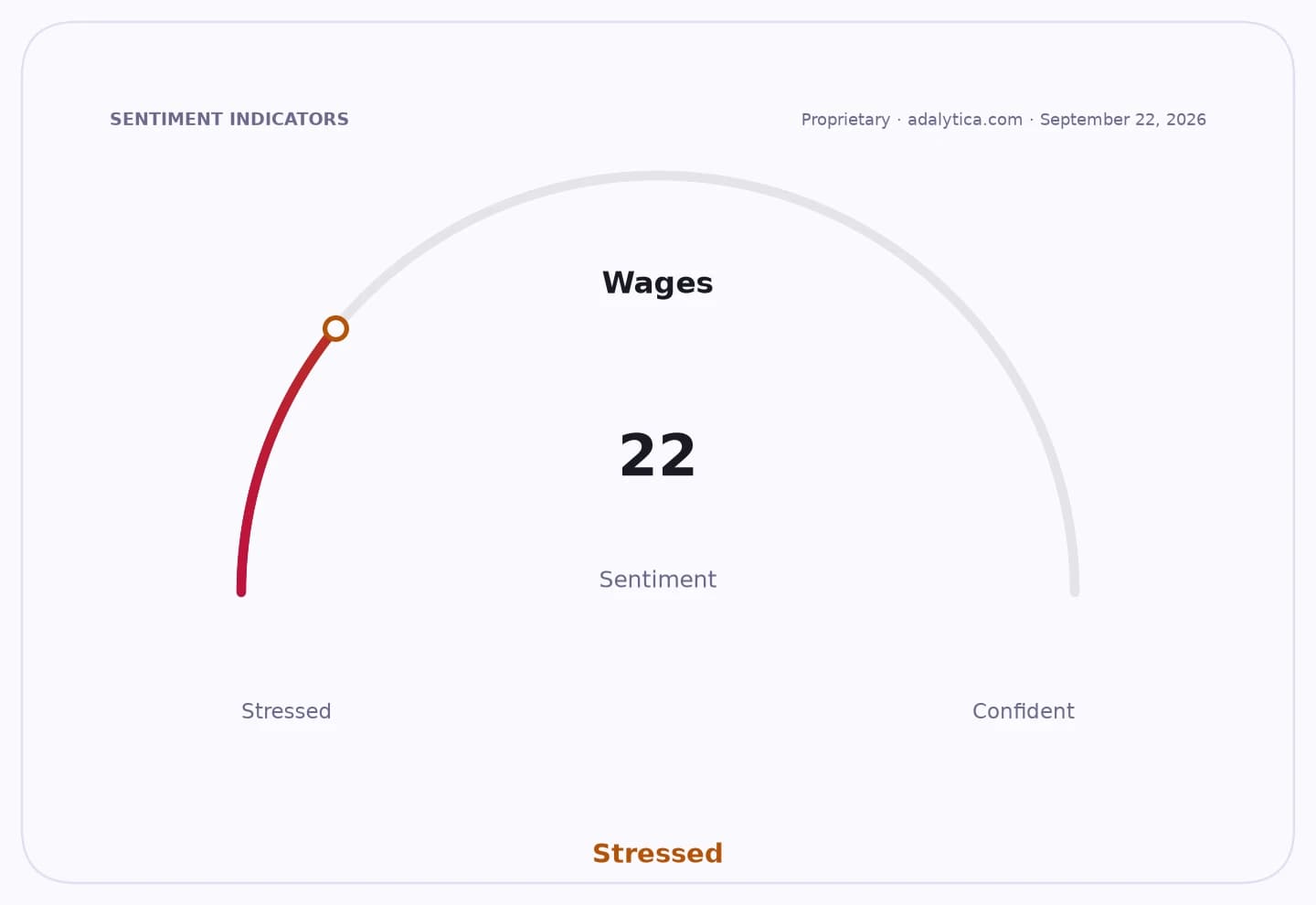
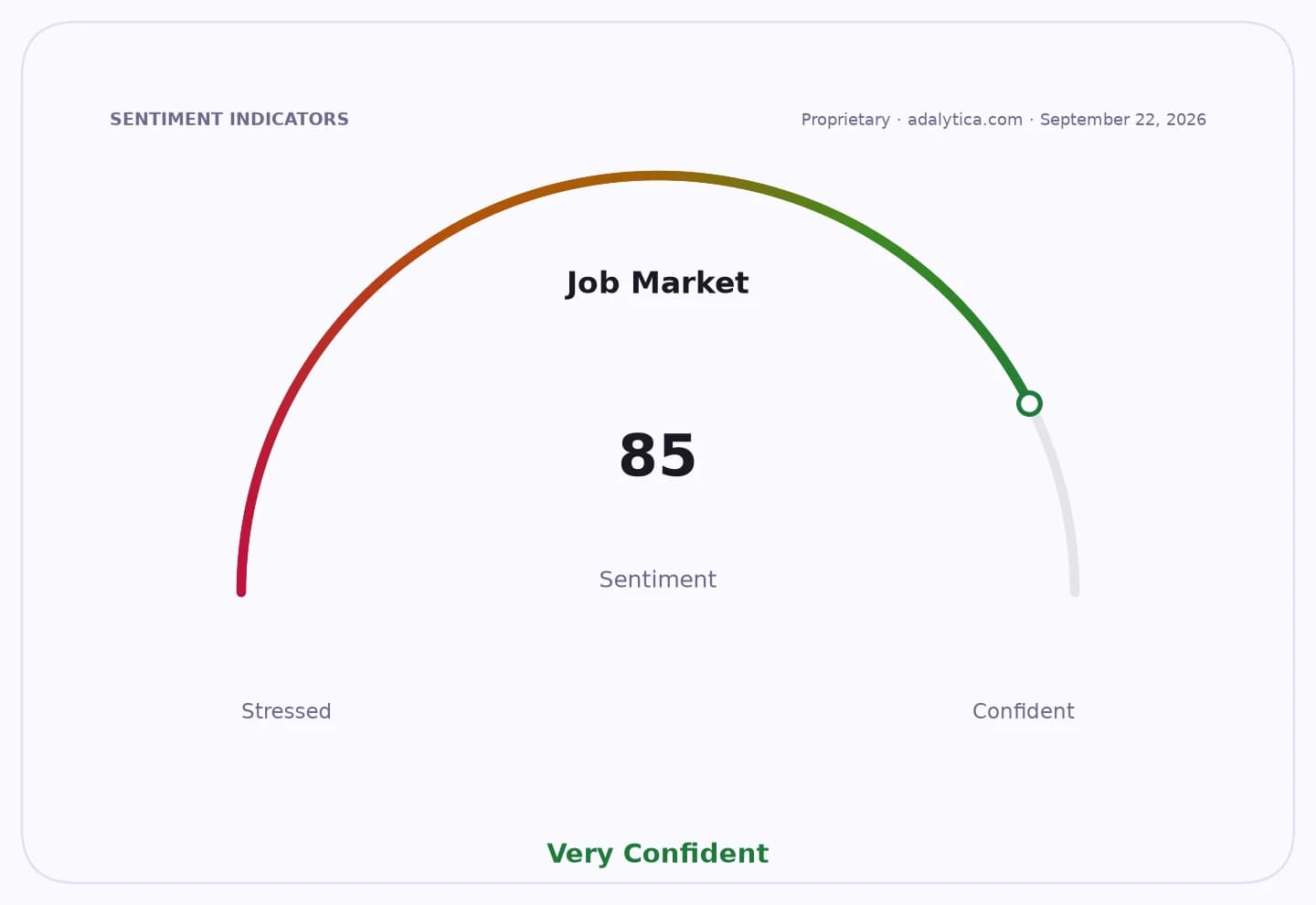
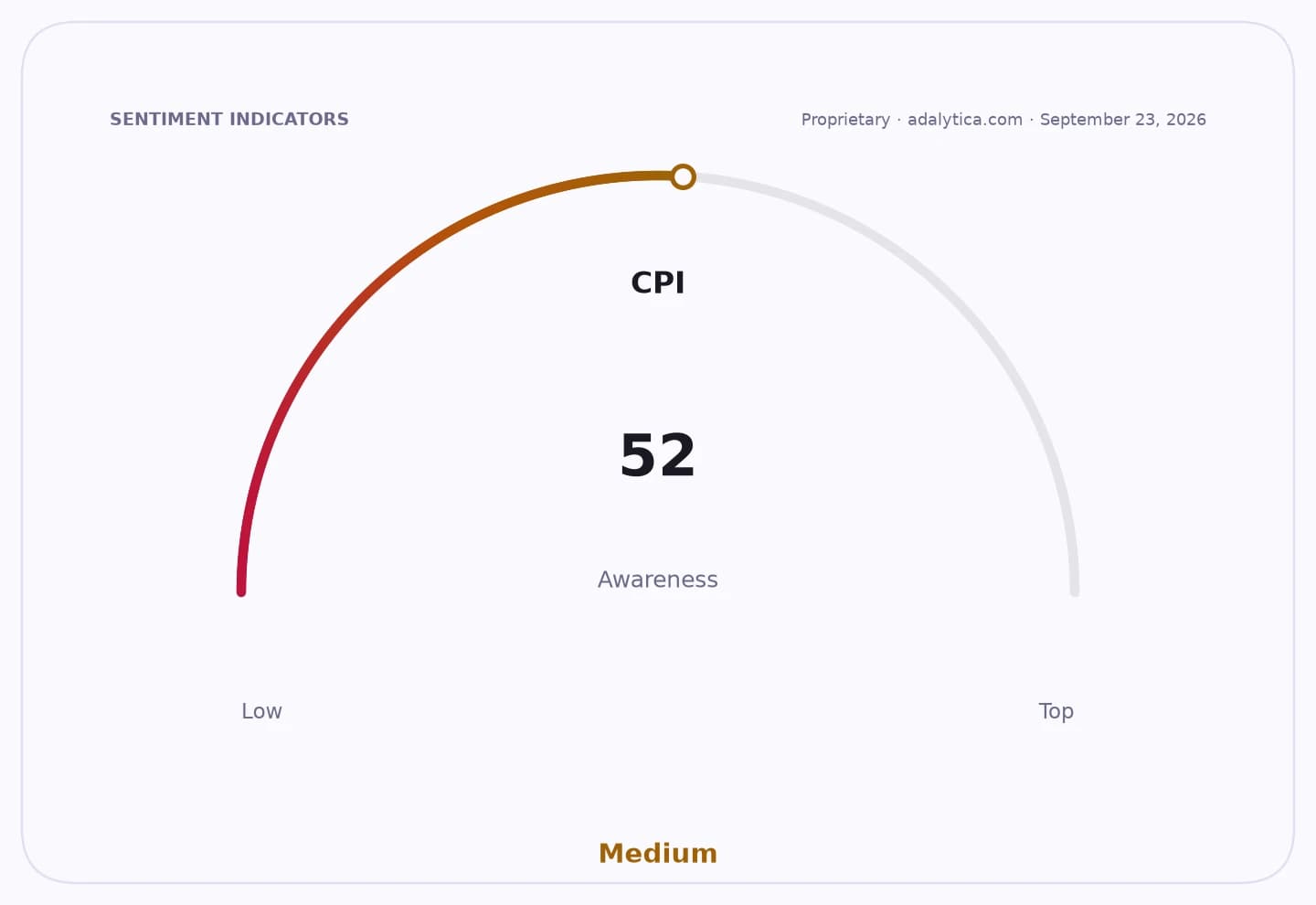
Sentiment IndicatorsⓘProprietary · adalytica.com · September 24, 2026
This is a snapshot — live sentiment, awareness and momentum for 130+ markets update continuously in the dashboard.Open AlphaPulse
George Koukoumas, the chairman of parliament’s labor committee and an AKEL lawmaker, is pressing the government for immediate implementation of EU Directive 2023/970, which strengthens equal-pay rules and forces employers to disclose more information on pay levels. He has asked for a clear timetable after Cyprus missed the June 7, 2026 deadline for transposing the law into national legislation.
For investors and employers, the directive matters because it changes pay from a private HR issue into a compliance and reporting obligation. The framework expands worker access to information, requires objective, gender-neutral criteria for comparing jobs of equal value, and obliges employers to report the gender pay gap, with the first such submission due by June 6, 2027.
The policy push comes against a labor-market backdrop showing women clustered in lower-paid brackets. Some 37.4% of women earn less than €1,500 a month, versus 31.1% of men, while only 3.8% of women are in the €6,000-and-above bracket, compared with 7.2% of men. The gap is even sharper among non-Cypriot workers, where 50.5% of women earn under €1,500 a month, versus 44.5% of men.
Labor Minister Marinos Mousiouttas said the harmonization bill is at an advanced stage and is expected to go to cabinet in September before being submitted to parliament. But the delayed timeline leaves firms, especially larger employers with formal pay bands and reporting systems, facing a tighter window to prepare for disclosure rules and potential pay audits.
The broader economic significance is straightforward: Cyprus is being pushed toward a more transparent wage-setting regime at a time when wage growth is visible but uneven. If the law is implemented as planned, the winners will be workers and regulators with better visibility into pay practices; the losers may be employers that have to justify long-standing pay differentials or correct them under public scrutiny.
| Entity | Gains | Losses |
|---|---|---|
| Women workers | ▲Better pay visibility | ▼Continued wage gap |
| Employers | ▲Clearer compliance rules | ▼Higher reporting burden |
| Government/regulators | ▲Stronger enforcement tools | ▼Risk of delay criticism |
| Male higher earners | ▲Limited direct impact | ▼Pressure to justify pay premiums |