Colombia’s 2027 minimum wage fight now has a calendar, and that matters because the next increase will be negotiated against still-elevated inflation, softer growth and a labor market that is already under strain.
Colombia 2027 minimum wage talks get December deadline
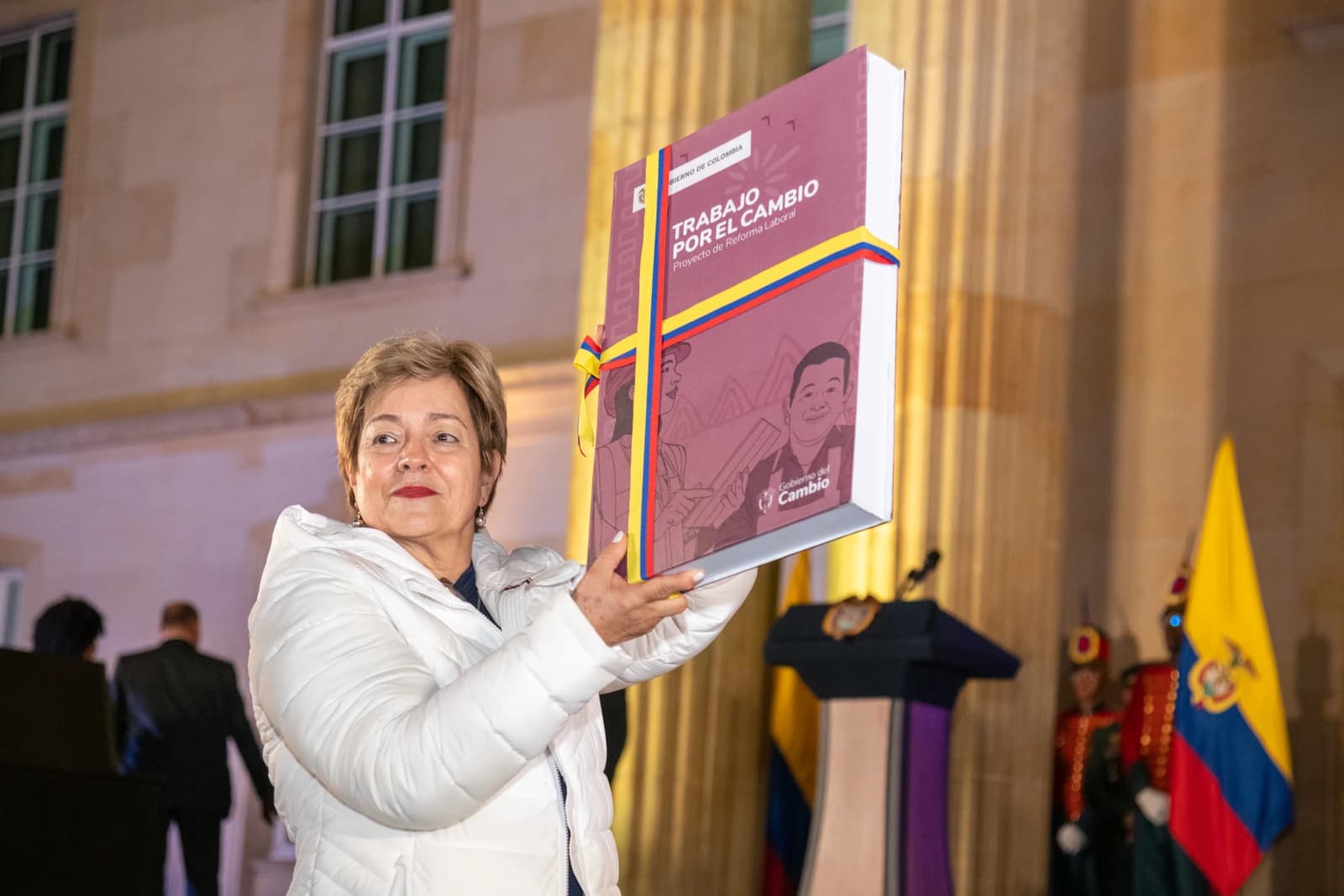
The government, employers and unions agreed to a roadmap that runs through the end of December, with the first technical deadlines arriving in October and the legal cutoff for a deal set for 15 December, according to the labor ministry process laid out this week. If there is no consensus, the government must set the wage by 30 December so the new pay floor can take effect on 1 January 2027.
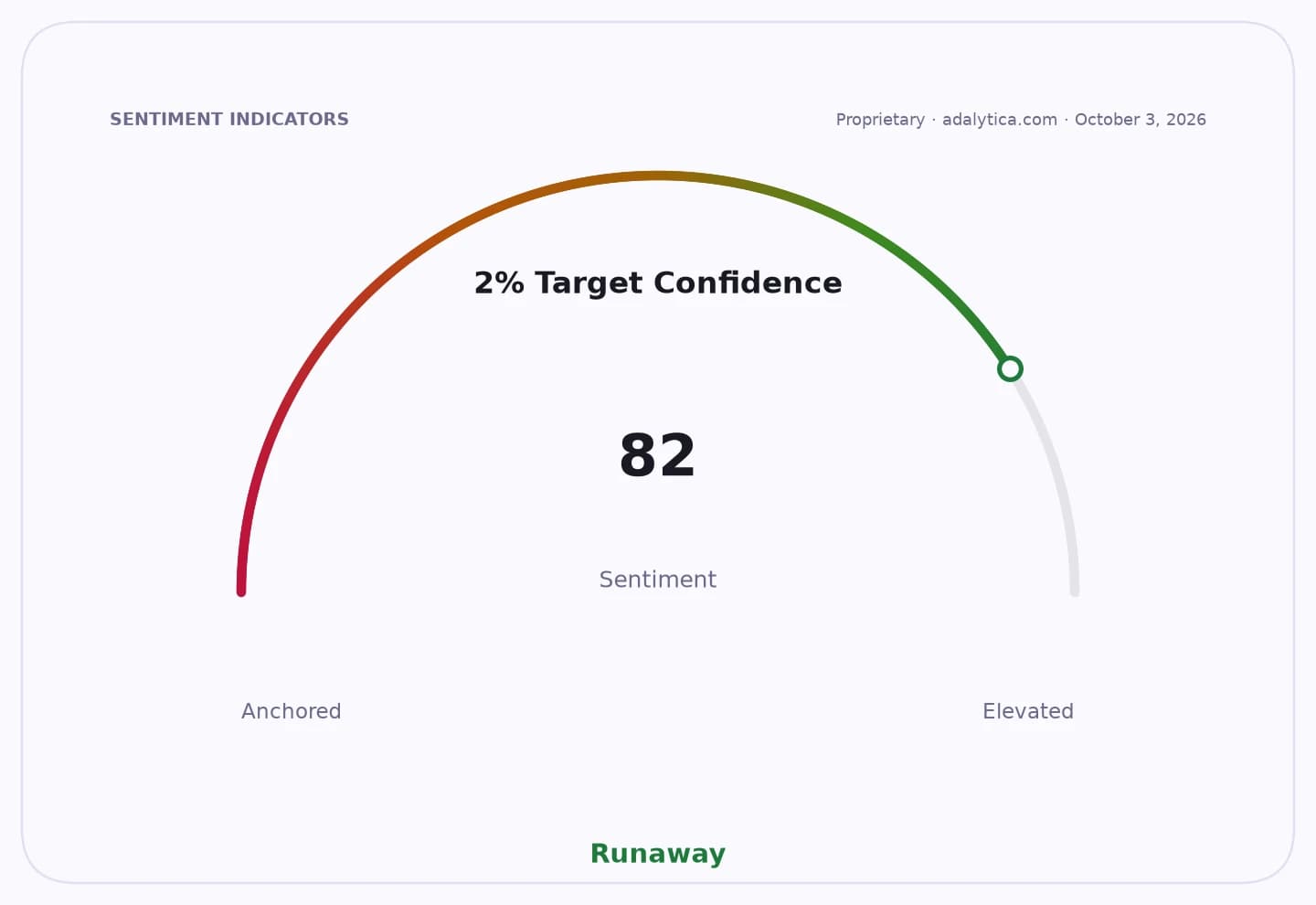
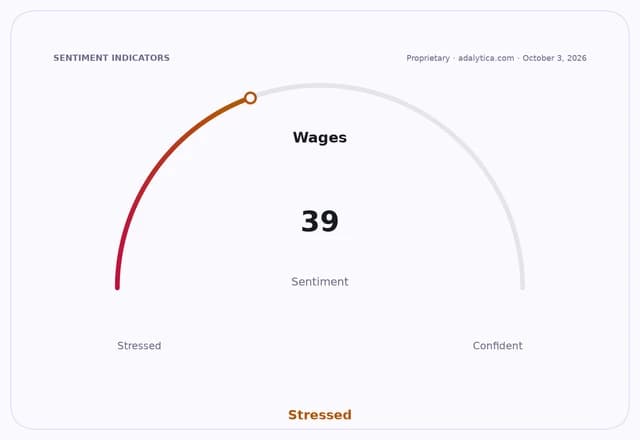
Sentiment IndicatorsⓘProprietary · adalytica.com · October 3, 2026
This is a snapshot — live sentiment, awareness and momentum for 130+ markets update continuously in the dashboard.Open AlphaPulse
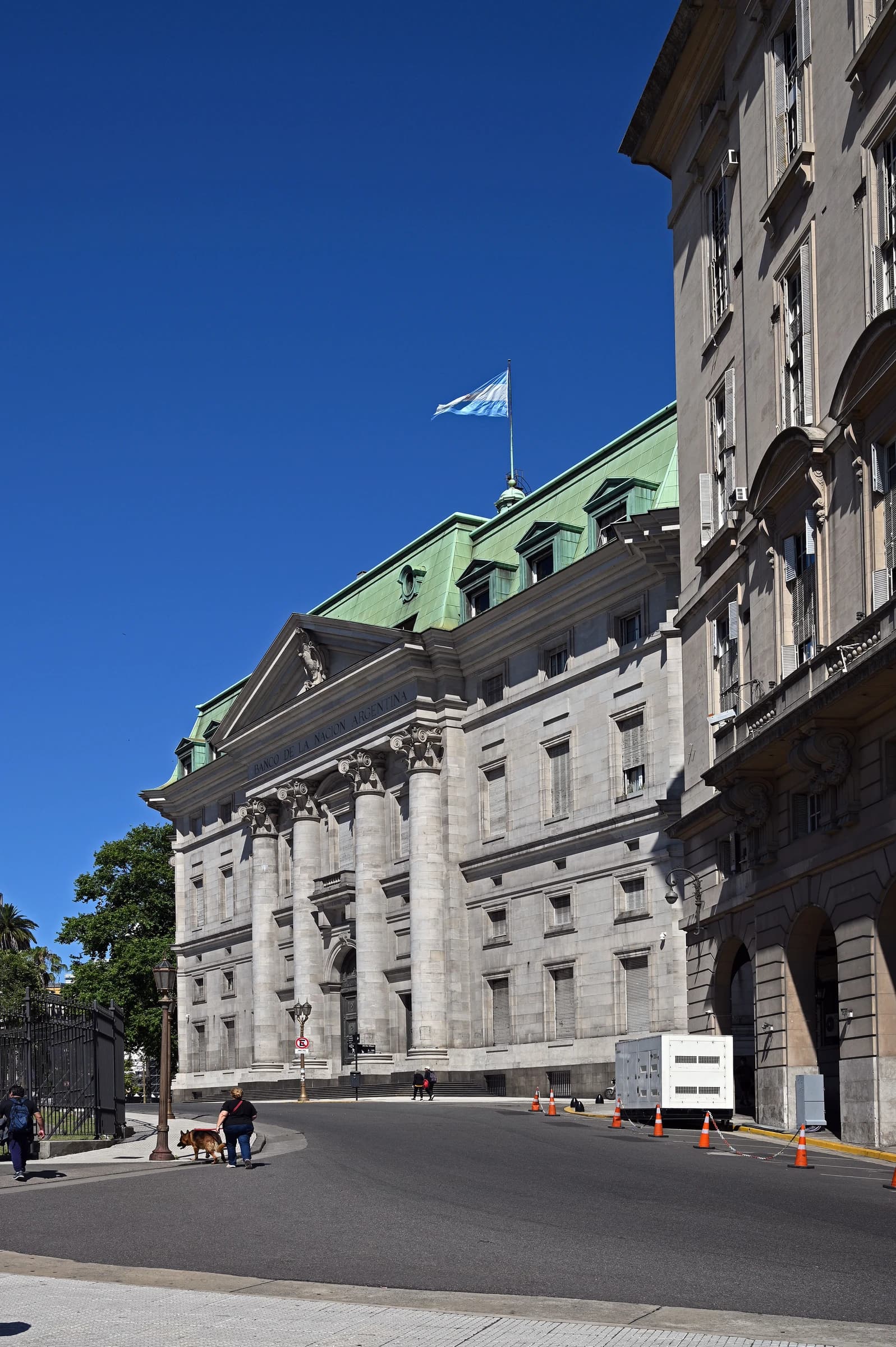
That schedule is more than administrative housekeeping. Colombia’s 2026 minimum wage jumped more than 23%, a sharp increase that the central bank has already linked to higher inflation expectations. In January, the Banco de la República said analysts’ forecasts for year-end inflation rose to 6.4% from 4.6%, while core inflation expectations climbed to 6.7% from 4.6%, underscoring how wage policy can spill into price-setting across the economy.
For investors, the key point is that minimum wage decisions in Colombia are not just a labor issue; they are a macro input. The central bank has flagged labor costs, household spending and food prices as inflation drivers, which means another outsized increase could delay disinflation and keep policy tighter for longer. That is a direct issue for local bonds, rate-sensitive equities and consumer-facing companies that would face higher payroll costs just as household demand weakens.
The negotiation also lands in a fragile employment backdrop. Colombia’s unemployment rate rose to 9.4% in August, the highest in 20 months, adding pressure on policymakers to protect purchasing power without aggravating job losses. That trade-off is exactly why the dates matter: they frame a high-stakes bargaining process in which productivity data on 30 November, the 15 December legal deadline and the 30 December backstop will shape expectations for wages, inflation and rates.
The market is likely to treat each milestone as a new catalyst. A wage settlement closer to productivity and inflation could ease pressure on the central bank and support fixed income. A repeat of last year’s aggressive increase would favor inflation hedges and hurt businesses with heavy labor exposure. Either way, the wage-setting calendar now becomes one of the most important policy stories in Colombia into year-end, and investors should position for volatility well before the final number is announced.
| Entity | Gains | Losses |
|---|---|---|
| Workers | ▲Higher purchasing power | ▼Slower hiring if wage costs spike |
| Employers | ▲Predictable timeline | ▼Higher payroll bills |
| Central bank | ▲Clear policy signal | ▼More inflation pressure if hike is large |
| Consumer stocks | ▲Stable wage outcome | ▼Margin squeeze from big increase |