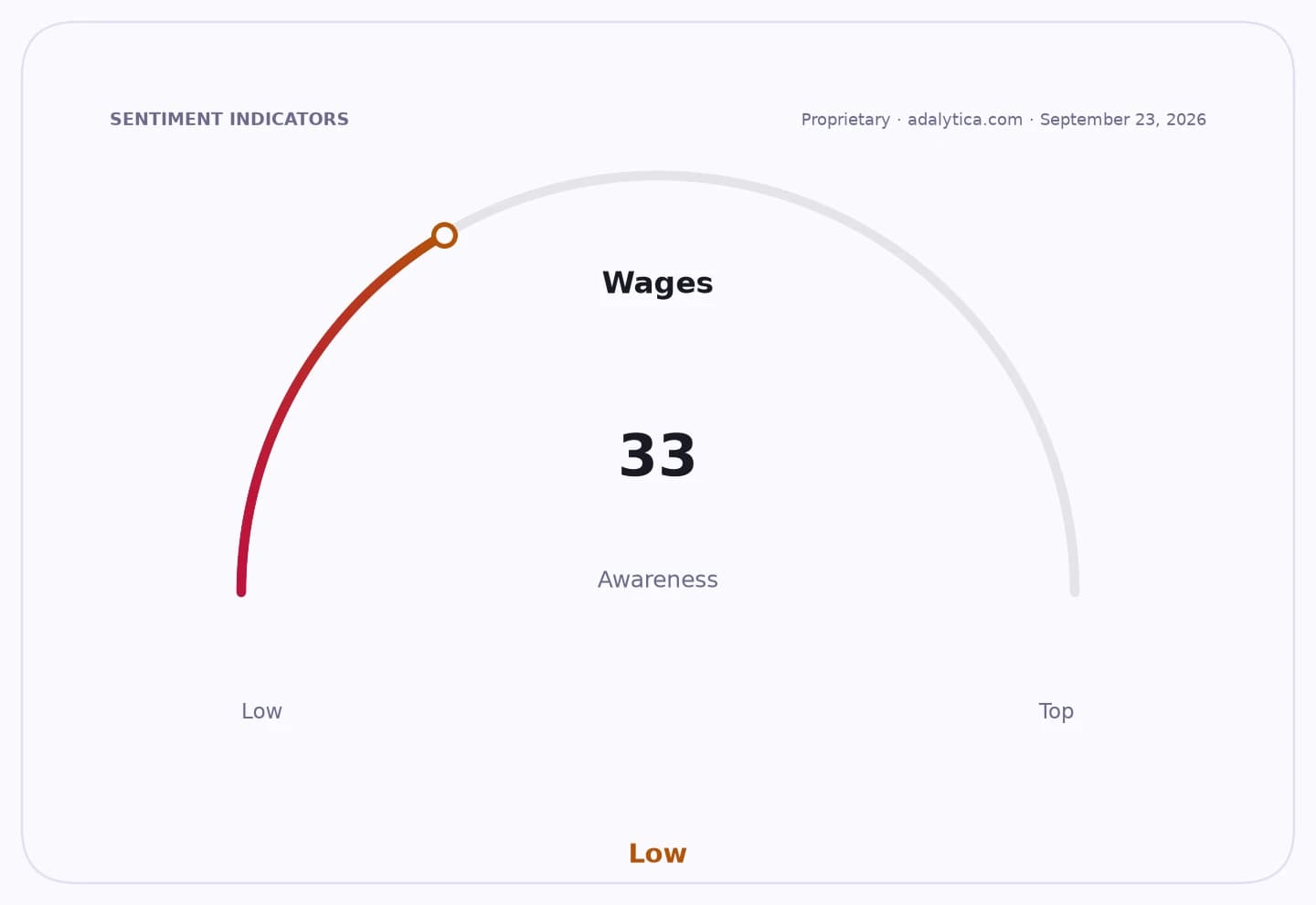
Russia will raise its minimum wage to 28,935 rubles in 2027, a move that supports household incomes but also underscores the government’s commitment to keep lifting labor costs even as it tries to manage inflation and budget pressures.
Russia minimum wage to rise to 28,935 rubles in 2027
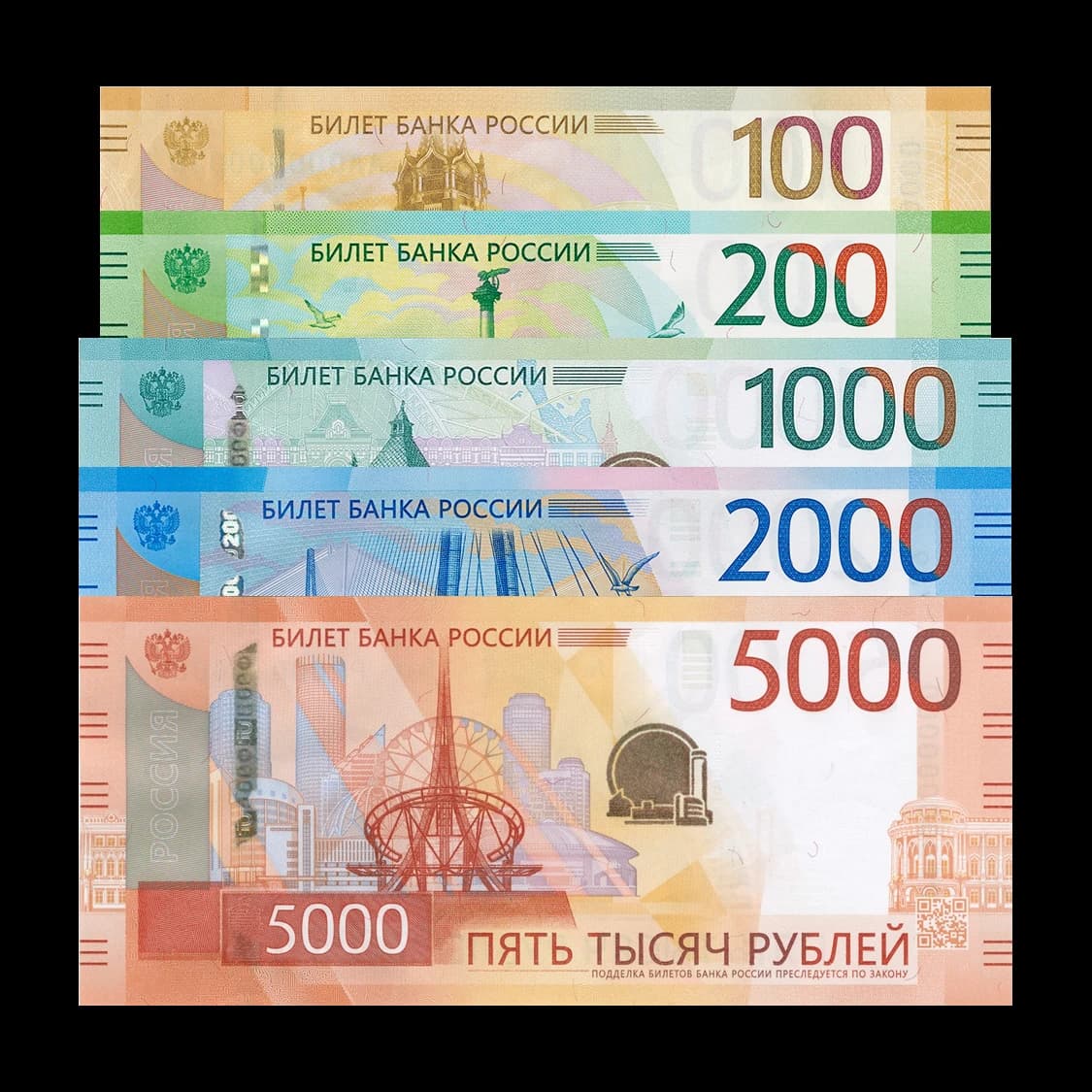
Finance Minister Anton Siluanov said the statutory floor will rise 6.8% from 2026’s 27,093 rubles, with further increases planned to reach 35,000 rubles by 2030. The increase is modest in macro terms, but it matters because the minimum wage has become a policy tool for protecting real wages, shoring up consumer demand and signaling that the Kremlin still sees wage growth as part of its economic management strategy.
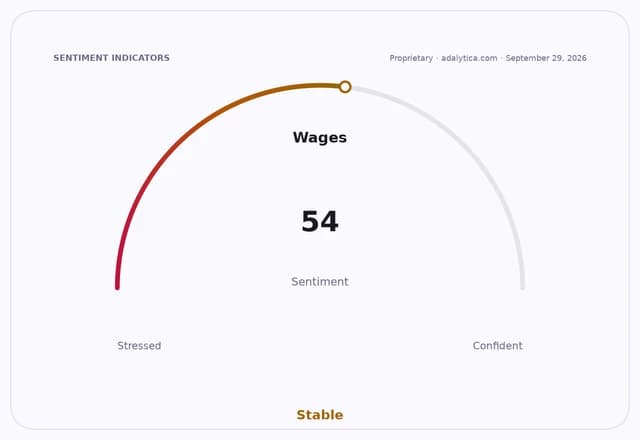
Sentiment IndicatorsⓘProprietary · adalytica.com · September 29, 2026
This is a snapshot — live sentiment, awareness and momentum for 130+ markets update continuously in the dashboard.Open AlphaPulse
For workers at the bottom of the income distribution, the change should help offset some of the erosion in purchasing power caused by persistent price growth. For the broader economy, however, repeated increases in the wage floor can feed through to payrolls for small businesses, regional employers and labor-intensive industries, particularly where margins are already thin. That makes the policy a balancing act: support consumption without adding too much pressure to costs.
The move also fits a wider pattern. Russian authorities have been steadily lifting the minimum wage for years, and officials are presenting the latest increase as part of a longer-term trajectory rather than a one-off political gesture. The government’s goal of 35,000 rubles by 2030 implies continued annual adjustments, which will matter for budget planning, public-sector compensation and private-sector wage negotiations.
Investor implications are more indirect but still important. Higher wage floors can support consumer spending in lower-income segments, which is positive for domestic retailers and staples companies. At the same time, they can squeeze profitability in labor-intensive sectors and complicate efforts to contain inflation, especially if wage growth runs ahead of productivity. The signal from Moscow is clear: it is willing to prioritize social stability and incomes, even if that leaves fewer degrees of freedom elsewhere in economic policy.
The next market question is not whether the floor rises again, but how much the government is prepared to absorb through productivity gains, tax receipts and spending restraint. If wages keep climbing without a matching improvement in output, the trade-off for the Russian economy will become harder to ignore.
| Entity | Gains | Losses |
|---|---|---|
| Low-wage workers | ▲Higher take-home pay | ▼None immediately |
| Domestic consumers | ▲Better purchasing power | ▼Inflation if costs rise |
| Small employers | ▲Predictable policy path | ▼Higher payroll costs |
| Government | ▲Social stability | ▼More budget pressure |