Workers are getting a higher minimum wage, but the real story is that inflation is still outrunning pay and keeping households under pressure even after repeated policy relief measures.
Peru raises minimum wage as inflation stays high
Peru will raise the minimum monthly wage to S/1,230 from Oct. 1, with a path to S/1,300 in two stages, a move meant to shore up purchasing power in an economy where the cost of living remains stubbornly elevated. The problem for workers and policymakers alike is that the wage hike lands against a backdrop of prices that have already chewed through incomes, especially for food and other essentials.
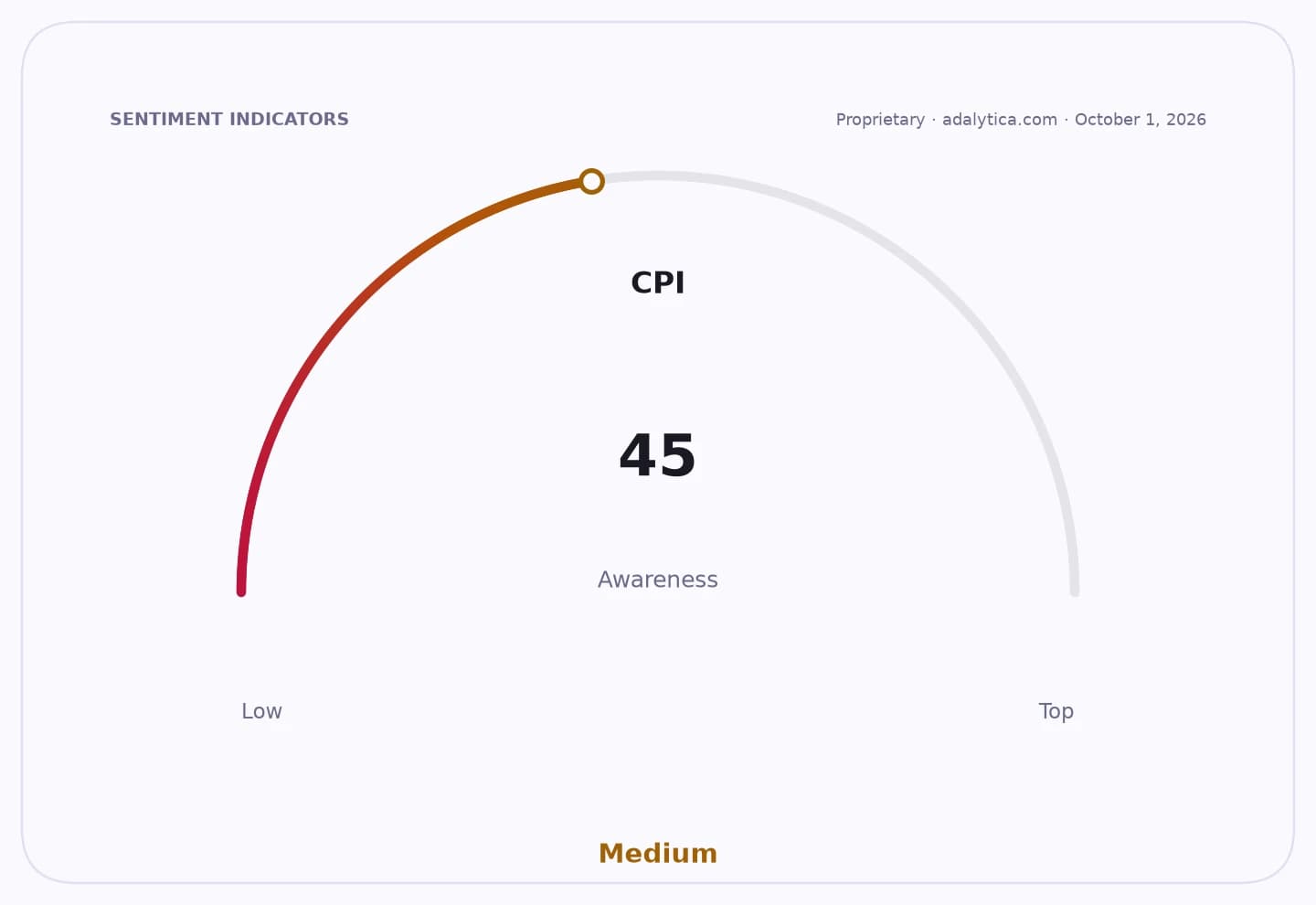
Sentiment IndicatorsⓘProprietary · adalytica.com · October 1, 2026
This is a snapshot — live sentiment, awareness and momentum for 130+ markets update continuously in the dashboard.Open AlphaPulse
That is why the economics matter more than the optics. Official CPI data in the context show annual inflation holding in a hot 25% to 26.2% range, while food and beverages have risen at a sector pace above 32% and core household costs have climbed even faster in some categories. In that setting, a modest wage increase can slow the erosion of living standards, but it does not restore them. For many families, it simply reduces how quickly the salary train gets run over.
The political appeal is obvious. Raising the minimum wage is one of the few tools available that can be announced quickly and sold as direct relief. But officials have also warned against indexing wages mechanically to inflation, a signal they know the danger: once wages, prices and budgets start chasing each other higher, the adjustment can become self-feeding. That is the economic trap investors should watch.
The market implications extend well beyond payrolls. Micro, small and medium-sized enterprises are the most exposed to a higher wage floor because they have the least pricing power and the thinnest margins. Business groups have already warned that a steeper increase could strain them further, which means the burden of adjustment falls on labor-intensive retailers, food sellers, transport operators and service businesses. If firms cannot pass through the extra cost, margins compress; if they do, inflation stays sticky.
For investors, that creates a clear split. Consumer staples and discount retailers often gain relative resilience because households trade down when real incomes are squeezed. Premium discretionary names, by contrast, face a weaker demand backdrop as middle- and lower-income consumers protect cash flow. That is visible in market behavior too: the consumer-discretionary ETF XLY has underperformed the staples ETF XLP, with XLY near 108.81 while XLP sits around 80.31, and XLY’s technical picture remains weaker, with its 50-day moving average above the current price and RSI readings near 30.8. Staples have held up better, a classic sign that investors are positioning for defensive spending patterns rather than a clean consumer recovery.
Adalytica’s CPI sentiment snapshot also shows extreme greed around inflation data, underscoring how closely markets are watching any sign that price pressure is easing or re-accelerating. But the more important takeaway is that a headline wage increase does not end the inflation story if the cost base keeps rising faster than pay.
The investable thesis is straightforward: in an inflationary economy where wage relief lags price pressure, the winners are the companies that sell necessities, own pricing power or serve value-conscious consumers. The losers are the labor-heavy businesses with limited ability to reprice quickly. Until inflation convincingly cools, wage hikes are not a cure — they are a partial shield, and investors should treat them that way.
| Entity | Gains | Losses |
|---|---|---|
| XLP / staples retailers | ▲Defensive demand | ▼Limited growth upside |
| XLY / discretionary retailers | ▲Short-covering rallies | ▼Weak consumer spending |
| MSMEs | ▲Temporary wage relief | ▼Margin pressure |
| Workers / households | ▲Higher nominal pay | ▼Real income erosion |