Vietnam’s plan to raise the minimum wage by 7.8% from Jan. 1, 2027 is set to lift labor costs across factories, services and local administrations just as policymakers are trying to preserve growth without reigniting inflation.
Vietnam minimum wage plan to rise 7.8% in 2027
The proposal, backed by the Ministry of Home Affairs, would take the highest regional minimum wage in Region I to 5.7 million dong a month and comes as seven provinces and cities seek changes to the areas covered by the wage framework. The debate matters because minimum wage decisions in Vietnam feed directly into household income, consumer demand and employer cost structures, especially in export-oriented industries that compete on price.
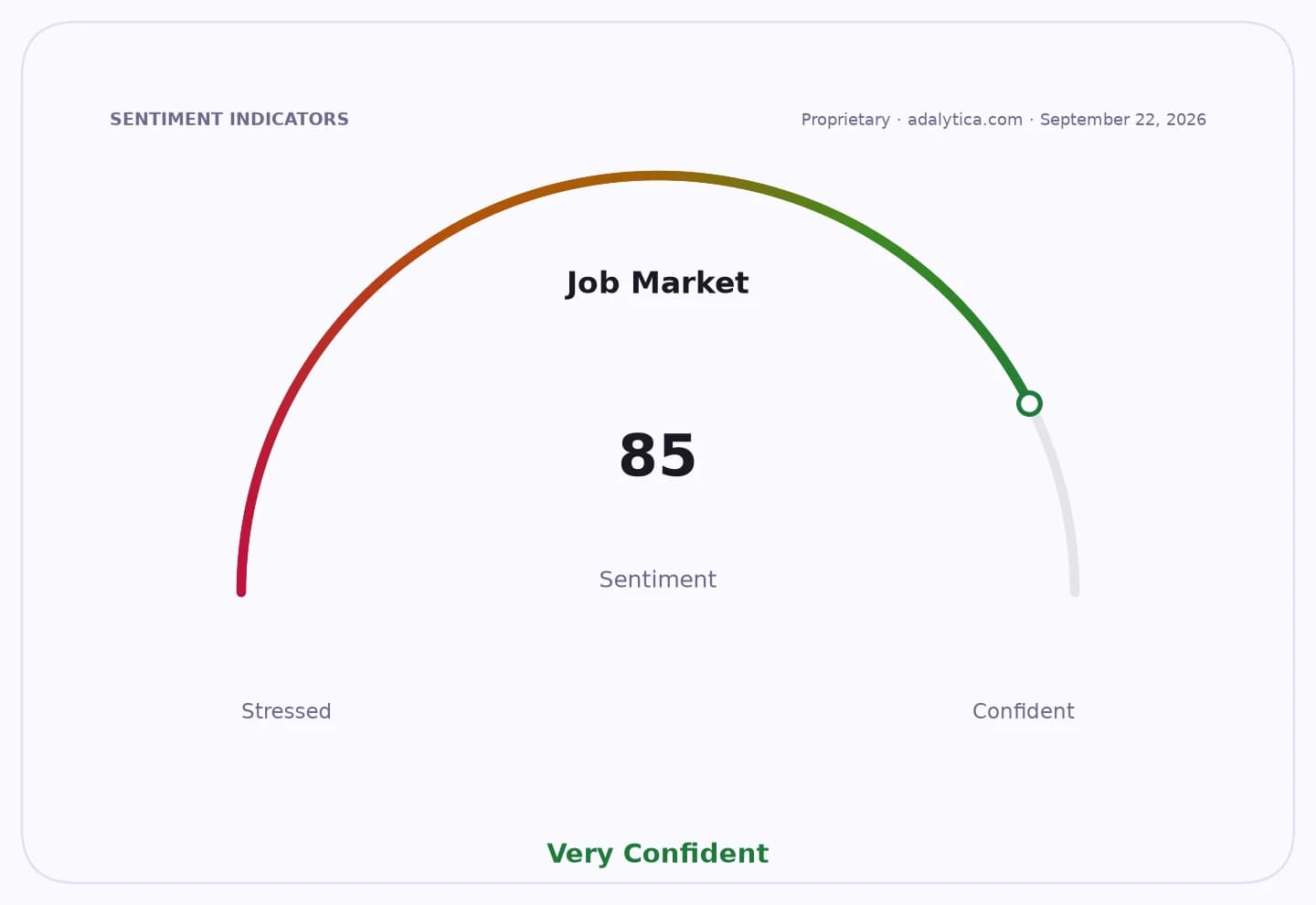
Sentiment IndicatorsⓘProprietary · adalytica.com · September 28, 2026
This is a snapshot — live sentiment, awareness and momentum for 130+ markets update continuously in the dashboard.Open AlphaPulse
For workers, the move is a clear gain after a period of still-modest wage growth. For companies, it is another input-cost increase that may be harder to absorb if productivity does not improve at the same pace. That is why the increase lands at a sensitive moment: average salary growth in 2027 is expected to run at just 2% to 2.5%, implying many firms are likely to keep using targeted pay raises and recruitment premiums rather than broad-based compensation jumps.
Economically, the government is walking a narrow line. A stronger wage floor can support consumption and help narrow regional disparities, which is politically important as authorities try to improve living standards. But it also risks adding to wage pressure in labor-intensive sectors, where margins are thinner and price competition is intense. Vietnam’s recent inflation backdrop has been comparatively contained, but wage policy is one of the channels that can change that picture if labor costs begin to cascade through supply chains.
Investors will read the proposal through the lens of earnings resilience. Manufacturers, apparel groups, logistics firms and domestic consumer names are most exposed if the higher floor forces broader pay adjustments. Exporters may face the toughest choices: accept lower margins, lift prices, or push harder on automation and efficiency. On the other side, retail, food and basic consumer companies could benefit if workers see more cash income and spending power.
Market reaction has been muted so far, but the policy direction is clear. A higher wage floor supports domestic demand and helps the labor market retain workers, yet it also raises the bar for productivity-led growth. The key question for 2027 is not whether wages rise, but whether firms can offset the increase through higher output per worker and a better mix of skilled labor.
| Entity | Gains | Losses |
|---|---|---|
| Workers | ▲Higher take-home pay | ▼None |
| Consumer-facing firms | ▲Stronger household spending | ▼Higher input costs |
| Export manufacturers | ▲Wage certainty if productivity improves | ▼Margin pressure |
| Government | ▲Social stability, demand support | ▼Inflation-risk scrutiny |