Bulgaria’s parliament has approved a new mechanism for setting the minimum wage, a move that could reshape pay growth for hundreds of thousands of workers and set a clearer rulebook for businesses after months of political wrangling.
Bulgaria parliament approves new minimum wage rule
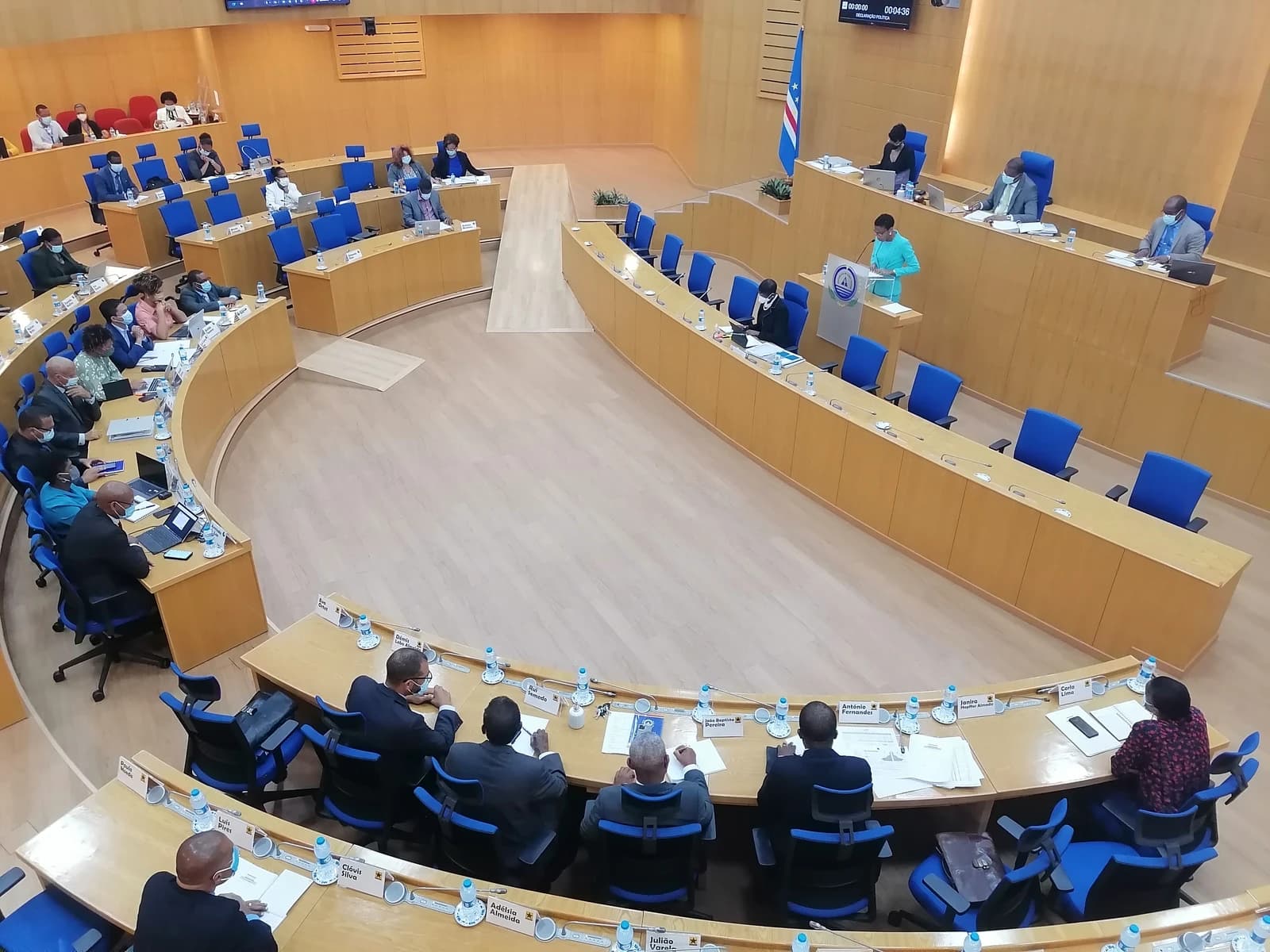
The vote matters because minimum-wage policy is not just a labor issue; it feeds directly into household spending, wage expectations and the cost base for employers in a country where living standards and labor shortages remain central economic pressures. Lawmakers backed the changes on second reading, with 123 votes in favor, 48 against and 12 abstentions, giving the government a framework it says is meant to be more predictable and tied to broader economic conditions.
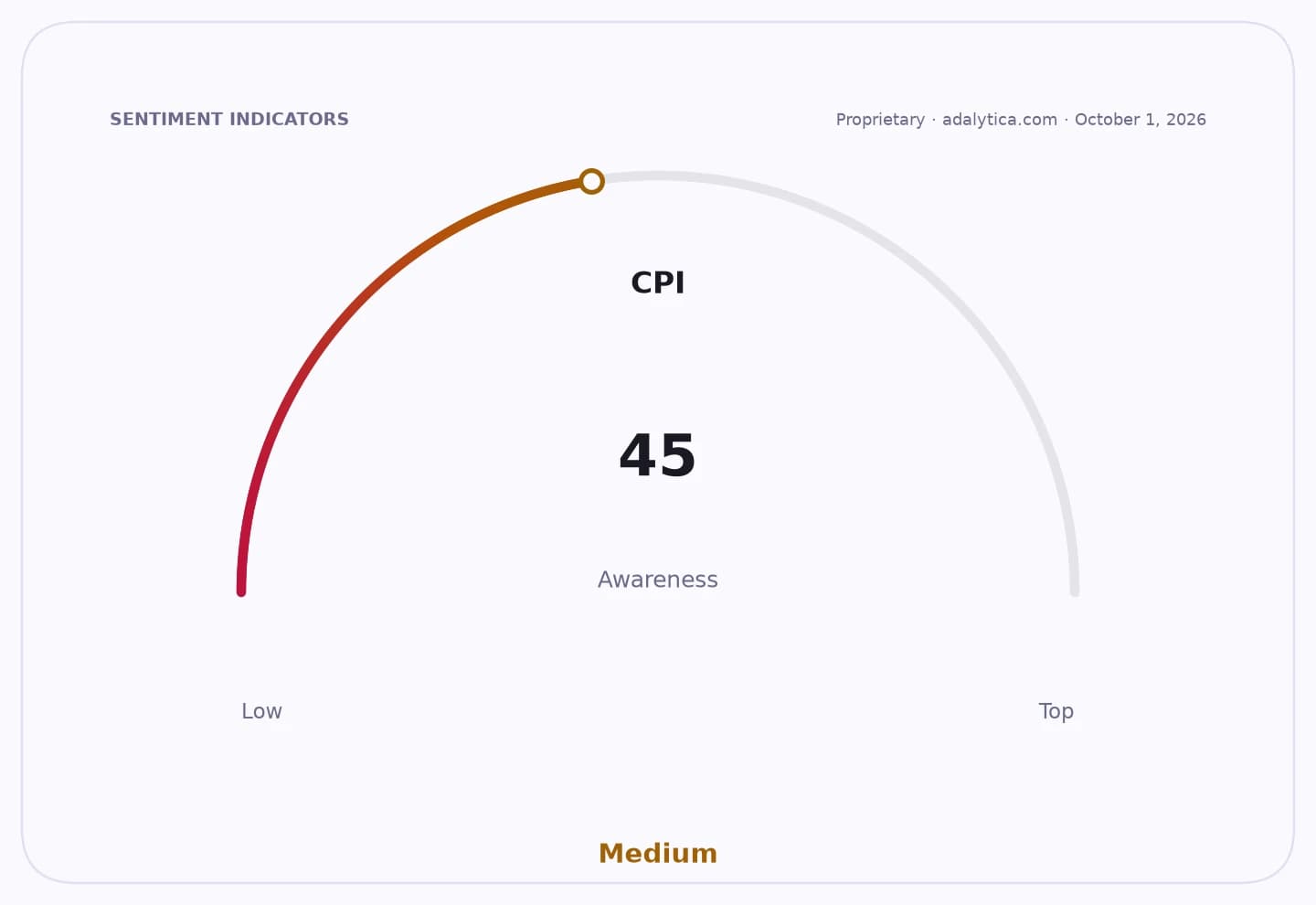
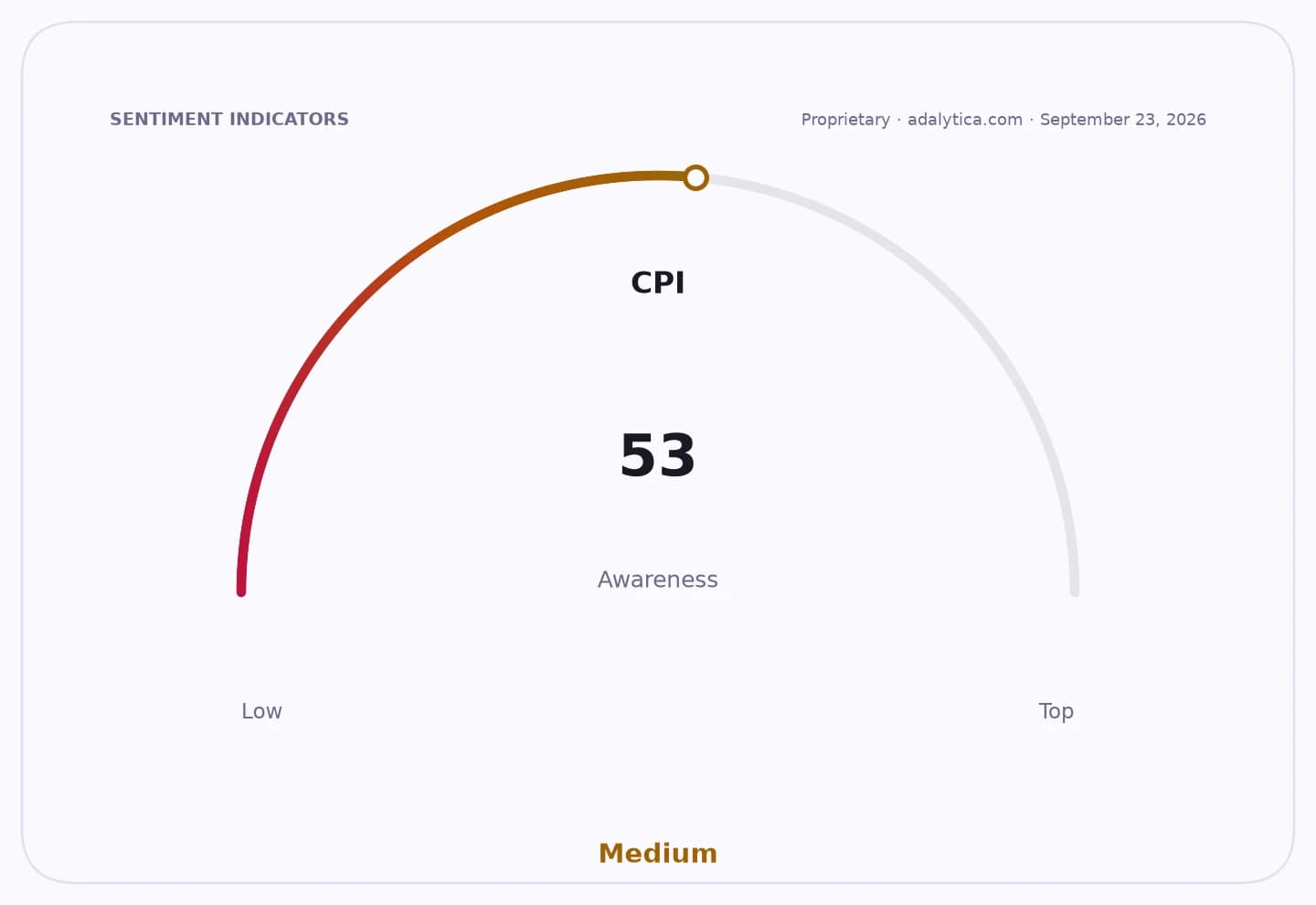
Sentiment IndicatorsⓘProprietary · adalytica.com · October 1, 2026
This is a snapshot — live sentiment, awareness and momentum for 130+ markets update continuously in the dashboard.Open AlphaPulse
Under the new law, the minimum wage will be set using four criteria: purchasing power, overall wage levels and their distribution, wage growth, and long-term labor productivity. The government is also required to determine next year’s minimum wage by Aug. 15 of the current year, while the exact formula and indicators will be set out later in a cabinet regulation. That leaves the broad principles in law, but the detailed mechanics still to come.
For investors, the change matters because wage-setting rules can influence inflation dynamics, consumer demand and corporate margins. A more structured formula may reduce political uncertainty, but it does not remove the risk that pay floors continue to rise faster than productivity in parts of the economy. That is especially important for labor-intensive sectors such as retail, hospitality, light manufacturing and services, where even modest wage increases can quickly flow through to pricing or hiring decisions.
The new mechanism also keeps the minimum wage closely linked to social and political debates. Parliament rejected proposals to assess adequacy every two years instead of three, and it turned down an opposition-backed proposal to anchor the minimum wage at 50% of average gross pay from 2027. Lawmakers likewise rejected a bid to delay the new rules until Jan. 1, 2027, meaning the framework is now moving ahead sooner than some opponents wanted.
Supporters say the reform is about fairness and clarity. Critics, however, argued during the debate that parliament was being asked to approve a formula without the full implementing rules in hand, pointing to the fact that the detailed methodology will only arrive later in secondary legislation. That gap is exactly where the market interest lies: the law establishes the direction of travel, but the final pay outcome will depend on how the cabinet translates “living costs” and productivity into a concrete number.
That makes the next few months important for both workers and employers. The statistics office will have nine months to set the method for publishing living-cost data, and the government must still finalize the technical rules. In the meantime, the new framework points to a wage-setting process that is more formalized and, potentially, more defensible than one driven by ad hoc political bargaining.
For long-term investors, the takeaway is straightforward: Bulgaria is moving toward a more rules-based minimum wage system, but the economic test will be whether higher pay supports consumption without squeezing employment or margins too hard. That balance will determine whether the reform becomes a stabilizing force or just another cost pressure for the country’s businesses. Worth watching.
| Entity | Gains | Losses |
|---|---|---|
| Minimum-wage workers | ▲Higher pay visibility | ▼Risk of slower implementation |
| Government | ▲Clearer wage-setting rules | ▼Pressure to defend the formula |
| Labor-intensive businesses | ▲Predictability | ▼Higher labor costs |
| Consumers | ▲Stronger spending power | ▼Possible price pass-through |