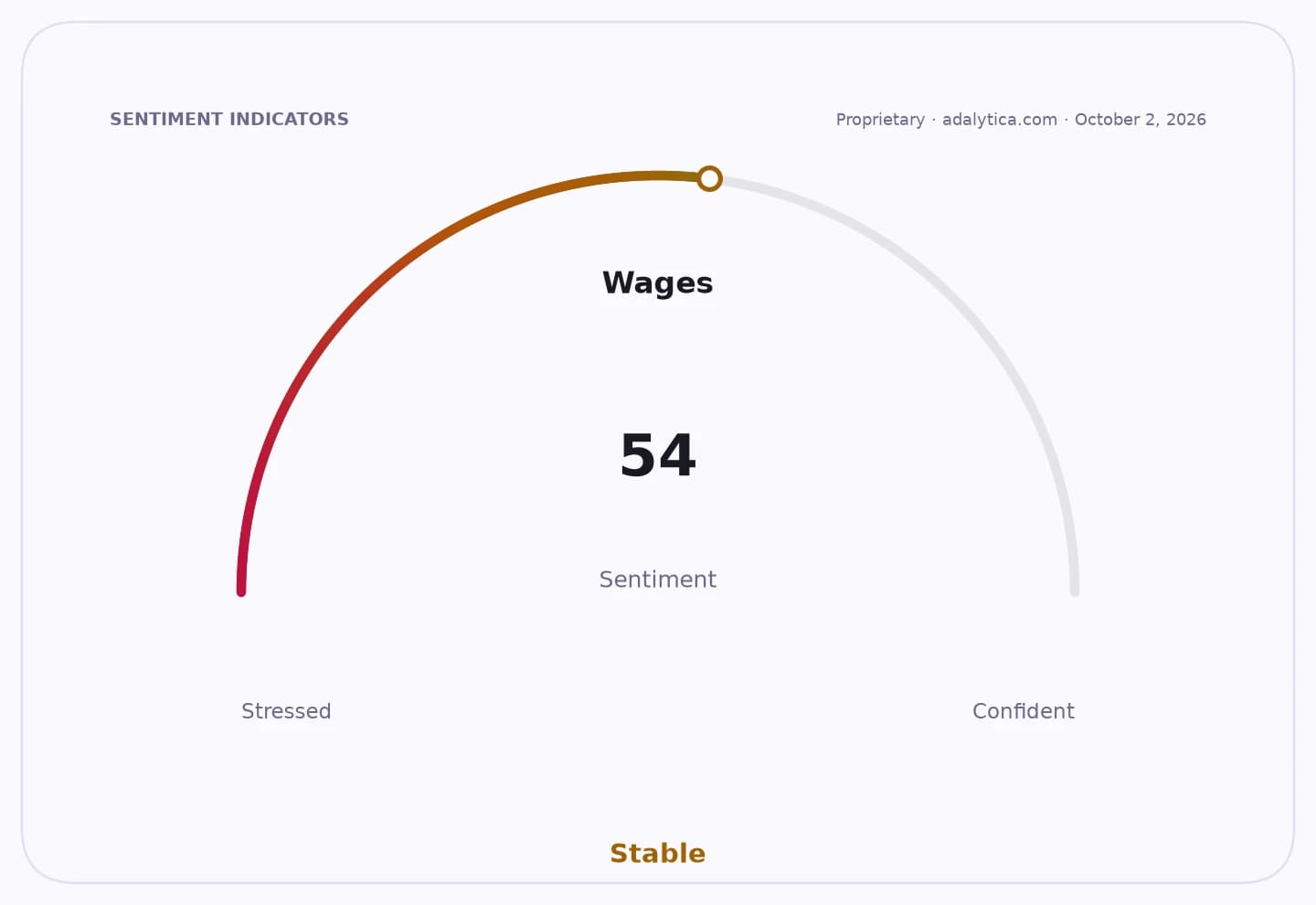
France has extended the 18th amendment to the book publishing collective agreement to all employers and workers in the sector, forcing the industry’s pay grid to catch up with this year’s two minimum-wage increases and lifting the floor for one of the country’s most exposed cultural businesses.
France Extends Publishing Wage Grid Nationwide
The September 7 decree makes the revised salary scale mandatory across the scope of the national publishing agreement dated Jan. 14, 2000, according to the Ministry of Labor. The move matters because it turns what would otherwise have been a negotiated industry update into a sector-wide wage obligation, affecting publishers of every size and tightening labor costs at a time when margins in publishing remain under pressure.
The adjustment was needed after earlier pay levels were overtaken almost immediately by the legal minimum wage. In January, the monthly gross SMIC rose to 1,823.03 euros, leaving the E5 and E6 publishing classifications at 1,802 euros and 1,817 euros below the statutory floor. A second increase on June 1 pushed the minimum wage for a full-time worker to 1,867.02 euros, or 43.99 euros more per month, prompting unions and employers to reopen the grid rather than let the published scale become obsolete again within months.
The revised accord, signed by the Syndicat national de l’édition, the CFE-CGC publishing and bookselling union, and the CFDT’s communication and book-sector federations, also updates seniority-based minimums as well as monthly and annual wage thresholds. It applies regardless of company size and covers full-time work based on a 35-hour week, making it particularly relevant for smaller houses that have less room to absorb payroll inflation.
For investors and owners, the headline issue is not just wages but operating leverage. Publishing is a labor-intensive business with limited pricing power, so even modest statutory wage increases can squeeze staffing costs, distribution budgets and editorial payrolls before they can be passed through to readers or retailers. The decree also underscores how French cultural industries remain closely tethered to national labor regulation, limiting flexibility but reducing the risk of wage drift between large groups and smaller independents.
The change comes as the French book market continues to navigate structural pressure from weak consumer spending, digital competition and higher costs across the supply chain. The new pay floor may be manageable for the largest groups, but it narrows room for smaller publishers already balancing paper, freight and distribution expenses.
Further wage negotiations will now hinge on whether another round of minimum-wage increases forces yet another revision before year-end.
| Entity | Gains | Losses |
|---|---|---|
| Publishing workers | ▲Higher legal wage floor | ▼Fewer low-pay exceptions |
| Large publishers | ▲Uniform industry rules | ▼Higher payroll costs |
| Small publishers | ▲Clearer minimums | ▼Squeezed margins |
| Unions | ▲Contract gains enforced | ▼Less room for delay |