Russia’s parliament is moving to block repeated indexation of utility bills within a single year, a politically charged step that would limit how far households’ monthly costs can climb and could also squeeze the revenue stream that funds repairs and upgrades across the country’s aging housing and коммуналка network.
Russia Parliament Moves to Limit Utility Bill Hikes
That matters because utilities are not just a line item on a family budget in Russia — they are part of the broader inflation story. When tariffs rise faster than official inflation, the effect ripples through consumer spending, household savings and ultimately the government’s own effort to keep price growth under control. The proposal from Sergei Mironov’s “A Just Russia” faction would require tariff increases to happen only once a year and, in effect, tie them to the official inflation rate.
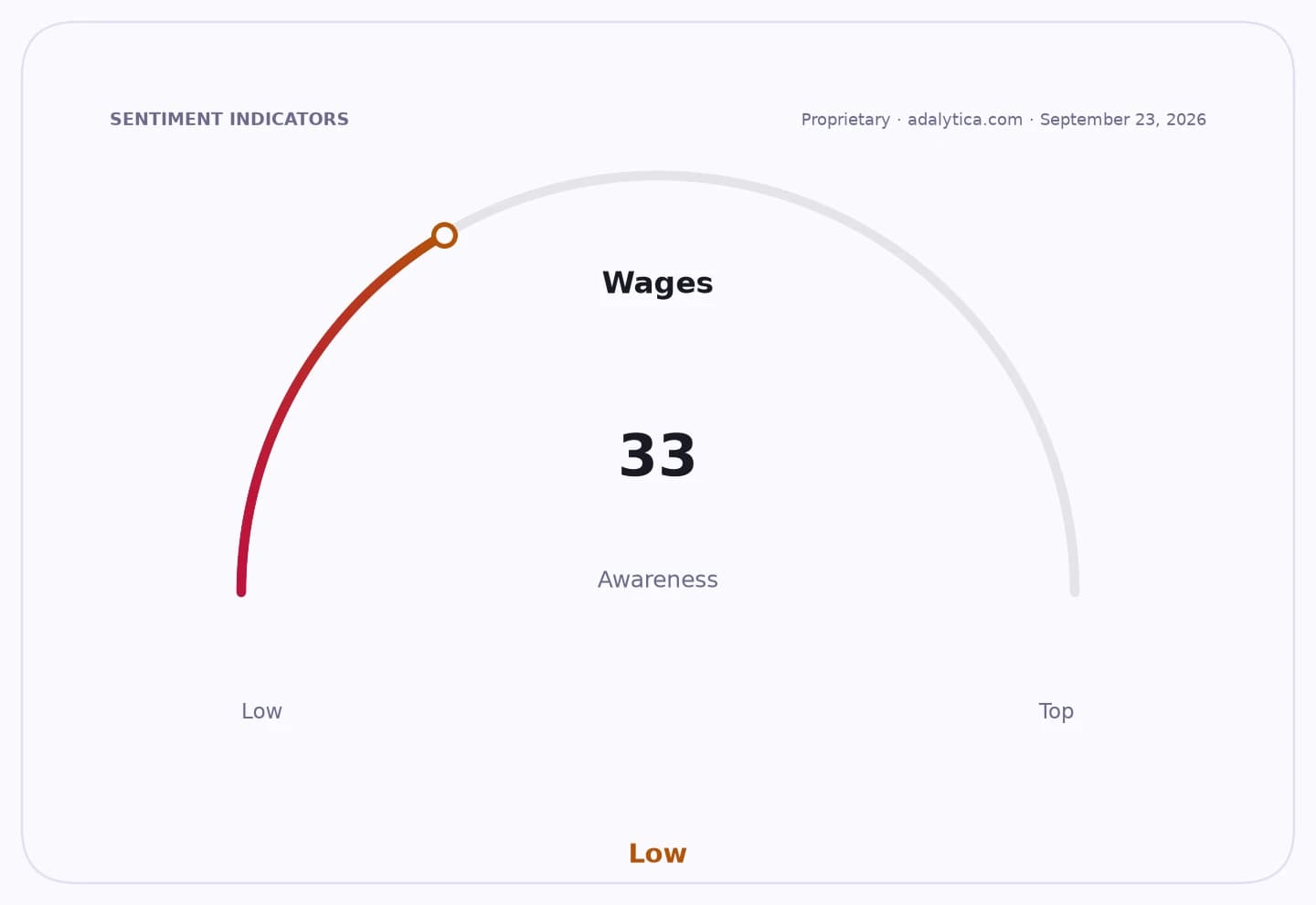
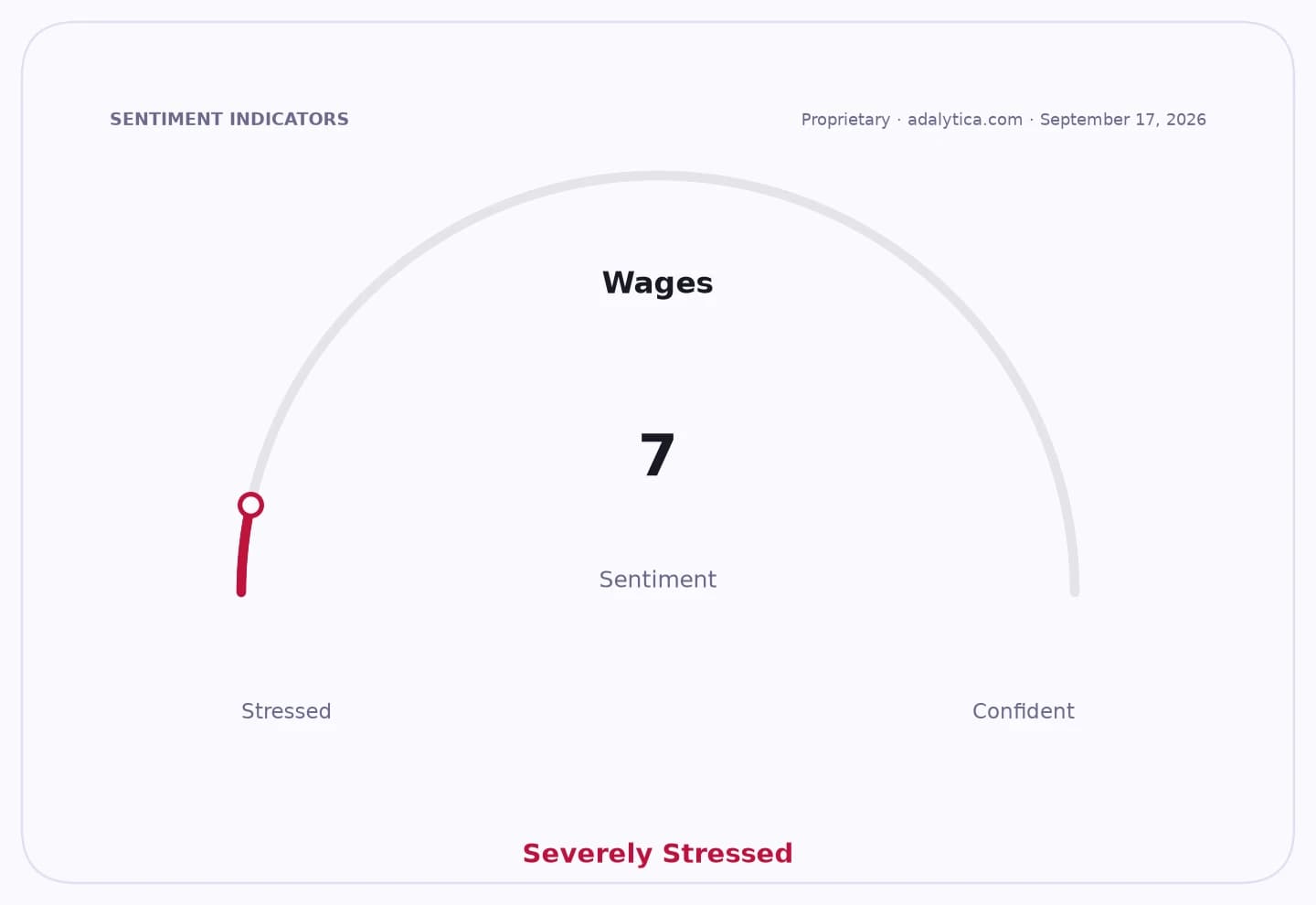
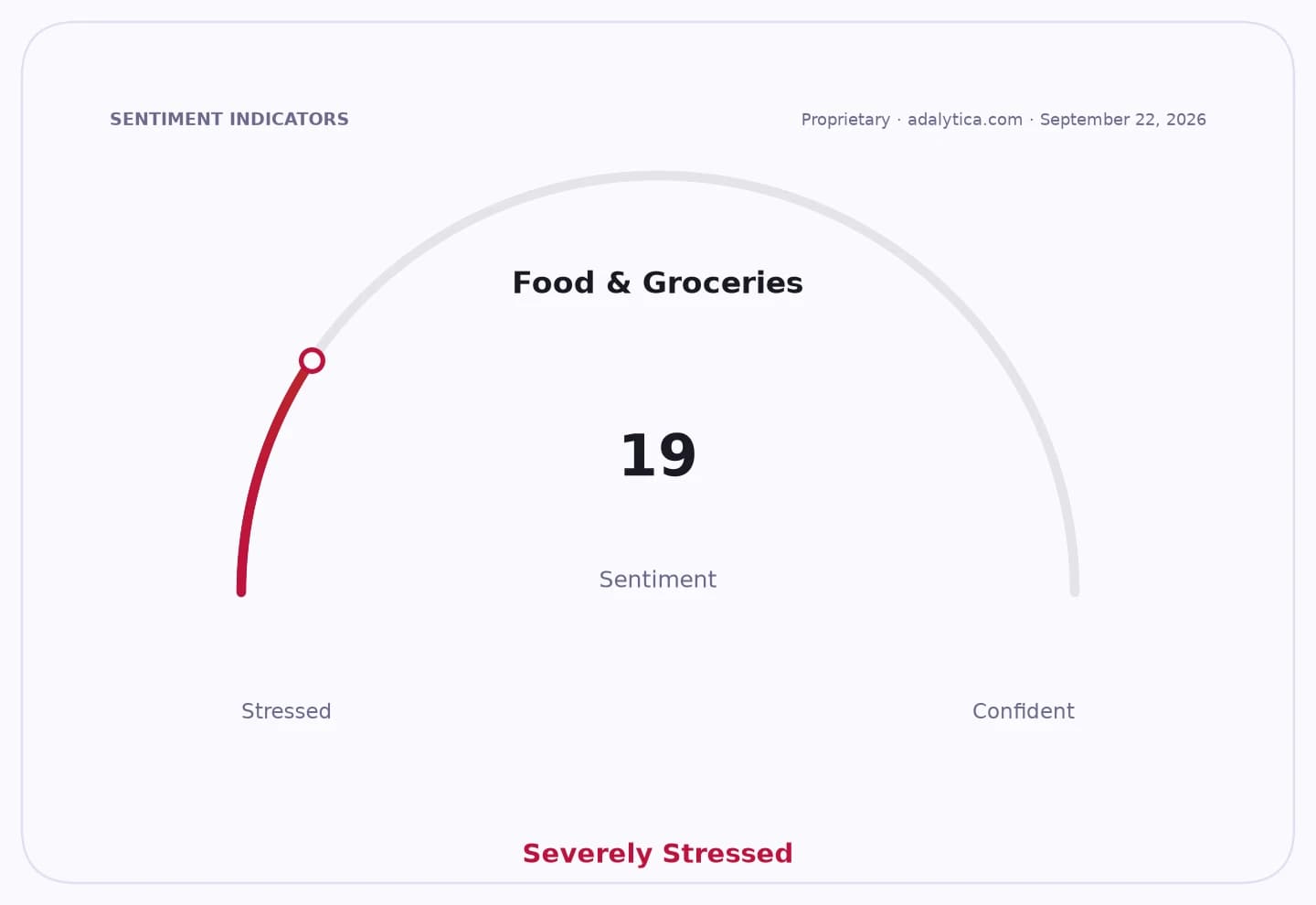
Sentiment IndicatorsⓘProprietary · adalytica.com · September 8, 2026
This is a snapshot — live sentiment, awareness and momentum for 130+ markets update continuously in the dashboard.Open AlphaPulse
The argument is easy to understand for voters: the Duma says some regions are pushing through extra increases on top of the January indexation, with bills in some areas reportedly jumping 17% or more. For households already under strain, another round of higher коммуналка payments can be more than an inconvenience; it can be a direct hit to disposable income. For policymakers, though, the issue is more complicated. Regional and municipal authorities often defend tariff hikes as necessary to finance network maintenance and modernization, which means a tighter cap could leave less room to invest in electricity, heating and water infrastructure.
For investors, the story is less about a single bill and more about the trade-off between affordability and profitability in regulated services. If Moscow starts tightening the rules on tariff increases, the burden could shift back onto utilities, local budgets or the federal government. That may be positive for consumers and inflation-sensitive sectors, but it would be a warning sign for anyone exposed to Russia’s regulated utility complex or to the broader sovereign effort to balance social stability with infrastructure spending.
The timing is important. Russia is still dealing with sticky inflation pressures, and any policy that restrains administered prices can help soften headline price growth in the short run. But repeated intervention in utility pricing also signals that the government remains sensitive to public anger over living costs. That raises the odds of more policy tinkering ahead, rather than a clean, market-driven tariff path.
For long-term investors, the takeaway is straightforward: this is another reminder that in Russia, utility pricing is a political decision as much as an economic one. Households may gain some relief if the Duma acts, but utilities and their financiers could face a less predictable operating environment. Worth watching, especially if you are following Russia’s inflation outlook or the risks around regulated infrastructure assets.
| Entity | Gains | Losses |
|---|---|---|
| Russian households | ▲Lower utility bills | ▼Less risk of tariff shocks |
| Utility operators | ▲Predictable annual pricing | ▼Weaker revenue growth |
| Regional governments | ▲Less public backlash | ▼Less room to fund upgrades |
| Inflation watchers | ▲Softer price pressure | ▼Less market-based pricing |