Russian households can legally avoid paying part of their utility bills — and in some cases get charges reduced to zero — if services are not delivered or fall below required standards, a Moscow lawyer says. The guidance matters because it turns a vague consumer complaint into a formal billing dispute, giving residents a route to claw back costs at a time when household budgets remain under pressure.
Russia utility bills can be reduced for poor service
The clearest case is heating. If indoor temperatures fall below 18 degrees Celsius, or the heat is shut off for more than 16 hours, the homeowner can demand a rebate, with the amount reduced for each degree below the norm, lawyer Alexander Manko said. That makes heating one of the most economically sensitive utilities, especially in winter, because it directly affects both comfort and monthly expenses.
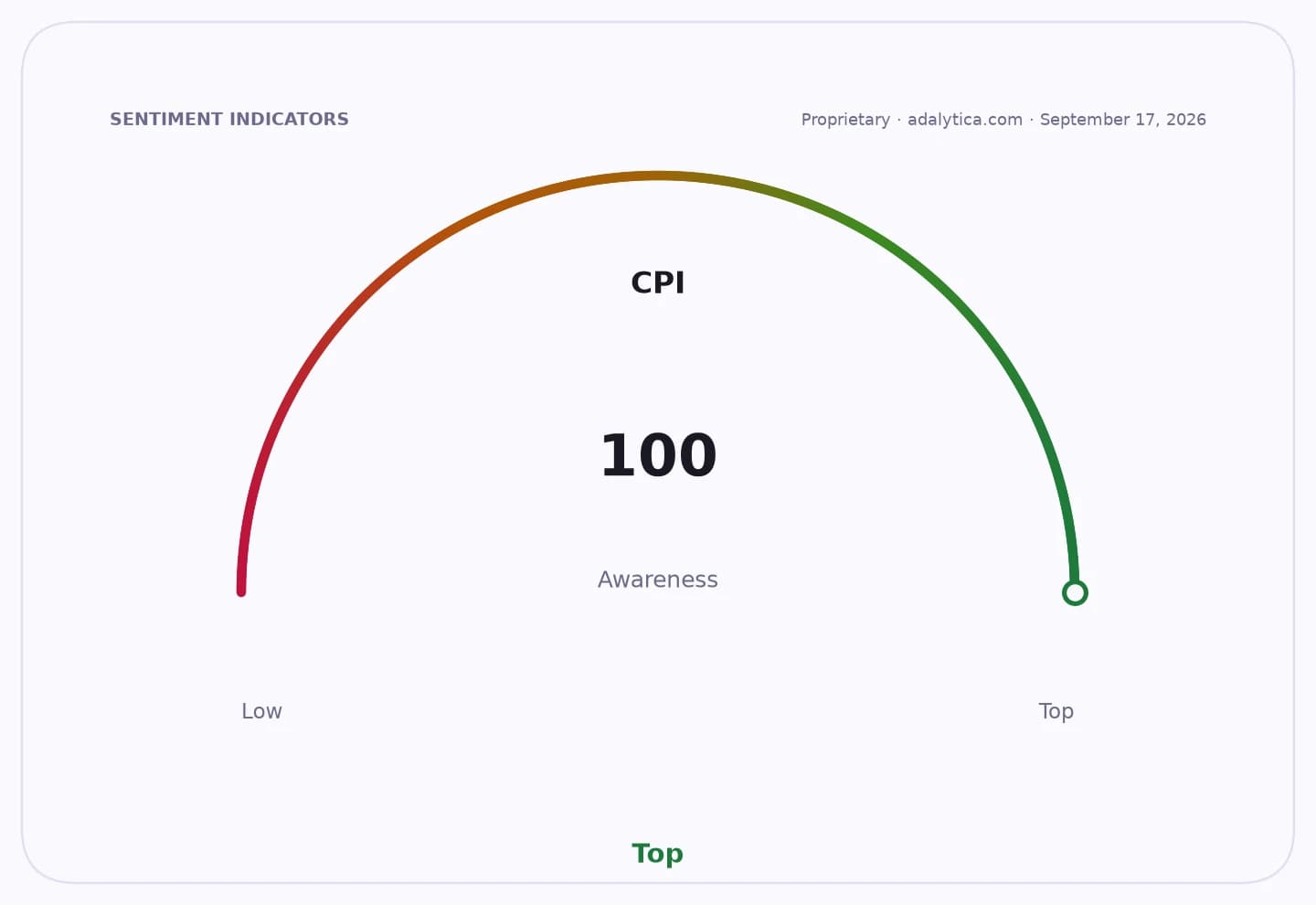
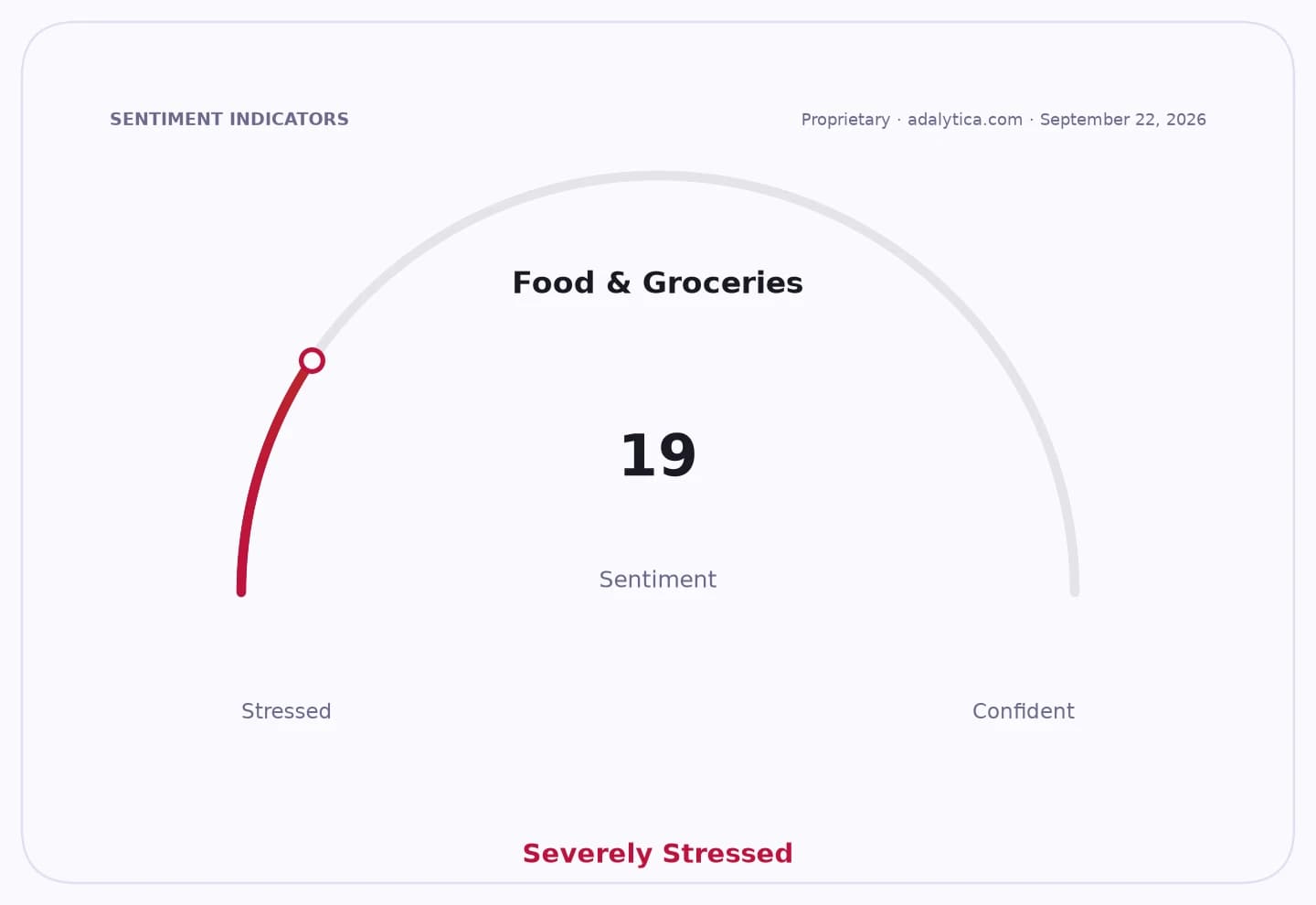
Sentiment IndicatorsⓘProprietary · adalytica.com · September 24, 2026
This is a snapshot — live sentiment, awareness and momentum for 130+ markets update continuously in the dashboard.Open AlphaPulse
The same principle applies to trash collection when a resident is away from home, such as on vacation or in hospital. In that case, a bill can be recalculated if the customer provides proof, including tickets or medical documents. A third route to a lower charge is poor upkeep of common areas: dirty entrances, burned-out lights or a broken elevator can trigger a daily reduction in fees.
For apartments and building managers, the key issue is documentation. Manko said residents should first call the emergency dispatch service, which is supposed to draw up an act on substandard service. If the management company refuses to cooperate, neighbors can prepare the act themselves and attach photos or video, then submit a formal request for recalculation.
The management company must answer within 10 days, and a refusal can be escalated to the state housing inspectorate, which can order a recalculation and fine the company. For investors and operators in Russia’s housing and utilities sector, that raises the risk of higher compliance costs, more billing disputes and greater scrutiny of service quality. The immediate catalyst is whether residents use the rulebook more aggressively as utility prices and enforcement pressure remain a live issue.
| Entity | Gains | Losses |
|---|---|---|
| Residents | ▲Lower bills, refunds | ▼Less hassle proving claims |
| Management companies | ▲Better service operators | ▼Recalculations, fines |
| Housing inspectors | ▲More enforcement leverage | ▼More complaint workload |
| Utility providers | ▲Higher trust if compliant | ▼Revenue losses from disputes |