Ukraine is moving toward a rule that could make apartment owners help pay to convert and maintain shelter space in their buildings, a shift that matters because the country’s civil-defense gap is not just a wartime safety issue but a household-cost issue that could ripple through already-stretched utility budgets.
Ukraine Shelter Fees for Apartment Owners
Lawmakers are debating amendments to a bill on civil protection that would let the costs of inspecting, repairing and fitting out basement shelters be folded into building-management fees. For investors and anyone watching Ukraine’s postwar economy, the significance is simple: when public safety infrastructure is underfunded, the bill often lands on consumers, local governments or both.
Sentiment Indicators
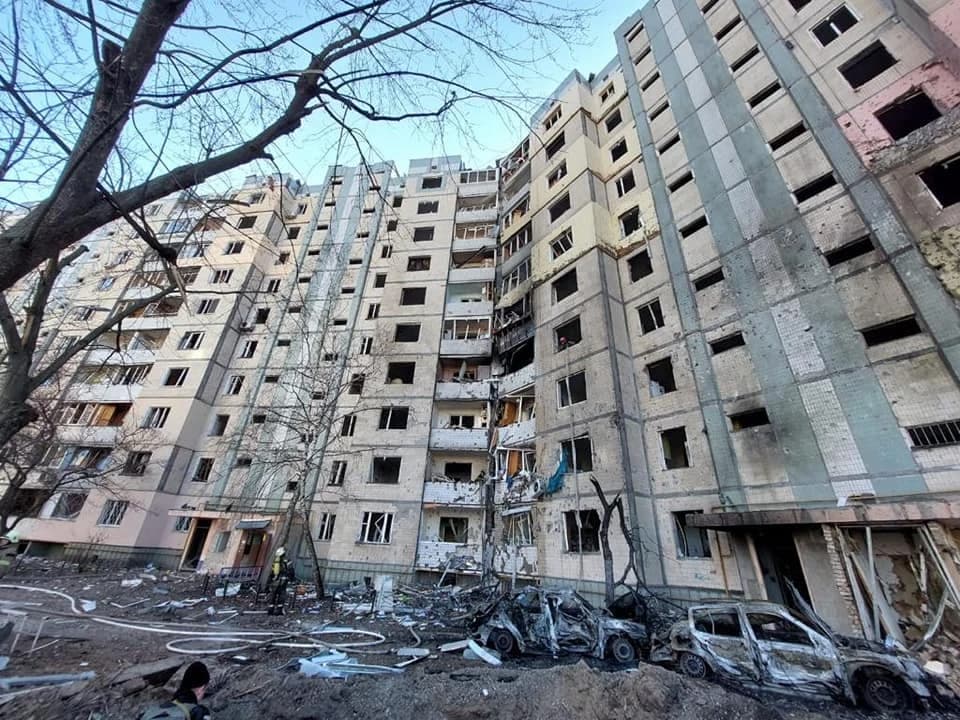
The proposal comes against a stark backdrop. Ukrainian officials say the government-controlled territory has more than 60,000 protective structures, but many are unusable because of broken ventilation, blocked entrances, poor fire safety or bad sanitary conditions. An ombudsman report cited 1,066 monitoring visits in the second half of 2025 and said 991 sites, or 93%, needed fixes. That suggests the shelter problem is systemic, not cosmetic.
That is why the financing fight is so important. If shelter upgrades are added to management charges, the burden would fall directly on condo owners and tenants in buildings where the basement can be adapted. In some cases that could mean cleaning, electrical work, ventilation, fire protection and ongoing maintenance. In others, it could mean much more expensive reconstruction.
But the politics are messy. Owners’ associations say the law needs to spell out who decides when a shelter is created, who controls access and who is liable if something goes wrong. Some groups want the shelter provisions removed from the bill altogether. Others support the idea in principle but argue that common shelters should be financed by the state or municipalities, not forced onto residents through utility-style payments.
For investors, the bigger lesson is how wartime spending pressure reshapes the economics of everything from housing to local services. Ukraine still has to fund air defenses and frontline needs, but it also has to pay for the unglamorous work of making buildings habitable in a prolonged conflict. That creates a recurring tension between affordability and resilience — a tension that can influence consumer spending, municipal budgets and the broader pace of reconstruction.
The final formula is not set. There is no approved tariff, no nationwide shelter fee and no start date for extra payments. But the direction of travel is clear: Ukraine is trying to turn shelter readiness from an abstract legal duty into a paid-for service, and the fight over who foots the bill is likely to continue as the bill heads toward a second reading. For long-term investors, it is worth watching as a reminder that reconstruction economies often begin with contested costs before they become investable opportunities.
| Entity | Gains | Losses |
|---|---|---|
| Ukrainian households | ▲safer buildings | ▼higher management fees |
| Local governments/state budget | ▲shared responsibility | ▼pressure to fund more |
| ОСББ/building managers | ▲clearer legal mandate | ▼more operational burden |
| Shelter contractors/utilities | ▲more work and demand | ▼if funding stays uncertain |