The European Union is heading into 2027 with a roughly €200 billion budget plan that increasingly doubles as a test of how far member states are willing to finance Ukraine while protecting the bloc’s own defence, competitiveness and energy goals.
EU 2027 budget debate centers on Ukraine funding

That matters because the annual budget is no longer just an accounting exercise: it is becoming one of the EU’s main policy tools for responding to war on its eastern border, persistent high energy costs and weaker industrial competitiveness. With states still split over how much to spend, the outcome will shape not only Ukraine’s cash flow but also spending on transport links, research, border security and military mobility across the bloc.
Sentiment IndicatorsⓘProprietary · adalytica.com · October 27, 2026
This is a snapshot — live sentiment, awareness and momentum for 130+ markets update continuously in the dashboard.Open AlphaPulse
The European Commission’s draft budget for 2027 envisages about €199.9 billion in commitments and €212 billion in payments when special instruments are included. The Council wants to trim that by about €1 billion in commitments and €500 million in payments, while the European Parliament’s budget committee has pushed in the other direction, proposing €194 billion in commitments and €203.3 billion in payments under core budget lines, plus an extra €1.17 billion for priority programmes.
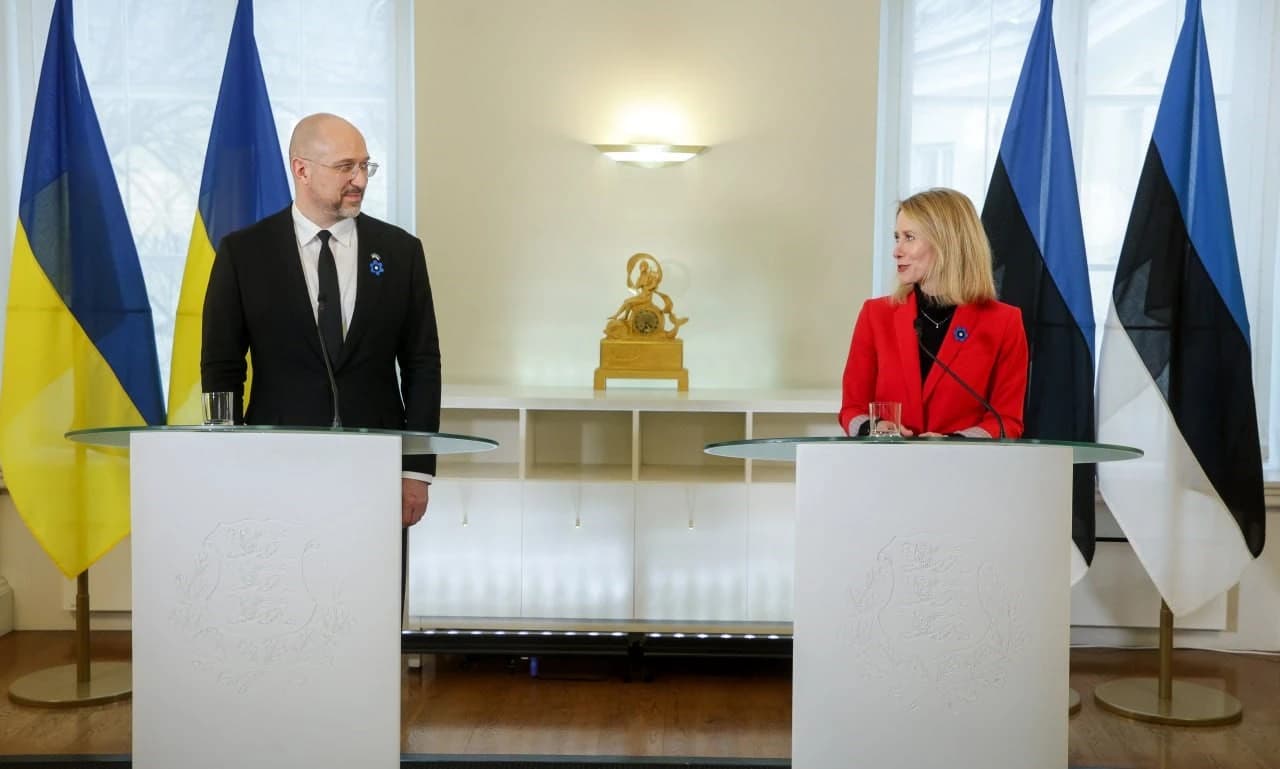
The biggest political flashpoint is Ukraine. EU leaders have already backed continued financial, economic, humanitarian and military support, and welcomed a €90 billion credit-support mechanism for 2026-2027 as well as €6.6 billion through the European Peace Facility. But those sums are not enough to close Ukraine’s gap. President Volodymyr Zelenskiy has asked for another €70 billion, and the European Council has told the Commission and the IMF to update their estimate of Ukraine’s fiscal and defence needs and come back with funding options.
For investors, the budget fight matters beyond Kyiv. The parliamentary committee wants most of the extra money to go to competitiveness, infrastructure and research, including €260.5 million more for the Connecting Europe Facility, €63 million for Horizon Europe and €31.6 million for the single market programme. That points to continued support for cross-border grids, transport corridors and innovation spending at a time when the bloc is trying to offset higher energy costs and weaker industrial momentum.
It also shows how fiscal priorities are shifting under pressure from geopolitics. The committee proposed an additional €66.3 million for security and defence, including €20 million for military mobility, and €72.9 million for border management and migration. For governments in the north that want restraint, the package looks too ambitious; for eastern and southern states, the funding is still too thin given Russia’s war and the cost of maintaining support for Ukraine.
The economic backdrop explains the tension. European leaders are still grappling with elevated energy bills, a heavier defence burden and slow growth. The Commission says gas prices in Europe have risen 140% since late February, diesel prices have doubled and extra fossil-fuel import costs have reached about €100 billion. Against that backdrop, the EU is trying to fund immediate wartime needs while preserving long-term spending on competitiveness and the energy transition.
The bigger budget debate is the seven-year financial framework for 2028-2034, where the Commission has proposed about €1.76 trillion but some governments are pressing for cuts. That broader fight is crucial because it will determine whether the EU can keep Ukraine support, defence spending and industrial policy on a stable footing without repeatedly resorting to ad hoc fixes. A special European Council summit is due next month, with leaders aiming to settle the next multiannual budget by end-2026.
For now, the market implication is less about a direct tradeable event than about the durability of Europe’s fiscal response to war. A larger, more coherent budget would support suppliers tied to infrastructure, energy networks, defence logistics and humanitarian aid. A drawn-out dispute, or a failure to bridge the gap on Ukraine, would raise the risk of delayed disbursements and greater pressure on national budgets just as the bloc faces slow growth and tight financing conditions.
| Entity | Gains | Losses |
|---|---|---|
| Ukraine | ▲More visible EU funding support | ▼Delayed or insufficient financing |
| Defence and infrastructure sectors | ▲Higher budget allocations | ▼Austerity-minded member states |
| Frugal northern governments | ▲Spending restraint | ▼Larger EU contributions and less leverage |
| EU institutions seeking cohesion | ▲Clearer long-term funding framework | ▼Prolonged budget deadlock |