Estonia says Russia is likely to intensify hybrid attacks, sabotage and disinformation to weaken Western support for Ukraine, a warning that underscores how Moscow’s campaign has moved beyond the battlefield and into Europe’s political and economic fault lines.
Estonia Warns of More Russian Hybrid Attacks
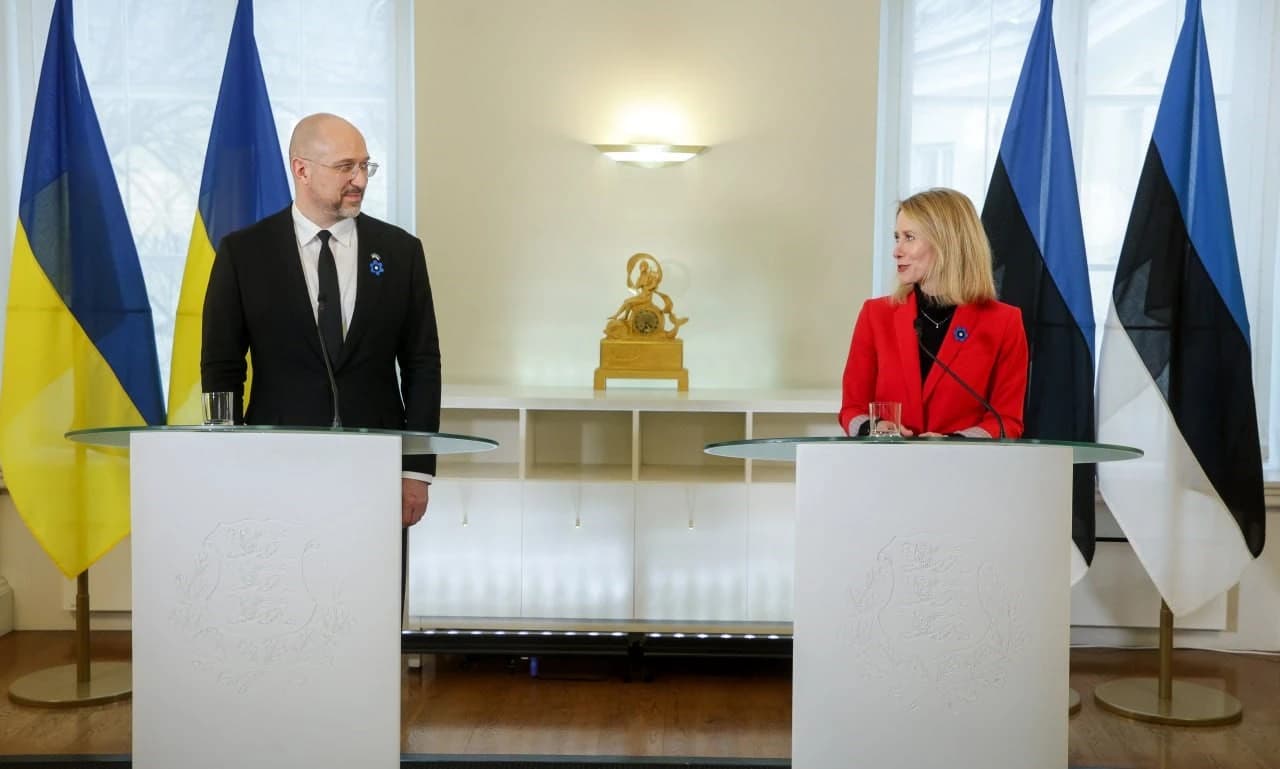
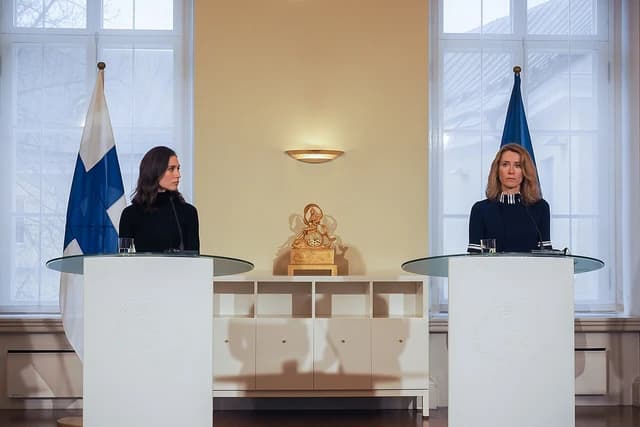
Foreign Minister Margus Tsahkna said in Warsaw that his main concern is not the Baltic region, Poland or Finland, which he said have long been psychologically prepared for Russian pressure, but wider Western Europe, where public opinion may be less resilient. The risk for policymakers is that a sustained campaign of cyberattacks, drone incidents, arson and covert operations could raise the domestic political cost of arming Kyiv just as support in some capitals is coming under strain.
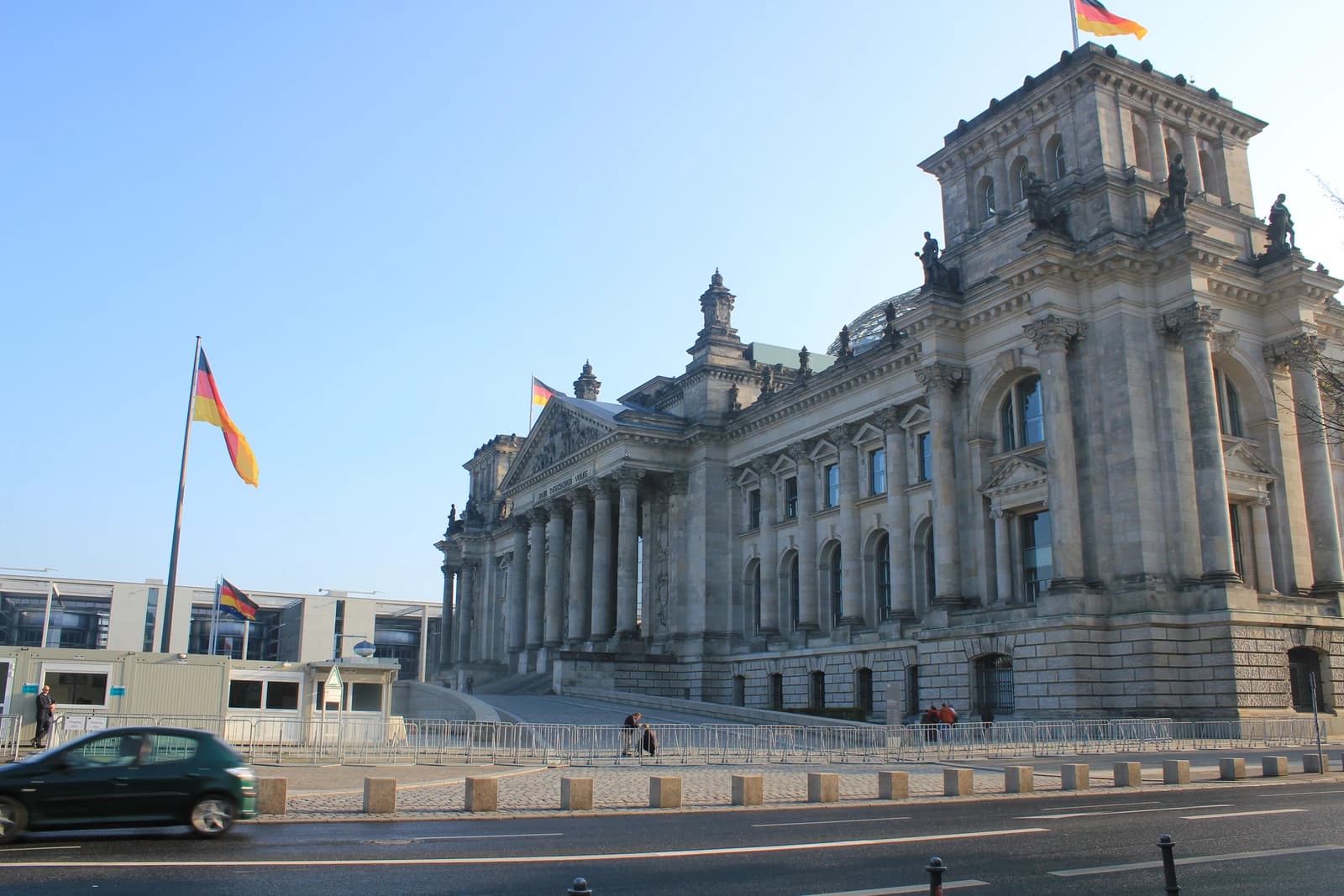
The warning lands at a moment when Ukraine’s backers are already facing a more difficult political environment. In Germany’s Saxony-Anhalt, Alternative for Germany and the left-wing BSW teamed up on a symbolic motion calling for an end to German military aid for Ukraine. In France, Marine Le Pen said the country can no longer afford to finance Ukraine, a reminder that opposition to aid is no longer confined to the political fringe in Europe’s largest economies.
For investors, the significance is less about any immediate market reaction than the direction of policy risk. If support for Kyiv becomes more contested, the implications run through European defense spending, cybersecurity demand, critical infrastructure protection and the broader premium attached to geopolitical stability. A weaker political consensus could also complicate Europe’s long-term rearmament plans by making procurement and budget commitments more vulnerable to populist pressure.
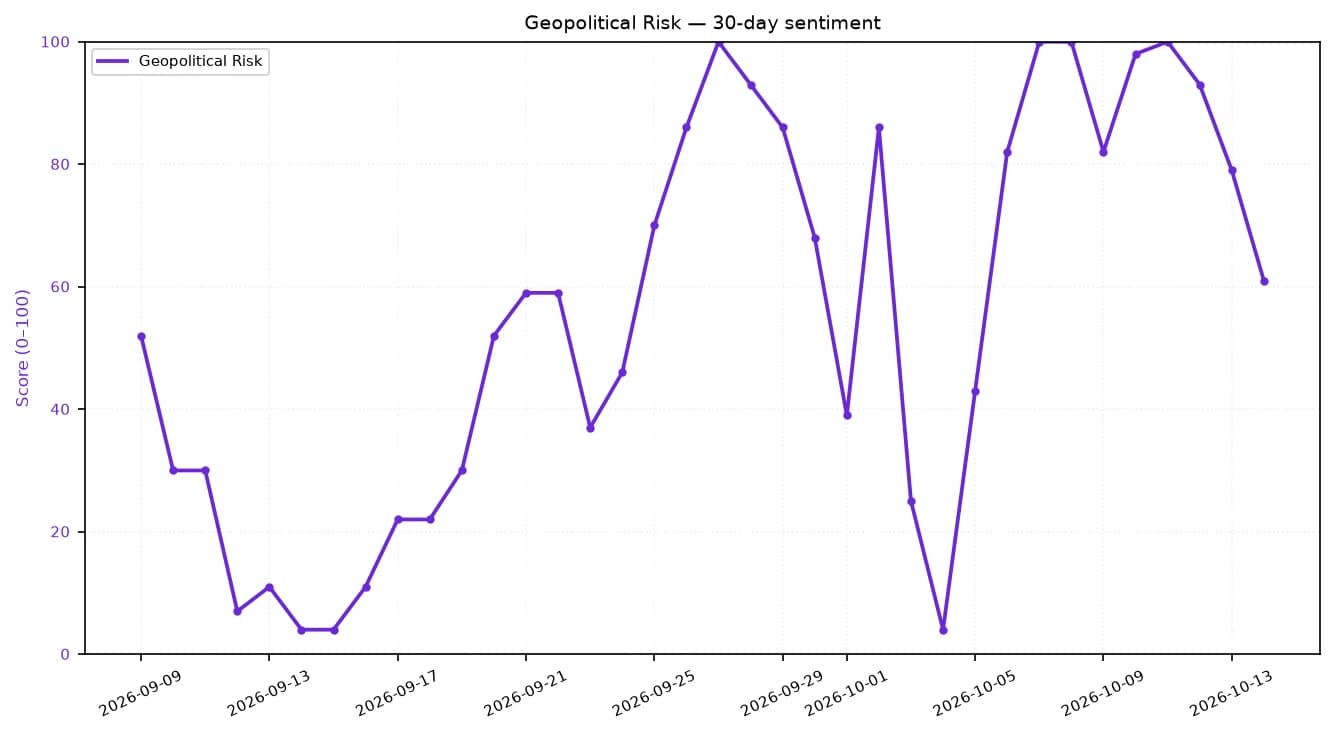
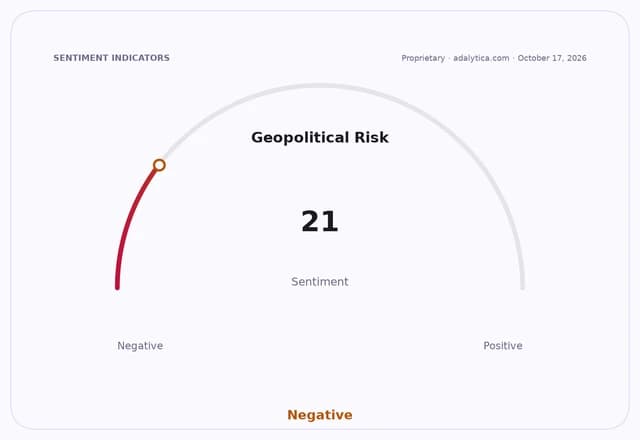
Geopolitical Risk — 30-day sentimentadalytica.com
Explore this data interactively — full history, time series and cross-market comparisons.Open AlphaPulse
The Kremlin denies involvement in the wave of sabotage, drone activity and cyberattacks that European officials have attributed to it, but Tsahkna’s comments reflect a growing view in Europe that Russia’s strategy is to exploit divisions rather than win quickly on the front line. That makes public opinion in Germany, France and other large western European states a strategic battleground in its own right.
Markets have begun to price a less stable geopolitical backdrop. The Global Stability Sentiment gauge from Adalytica.com has dropped to 21, with an “Extreme Fear” awareness reading, while ETF flows and technical signals point to heightened caution in risk assets tied to global growth and trade. Broad emerging-market exposure, tracked by EEM, has slipped below its 50-day moving average and its RSI is in oversold territory, while UK equities in EWU have held up better and are back above the 50-day line.
The message for investors is that Ukraine aid is no longer just a foreign-policy issue; it is increasingly a test of Europe’s political durability and industrial readiness. If Russia succeeds in driving a wedge between eastern and western Europe, the spillovers could include more defense spending, more pressure on infrastructure security and a longer-lasting geopolitical risk premium across European assets.
| Entity | Gains | Losses |
|---|---|---|
| Russia | ▲More room to exploit divisions | ▼Western unity around Ukraine |
| Ukraine | ▲Continued backing from Europe and NATO | ▼Political certainty on long-term aid |
| European defense firms | ▲Higher security and rearmament demand | ▼If aid fatigue slows procurement |
| Western governments | ▲Stronger case for resilience spending | ▼Domestic pressure over Ukraine funding |