Germany’s far-right Alternative for Germany is moving to turn opposition to Ukraine support into a parliamentary push, deepening a domestic challenge to Berlin’s war policy at a time when European security and defense spending remain under strain.
Germany AfD motion on Ukraine aid
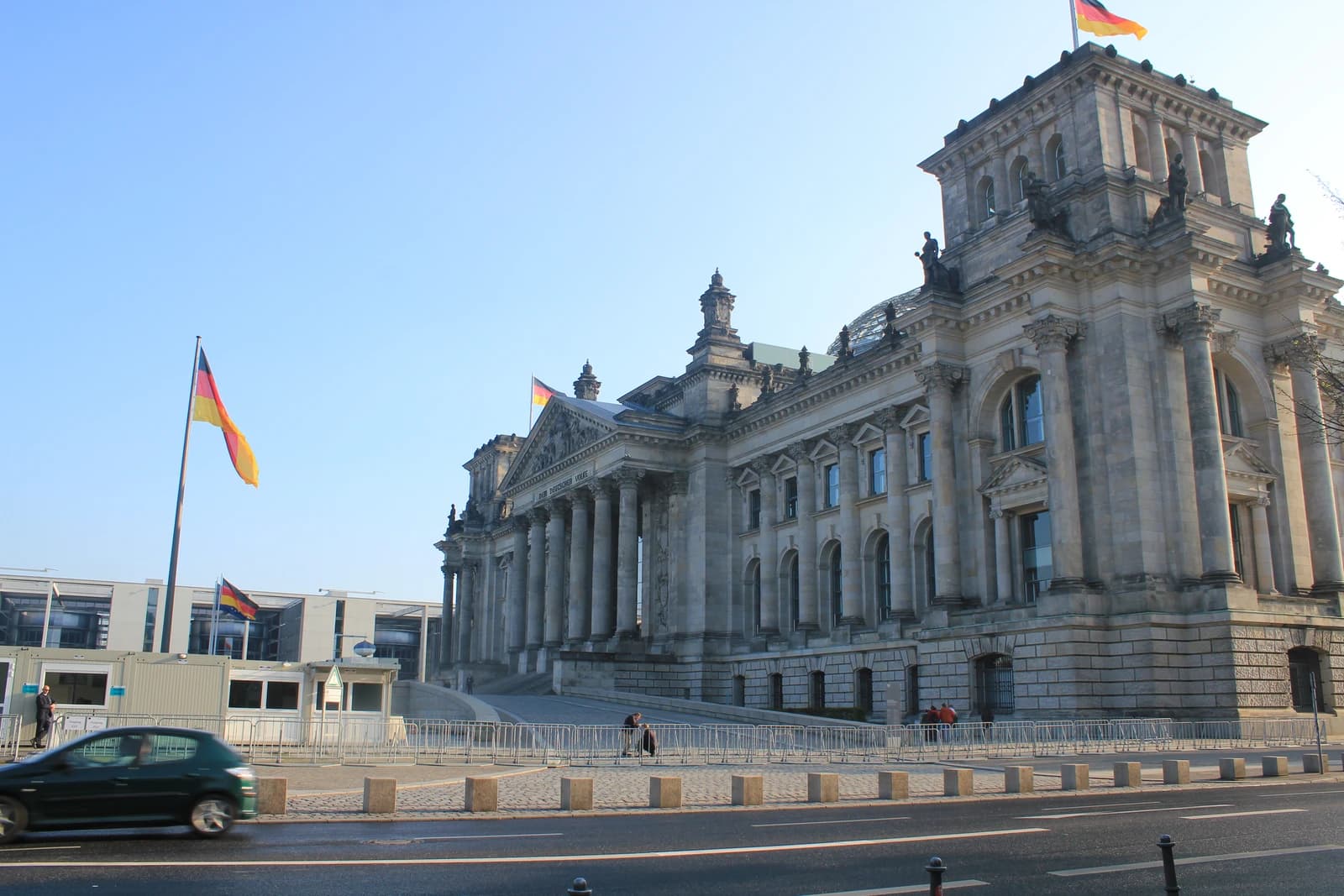
The AfD said it will bring a joint motion with the small far-left BSW party in a regional parliament calling for an end to military support for Ukraine. The move matters less for the immediate chance of passage than for what it reveals: opposition to aid for Kyiv is no longer confined to the political fringes in one ideological camp, but is increasingly becoming a cross-spectrum pressure point in German politics.
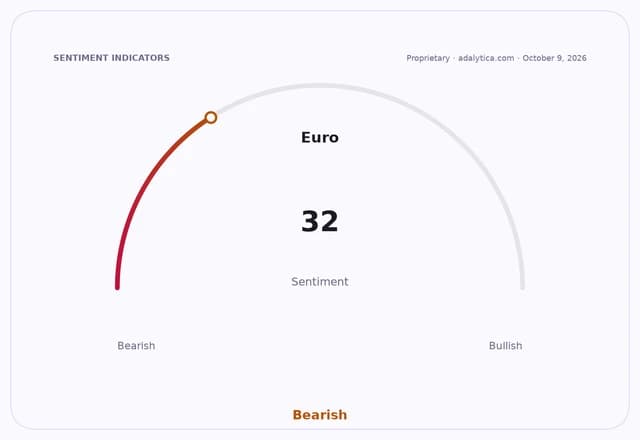
Sentiment IndicatorsⓘProprietary · adalytica.com · October 9, 2026
This is a snapshot — live sentiment, awareness and momentum for 130+ markets update continuously in the dashboard.Open AlphaPulse

For investors, the significance lies in the potential for policy drift in Europe’s largest economy. Germany has been one of Ukraine’s most important military backers and a key contributor to European defense coordination since Russia’s full-scale invasion. Any erosion in support from Germany would complicate NATO planning, weaken the cohesion of the European response and add uncertainty for defense contractors, energy markets and the euro, all of which remain sensitive to the durability of support for Kyiv.
The motion also underscores a broader political calculation ahead of regional and national contests: parties on both ends of the spectrum are testing whether war fatigue, fiscal pressure and voter skepticism over overseas commitments can be translated into parliamentary leverage. The AfD has long opposed military aid to Ukraine, but teaming up with BSW — a smaller left-wing breakaway that also questions support for Kyiv — gives that position a wider rhetorical reach and increases pressure on mainstream parties to defend current policy.
That matters economically because Germany’s Ukraine stance is tied to more than foreign policy. It influences defense procurement, industrial policy and the pace of rearmament across Europe. A harder political debate over aid could slow commitments to munitions replenishment and air defense, or at minimum make budget negotiations more contentious. It would also reinforce the market’s view that Europe’s security premium is not a one-way trade, but depends on whether governments can sustain spending and political consensus.
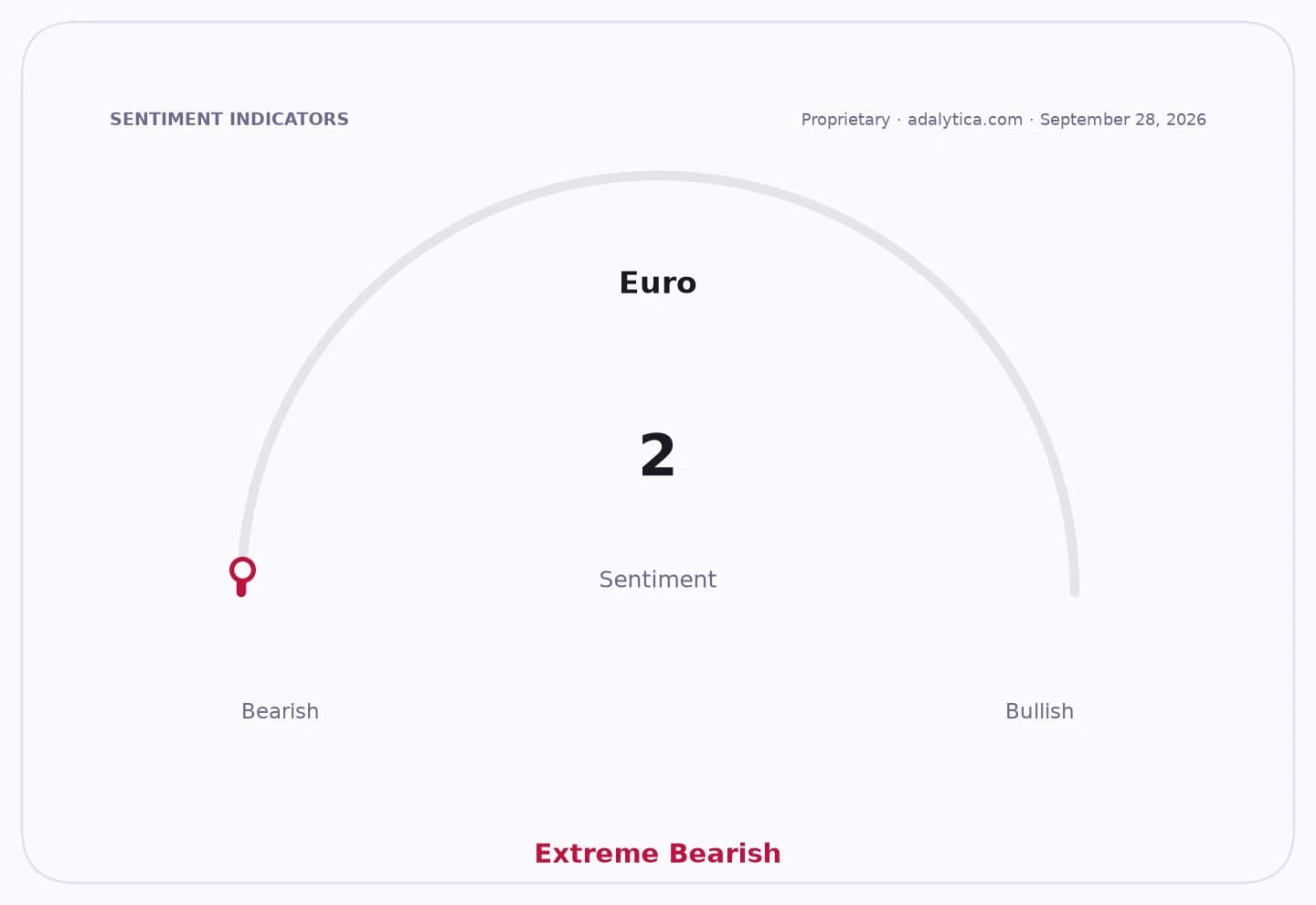
The market backdrop is already fraught. Defense stocks have been buoyed by expectations of prolonged European militarization, while German assets remain vulnerable to any sign of political fragmentation on security and fiscal issues. Technical indicators on the Germany ETF show recent weakness, with the fund below its 50-day moving average and momentum indicators still negative, suggesting investors have been cautious even before any fresh policy shock. The euro, meanwhile, remains highly sensitive to the region’s geopolitical risk premium.
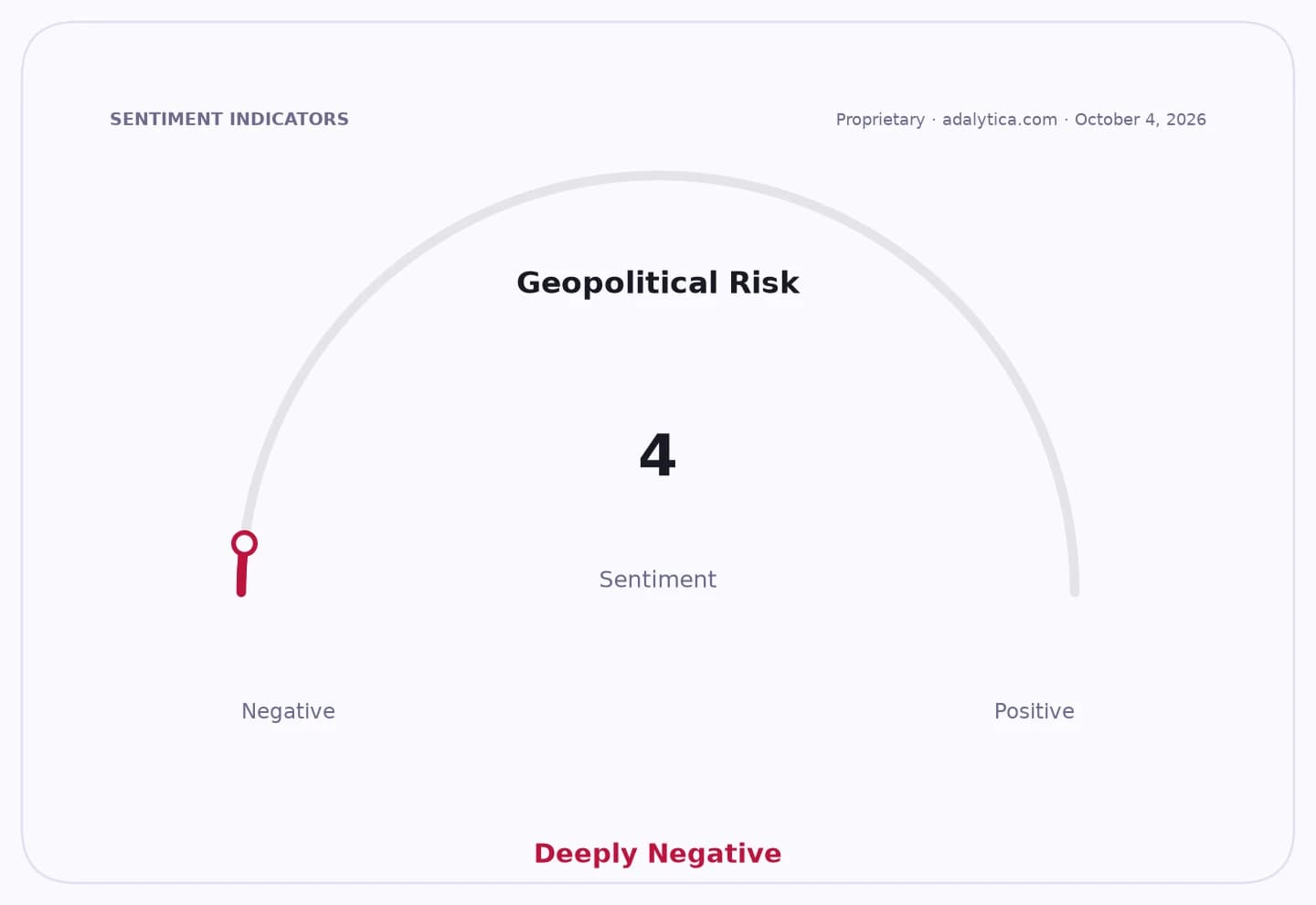
At the same time, the geopolitical backdrop has turned more volatile, with global stability sentiment data showing extreme greed even as awareness of risk remains elevated. That combination often leaves markets exposed to abrupt reversals if political headlines undermine assumptions about Western unity. A visible split in Germany over Ukraine support would be one such trigger.
For now, the move is primarily political theater with real economic implications: it pressures Germany’s governing parties, keeps Ukraine aid at the center of public debate and raises the odds that Europe’s security financing will remain contested. The key question for investors is not whether this motion passes, but whether it marks a broader shift in German politics that could eventually reshape defense spending, sanctions policy and Europe’s war-support architecture.
| Entity | Gains | Losses |
|---|---|---|
| AfD | ▲Anti-aid messaging | ▼Policy credibility |
| BSW | ▲Visibility in parliament | ▼Centrist appeal |
| German defense stocks | ▲Higher long-term spending case | ▼Near-term policy uncertainty |
| Ukraine support camp | ▲Limited | ▼Parliamentary pressure |