Ukraine’s battlefield innovations are being constrained by a more basic problem: it does not have enough soldiers to exploit them.
Ukraine troop shortages limit drone gains on front
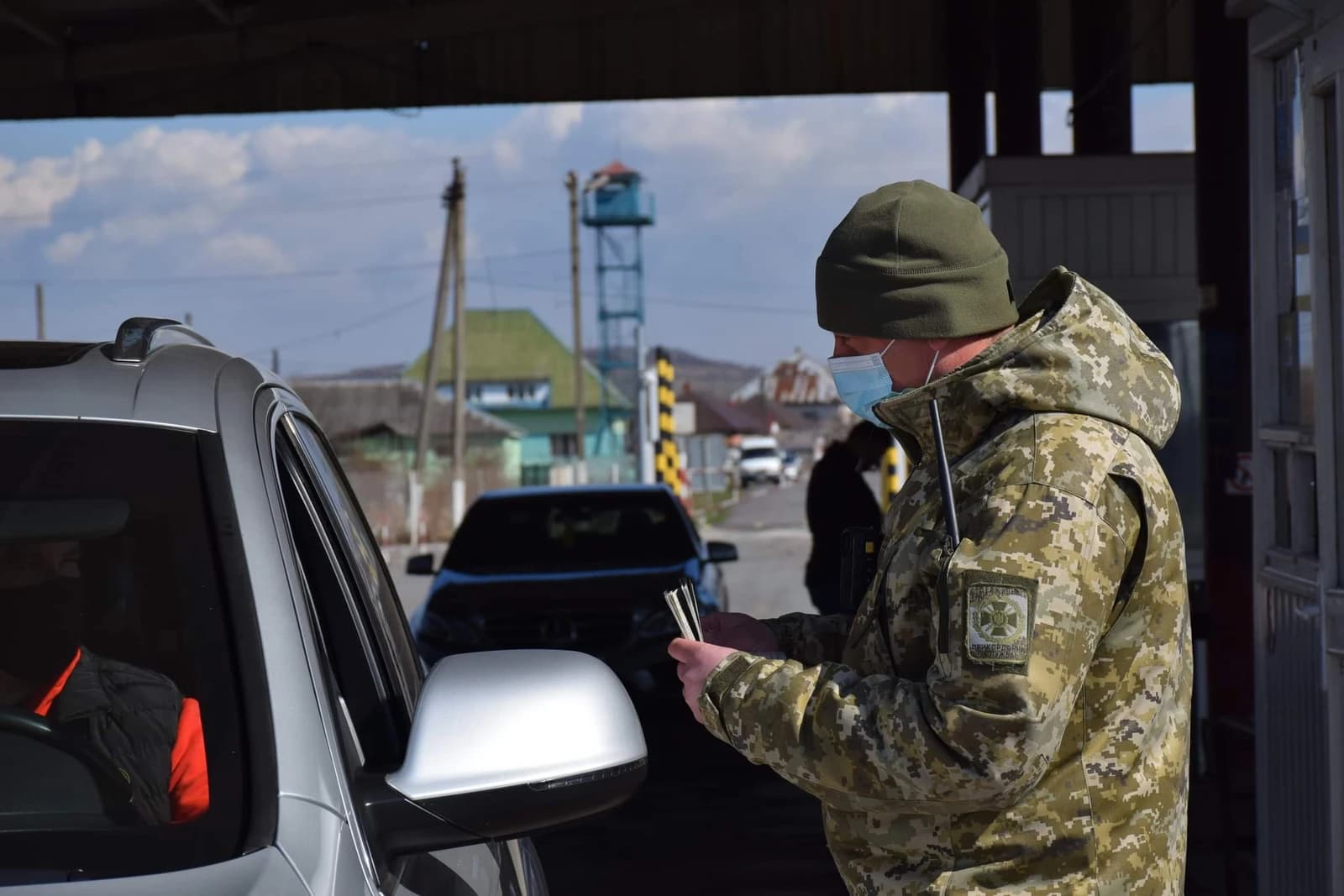
That manpower squeeze has become one of Kyiv’s biggest military and economic vulnerabilities as Russia presses on a 1,250-kilometer front. AP, citing commanders and analysts, reported that some Ukrainian units are operating at roughly half strength, limiting the army’s ability to rotate troops, hold ground and turn temporary tactical gains from drones into lasting operational advances.
Sentiment IndicatorsⓘProprietary · adalytica.com · October 10, 2026
This is a snapshot — live sentiment, awareness and momentum for 130+ markets update continuously in the dashboard.Open AlphaPulse
The issue matters far beyond the front line. In a war now in its fifth year, Ukraine’s ability to maintain a credible defense depends not only on Western weapons and drone technology, but on whether it can keep enough trained personnel in the field. Without that, commanders say even successful strikes and localized breakthroughs can be squandered because fresh forces are not available to exploit them.
For investors and policymakers, the signal is that the conflict’s trajectory is being shaped as much by personnel economics as by hardware. Ukraine’s drone program has emerged as a force multiplier, helping offset Russia’s numerical advantage. But force multipliers work best when there is depth behind them. If units cannot rotate, exhaustion rises, casualty rates climb and defensive lines become harder to stabilize. That raises the risk of more attritional fighting, greater ammunition demand and a longer war that keeps pressure on European budgets and defense supply chains.
Kyiv is trying to answer that with reforms to mobilization, training and army organization. The defense ministry is also weighing a new mobilization policy that could encourage deserters to return, according to an unnamed official cited by AP. Former defense minister Mykhailo Fedorov had pushed to reorganize the military into fewer but stronger units, and his successor, Yevheniy Chmara, says he intends to continue the changes.
But the reforms will take time, and the political arithmetic is difficult. Lawmakers on the parliamentary defense committee say they have not yet seen concrete proposals, underscoring how slowly the state is moving relative to battlefield needs. That delay is itself economically meaningful: every month of under-manning increases the risk of higher losses and a more expensive war for Kyiv’s backers.
The broader market backdrop still reflects a world unusually comfortable with geopolitical risk. Adalytica’s Global Stability Sentiment is at 100, or “Extreme Greed,” even as awareness remains at 7, “Extreme Fear,” suggesting investors may be underpricing the possibility that a manpower-driven weakening in Ukraine’s lines could prolong the conflict or force allies to step up support.
For now, the central story is not that Ukraine lacks innovation. It is that innovation cannot fully substitute for people. Unless Kyiv can restore troop depth, its drone advantage may remain tactically useful but strategically insufficient.
| Entity | Gains | Losses |
|---|---|---|
| Ukraine’s defenders | ▲Better drone tactics | ▼Troop depth and rotation |
| Russia’s forces | ▲Longer attrition campaign | ▼Little, if war drags on |
| Western allies/defense suppliers | ▲More demand for aid and systems | ▼Higher fiscal burden |
| Ukrainian lawmakers and defense ministry | ▲Reform urgency | ▼Political room for delay |