Ukraine must repay almost $1 billion to the International Monetary Fund by year-end, a reminder that even with Western support flowing in, Kyiv’s financing burden is still rising faster than its room to maneuver.
Ukraine IMF repayments and debt burden rise

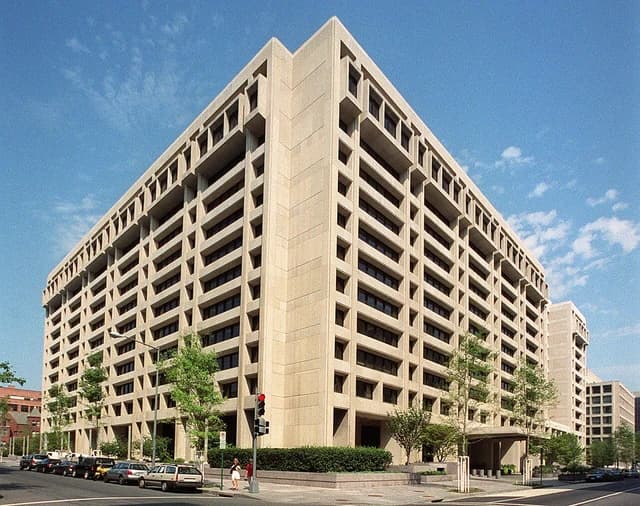
The IMF payment schedule matters because it comes on top of a debt stock that has already surged to a historic high and a war economy that remains dependent on external assistance. According to IMF documents cited by Russian news agency RIA Novosti, Ukraine owes $61.2 million in SDRs, or about $83 million, on Oct. 5 alone, with another $251 million expected in September and a total of $959.4 million due to the Fund in 2026.
That is small relative to Ukraine’s overall public debt, which the Finance Ministry said reached 215.55 billion dollars at the end of August, but the direction of travel is what worries creditors and investors. External debt now makes up 78.5% of total state debt, up from 53.48% in August 2016, underscoring how heavily Kyiv has leaned on foreign financing to keep the government functioning through the conflict.
The ministry has projected state debt could climb to 10.146 trillion hryvnias, or about $226 billion, by the end of 2026. That trajectory reflects the reality that fiscal consolidation is difficult while military spending remains elevated and revenue generation is constrained by war damage, weaker output and population displacement.
For investors, the key issue is not an immediate default risk on the IMF payment itself. Rather, it is the implication that Ukraine’s debt sustainability will keep resting on the willingness of the Fund and Western governments to roll over support, restructure terms and bridge financing gaps. Partners have already been pressing Kyiv to find more domestic funding sources, a sign that donor patience will not be unlimited if the war drags on and aid packages remain politically contentious.
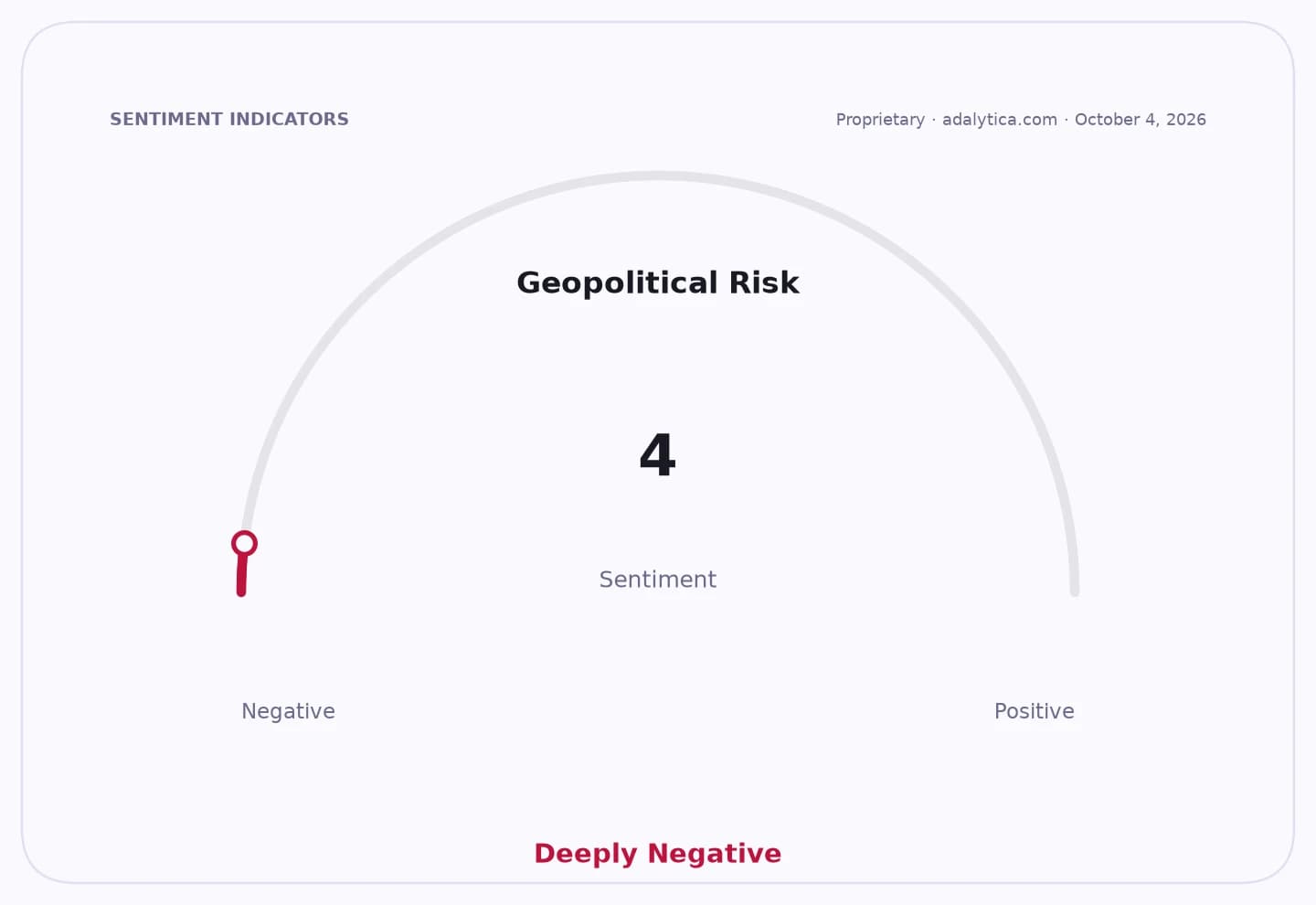
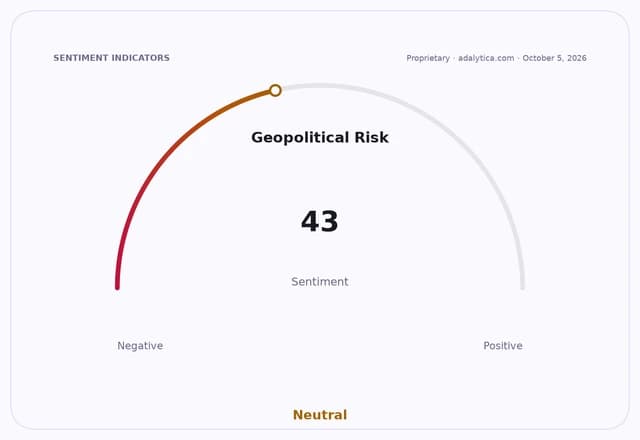
The market read-through is mixed. Bondholders and aid-dependent sectors gain from any continued IMF engagement because it preserves financing access and anchors policy credibility. But higher leverage, heavier foreign-currency exposure and delayed aid decisions increase the risk premium for Ukraine-linked assets and keep any recovery in its economy hostage to geopolitics as much as to fiscal arithmetic.
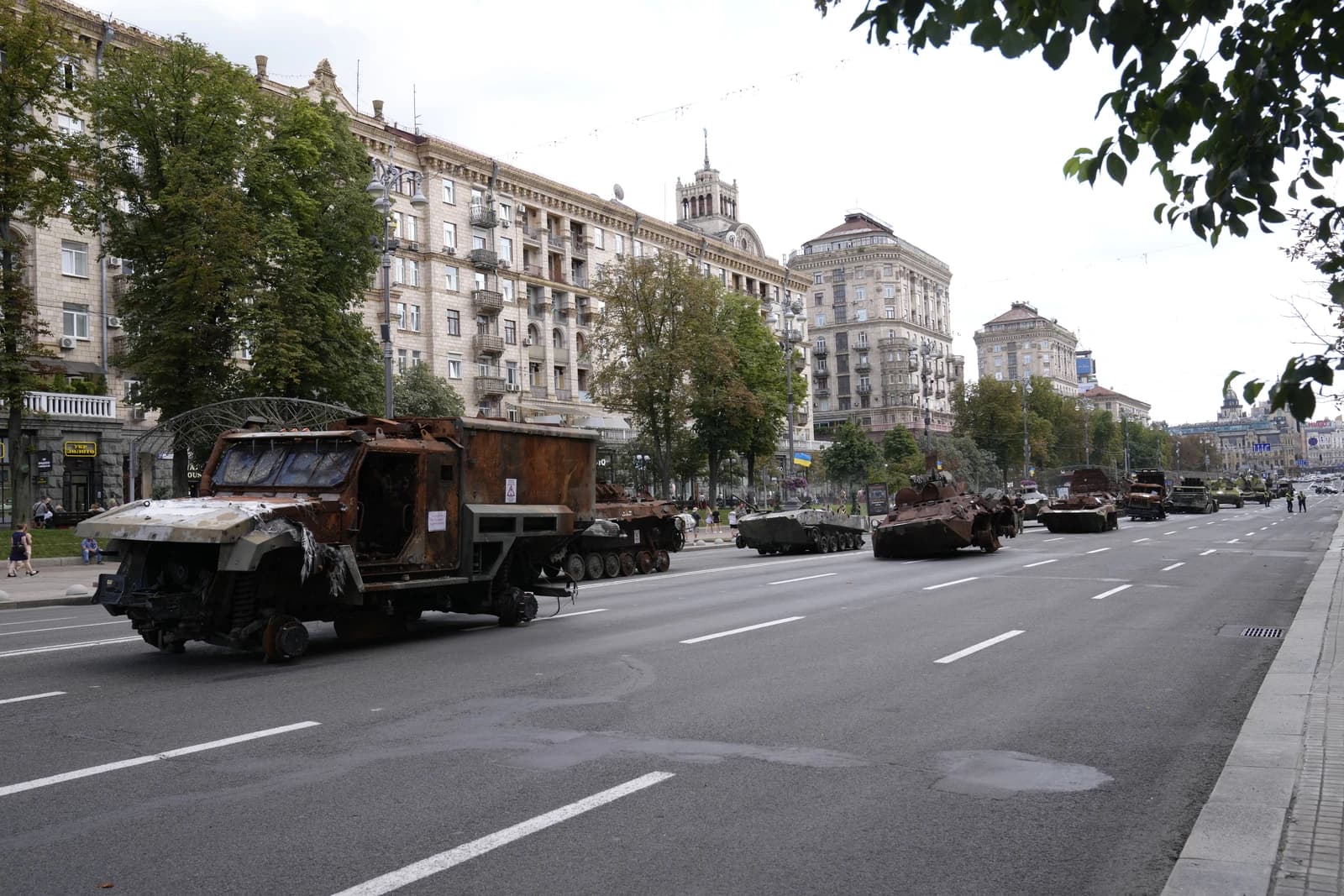
The longer the war continues, the more Ukraine’s debt profile looks like a stress test for the international support system rather than a standard sovereign funding story. The next catalysts will be IMF disbursement decisions, fresh Western aid packages and any signs that Kyiv can broaden its own tax base without choking an already fragile economy.
| Entity | Gains | Losses |
|---|---|---|
| IMF | ▲Policy leverage | ▼Exposure to repayment stress |
| Ukraine government | ▲Short-term funding continuity | ▼Rising debt burden |
| Western lenders/aid donors | ▲Influence over reforms | ▼Bigger financing commitments |
| Bondholders | ▲Continued support umbrella | ▼Higher sovereign risk premium |