Russia’s attacks have inflicted $7.7 billion in direct losses on Ukrainian companies this year, underscoring how the war is still damaging the country’s private sector even as Kyiv tries to keep industry, logistics and energy networks operating.
Ukraine Reports $7.7B in War Damage to Companies

The figure, given by Prime Minister Serhii Koretskyi in an interview with BBC News Ukraine, is the clearest measure yet of the economic cost of Russia’s campaign against Ukraine’s productive base. More than 1 million square meters of warehouse, manufacturing and logistics space has been destroyed or damaged, according to Koretskyi, in a pattern that goes beyond battlefield disruption and directly targets the infrastructure needed to move goods, store inventories and keep factories running.

That matters economically because Ukraine’s war effort and recovery are being financed and sustained through a narrow domestic base. Koretskyi said state revenue covers only about one-third of the country’s defence, social and healthcare needs, leaving the rest dependent on foreign partners. The more Russia can damage enterprise assets and supply chains, the more pressure it puts on tax receipts, industrial output and the government’s ability to fund essential services without external support.
The assault on energy infrastructure is compounding the damage. Koretskyi said there has not been a single day without attacks on the energy sector since July 16, with 2,147 strikes recorded — several times more than in 2025. For investors, that points to a winter period of elevated operational risk for Ukrainian industry, higher replacement and repair costs, and continued strain on working capital as firms rebuild damaged facilities and hold larger emergency inventories.
The government is trying to blunt the impact by dispersing power generation and stockpiling transformers and equipment for rapid replacement. That approach may limit the worst-case scenario, but it does not eliminate the underlying economic drag. The bullish case is that resilience measures keep the system functioning and prevent a deeper collapse in output. The bearish case is that repeated strikes steadily erode industrial capacity, raise insurance and logistics costs and delay any broader recovery in private investment.
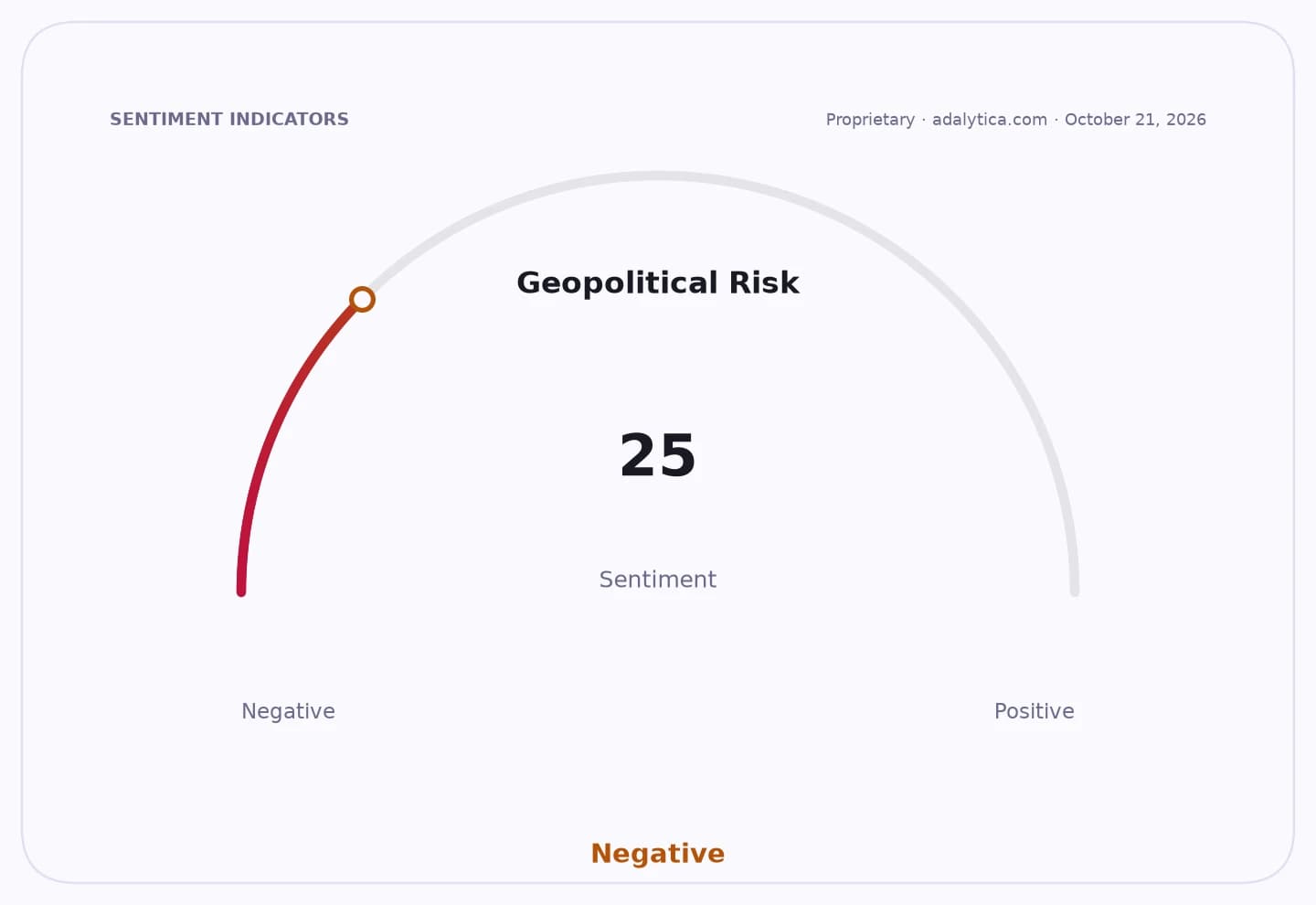
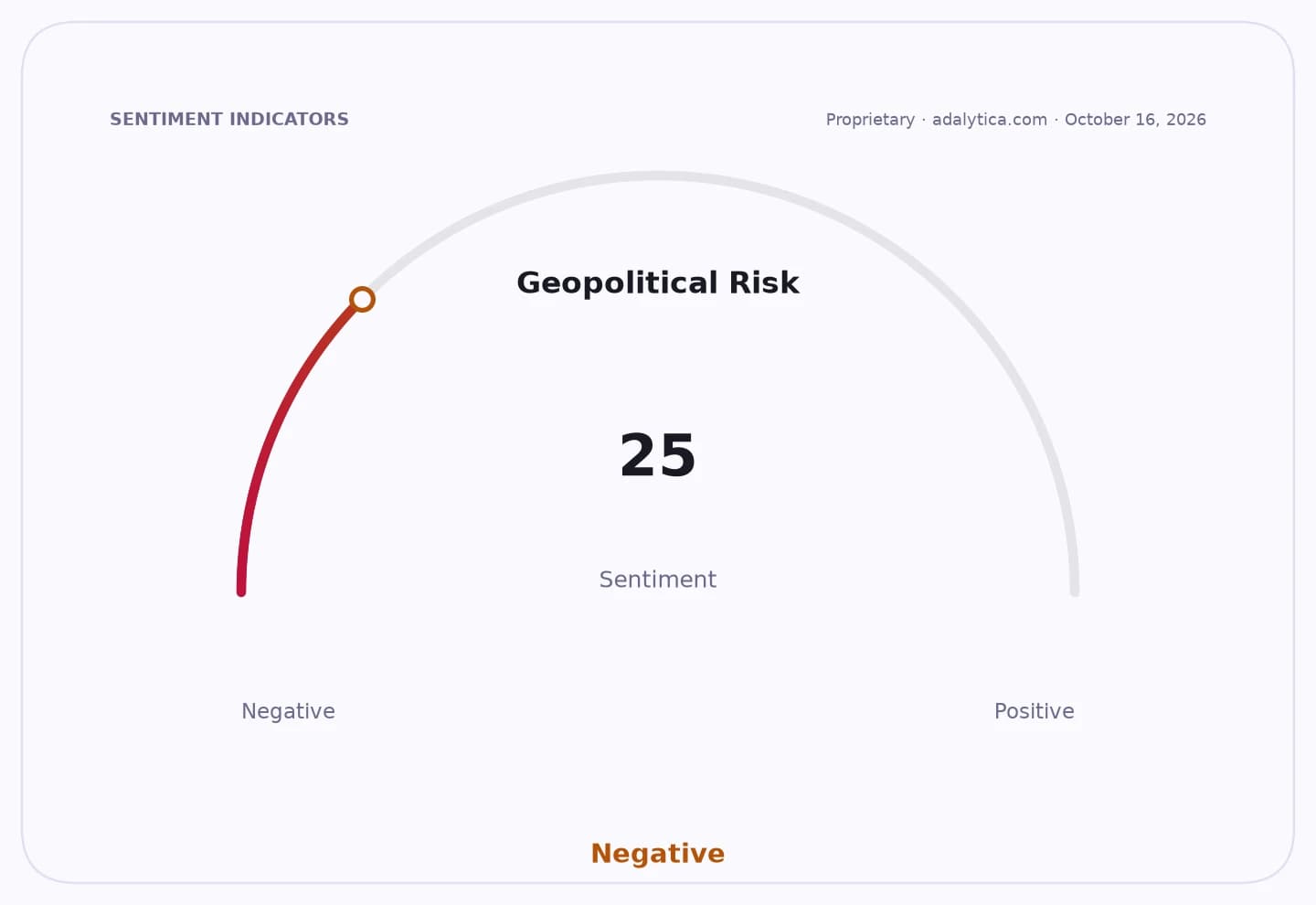
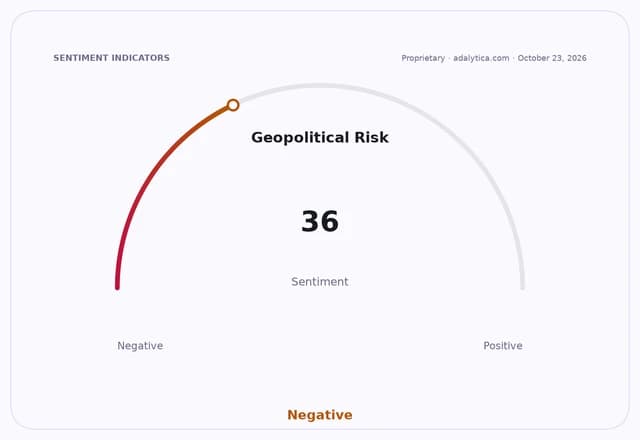
The broader market backdrop is one of persistent geopolitical stress rather than resolution. Adalytica’s Global Stability Sentiment gauge shows extreme fear on awareness, reflecting how quickly the conflict can reprice risk across regional assets, supply chains and humanitarian funding needs. For investors, the immediate takeaway is that Ukraine’s corporate sector remains a war zone in economic terms, and the scale of destruction is still rising faster than reconstruction can offset it.
What to watch next is whether winter attacks further pressure energy supplies and whether donor support can keep pace with the growing gap between Ukraine’s domestic revenues and its fiscal needs. If not, the economic damage to businesses could widen, with lasting consequences for output, employment and the country’s post-war recovery path.
| Entity | Gains | Losses |
|---|---|---|
| Ukrainian government | ▲partner funding | ▼fiscal strain |
| Ukrainian businesses | ▲resilience spending | ▼destroyed assets |
| Western donors | ▲strategic influence | ▼larger aid burden |
| Russia | ▲pressure lever | ▼long-term isolation |