Ukraine’s president is warning that the country’s battlefield resilience is being undermined just as Russia steps up attacks on power infrastructure and Washington freezes a new sanctions push that Kiev says would have raised the cost of war for Moscow.
Ukraine warns on energy strikes, sanctions and Starlink
That matters because Ukraine’s defense is no longer just about tanks and drones. It now depends on whether the U.S. keeps supplying the sanctions pressure, air-defense help and satellite connectivity that let Ukrainian forces fight and keep the lights on before winter.
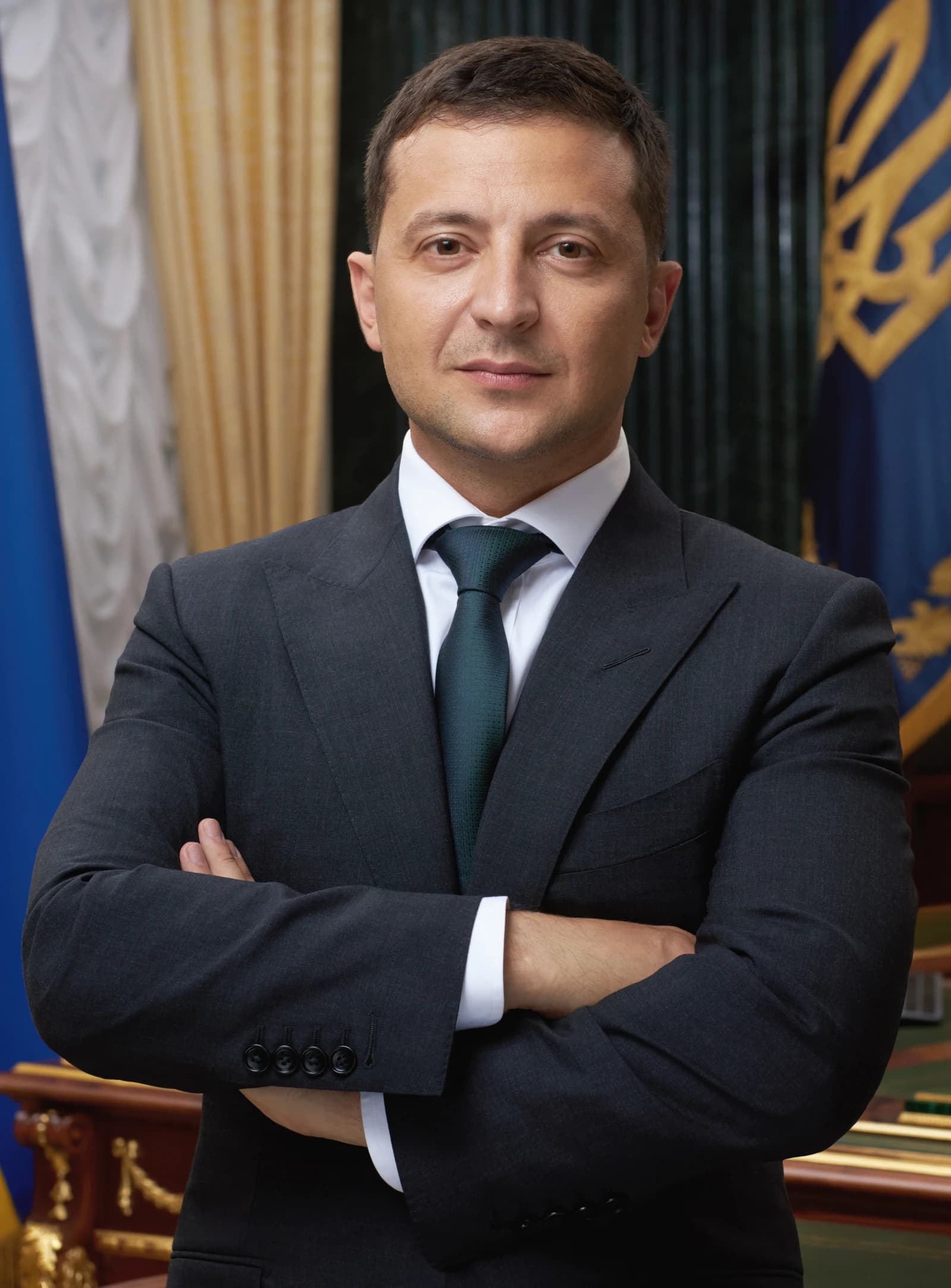
Volodymyr Zelenskyy said Russia carried out one of its largest strikes yet on Ukraine’s energy system, hitting generation and transmission assets. He said millions of Ukrainians could be left without electricity and heating as temperatures fall, a reminder that the Kremlin’s most effective weapon may still be pressure on civilian infrastructure.
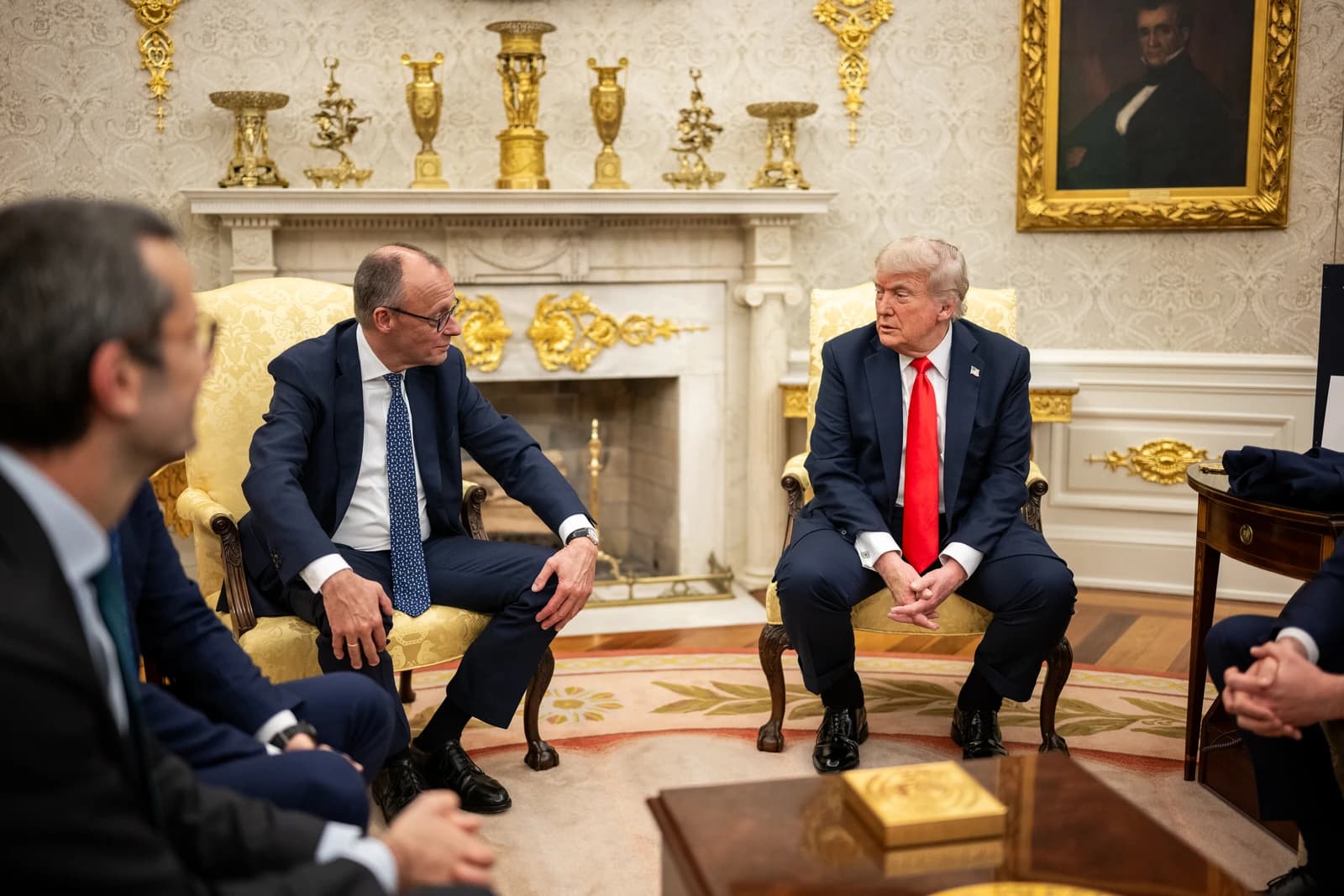
At the same time, Zelenskyy accused Donald Trump of helping Russia by freezing legislation that would have allowed fresh sanctions on Vladimir Putin, senior officials, oligarchs, financial institutions and the shadow fleet used to move Russian oil. Kirill Dmitriev, one of Putin’s special envoys, praised the move as historic, underscoring how quickly Moscow can benefit when Western resolve looks fractured.
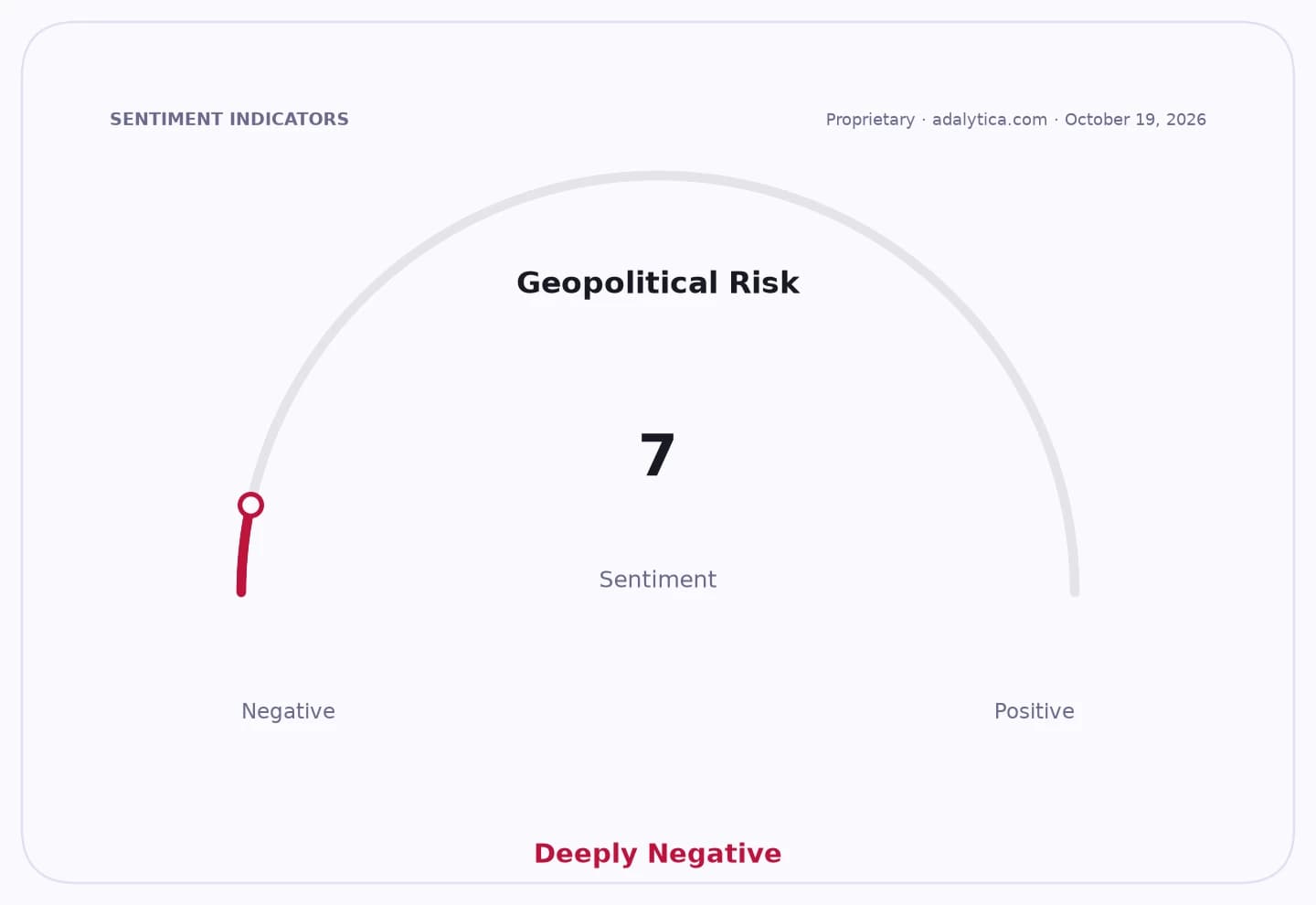
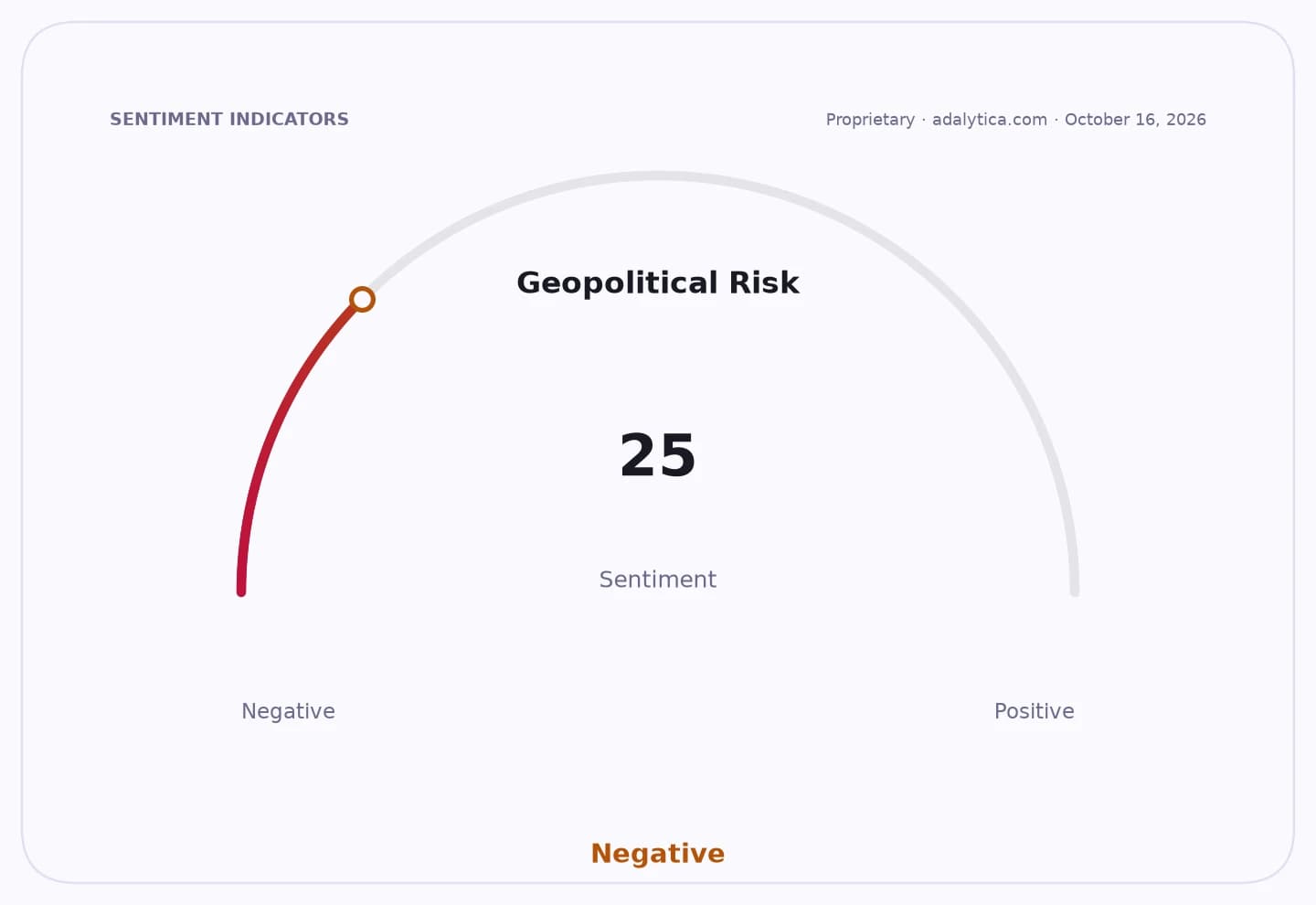
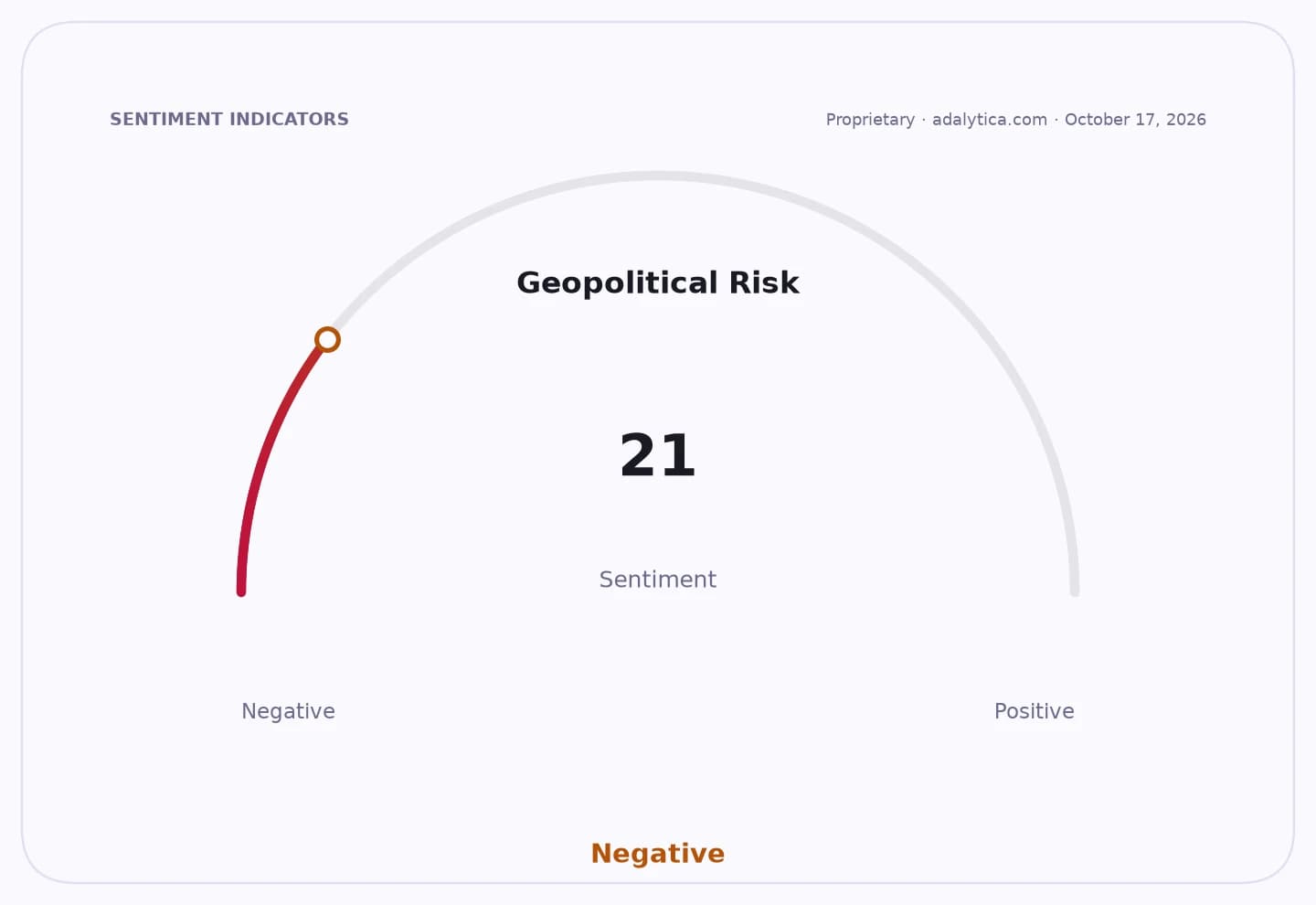
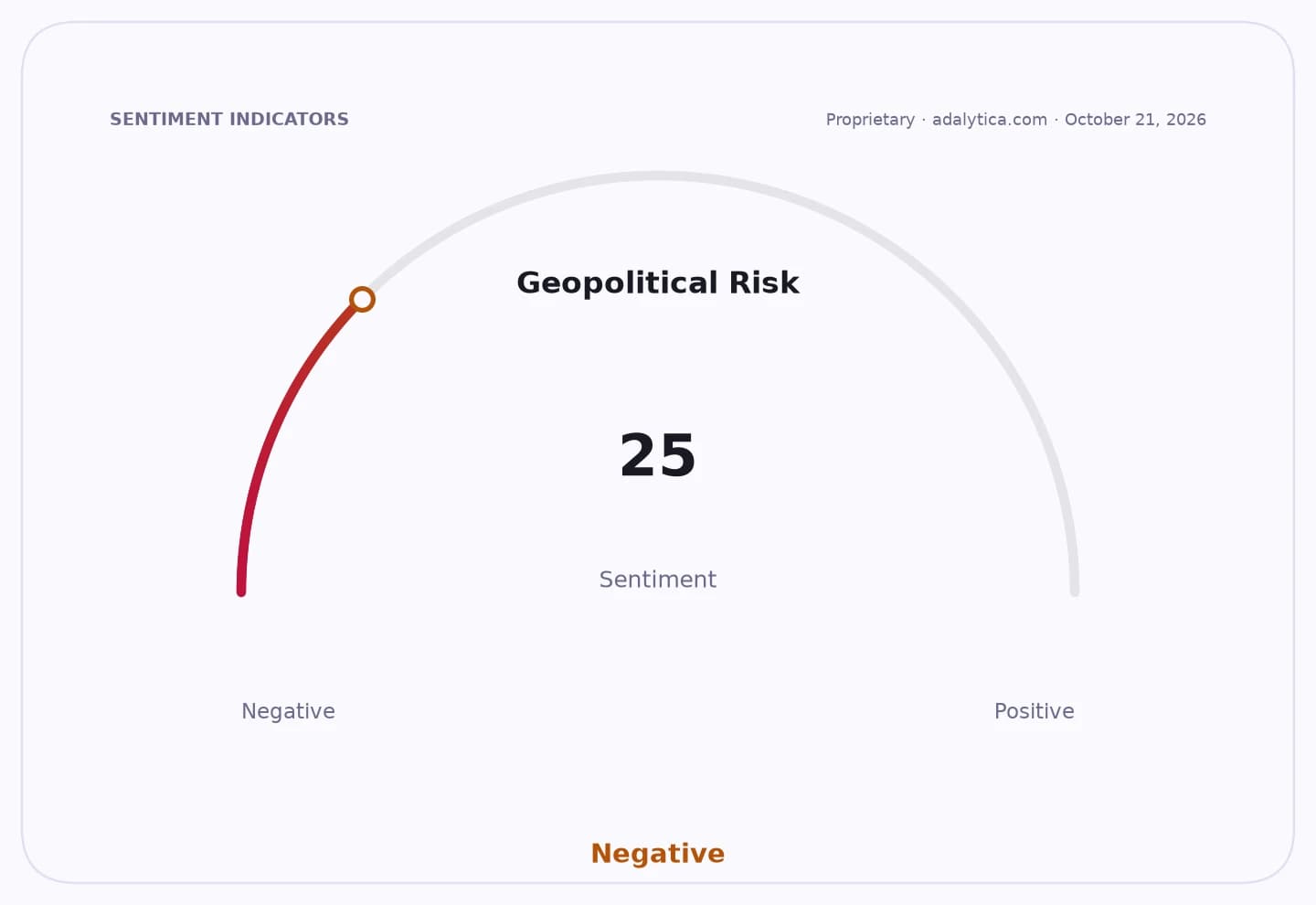
Geopolitical Risk — 30-day sentimentadalytica.com
Explore this data interactively — full history, time series and cross-market comparisons.Open AlphaPulse
The most unusual twist is Starlink. Zelenskyy said Ukraine cannot use the system for some drone-defense operations because speed limits have been imposed, and that his government is discussing the issue with U.S. officials. He said tests in the European Union did not show the same problems, raising fresh questions about whether the restrictions are technical, political or both.
For investors, this is a geopolitical story with market consequences. A weaker sanctions regime can support Russian energy revenues and prolong the war, which keeps pressure on European stability and defense spending. It also highlights the strategic value of satellite communications in conflict zones, which is why companies tied to sovereign connectivity and military communications remain part of the long-duration investment theme around defense, space and secure networks.
The stock market is already telling its own story. Shares of satellite and defense-adjacent names have been sensitive to Ukraine headlines, because the conflict keeps spotlighting demand for resilient communications, hardened networks and anti-jamming capabilities. But the larger lesson for long-term investors is that security infrastructure is becoming a durable spending category, not a one-off trade.
Zelenskyy also tried to keep a diplomatic channel open, saying Ukraine and U.S. peace negotiators could meet next week and that a trilateral meeting with Russia could be arranged around the G20 later this year. That suggests the war is still moving on two tracks at once: military escalation on the ground and political maneuvering behind the scenes.
For now, the investment takeaway is straightforward. The winter energy threat, the sanctions pause and the Starlink dispute all point to a conflict that is still reshaping defense budgets, satellite networks and European risk premiums. That makes the sector worth watching closely, especially for investors with a multi-year horizon.
| Entity | Gains | Losses |
|---|---|---|
| Russia | ▲Relief from sanctions pressure | ▼Facing more global scrutiny |
| Ukraine | ▲Attention and support appeals | ▼Energy security and battlefield communications |
| Satellite/defense suppliers | ▲Higher strategic demand | ▼Political and regulatory risk |
| Investors seeking stability | ▲More clarity on security spending themes | ▼Higher geopolitical volatility |