The fight over Ukraine aid has become a flash point for Elon Musk’s Starlink, and that makes the satellite internet business more politically risky — and potentially more strategically valuable — than the market is pricing in.
Starlink and Ukraine Aid Politics
What matters economically is not just the next tranche of money for Kyiv, but who gets paid, who gets sidelined and how governments choose to harden their communications networks as the war drags on. Germany has said it will make a “special exception” to keep aid flowing even as the European Union has balked at fresh funding, while Norway has stepped in with 750 million in crisis aid. That keeps the funding pipeline alive, but it also underscores how dependent Ukraine remains on a patchwork of national decisions rather than a clean multilateral solution.
For investors, the immediate takeaway is that Starlink is no longer just a commercial broadband story. It is now a geopolitical infrastructure asset whose addressable market expands every time a government concludes that resilient battlefield communications, secure logistics and off-grid connectivity are no longer optional. That helps explain why the debate is spilling beyond policy into the market: satellite operators, defense contractors and even hardware suppliers stand to benefit if Europe and the U.S. conclude they need more independent communications capacity, while companies exposed to softer geopolitical sentiment could see contracting delays or procurement scrutiny.
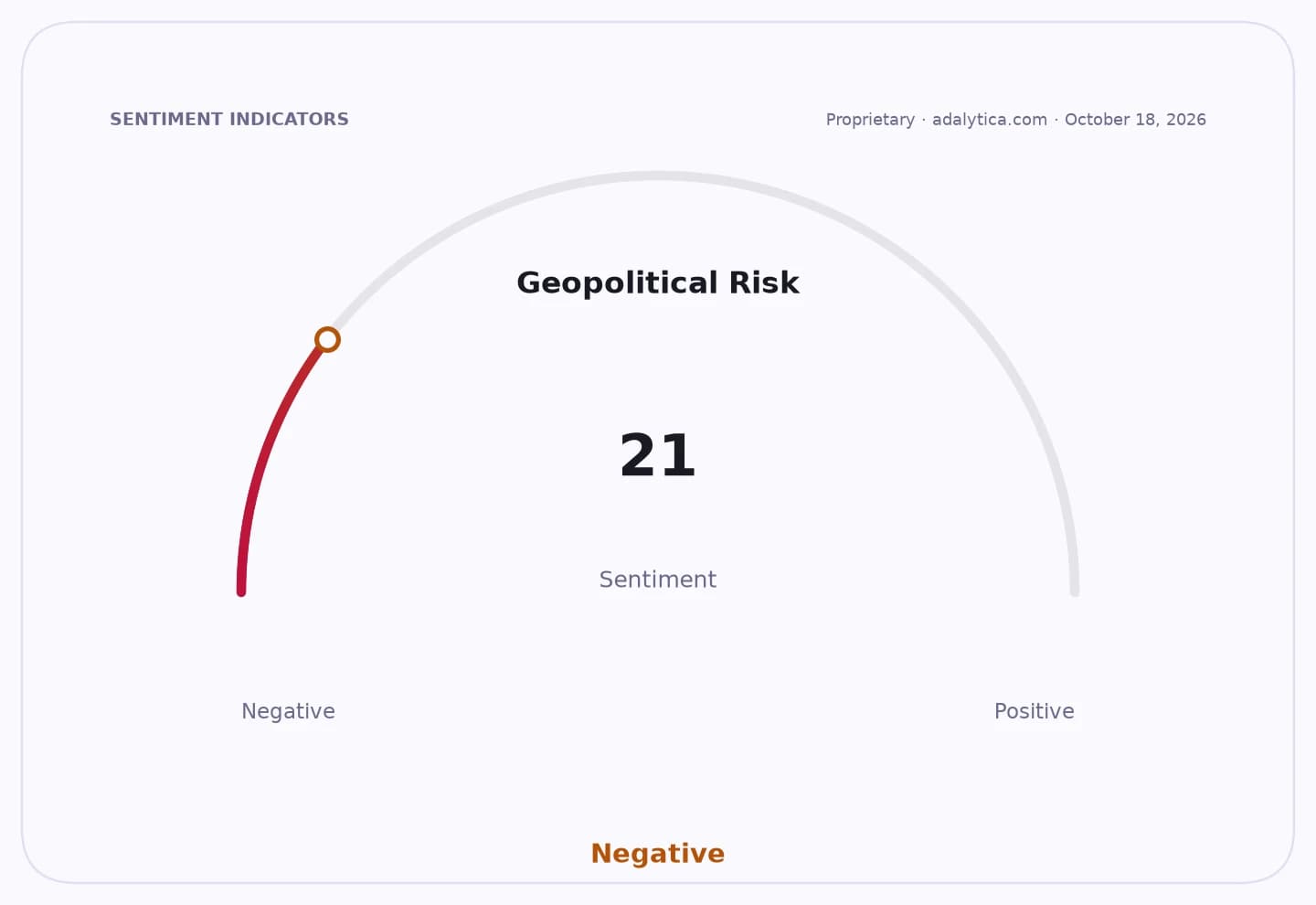
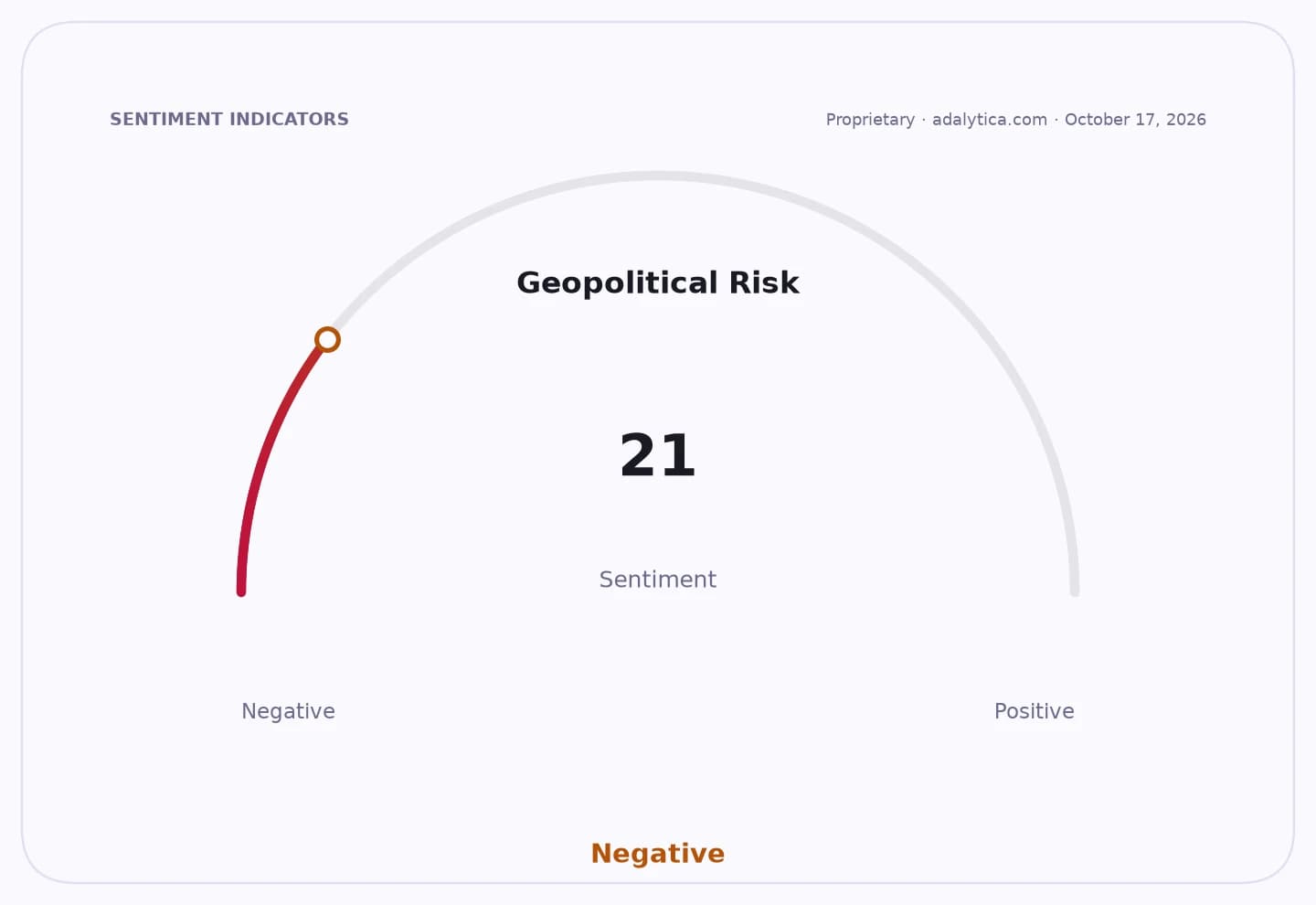
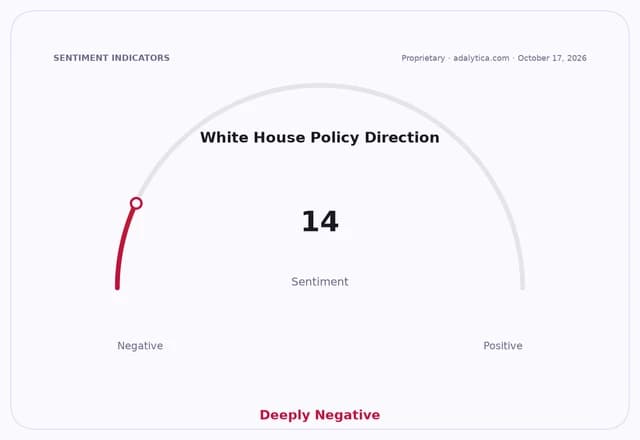
That is where the market may still be underestimating the second-order effects. Adalytica’s U.S. White House policy-direction sentiment has plunged to “Extreme Fear,” while global stability sentiment sits in “Fear” territory, a sign that geopolitical anxiety is rising even as policymakers keep funding Ukraine. In that environment, investors usually rotate toward assets with direct exposure to sovereign spending, mission-critical infrastructure and dual-use technology. Starlink, in that sense, sits at the intersection of defense, space and telecom — three secular themes with far more pricing power than traditional consumer tech.
The broader message is that Ukraine aid is increasingly being judged not only as a humanitarian and military expense, but as a catalyst for the next phase of strategic procurement. That favors satellite communications, military aerospace, hardened networking and the suppliers that support them. It also keeps pressure on policymakers to avoid supply-chain dependency on any single provider, which could eventually open the door to more spending on competing systems and constellations.
Tesla investors should also watch the optics: Musk’s companies are now more exposed to policy backlash than a normal commercial operator because the market keeps assigning them a strategic premium. That premium can widen when governments need the service, but it can also compress when political leaders decide the relationship itself is too contentious. For now, the investable thesis is simple: the Ukraine aid debate is another reminder that in a fractured world, the winners are the firms that own the infrastructure governments cannot easily do without.
| Entity | Gains | Losses |
|---|---|---|
| Starlink / SpaceX | ▲geopolitical demand for connectivity | ▼political backlash risk |
| Ukraine | ▲continued communications support | ▼uncertainty over funding |
| Defense contractors | ▲more procurement demand | ▼budget pressure from aid fatigue |
| EU aid skeptics | ▲domestic political capital | ▼strategic influence in Kyiv |