The White House ordered a temporary slowdown of SpaceX’s Starshield service used by Ukraine, a move that directly affects battlefield communications and drone operations at a sensitive moment in the war and underscores how Washington is now exerting tighter control over one of Kyiv’s most important military technologies.
White House slows SpaceX Starshield use in Ukraine
The restriction matters because Starshield — the Pentagon-backed, military-grade version of Starlink — has become embedded in Ukraine’s strike and air-defense tactics. Any limit on its performance can reduce the range, speed and reliability of drone missions, complicating attacks on Russian forces and logistics in occupied territory and hindering interceptor drones used against incoming Shahed systems.
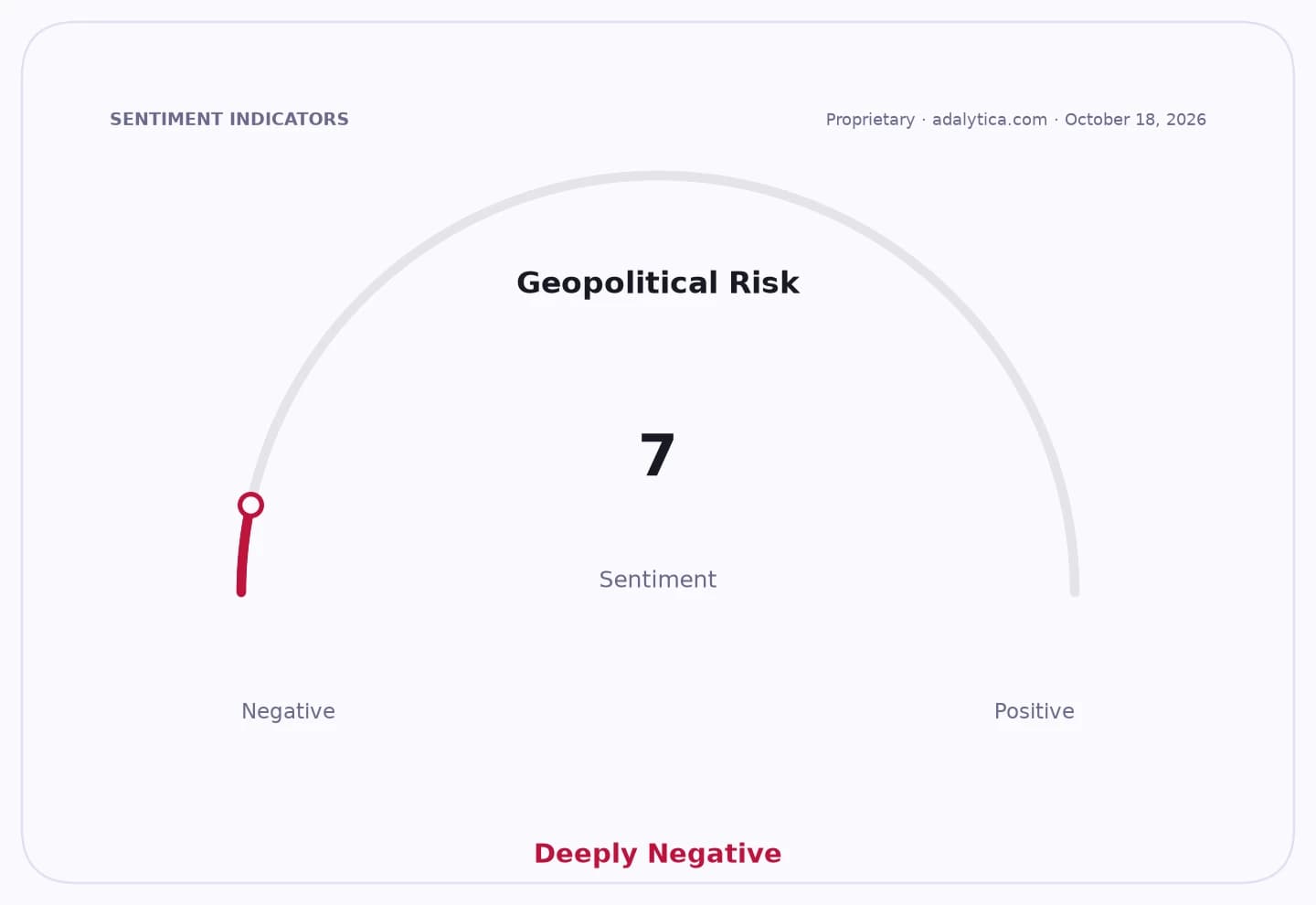
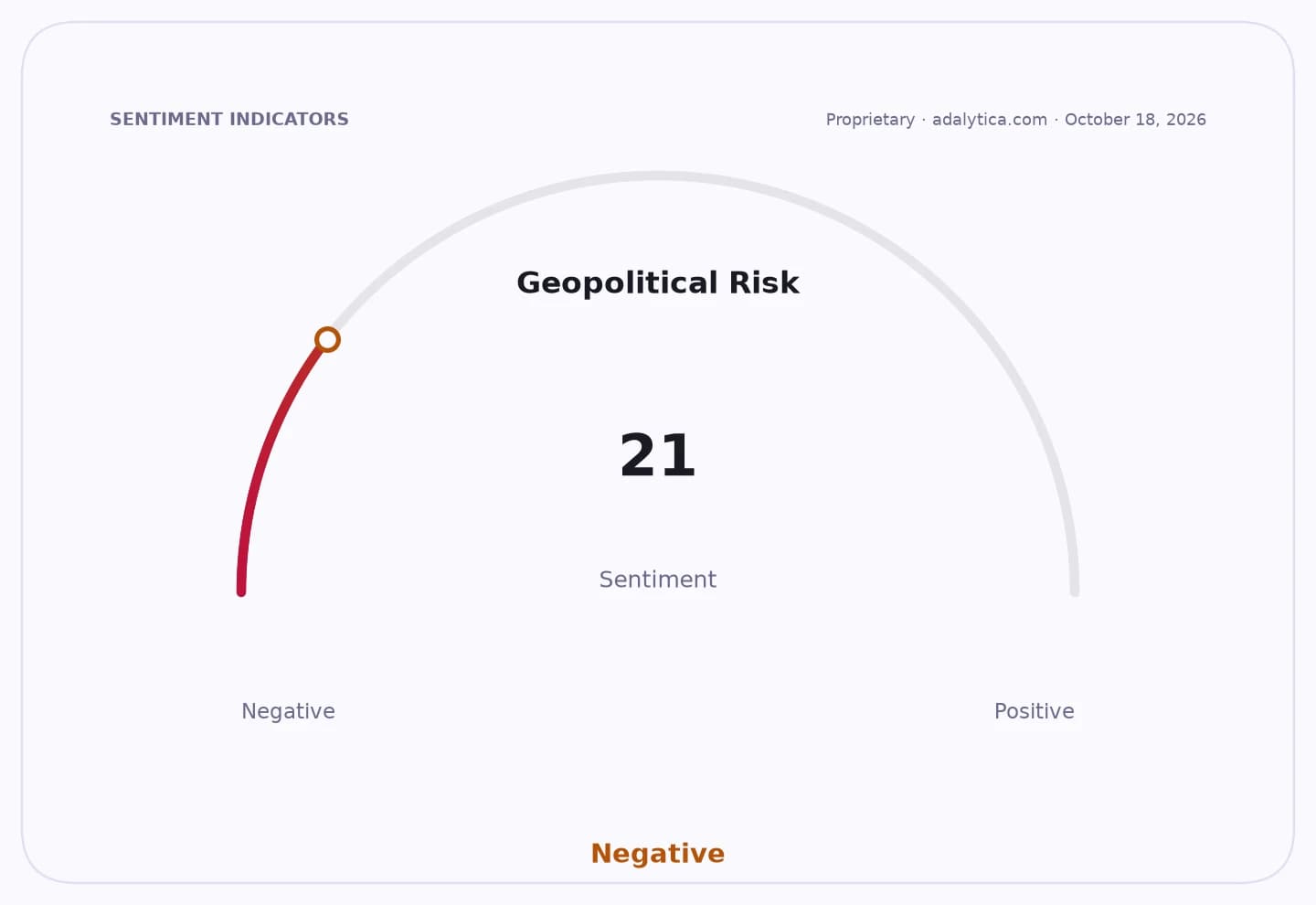
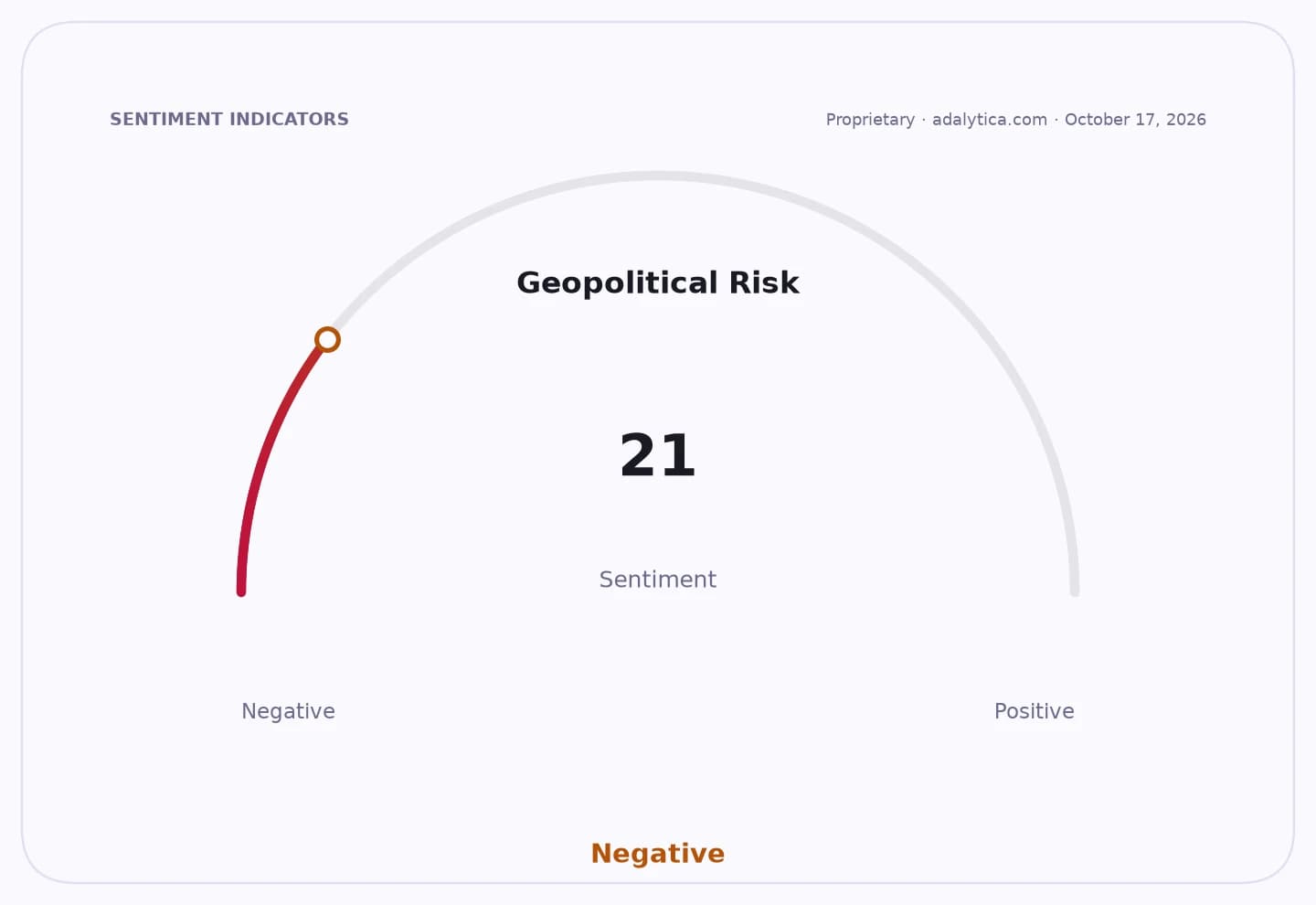
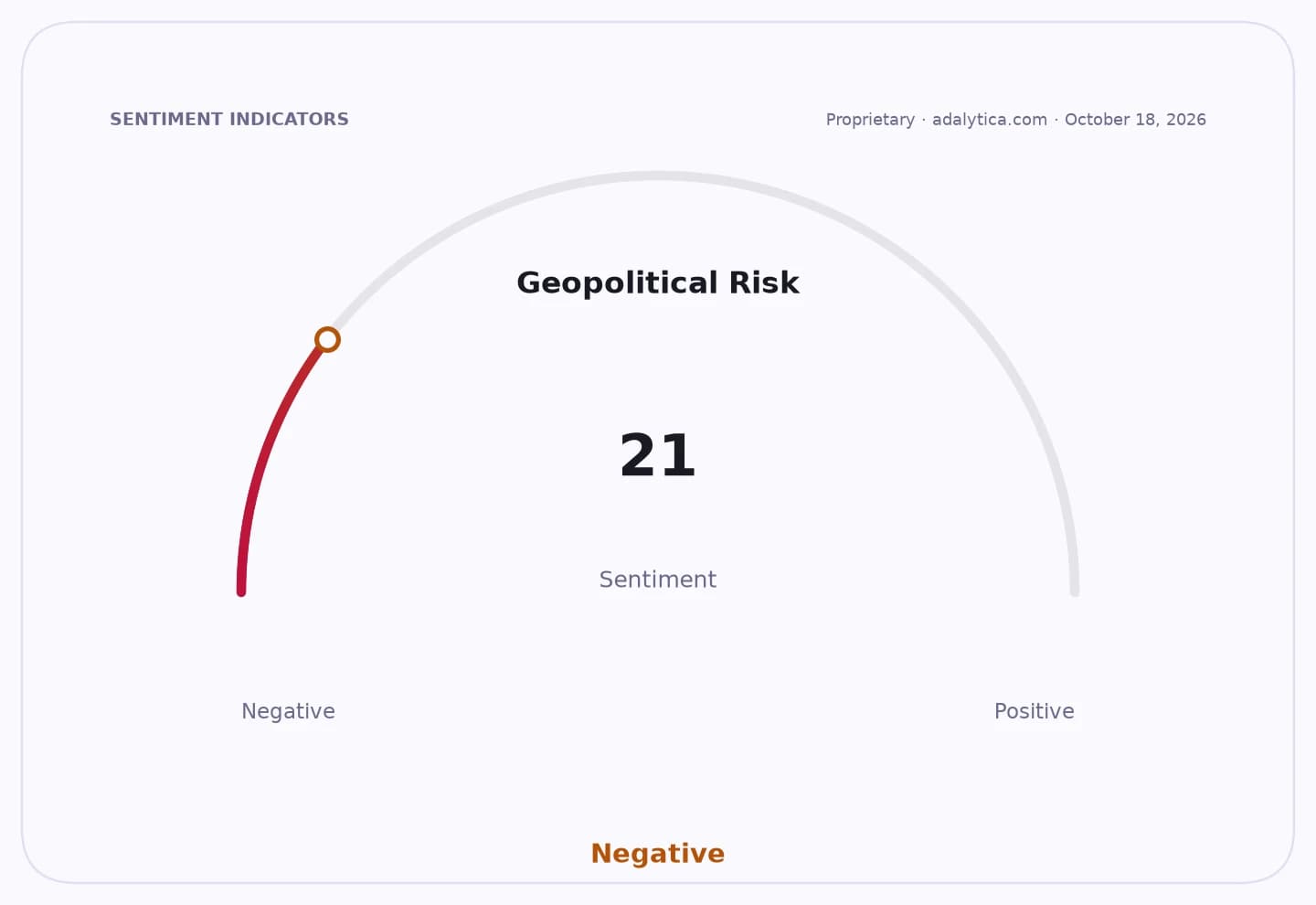
Sentiment IndicatorsⓘProprietary · adalytica.com · October 18, 2026
This is a snapshot — live sentiment, awareness and momentum for 130+ markets update continuously in the dashboard.Open AlphaPulse
Ukrainian officials said the military-grade receivers had stopped working on fast-moving objects, though one official later said they were functioning again at up to 100 miles per hour. That kind of operational constraint is not a minor technical glitch: it changes how drones are deployed, where they can be used and how much risk commanders can take in contested airspace.
The episode also exposes a widening political rift between Washington and Kyiv. The Trump administration has pressed Ukraine to halt strikes on Russian refineries, arguing the attacks have helped push up energy prices at home. That pressure has come alongside broader US frustration with President Volodymyr Zelenskiy’s approach to the war and with Kyiv’s refusal to stop targeting Russian energy infrastructure. Reuters has also reported threats to curtail intelligence sharing, raising the stakes further.
For investors, the immediate read-through is less about SpaceX — which does not disclose standalone Starshield financials — than about the defense ecosystem that depends on government-controlled satellite communications. The Pentagon has spent billions on Starlink and Starshield services and has bought dedicated Starshield satellites for missile-warning and spy missions, making the system strategically important for US defense procurement and for contractors tied to space-based communications, command-and-control and surveillance.
The policy signal is that access to commercial space infrastructure in war zones is no longer purely a matter of technical availability or vendor discretion. It is becoming a lever of US foreign policy. That has implications for Ukraine’s warfighting capacity, for the credibility of Western support, and for future Pentagon procurement decisions in which satellite resilience, sovereign control and export restrictions will matter as much as raw performance.
For defense stocks, the market impact is indirect but real. Lockheed Martin, Northrop Grumman and Boeing are not the operators of Starshield, but they compete in the broader architecture of defense networks, missile warning, secure communications and space systems. The more Washington prioritizes controlled, government-owned or government-directed communications layers, the more valuable those capabilities become — while also increasing the risk that geopolitical decisions can affect contract timing, scope and usage.
The other investor takeaway is that the war’s technology stack is now a policy variable. Any future loosening or tightening of Starshield limits, or any further friction between the White House and Kyiv, could alter Ukraine’s drone effectiveness, affect the pace of military aid decisions and feed into broader risk sentiment around defense, energy and geopolitical exposure.
| Entity | Gains | Losses |
|---|---|---|
| White House | ▲Leverage over Ukraine policy | ▼Blame for battlefield disruption |
| Ukraine | ▲Potential future US support | ▼Drone performance and strike flexibility |
| SpaceX/Pentagon satellite system | ▲Strategic relevance | ▼Political scrutiny over control |
| Defense contractors | ▲More focus on secure space systems | ▼Risk of slower or politicized procurement |