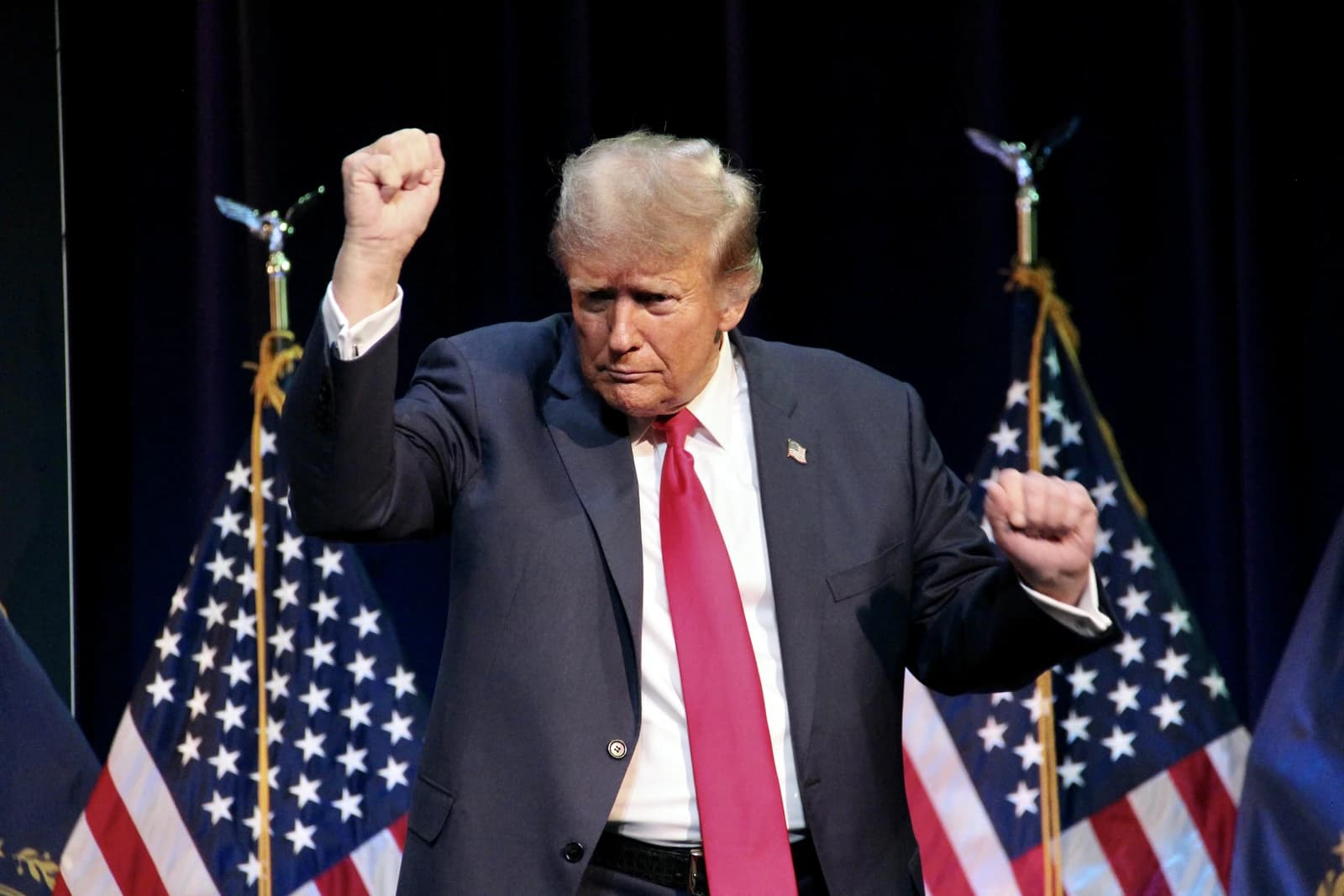
US President Donald Trump is escalating his criticism of Ukraine’s wartime funding, saying missiles supplied by Washington under Joe Biden were sold on the “open market” and questioning where billions of dollars in American military and financial aid went.
Trump Questions Ukraine Aid as US Rebuilds Missiles
The remarks deepen pressure on Kyiv at a sensitive moment, with Ukraine said to have run low on Patriot interceptor missiles just as Russia continues missile attacks and the White House signals it wants to rebuild US stockpiles before expanding weapons sales to allies. For investors, the comments reinforce the risk that US support for Ukraine becomes more transactional and less open-ended, a shift that could reshape defense demand, procurement timing and the outlook for contractors tied to missile production.
Trump offered no evidence for the claim that US weapons were diverted, but the accusation lands in the middle of a broader debate over how quickly Washington can replenish interceptors after recent US operations in the Middle East strained inventories. That matters economically because missile defense production is capital-intensive, slow to scale and heavily dependent on government orders, making any change in US purchasing priorities relevant to the defense industrial base.
The stocks of major US defense contractors have already been reflecting those dynamics. RTX, which makes Patriot interceptors and related missile-defense systems, closed at $193.92 on Oct. 16, above its 50-day moving average of $200.06 but still below its 200-day average of $194.04, while Northrop Grumman ended at $519.86, below its 200-day average of $589.90. Lockheed Martin finished at $552.09, also below its 200-day average of $559.11, as investors weighed replenishment demand against budget and supply constraints.
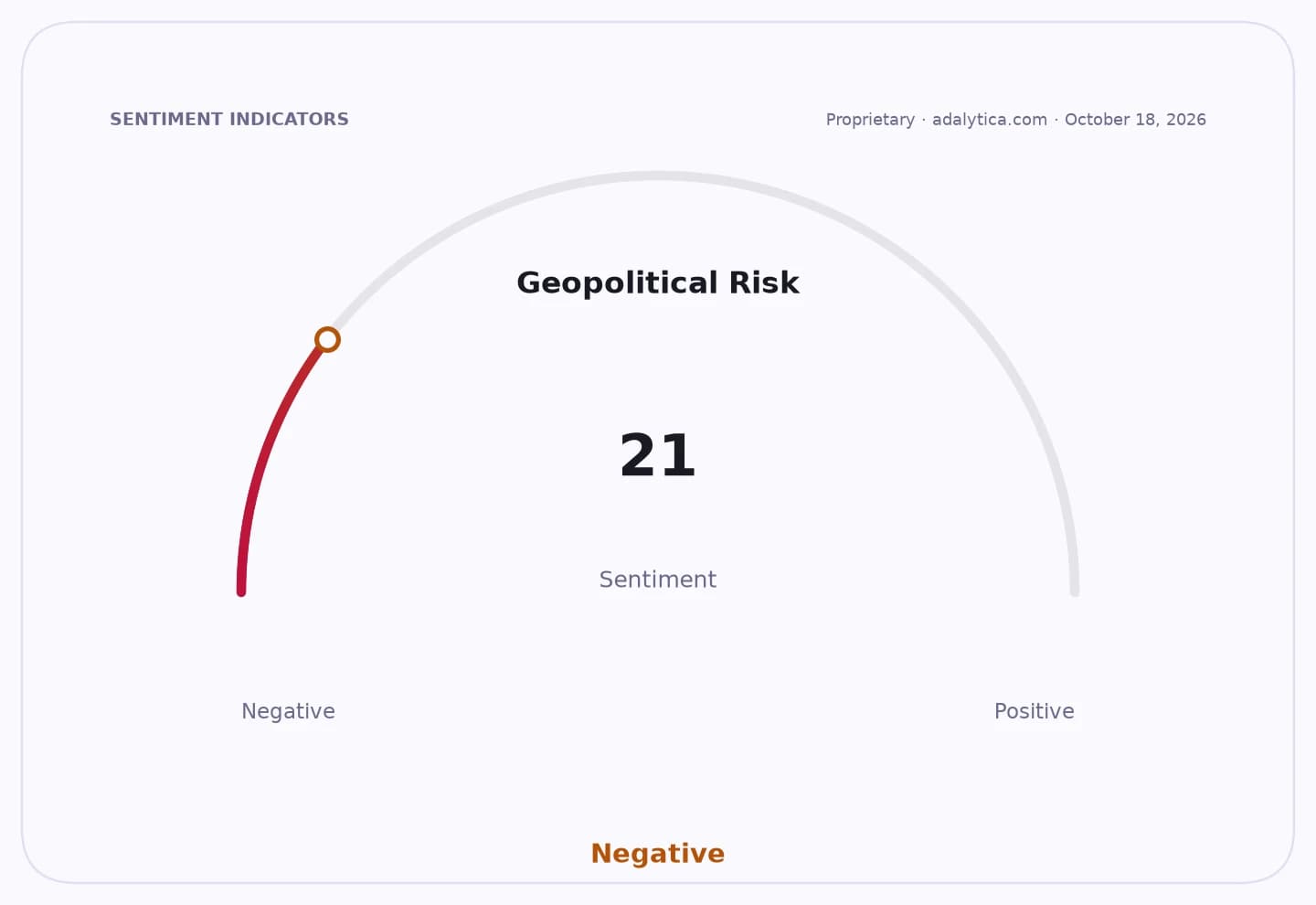
Geopolitical Risk vs RTXadalytica.com
Explore this data interactively — full history, time series and cross-market comparisons.Open AlphaPulse
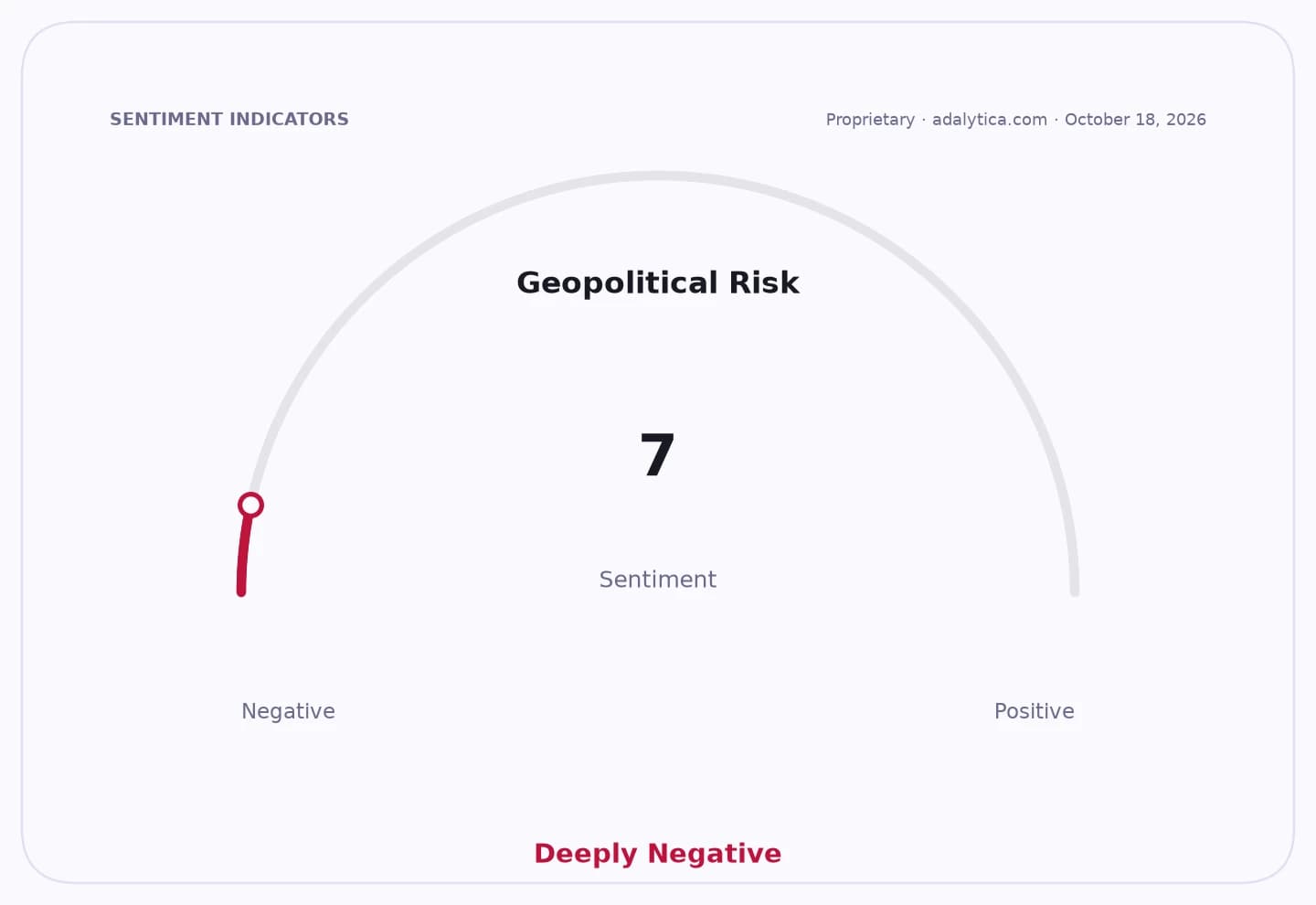
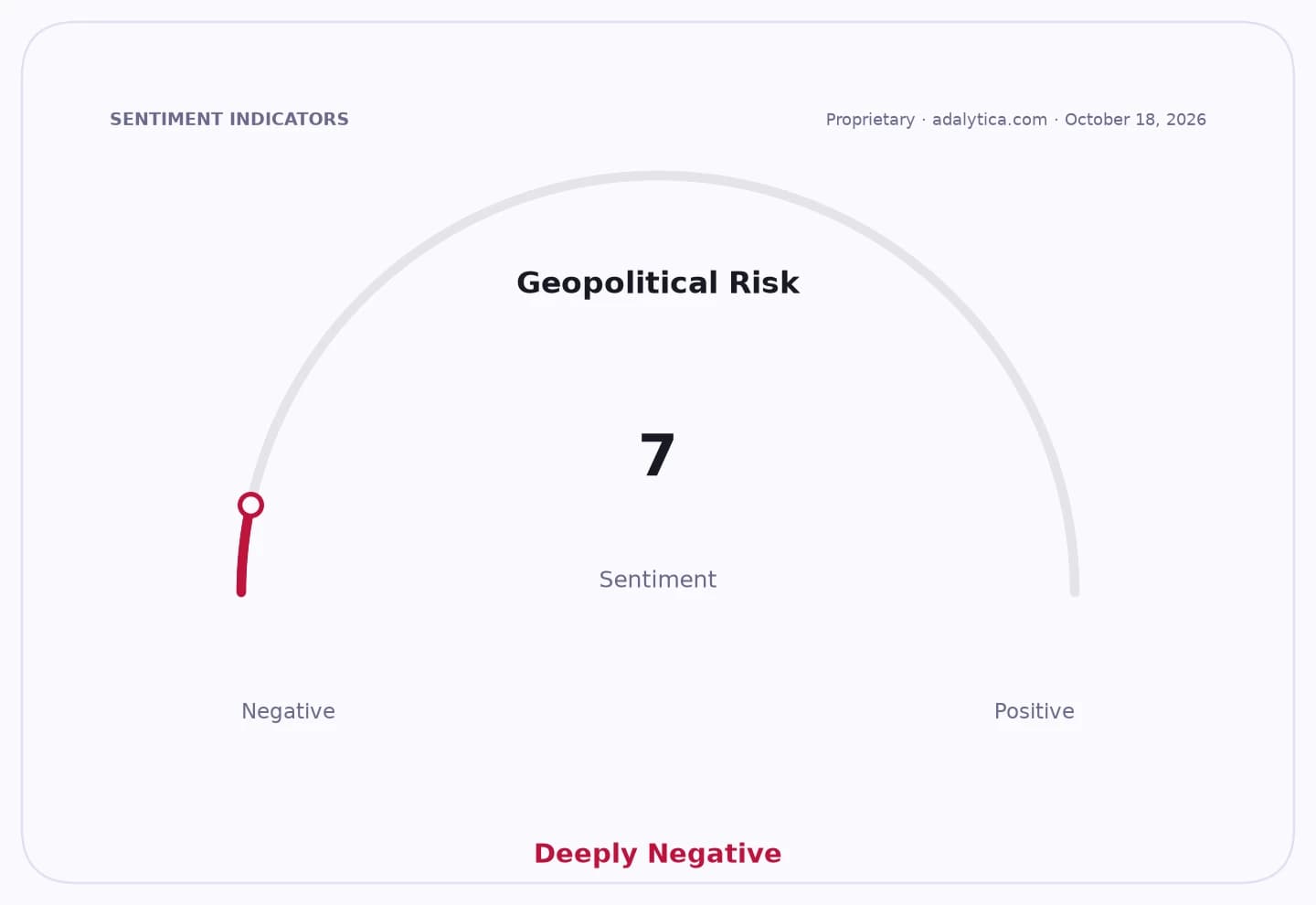
The geopolitical backdrop is worsening rather than easing. Adalytica’s Global Stability Sentiment gauge sits at 7, labeled “Extreme Fear,” reflecting the market’s sensitivity to any sign of US disengagement or supply shortages. Trump’s suggestion that allies may eventually have to buy American weapons after US stocks are “really stocked” points to a more commercial model for future aid, one that could benefit defense makers if demand persists but could also delay deliveries and complicate Ukraine’s battlefield planning.
The next catalyst is whether Washington moves from rhetoric to policy — either by accelerating domestic replenishment, approving new allied sales, or narrowing direct support for Kyiv as the war grinds on.
| Entity | Gains | Losses |
|---|---|---|
| RTX | ▲interceptor demand visibility | ▼near-term delivery pressure |
| Lockheed Martin | ▲future missile sales | ▼uncertainty over Ukraine orders |
| Northrop Grumman | ▲broader defense rearmament | ▼slower aid-driven procurement |
| Ukraine | ▲diplomatic leverage if aid resumes | ▼weapons shortages and scrutiny |