Russia believes it can paralyze Ukraine’s energy system with about a month of intense missile and drone strikes, according to an intercepted attack plan cited by the New York Times, underscoring how the war is shifting into a direct assault on the country’s economic backbone ahead of winter.
Russia plans winter strikes on Ukraine power grid

The plan matters because Ukraine’s power grid is not just a military target but the infrastructure that keeps homes heated, water pumps running and factories operating. If Moscow can inflict the damage it expects, the economic cost would be immediate: cities could lose as much as 90% of available electricity capacity, heating output could fall sharply and water and sanitation systems in major urban centers could be thrown into disarray.
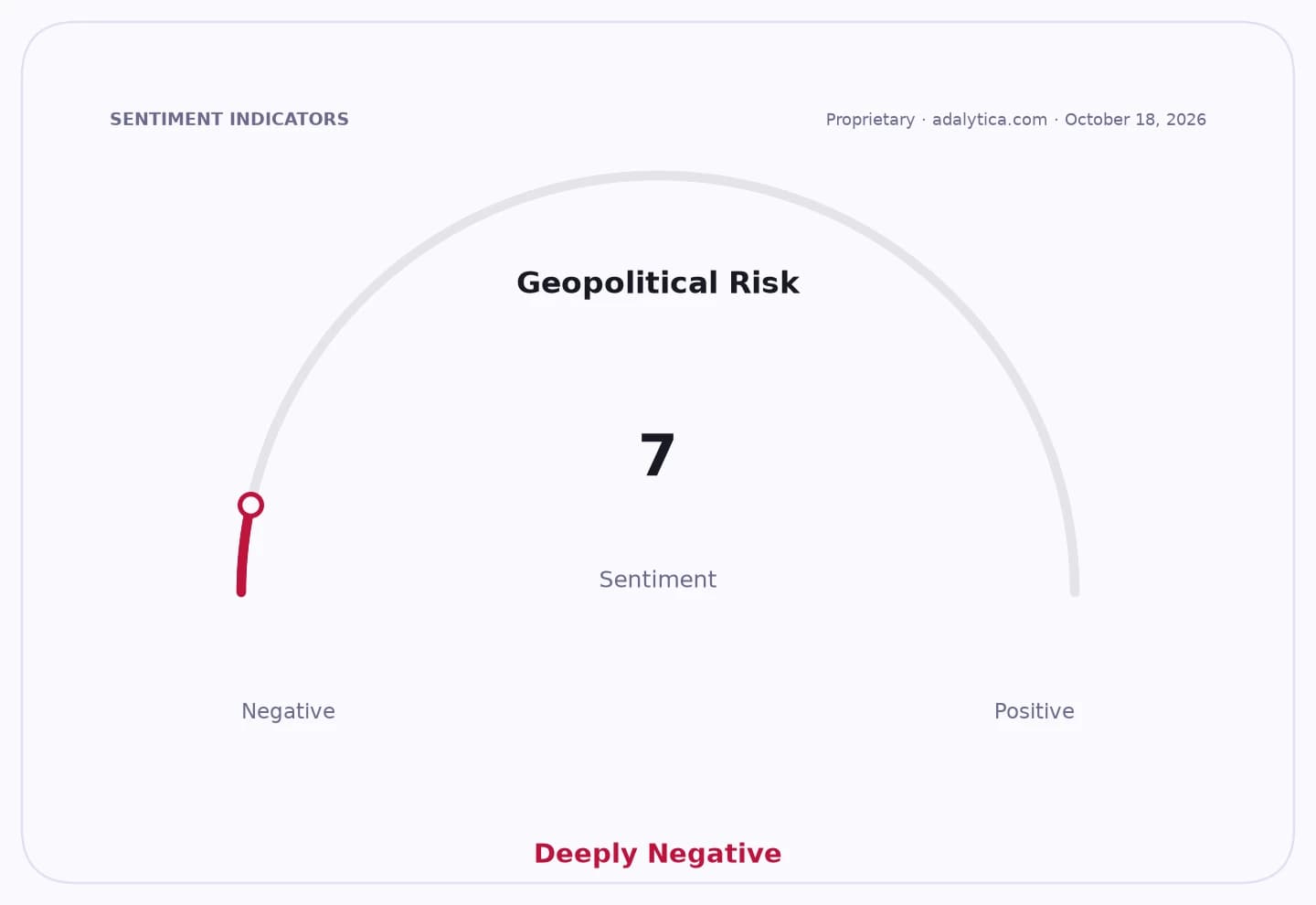
Sentiment IndicatorsⓘProprietary · adalytica.com · October 18, 2026
This is a snapshot — live sentiment, awareness and momentum for 130+ markets update continuously in the dashboard.Open AlphaPulse

That would deepen pressure on an economy already weakened by years of war and by repeated attacks on energy assets. Russian strikes this week hit all three of Kyiv’s combined heat and power plants, while October attacks also targeted transmission stations that move electricity into the capital. Kyiv is heading into winter with limited local generation and growing dependence on power from outside the city, leaving it more exposed to further disruption.
The military calculus is equally stark. Moscow’s estimate, based on the intercepted plan and Ukrainian air force data cited by the NYT, is that it would take roughly 70 ballistic missiles, 720 long-range drones and 150 guided bombs to cut Kyiv, Kharkiv and Odesa off from water, electricity and heat. Those numbers are close to the average monthly volume of missiles and drones that get through Ukraine’s air defenses, according to the report, suggesting Russia believes the balance has shifted enough to make a sustained campaign workable.
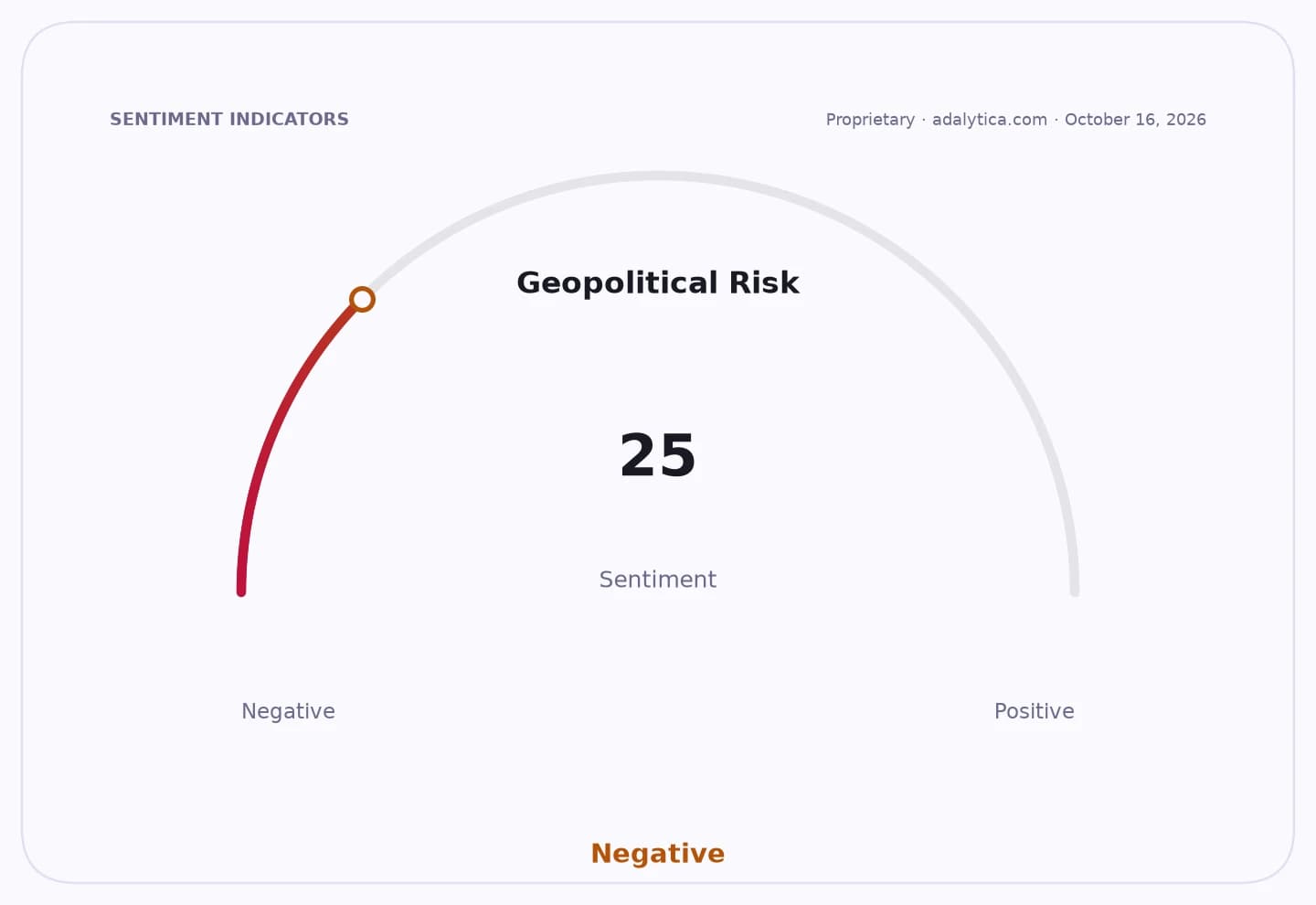
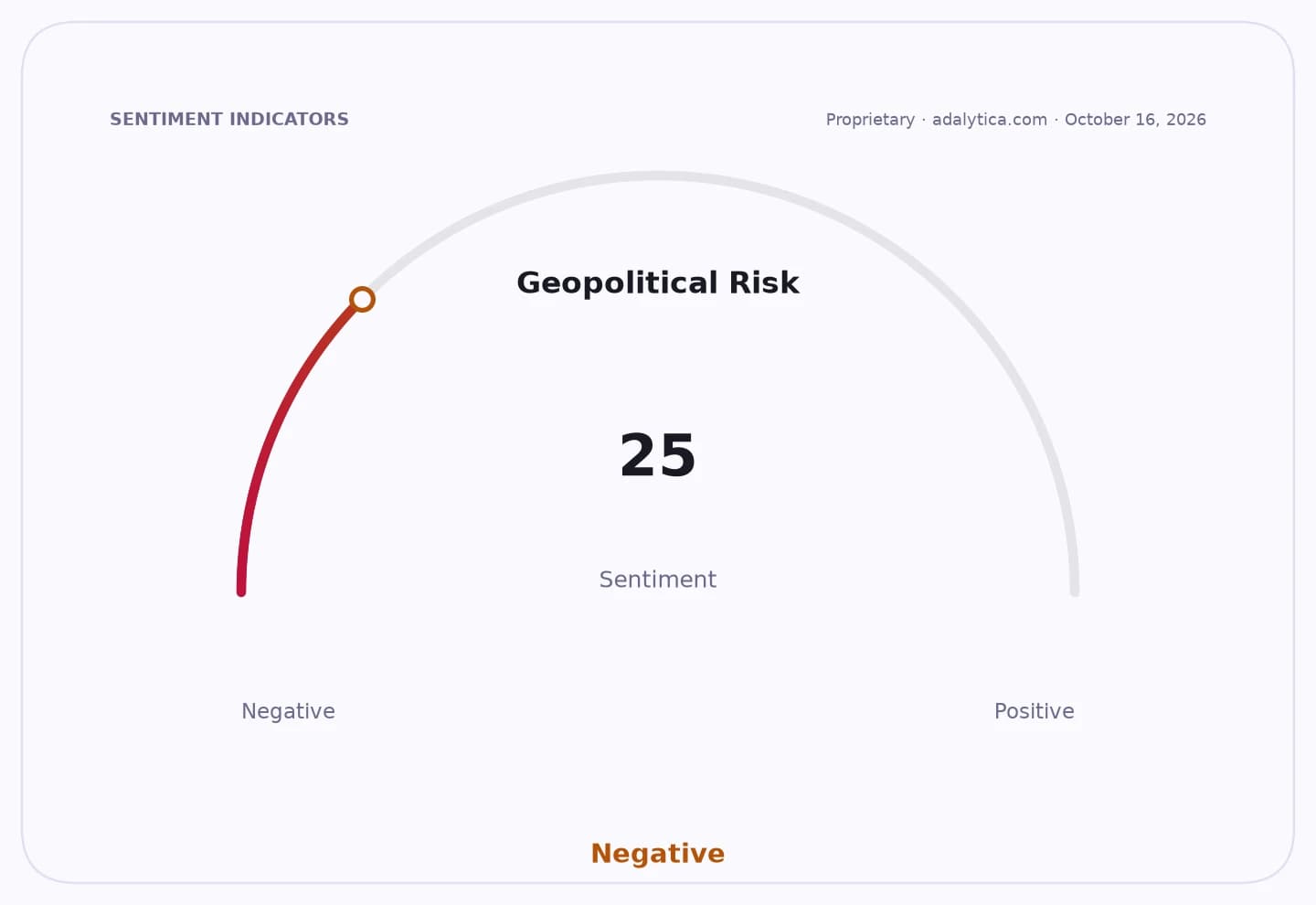
Geopolitical Risk — 30-day sentimentadalytica.com
Explore this data interactively — full history, time series and cross-market comparisons.Open AlphaPulse
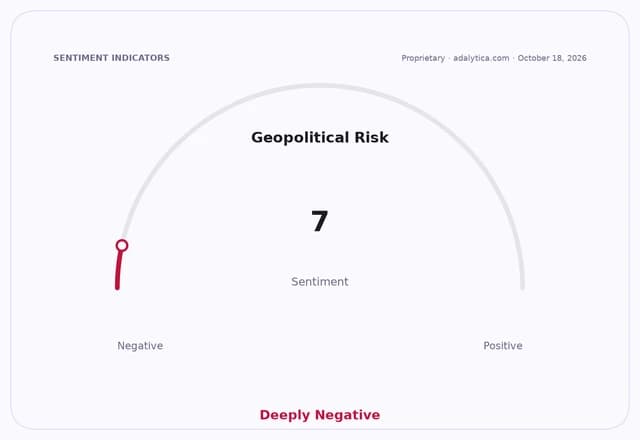
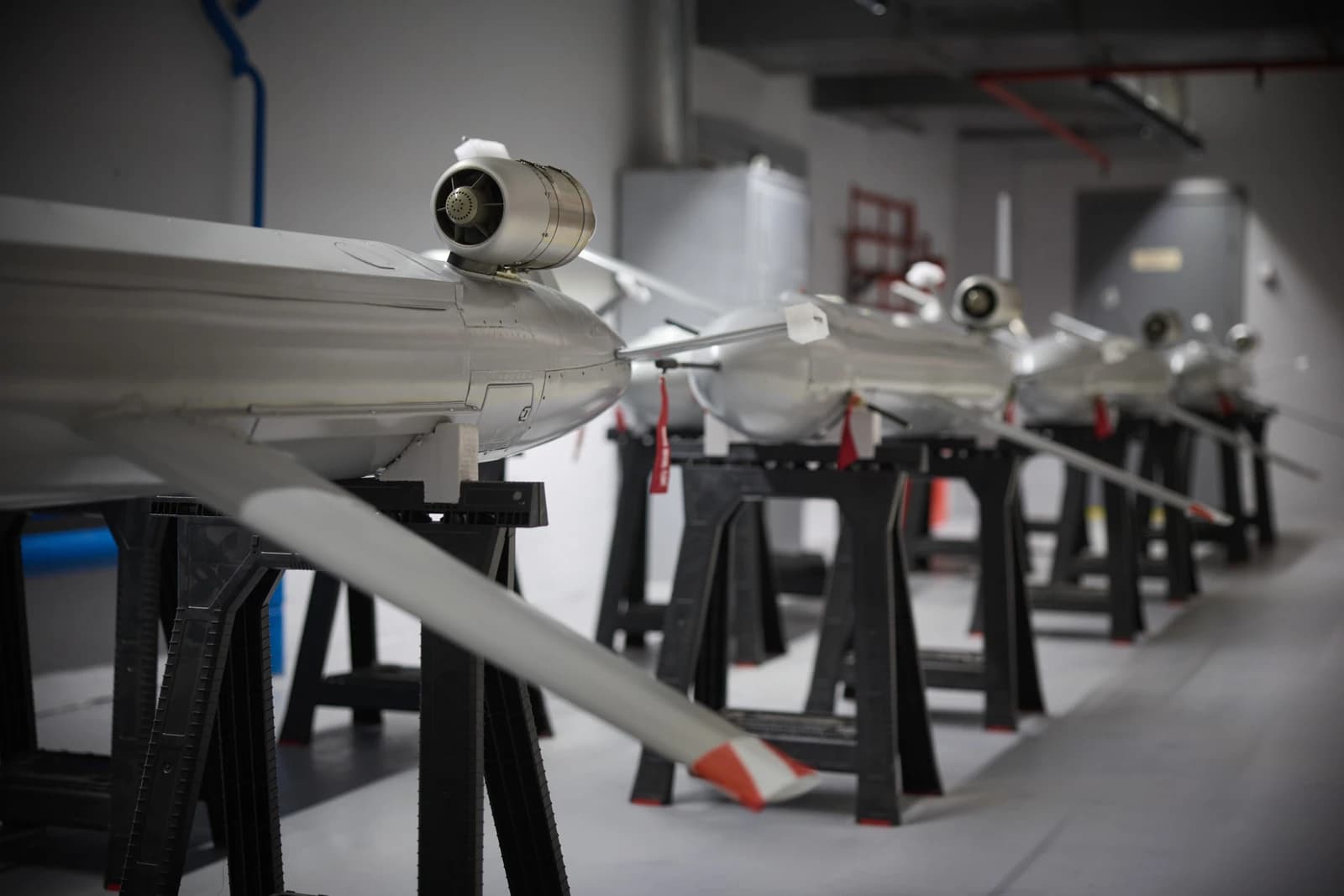
That assessment reflects three developments investors and policymakers should not ignore. First, Ukraine’s air defenses have been degraded by years of combat and by gaps in U.S. military support. Second, Russia has expanded its arsenal and improved some of its weapons, including new jet-powered drones that are proving harder to intercept. Third, Ukraine’s energy infrastructure is already so damaged that a single successful strike can now do the work of several earlier attacks.
For markets, the immediate relevance is broader than the battlefield. A prolonged assault on Ukraine’s grid increases geopolitical risk across Europe, raises the odds of fresh emergency aid from the EU and its allies, and keeps pressure on defense procurement, power-system repairs and humanitarian logistics. It also sustains the premium on energy security just as winter demand rises, even if global oil and gas benchmarks have not yet reacted sharply.
There is also a strategic irony: while Russia is trying to break Ukraine’s economy through the power system, Ukraine has been targeting Russian refineries to hit the Kremlin’s war financing. But Ukrainian officials acknowledge those strikes have not inflicted damage on Russia on the same scale, and Moscow appears better positioned than at any previous point in the war to mount a winter air campaign with potentially decisive consequences.
The key question now is whether Western aid can keep Ukraine’s defenses above the level needed to blunt the attack. Kyiv is asking for more Patriot interceptors, air-to-air missiles and medium-range air defenses, but supplies are tight. If reinforcements do not arrive quickly, the next phase of the war may be defined less by territorial gains than by whether Ukraine can keep the lights on.
| Entity | Gains | Losses |
|---|---|---|
| Russia | ▲Pressure on Kyiv’s war effort | ▼Higher sanction and aid risk |
| Ukraine | ▲Western sympathy and emergency support | ▼Power, heat and infrastructure damage |
| EU/NATO defense suppliers | ▲Higher weapons demand | ▼Continued security instability |
| Ukrainian civilians and utilities | ▲None | ▼Winter outages and disruption |