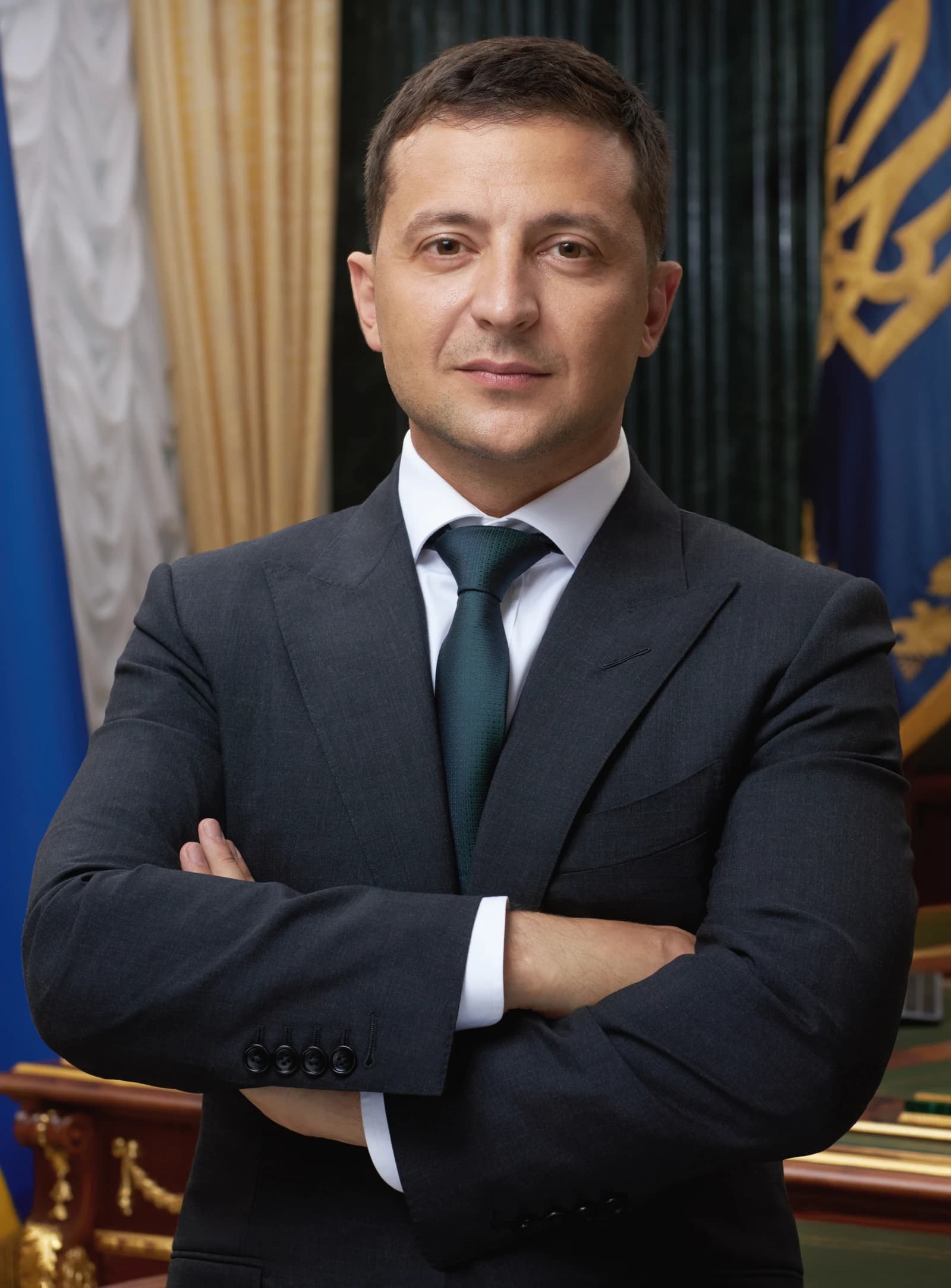
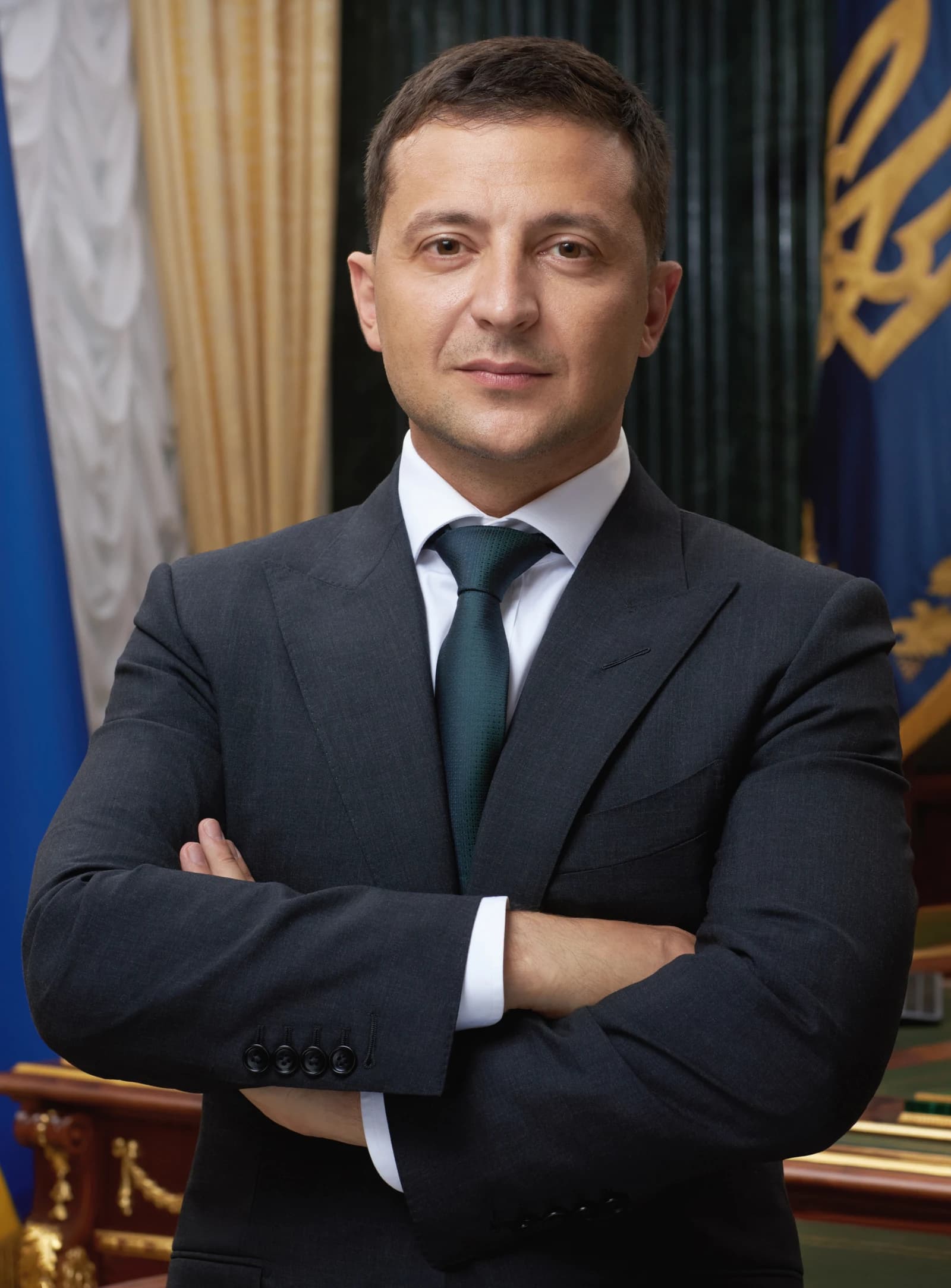
Russia’s latest escalation in Ukraine is sharpening the case for faster Western weapons deliveries, with President Volodymyr Zelensky warning that Moscow is preparing a “massive attack” and saying Kyiv’s ability to absorb it will depend on the speed and scale of allied support.
Ukraine air defenses face pressure after latest strikes
The warning matters because Ukraine’s air defenses remain the key constraint on its ability to blunt Russian missile and drone campaigns, protect civilians and preserve energy and industrial infrastructure heading into another period of sustained attacks. Each new wave of strikes raises the military and economic cost of the war, drains Ukraine’s limited interceptors and pushes allies back to a familiar policy test: whether rhetoric about support is matched by shipments of air-defense systems, ammunition and financing.
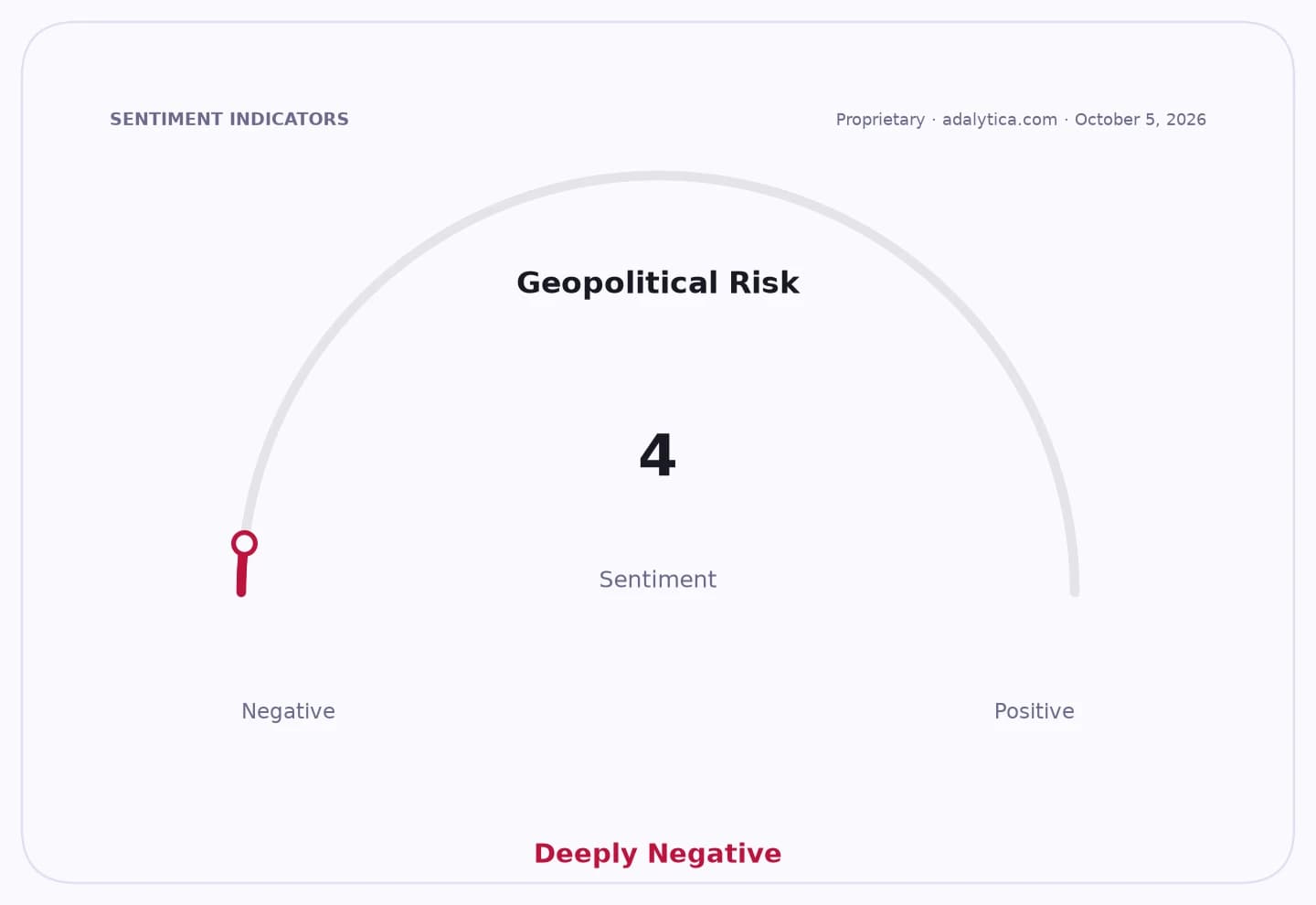
Sentiment IndicatorsⓘProprietary · adalytica.com · October 7, 2026
This is a snapshot — live sentiment, awareness and momentum for 130+ markets update continuously in the dashboard.Open AlphaPulse
Zelensky said Ukrainian services and the air force were ready to respond “to the extent permitted by our available means of defense,” a phrasing that underscores the imbalance between Russia’s offensive capacity and Ukraine’s stockpiles. He said Ukraine’s position depended largely on what partners in the United States, Europe and elsewhere were prepared to provide, adding that political will was “critically important.”
That appeal comes as the battlefield backdrop remains volatile. Russian strikes have intensified in recent days, with reports of large-scale missile and drone attacks causing dozens of deaths and widespread damage, adding to a pattern that has repeatedly forced Kyiv to divert resources from the front line to air defense and emergency repairs. For Ukraine, the immediate economic issue is not only military survivability but also continuity of power supply, transport links and industrial output, all of which feed into growth, fiscal needs and reconstruction costs.
Geopolitical Risk — 30-day sentimentadalytica.com
Explore this data interactively — full history, time series and cross-market comparisons.Open AlphaPulse
For investors, the geopolitical signal is less about direct exposure to Ukrainian assets than the spillover into broader risk pricing. Escalation typically supports haven demand, adds a risk premium to European energy and defense markets and keeps pressure on governments to sustain military aid. The Adalytica Global Stability Sentiment gauge shows an extreme-readings backdrop, suggesting markets are already pricing a high level of geopolitical fragility even as some risk assets continue to trade as if the conflict remains contained.
The war also feeds into commodities. Brent has been more sensitive to supply-risk headlines across the wider region, while gold has functioned as the cleaner hedge when conflict risk rises. In the data provided, U.S. Oil Fund shares were trading well above their 50-day moving average even after a pullback, reflecting how quickly crude exposure can reprice on geopolitical shocks. Gold-backed GLD, meanwhile, was trading below its 50-day and 200-day moving averages, indicating that the metal had not yet fully captured a renewed flight-to-safety bid despite the worsening headlines.
The underlying market message is that the conflict is still capable of repricing energy, defense and safe-haven flows, even if the broader macro response has been uneven. For Europe, a sustained escalation would keep the pressure on governments to accelerate missile-defense procurement and replenish inventories, while for Ukraine the priority remains straightforward: secure enough interceptors to survive the next wave and enough external support to keep the economy functioning.
| Entity | Gains | Losses |
|---|---|---|
| Ukraine air defenses | ▲Urgency for allied resupply | ▼Depleting interceptor stocks |
| Western defense suppliers | ▲Higher procurement demand | ▼Faster inventory drawdowns |
| Oil and safe-haven assets | ▲Geopolitical risk bid | ▼Relief trade |
| Russia | ▲Tactical leverage from strikes | ▼Higher sanction and aid backlash |