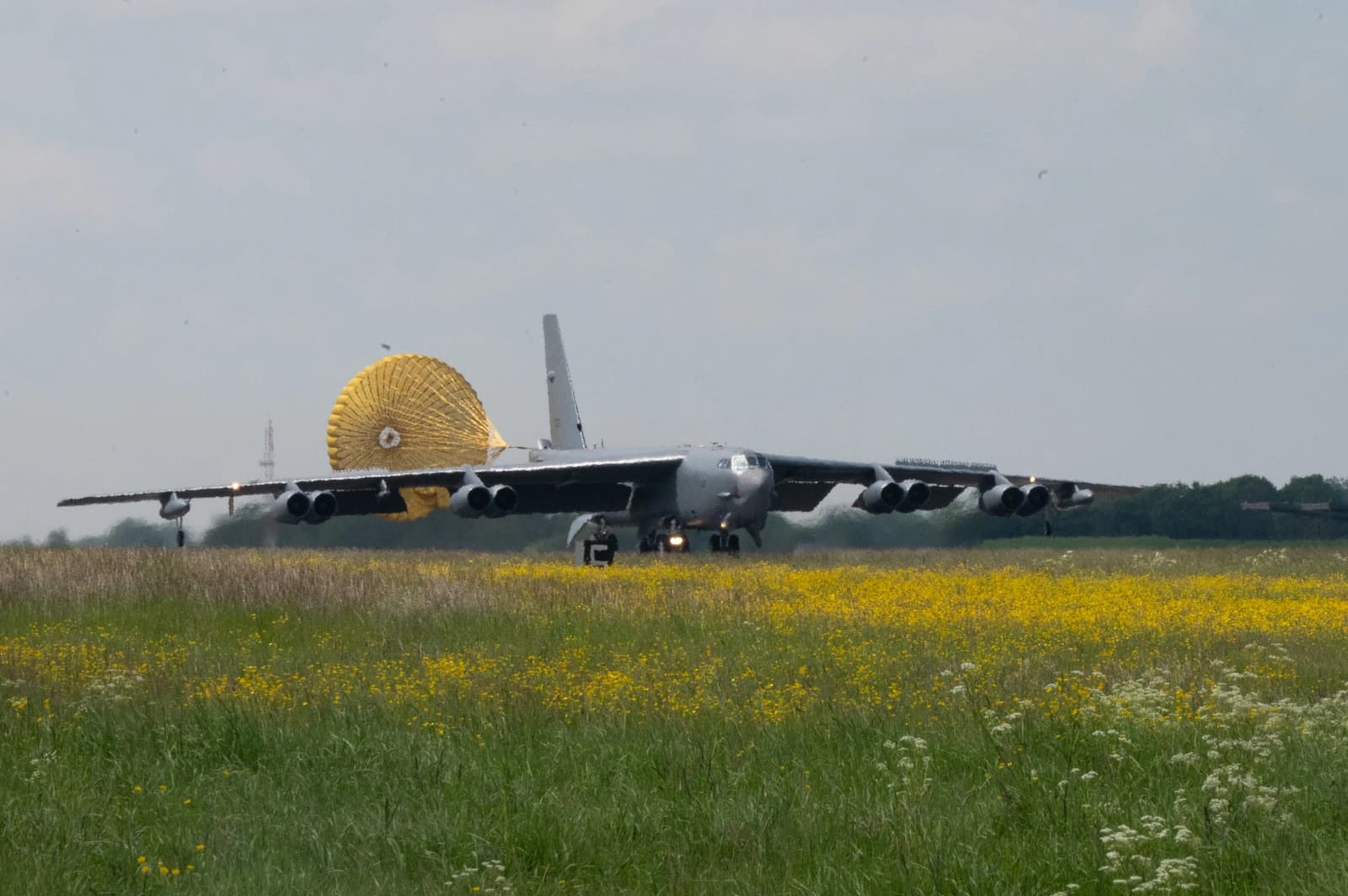
The US Air Force plans to spend about $1.7 billion over the next five years to modernize its B-1B and B-2 strategic bombers, a move that underscores how the Pentagon is trying to preserve long-range strike capability even as it pours more money into next-generation aircraft.
US Air Force Plans $1.7B B-1B and B-2 Upgrades
The spending plan matters because the bomber leg of the US nuclear deterrent and conventional strike force remains central to American military power, especially in a security environment shaped by Russia’s war in Ukraine, rising tensions with China and the need to project force across vast distances. Upgrading the B-1B and B-2 is a bridge strategy: the Air Force is extending the useful life of legacy platforms while the stealth B-21 Raider moves toward wider deployment.
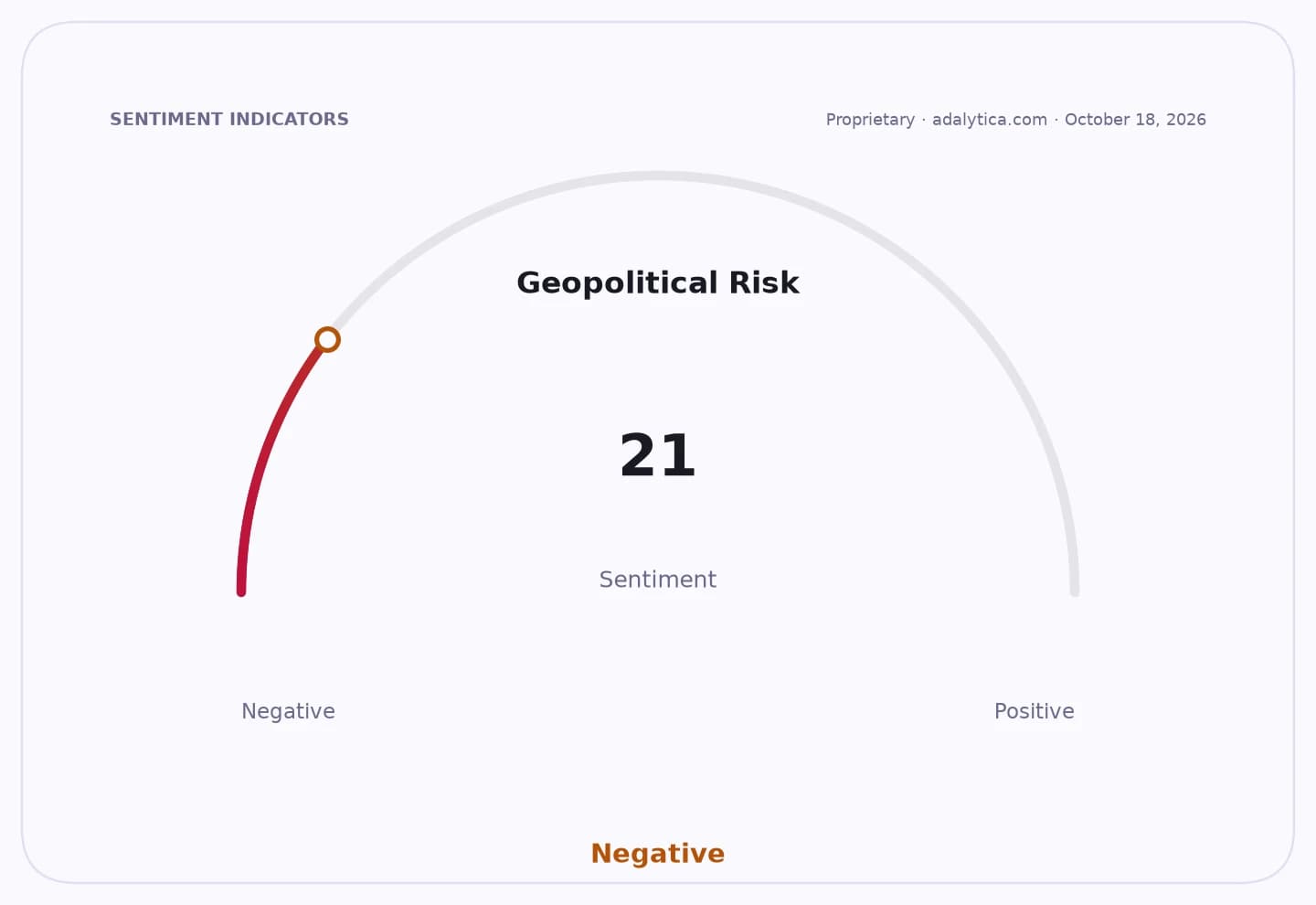
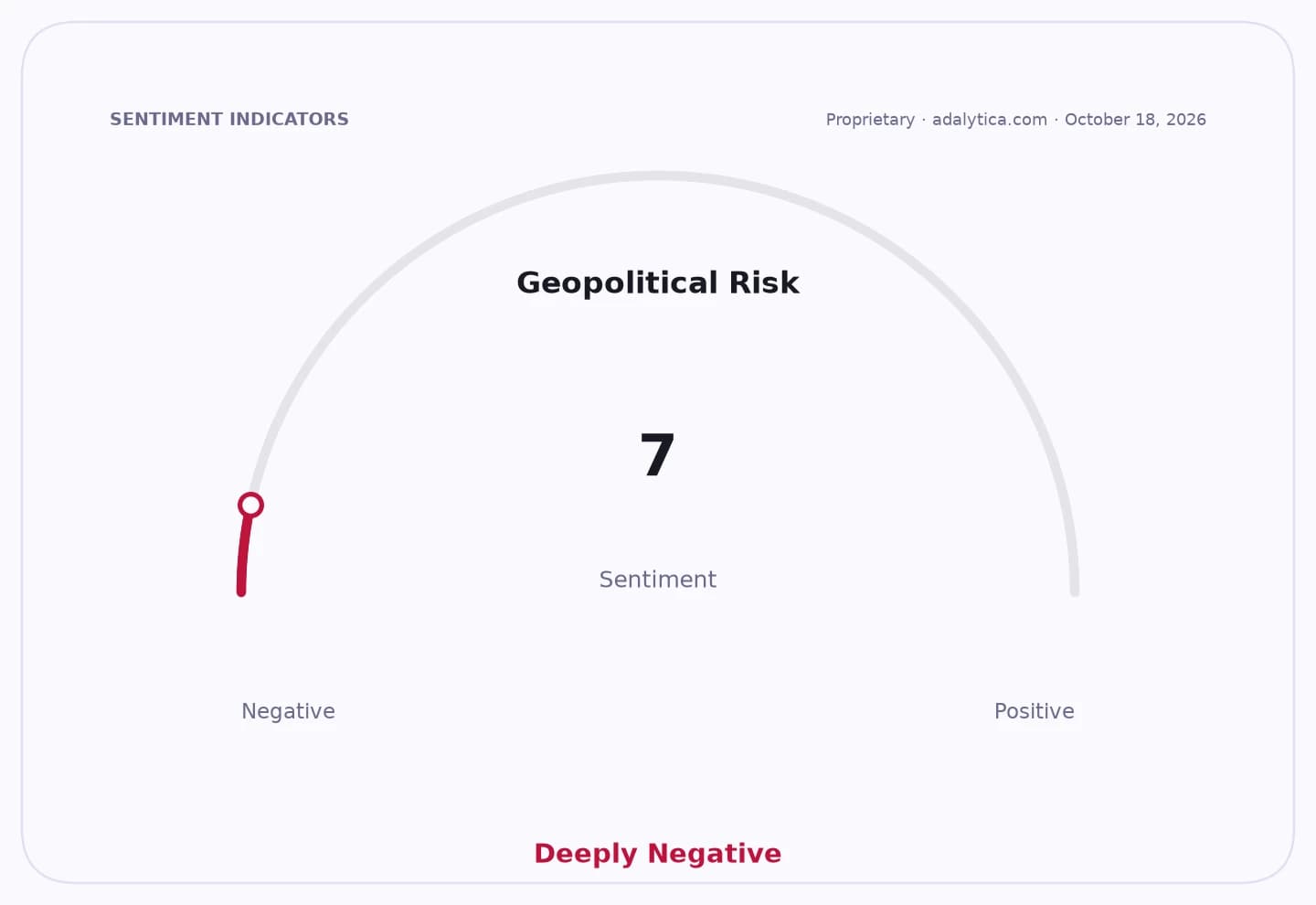
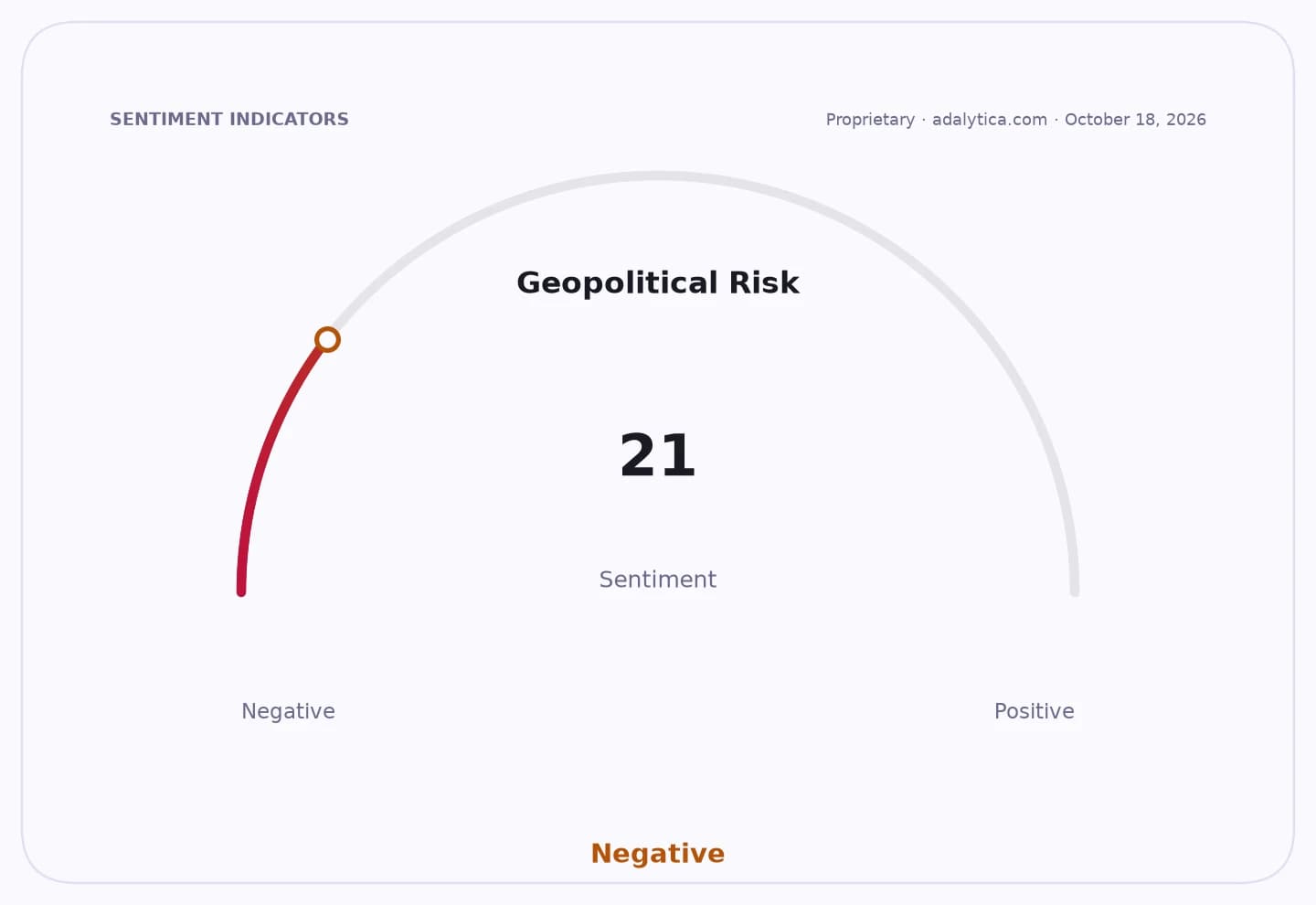
Sentiment IndicatorsⓘProprietary · adalytica.com · October 18, 2026
This is a snapshot — live sentiment, awareness and momentum for 130+ markets update continuously in the dashboard.Open AlphaPulse
For investors, the modernization budget points to continued demand for high-margin defense electronics, sustainment work and mission-system upgrades across the bomber fleet. Lockheed Martin, Northrop Grumman and RTX are among the names most exposed to that spending stream, either through stealth, avionics, mission systems or bomber-related support contracts. The news comes as defense shares have remained volatile, with RTX and Lockheed both trading well above their long-term moving averages at points this year before recent pullbacks, while Northrop has lagged from earlier highs even as its B-21 program remains a strategic priority.
The allocation also reflects a broader Pentagon trade-off. Washington is trying to keep aging aircraft credible against more advanced air defenses without waiting for entirely new platforms to take over. That usually means modernizing sensors, communications, survivability systems and weapons integration — the kind of work that can stretch over years and provide recurring revenue to contractors. It also suggests the Air Force is not willing to accept a capability gap in long-range penetration strike, even as operating older bombers grows costlier and more maintenance-intensive.
The timing is notable amid a wider reassessment of airpower resilience. Recent conflict data, including Ukraine’s strikes on Russian airfields and bomber assets, have reinforced the vulnerability of high-value aircraft on the ground and the premium now attached to stealth, dispersal and survivability. In that context, the US is investing not just in new bombers but in keeping the existing fleet relevant enough to deter and, if necessary, penetrate contested airspace.
For the contractors, the bull case is that modernization spending helps stabilize backlogs and offset the lumpiness of platform production. The bear case is that upgrades can still be subject to delays, technical risk and budget pressure, especially if Congress shifts priorities toward missiles, drones or other modernization programs. Investors will be watching for follow-on contract awards, delivery schedules and whether the Air Force expands the scope of upgrades beyond the current five-year window.
| Entity | Gains | Losses |
|---|---|---|
| Lockheed Martin | ▲Bomber electronics work | ▼Limited new-build volume |
| Northrop Grumman | ▲Stealth and mission-system revenue | ▼Program execution risk |
| RTX | ▲Avionics and sustainment orders | ▼Margin pressure from complexity |
| Legacy bomber fleet | ▲Extended service life | ▼Higher upkeep burden |