A proposed $30 billion federal upgrade of U.S. airports would confront one of the airline industry’s most persistent economic drags: aging air-traffic infrastructure that slows operations, raises delays and limits capacity just as travel demand remains resilient.
U.S. airports modernization bill targets delays
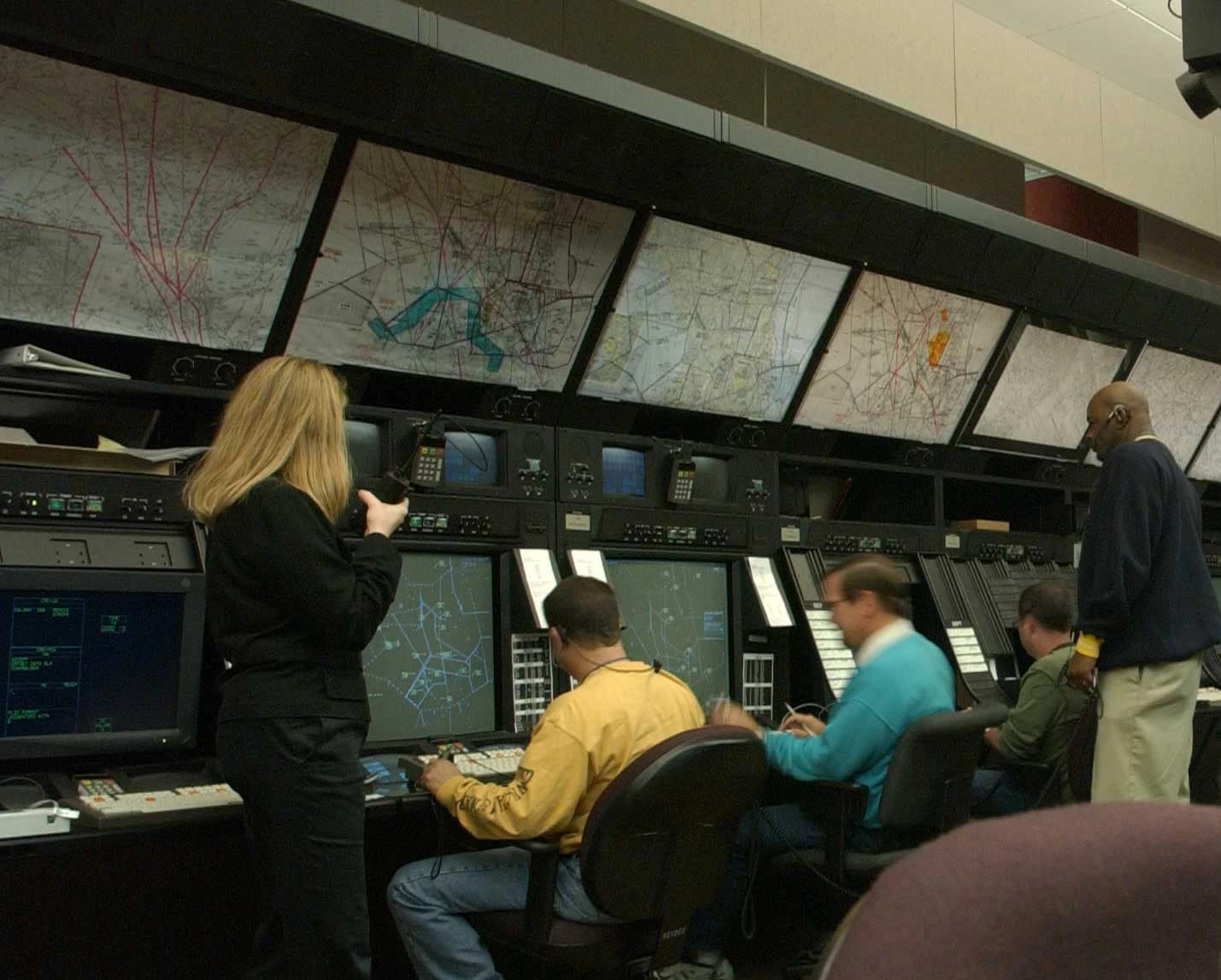
Sen. Eric Schmitt has introduced the Modern Skies Act to allocate about $30 billion for air-traffic equipment and facility upgrades, putting a price tag on a problem that has become increasingly visible to passengers, airlines and investors. The plan would not expand airports with new runways so much as modernize the systems that keep existing ones functioning — a distinction with major implications for productivity, labor costs and the reliability of the U.S. transportation network.
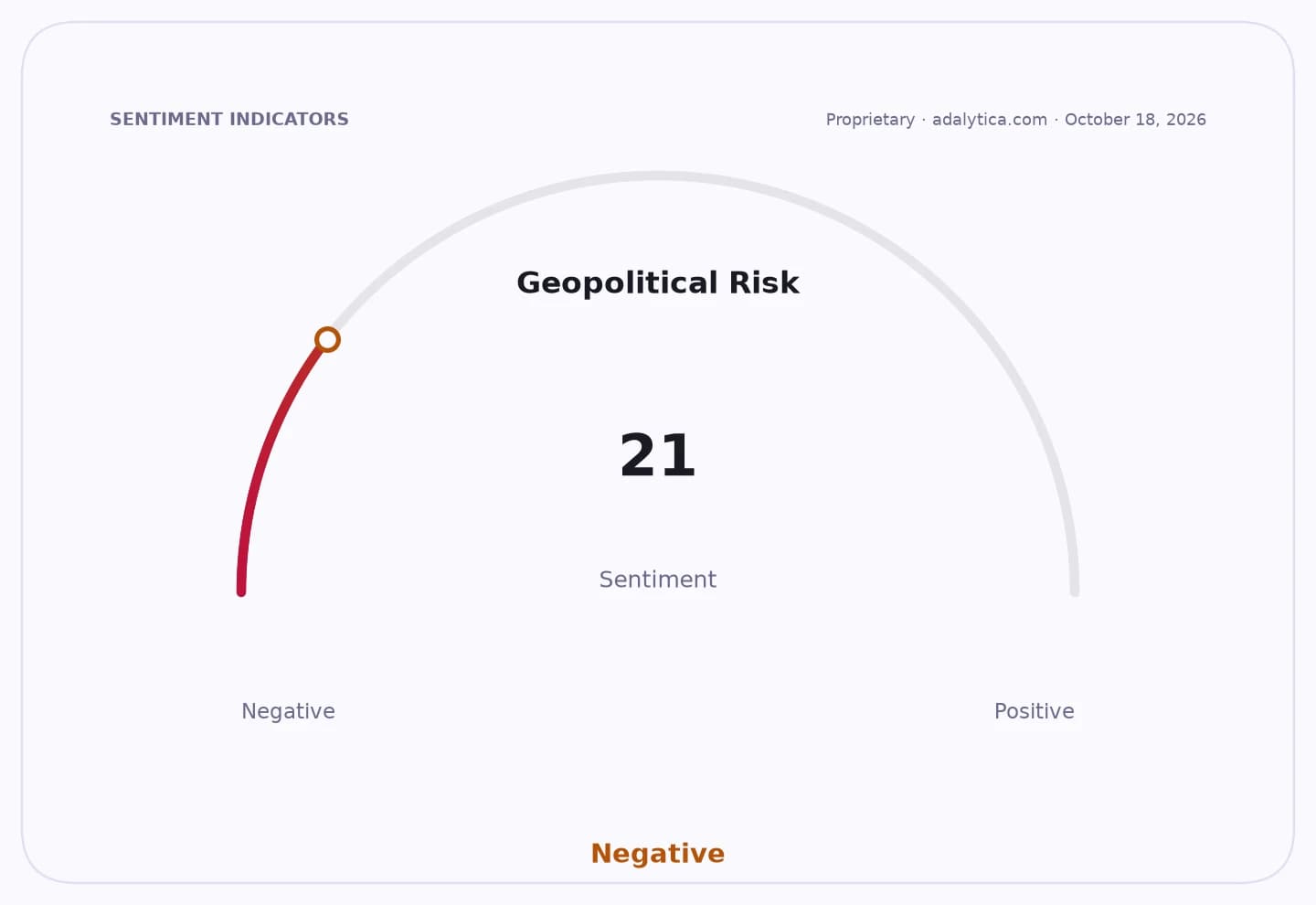
Sentiment IndicatorsⓘProprietary · adalytica.com · October 6, 2026
This is a snapshot — live sentiment, awareness and momentum for 130+ markets update continuously in the dashboard.Open AlphaPulse
For airlines, the economic case is straightforward. Congested or outdated airport and air-traffic infrastructure adds fuel burn, crew expense and schedule disruption, and it reduces the amount of flying that can be squeezed through busy hubs. That is especially relevant for carriers with heavy domestic exposure such as American Airlines, Delta Air Lines and JetBlue, which depend on efficient airport turns and on-time operations to protect margins. More reliable infrastructure also tends to support stronger pricing power by reducing the operational friction that weighs on capacity utilization.
The timing is notable because travel demand has recovered even as broader consumer spending has weakened. That mix can help airlines preserve revenue, but it also means infrastructure constraints are more costly: when demand is there and the system cannot absorb it smoothly, the bottleneck shows up in higher costs rather than higher output. The recent wave of airport disruptions abroad, including suspensions tied to security incidents and drone alarms, has sharpened attention on resilience and emergency readiness, even if the U.S. proposal is aimed primarily at aging systems rather than threat response.
Investors will focus on who would ultimately pay. The bill is federal, but any modernization campaign could still feed through to airport-related charges, construction spending and equipment procurement, creating beneficiaries across the aviation supply chain. Contractors and materials suppliers tied to public infrastructure work could see incremental demand if Washington turns the proposal into appropriations. At the same time, airlines may face a longer transition period before they see any payoff, with near-term disruption from construction and procurement potentially offsetting longer-term efficiency gains.
The market reaction in airline shares underscores how sensitive the group remains to operational and policy shifts. Delta has held up better than some peers, reflecting its stronger network and premium mix, while JetBlue and American have looked more vulnerable as investors question cost control and balance-sheet flexibility. A serious airport modernization push would not change those fundamentals overnight, but it could gradually improve the industry’s operating environment — if Congress is willing to fund it and airports can execute.
The broader narrative is that U.S. aviation infrastructure has become an economic constraint, not just a public-works issue. If Schmitt’s proposal gains traction, the debate will move from whether upgrades are needed to how they are financed, who captures the gains and how quickly those gains can be realized. For investors, that makes the bill less about headline spending than about whether the U.S. can convert infrastructure outlays into higher transport productivity and lower systemwide friction.
| Entity | Gains | Losses |
|---|---|---|
| Airlines | ▲fewer delays, better throughput | ▼construction-related disruptions |
| Airports | ▲modernized systems, higher reliability | ▼capital and coordination burden |
| Contractors/materials suppliers | ▲more public works demand | ▼if funding stalls |
| Travelers | ▲shorter waits, fewer cancellations | ▼higher fees if costs are passed on |