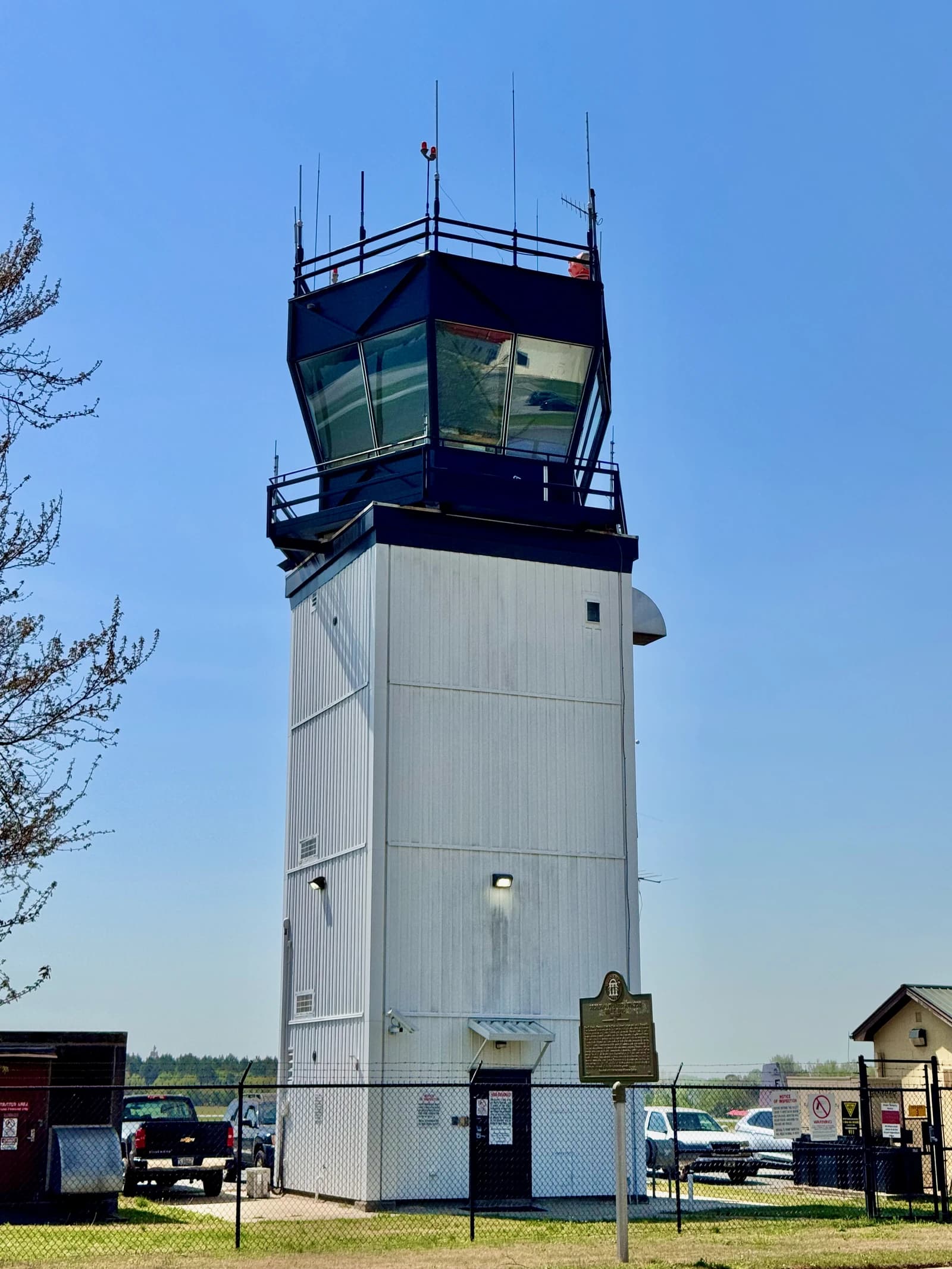
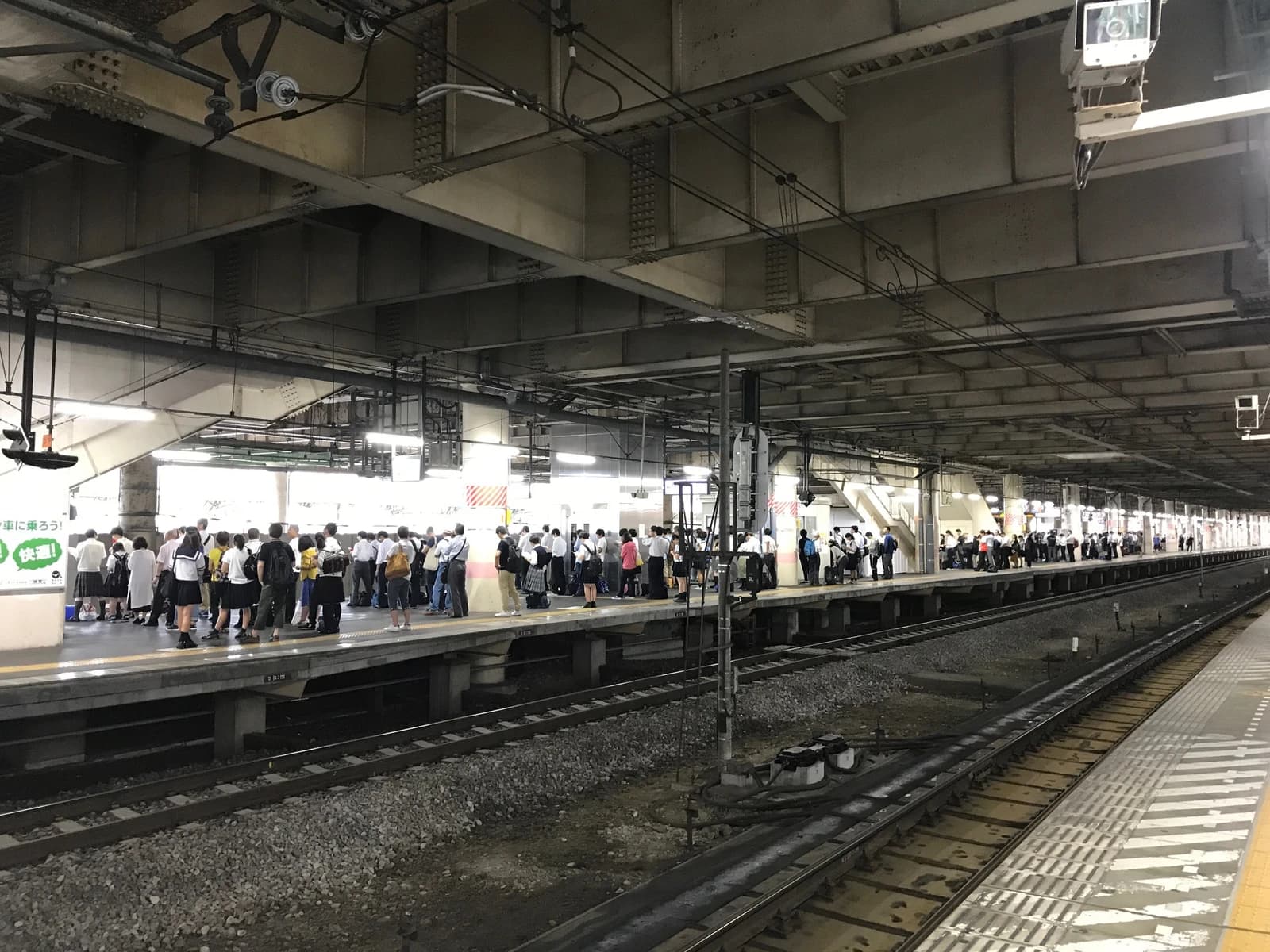
Flights at Newark Liberty International Airport were halted after an FAA equipment outage rippled across the Northeast, forcing diversions, ground stops and thousands of delays that quickly spread to the broader U.S. air network.
Newark Airport Outage Disrupts United and Northeast Flights
The operational breakdown matters because Newark is one of the country’s most important business-travel gateways and a major United Airlines hub, making any disruption there immediately expensive for carriers, passengers and cargo operators. More than 700 flights were canceled nationwide and another 4,000 were delayed on Monday, underscoring how quickly a single infrastructure failure can jam traffic across multiple airports.
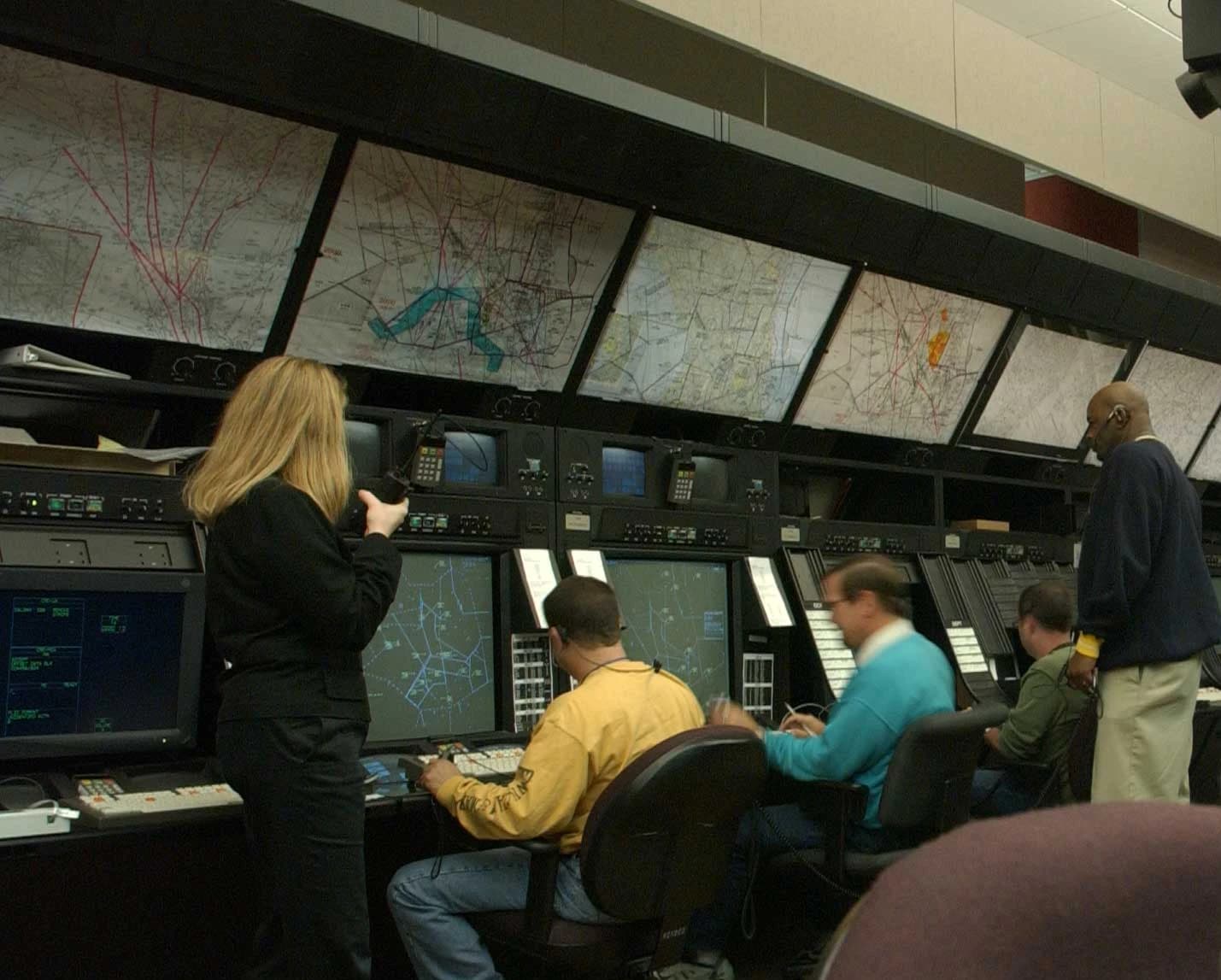
FAA Administrator Bryan Bedford said a circuit failed at a Philadelphia air traffic control facility, and when backup systems were activated officials found the backup line had been cut at a New Jersey construction site. U.S. Transportation Secretary Sean Duffy said an Amtrak construction crew accidentally severed the line, damaging about 600 feet of fiber between New Brunswick and Newark.
The outage also hit Philadelphia International Airport and briefly expanded ground stops to John F. Kennedy International Airport and LaGuardia Airport before airspace reopened there. As of 2 p.m., operations at Newark and Philadelphia were still halted, with no timetable for resuming normal service.
United Airlines said the FAA technology outage was affecting all airlines in the Northeast and that flights headed to Newark were being held at departure airports or diverted elsewhere. The carrier issued a travel waiver, a sign that the disruption could bleed into later flights, crew scheduling and customer rebooking costs even after the system comes back online.
For investors, the key issue is not just one day of cancellations but the fragility of hub-dependent operations when core infrastructure fails. Airlines with heavy Newark exposure, led by United, face the most immediate operational strain, while competitors may capture some displaced traffic if the disruption persists.
The episode is likely to renew scrutiny of air traffic control resilience, construction coordination around critical fiber routes and the FAA’s ability to recover quickly from technology failures. The next catalyst for markets will be how long Newark remains constrained and whether the outage triggers broader schedule adjustments into the peak travel period.
| Entity | Gains | Losses |
|---|---|---|
| United Airlines | ▲Rebooking demand on other routes | ▼Newark hub operations |
| Other U.S. carriers | ▲Spillover traffic from diversions | ▼Network punctuality |
| Passengers | ▲Travel waivers and later flexibility | ▼Delays and missed connections |
| FAA/transport officials | ▲Pressure for infrastructure fixes | ▼Credibility after outage |