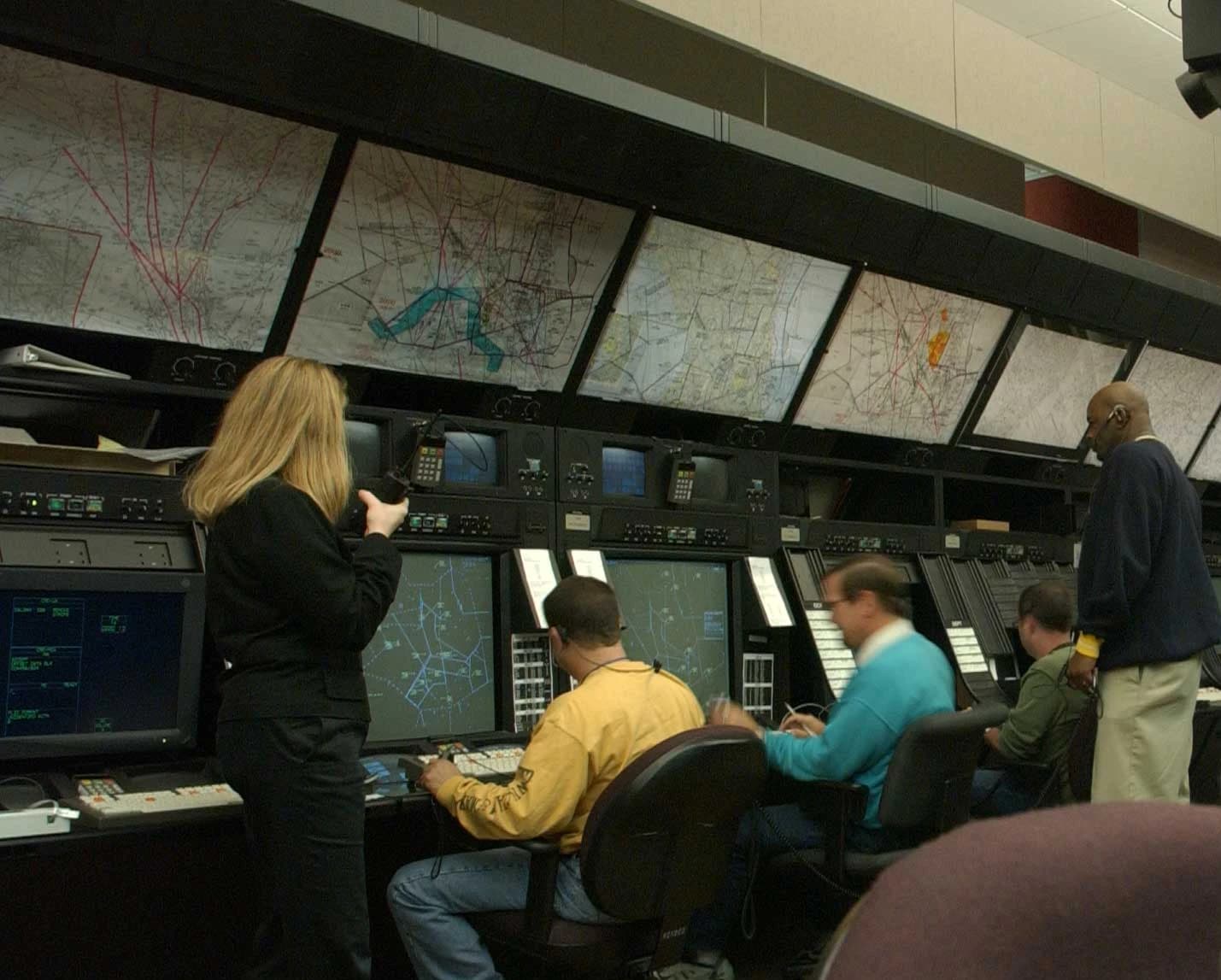
A fresh air traffic control failure at NATS’ Prestwick centre is threatening to push UK flight chaos into the next day, underlining how fragile a piece of critical national infrastructure can quickly become a direct hit to airline earnings, airport throughput and traveler confidence.
NATS Prestwick outage delays UK flights
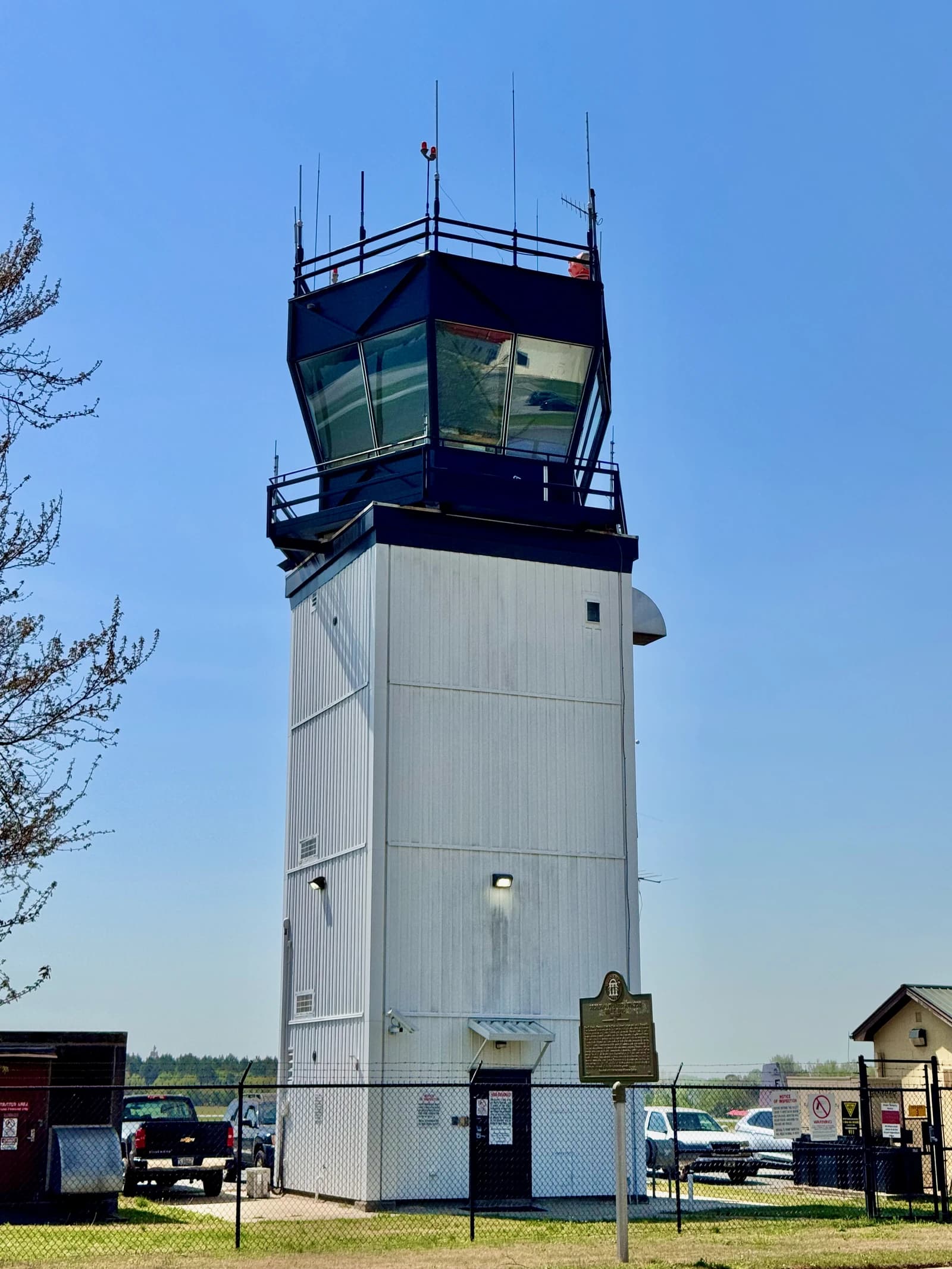
The warning from Edinburgh Airport chief executive Gordon Dewar matters because aviation is a network business: when planes are out of position, crews time out and aircraft miss rotations, the cost compounds long after the initial outage is fixed. Dewar said the disruption “could ripple through to tomorrow,” while NATS said the issue was resolved and traffic was being normalized. Even so, hundreds of flights across Scotland, Northern Ireland and northern England were delayed, and Ryanair said more than 25,000 passengers and over 140 flights were already affected.
That is the real economic damage here. Airlines do not just lose one day of punctuality; they absorb rebooking costs, compensation, crew repositioning, fuel burn and missed utilization on aircraft that should be flying revenue sectors. Airports lose retail spend and operational efficiency, while tour operators and agents are left handling the fallout. Abta said the industry wanted answers and suggested the government should consider whether NATS ought to compensate the wider travel sector for repeat failures.
Investors should view this as more than a one-off UK travel headache. It reinforces a broader theme the market is underpricing: resilience is becoming as valuable as capacity. Critical infrastructure providers, airport technology vendors, and airline systems that can recover quickly from disruption should command a premium as weather, cyber risk, labor actions and technical faults keep colliding with high travel demand. For airlines, repeated control failures are especially toxic because they are uncontrollable, expensive and highly visible to customers.
The policy angle matters too. Airlines UK said the incident shows the need for “firm actions” in the upcoming Civil Aviation Bill and the Civil Aviation Authority’s review. If regulators force more redundancy, better back-up systems or financial penalties for failures, NATS faces reputational and potentially commercial pressure, while carriers could gain a stronger case for compensation.
For investors, the takeaway is straightforward: the sector’s operating leverage cuts both ways. Names with resilient networks, diversified hubs and stronger operational execution are better positioned than carriers exposed to single-point failure risk. In a market that still loves air travel demand, the next edge will belong to the operators and suppliers that can keep planes moving when the system breaks.
| Entity | Gains | Losses |
|---|---|---|
| Airlines with stronger ops | ▲Fewer cancellations, better recovery | ▼Less exposure to compensation costs |
| NATS | ▲None from the outage | ▼Reputation, possible penalties |
| Airports in affected regions | ▲None from delays | ▼Passenger flow, retail revenue |
| Travelers and tour operators | ▲None in this incident | ▼Missed connections, added costs |