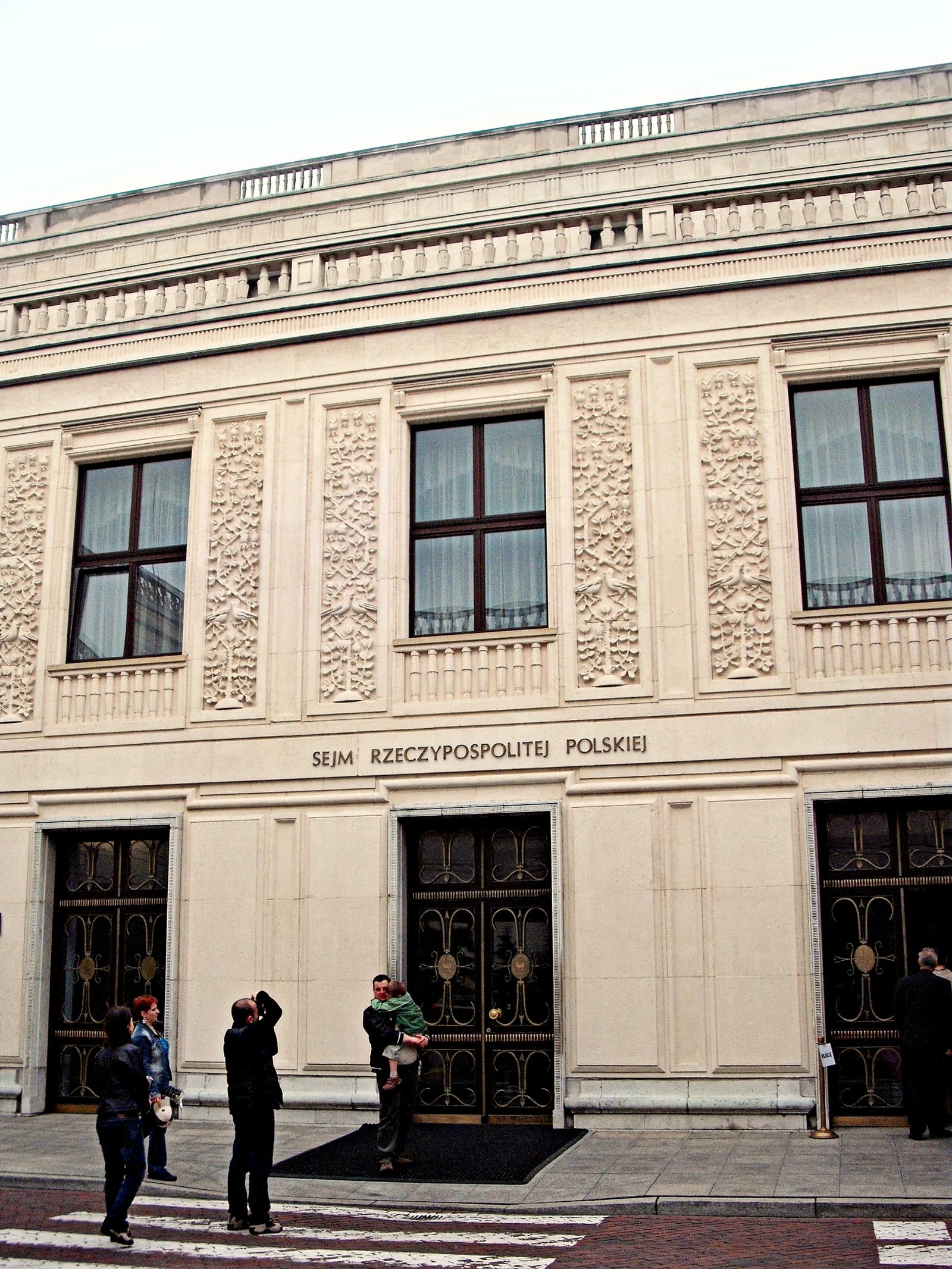
Poland’s aviation market is on track to clear 100 million passengers a year by 2035, and that makes the country’s air transport crunch one of Europe’s most important infrastructure stories.
Poland aviation market heads toward 100 million passengers
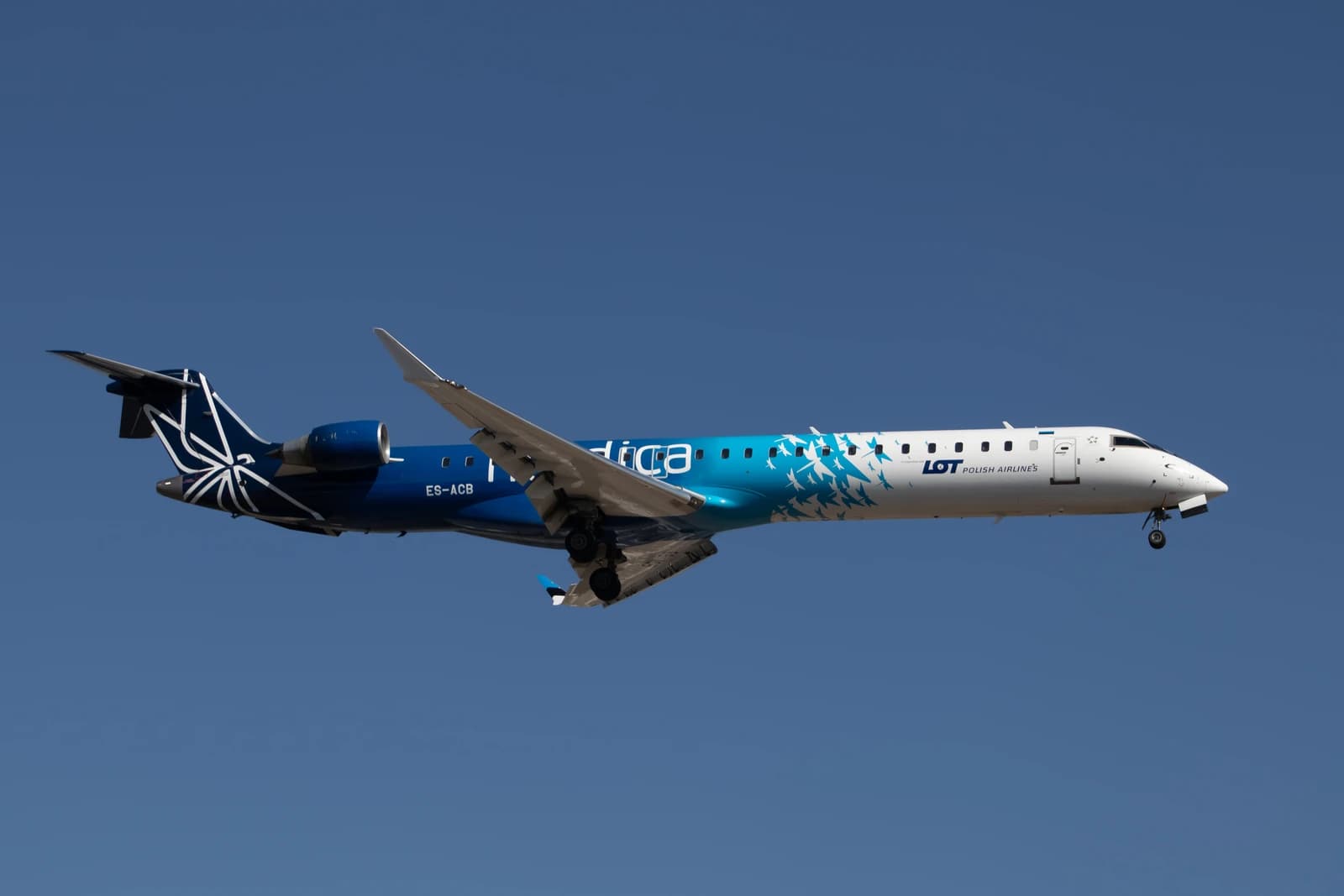
The headline number is not just a symbol of recovery and rising mobility. It points to a bigger economic shift: Poland is becoming a larger node in Europe’s trade, tourism and defense logistics network, but the system that supports that growth is running up against a hard limit in runways, terminals, cargo capacity and skilled labor. That is why the debate around Port Polska — the planned hub that would handle up to 34 million passengers a year in its first phase — now matters far beyond aviation. It is a capital allocation story, a labor story and an industrial policy story all at once.
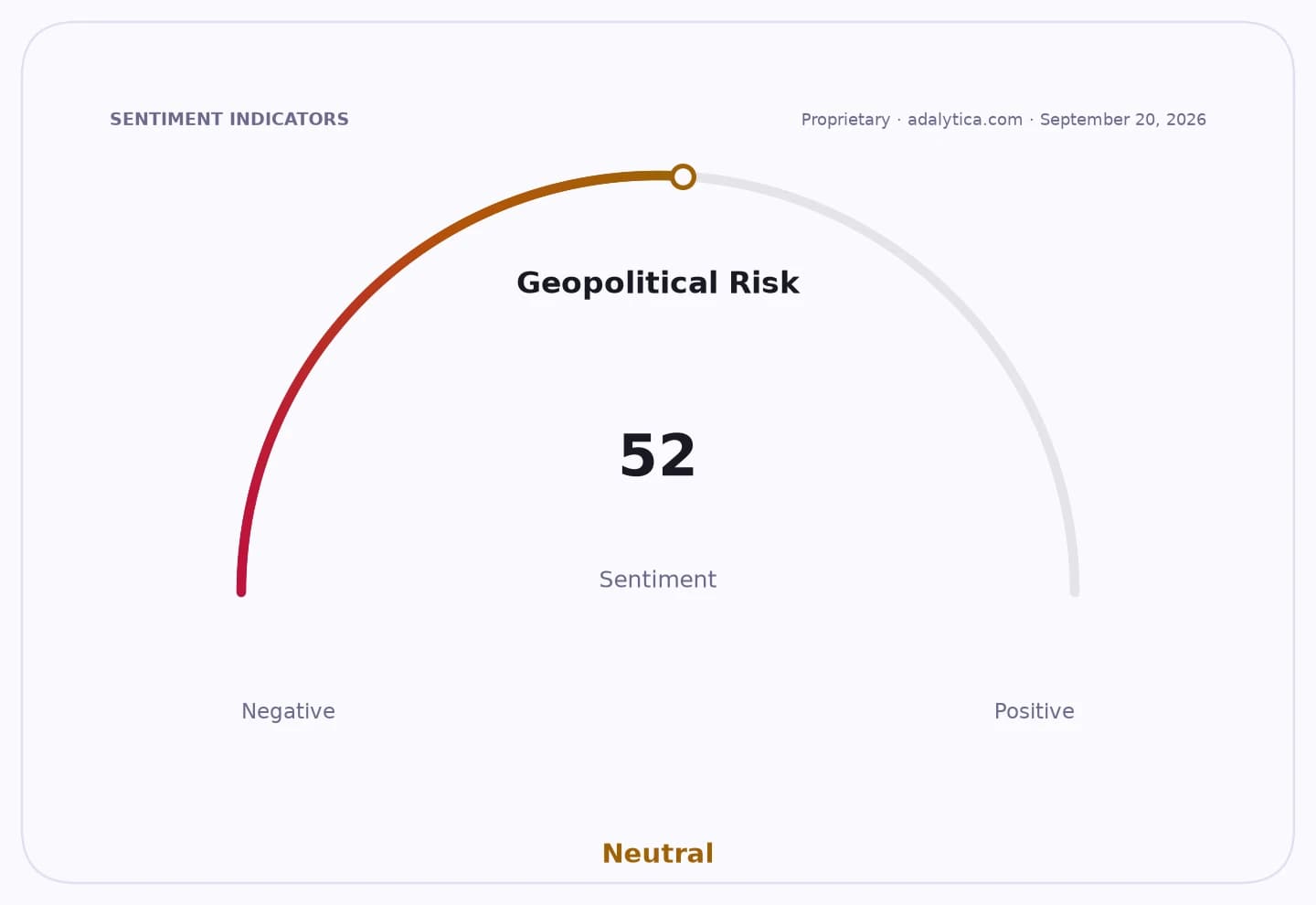
Sentiment IndicatorsⓘProprietary · adalytica.com · October 18, 2026
This is a snapshot — live sentiment, awareness and momentum for 130+ markets update continuously in the dashboard.Open AlphaPulse
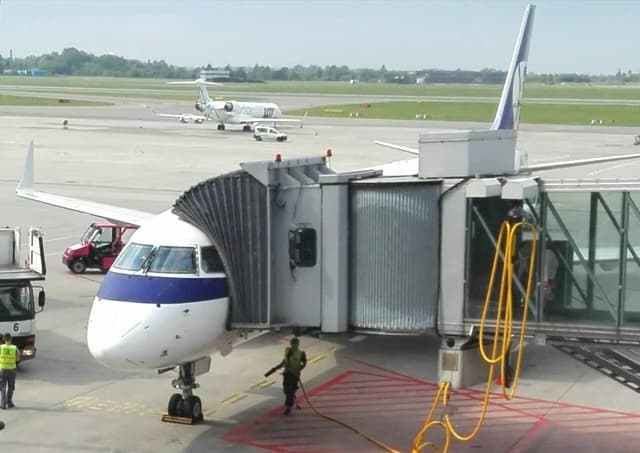
Polish airports handled 66 million passengers in 2025, and 15 airports are already expanding their networks and infrastructure. That pace makes Poland one of the fastest-growing air markets in Europe, but it also means the next wave of growth cannot be absorbed by incremental upgrades alone. If traffic really reaches 80 million to 100 million passengers by 2035, the country will need a larger hub to handle long-haul flows, more regional capacity to protect point-to-point demand, and a far bigger pipeline of technicians, mechanics, engineers and airside workers.
That is where the investment case gets interesting. The market is still treating aviation mostly as a cyclical travel recovery trade, but the real opportunity is structural. Poland is simultaneously pushing ahead with major infrastructure projects, a nuclear buildout and defense spending, and the aviation system sits at the intersection of all three. Airports are not just passenger terminals anymore; in eastern Poland especially, they are dual-use assets tied to resilience and security. That gives the sector a stronger political case for public support, even as EU aid rules remain a constraint.
The cargo angle is another underappreciated catalyst. Polska Grupa Lotnicza says Poland, a 37-million-person country, still has no dedicated cargo airline and is effectively shipping goods in passenger aircraft bellies. That is a structural inefficiency in a market where cargo is one of the fastest-growing and most profitable segments of aviation. If Poland wants Port Polska to be more than a passenger gateway, a domestic cargo platform could become a meaningful winner — and a lost opportunity if local operators do not move first.
The staffing shortage may prove even more binding than financing. The sector needs mechanics, engine specialists, electricians and welders, while universities and research institutes are being pulled into the same labor pool by energy and defense projects. That means aviation’s next bottleneck is not demand, but execution. Whoever can train, automate and retain the workforce will gain leverage. Hubert Cichocki’s push to use AI, autonomy and other innovations to raise efficiency underscores that the sector’s future margins will depend as much on productivity as on traffic growth.
For investors, the message is straightforward: Poland’s aviation buildout is not a single-project story, but a multi-year capex cycle with spillovers into construction, engineering, industrial services, logistics and defense-adjacent suppliers. The market underestimates how much value will accrue to the picks-and-shovels players if Port Polska, regional airport upgrades and cargo expansion all move together. The risk, of course, is that delays, labor shortages or weak coordination slow the payoff.
But if Poland gets the sequencing right, the upside is asymmetric. The country would not just accommodate 100 million passengers — it would deepen its role as a regional hub for passengers, freight and strategic infrastructure. For investors looking for the next leg of Europe’s infrastructure trade, that is the kind of secular setup worth positioning for early.
| Entity | Gains | Losses |
|---|---|---|
| Port Polska backers | ▲Hub status, long-haul traffic | ▼Delay risk |
| Regional airports | ▲Feed traffic, local relevance | ▼Hub competition |
| Cargo operators | ▲New freight runway | ▼Passenger-belly dependence |
| Labor-intensive suppliers | ▲Multi-year demand | ▼Worker shortages |