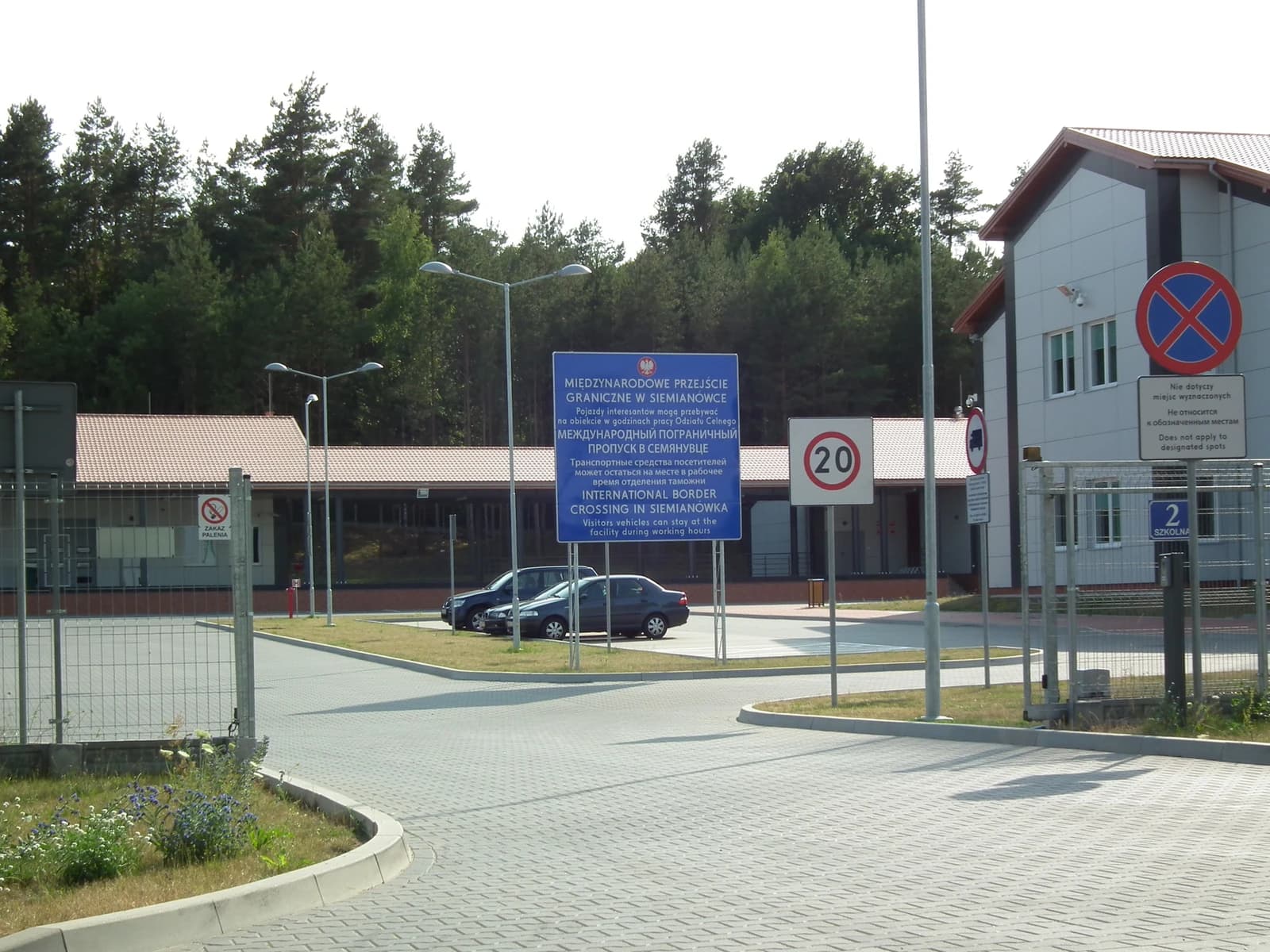
Poland is moving to tighten entry rules for foreigners as Warsaw treats border control less as an immigration issue and more as a frontline security tool in a widening confrontation with Russia.
Poland Tightens Entry Rules Amid Russia Tensions
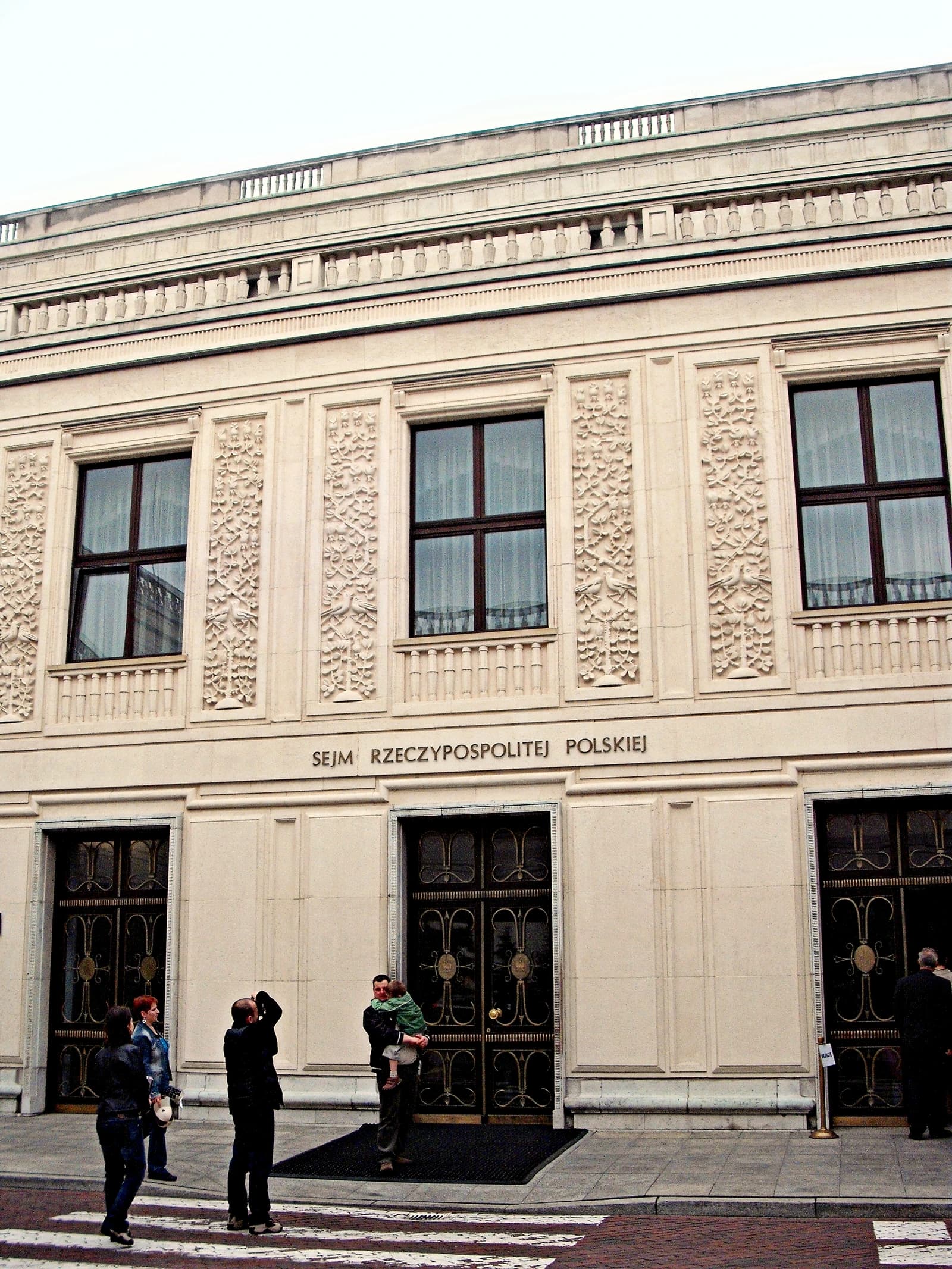
The shift matters economically because Poland sits at the intersection of the European Union’s labor market, its eastern security perimeter and its logistics corridor to Ukraine. Any tougher screening regime could affect the flow of workers, students, tourists and transit traffic, while also raising compliance costs for employers and transport operators that rely on cross-border movement. It also signals that NATO’s eastern flank is preparing for a more persistent era of hybrid threats, not just military risk.
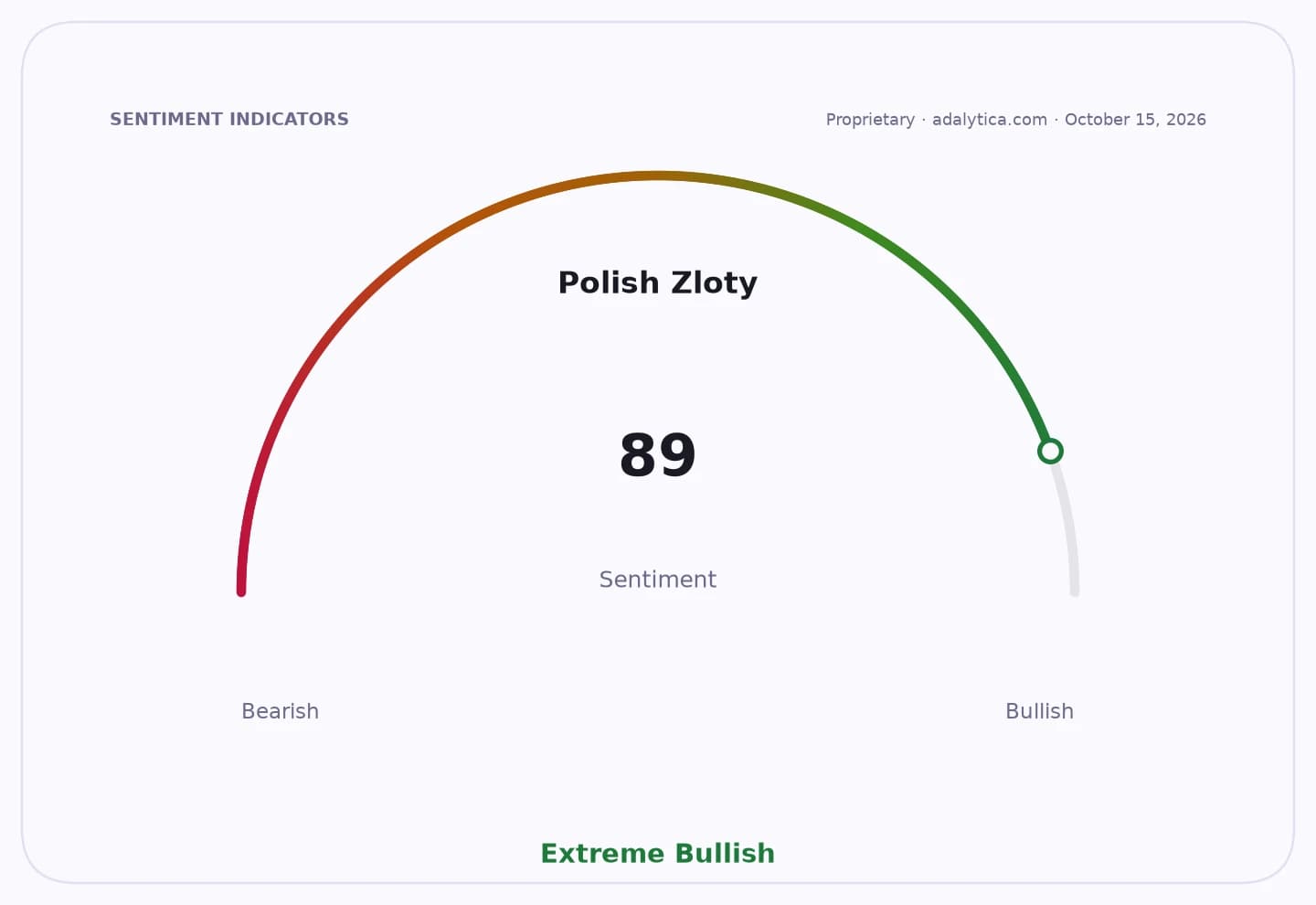
Sentiment IndicatorsⓘProprietary · adalytica.com · October 17, 2026
This is a snapshot — live sentiment, awareness and momentum for 130+ markets update continuously in the dashboard.Open AlphaPulse
The immediate backdrop is a fresh warning from Polish officials over Russian sabotage activity. Warsaw has accused Moscow of orchestrating attacks linked to Poland’s Starlink satellite internet system and said the episode shows how covert operations can target critical infrastructure far from the battlefield. Foreign Minister Radosław Sikorski has urged NATO to brace for a potentially deadly hybrid attack, underscoring how Poland now sees espionage, sabotage and border management as part of the same security picture.
For investors, the policy direction matters because Poland is both an emerging-market growth story and a regional security asset. A tighter entry regime can be supportive for domestic stability and defense-related spending, but it can also introduce friction for sectors that depend on labor mobility and uninterrupted trade with neighbors to the east and south. Banks, transport firms, retailers and hospitality operators are more exposed to tighter administrative controls, while defense contractors and cybersecurity-linked suppliers stand to benefit from a higher-security policy backdrop.
Polish Zloty — 30-day sentimentadalytica.com
Explore this data interactively — full history, time series and cross-market comparisons.Open AlphaPulse
The Polish zloty has been trading with unusually bullish positioning, with Adalytica’s trade signals showing “Extreme Greed” sentiment even as awareness remains low. That leaves the currency vulnerable if geopolitical tensions intensify or if investors begin to price a more disruptive security regime. By contrast, the euro has shown more caution, with sentiment in fear territory, reflecting the broader European sensitivity to border and security shocks.
On the equity side, PKO Bank Polski, one of the country’s bellwether financial names, has been trading above its 50-day and 200-day moving averages and near recent highs, suggesting markets are still rewarding Polish domestic exposure. But the move also leaves room for volatility if policy tightening dampens growth or if security risks prompt a reassessment of regional assets. The latest price action in broad Polish market proxies suggests investors are not yet pricing a severe shock, even though the macro and geopolitical risk premium is rising.
The deeper narrative is that Poland is hardening its eastern flank across multiple fronts at once: borders, cyber systems, infrastructure and migration control. If the new entry rules are narrow and targeted, they may be read as prudent risk management. If they become broader and more restrictive, they could weigh on labor supply and cross-border commerce at a time when Poland is already balancing security commitments, refugee flows and a war next door.
For markets, the key question is whether this becomes a contained security adjustment or the start of a more pervasive tightening across the region. The answer will shape not only Poland’s domestic policy outlook, but also the risk premium on Central European currencies, banks and transport links that depend on a stable eastern frontier.
| Entity | Gains | Losses |
|---|---|---|
| Polish government | ▲tighter border control | ▼easier mobility |
| Security sector | ▲higher spending demand | ▼none |
| Employers reliant on migrant labor | ▲none | ▼slower hiring |
| Foreign travelers and traders | ▲none | ▼more scrutiny |