Poland is set to sharply increase the minimum cash foreigners must prove they have when entering the country, a move that underscores how migration controls across Europe are becoming tighter even as governments try to keep rules aligned with Schengen norms.
Poland raises cash rules for foreign visitors
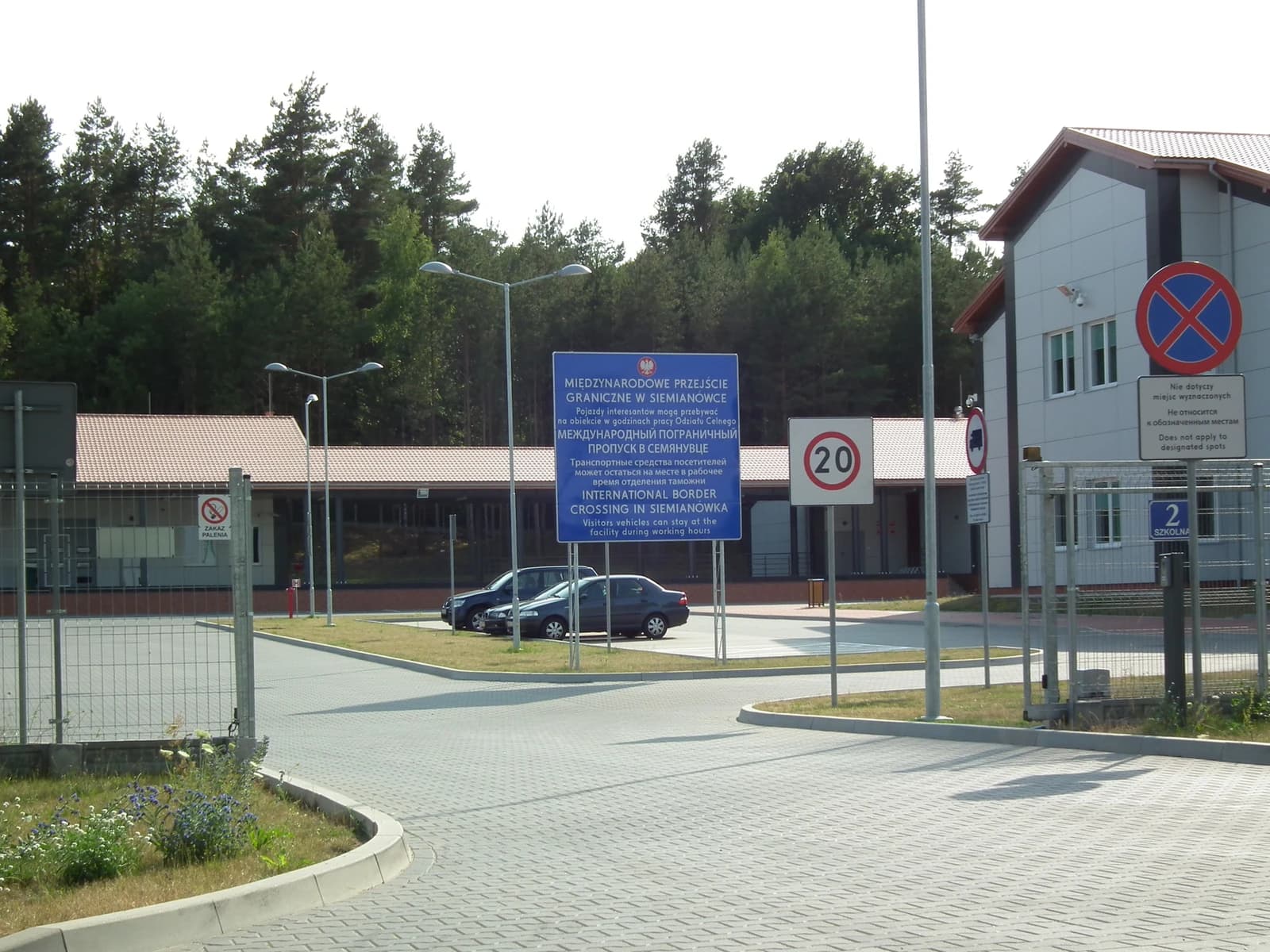
The proposed changes would lift the requirement for short stays of up to four days to 1,000 zlotys from 300 zlotys, while visitors staying longer would need to show 300 zlotys per day instead of 75 zlotys. The government says the thresholds have not been updated since 2016 and no longer reflect higher living costs.
Sentiment IndicatorsⓘProprietary · adalytica.com · October 17, 2026
This is a snapshot — live sentiment, awareness and momentum for 130+ markets update continuously in the dashboard.Open AlphaPulse
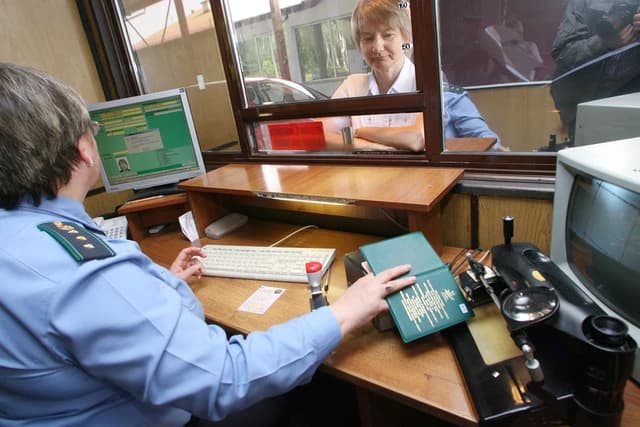
That makes the policy more than a border formalities issue. For Warsaw, it is a signal that immigration enforcement is broadening beyond asylum and illegal crossings to include financial screening at the point of entry. For travelers, it raises the bar for proving self-sufficiency and could complicate access for lower-income visitors, especially those from countries where cash balances are harder to document.
The draft also carves out lower thresholds for selected groups, including organized tour participants, youth camps, sports competitors, and some travelers arriving for medical treatment or seasonal work. For them, the minimum would be 130 zlotys per day, with a floor of 650 zlotys overall, up from 20 zlotys a day and 100 zlotys in total. Students, trainees, researchers and people on research assignments would face a higher initial test too, needing to show 2,020 zlotys for the first two months, compared with 1,270 zlotys now.
Poland’s justification is straightforward: the current rules are stale. Officials say the revised sums are meant to match the minimum income level used in social assistance law and are closer to standards applied in other Schengen countries, including Bulgaria, Croatia, Lithuania and Estonia. That framing matters because it gives Warsaw cover to tighten entry without appearing to break from regional practice.
The investor relevance is indirect but real. Tighter entry requirements can affect tourism flows, student mobility, seasonal labor access and cross-border service demand, all of which feed into sectors exposed to travel and migration. They also reflect the broader political climate in Europe, where governments are under pressure to show control over borders amid persistent disputes over regularization, enforcement and burden-sharing.
For Poland, the immediate impact will be limited to a narrower set of travelers, but the message is broader: border policy is becoming more restrictive and more bureaucratic, and that trend is likely to continue as governments respond to public pressure over migration and security.
| Entity | Gains | Losses |
|---|---|---|
| Polish government | ▲Stronger border control | ▼Risk of criticism from travelers |
| Border authorities | ▲Clearer entry rules | ▼More screening workload |
| Foreign visitors | ▲Exemptions for some groups | ▼Higher cash requirements |
| Tourism and travel operators | ▲Predictable regulations | ▼Weaker low-budget demand |