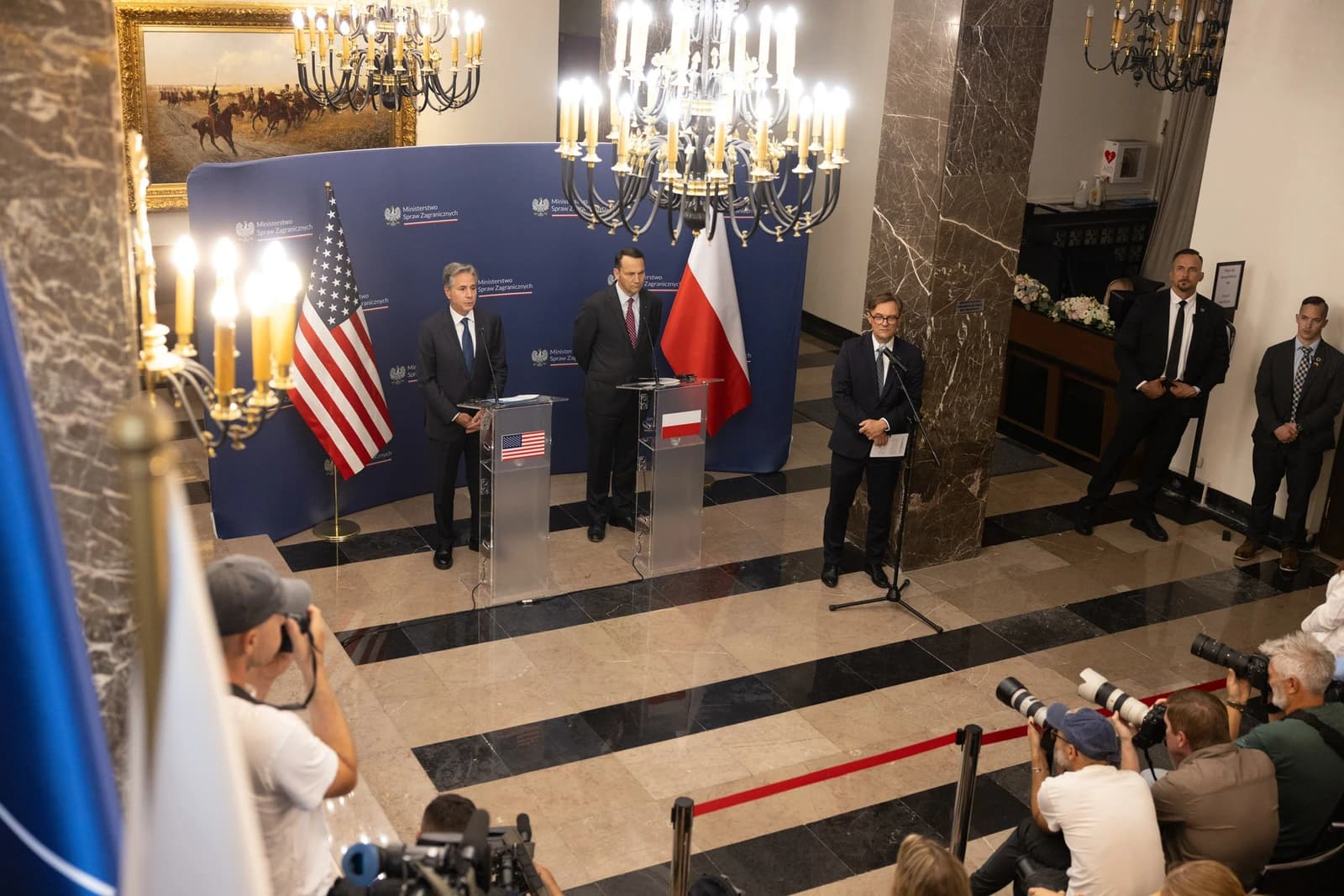
Poland is reopening Cold War-era shelters and scrambling to expand civilian protection as Russia’s air campaign against western Ukraine and the wider threat to NATO’s eastern flank force governments to confront a basic wartime question: where do millions of people go when missiles start falling?
Poland Reopens Cold War Shelters Near Ukraine Border
The move matters because it is not just a local preparedness measure. It is a sign that the security risk on Europe’s frontier has become embedded in public infrastructure planning, with implications for municipal spending, emergency logistics and investor perceptions of regional stability. For households and businesses in eastern Poland, the issue is immediate; for markets, it is another reminder that the war in Ukraine continues to impose a security premium across defense, infrastructure and transport assets.
Sentiment IndicatorsⓘProprietary · adalytica.com · October 3, 2026
This is a snapshot — live sentiment, awareness and momentum for 130+ markets update continuously in the dashboard.Open AlphaPulse
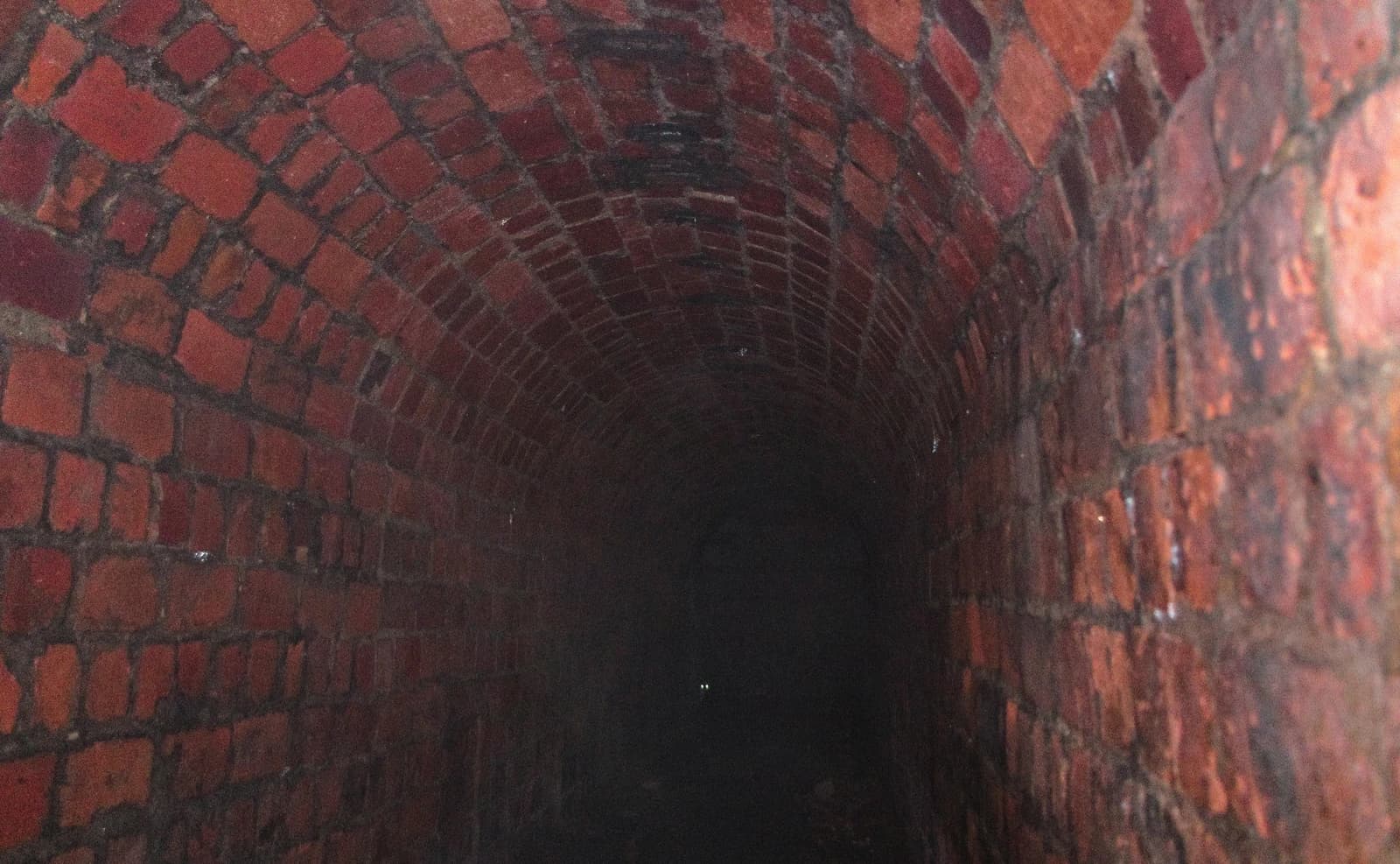
In Lublin, a city near the Ukrainian border, authorities have reactivated a shelter from the Cold War and changed its emergency exit to face west after modernization, a small but telling detail that captures how the geography of threat has shifted. Residents in eastern Poland have been repeatedly told in recent months to seek shelter during major Russian attacks on western Ukraine, and a regional TV station even interrupted a live broadcast for about 20 minutes last week while reporters took cover during an air-raid alert.
The scale of Poland’s shelter gap is sobering. The country has about 2,000 higher-protection shelters that can hold only around 300,000 people, while more than 86,000 lower-grade shelter spaces such as basements, underground garages and metro stations could accommodate roughly 23 million. Even so, many citizens do not know where to go in an attack, underscoring that civil defense capacity is not only a matter of concrete and steel but of mapping, signaling and public readiness.
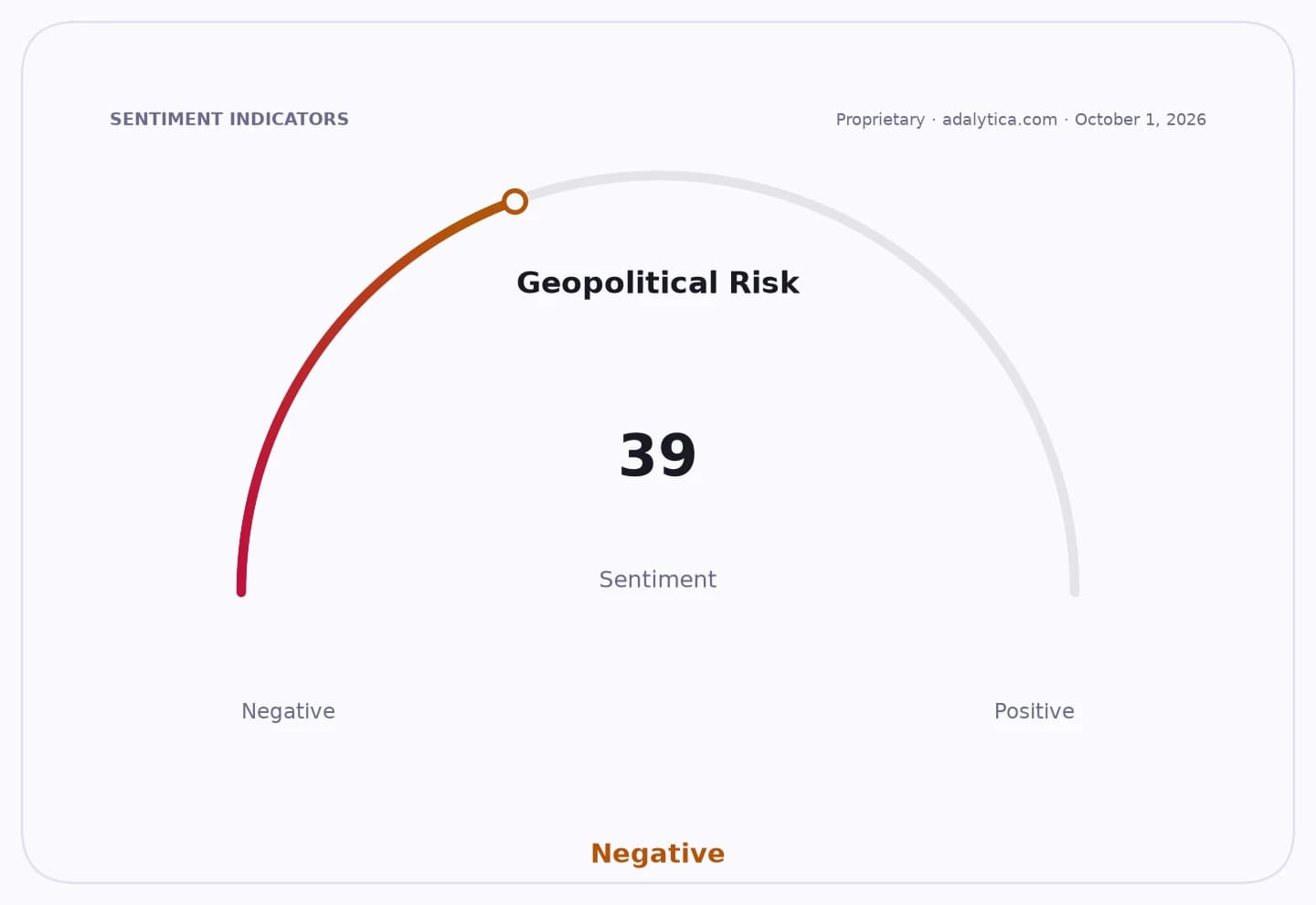
Geopolitical Risk — 30-day sentimentadalytica.com
Explore this data interactively — full history, time series and cross-market comparisons.Open AlphaPulse
That disconnect is economically relevant. Modernizing shelters and evacuation planning is a public expenditure that competes with other budget priorities, but it also reflects a broader shift in state priorities toward resilience, logistics and deterrence. For companies active in construction, safety systems, communications and critical infrastructure, the push could gradually support demand. For sectors exposed to border-region disruption — retail, transport, real estate and local media — the bigger issue is not immediate revenue but the creeping cost of operating under elevated security risk.
The timing also fits a wider European reassessment of civil defense. Poland has become one of the most exposed frontline states since Russia’s invasion of Ukraine, hosting refugees, supporting military transit and now planning for worst-case spillover. Coordination with Lithuania on an evacuation plan through the Suwalki corridor — the strategically sensitive strip linking Poland and the Baltic states — underlines that this is not just about shelters, but about keeping population movements and supply lines functioning if the security situation deteriorates.
For investors, the near-term trade is less about Polish shelters themselves than about what they represent: a defense and resilience cycle that can outlast headline-driven swings in the war. The downside case is that repeated reminders of vulnerability weigh on consumer confidence, local spending and cross-border logistics. The bull case for defense and infrastructure names is that governments are only beginning to fund the physical layer of security that Europe neglected for decades.
Adalytica’s Global Stability Sentiment gauge points to that tension, showing extreme greed on sentiment but extreme fear on awareness — a split that suggests markets can remain complacent even as real-world preparedness risks rise. That gap is the story Poland is now trying to close, one shelter at a time.
| Entity | Gains | Losses |
|---|---|---|
| Polish civil defense planners | ▲Higher preparedness | ▼Budget pressure |
| Shelter and infrastructure contractors | ▲New public spending | ▼Limited near-term scale |
| Residents in eastern Poland | ▲More protection options | ▼Ongoing security anxiety |
| Local businesses and transport operators | ▲Better contingency planning | ▼Disruption risk |