Poland is moving to spend more than 102 billion zlotys over the next five years on shelters, emergency systems and resilient infrastructure, a big bet that the country must harden itself for a much more dangerous Europe.
Poland to Spend 102B Zlotys on Shelters and Resilience
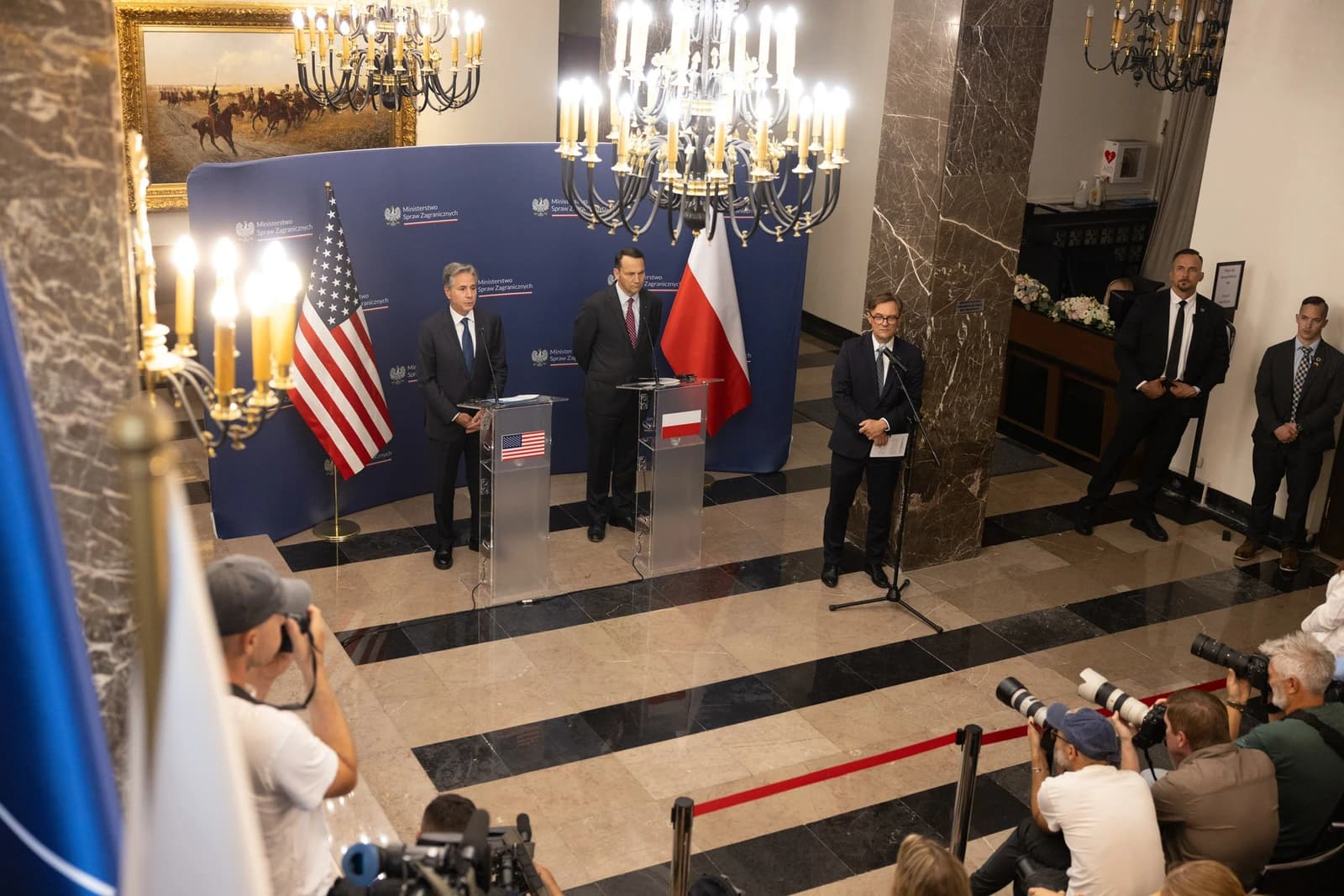
That makes this more than a budget item. It is a statement about the new investment cycle in Eastern Europe: governments are no longer treating civil defense as a legacy of the Cold War, but as a necessary cost of doing business in a world shaped by Russia’s war in Ukraine and the risk of spillover.
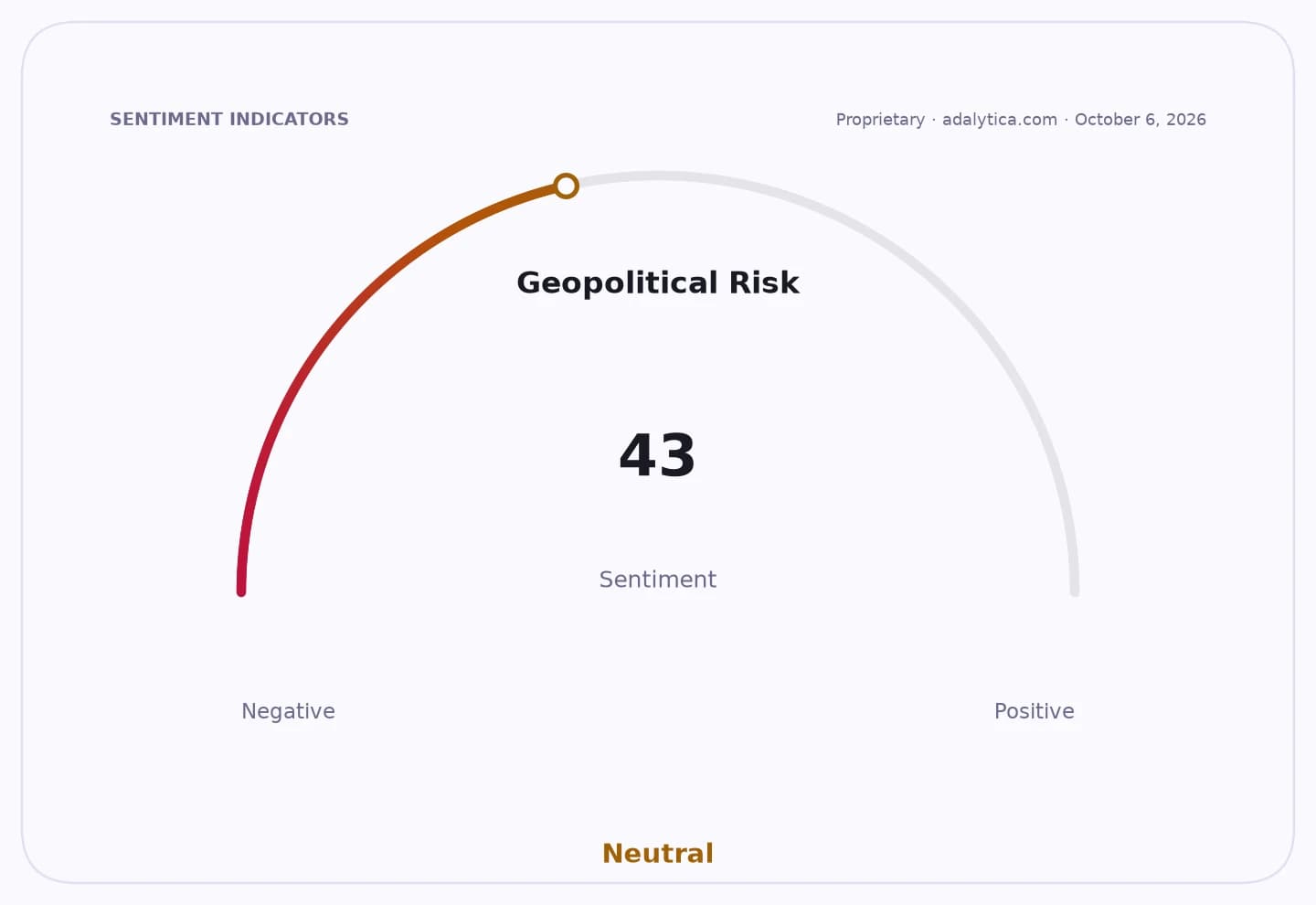
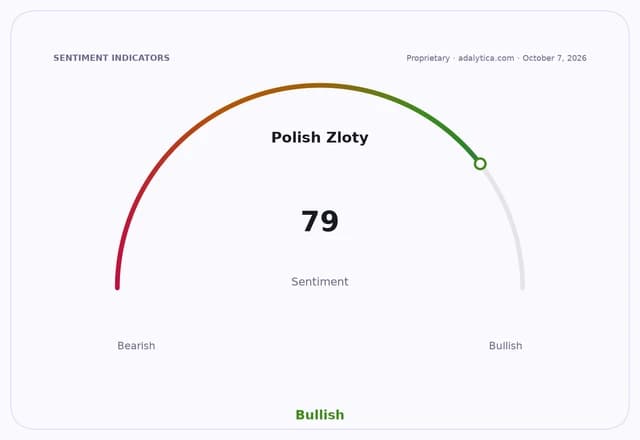
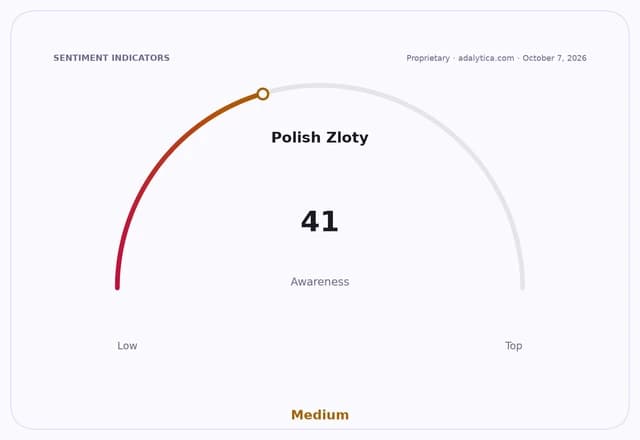
Sentiment IndicatorsⓘProprietary · adalytica.com · October 7, 2026
This is a snapshot — live sentiment, awareness and momentum for 130+ markets update continuously in the dashboard.Open AlphaPulse
Prime Minister Donald Tusk said the 2027-2031 program will fund protective structures, rescue equipment, water and power continuity systems, warning networks, cyber security and state communications designed to keep functioning under pressure. Around 30 billion zlotys will flow to regions, giving local authorities a direct role in deciding whether to build shelters, expand fire stations or buy other emergency assets.
For investors, the spending is important because it strengthens the case for a broader defense-and-resilience theme across Europe. Poland has been one of the continent’s most exposed frontline economies since the invasion of Ukraine, and that has already pushed up demand for military equipment, infrastructure security and public-sector modernization. A program this large should support companies involved in construction, utilities resilience, communications infrastructure, cyber defense and emergency services supply chains.
It also matters economically because resilience spending is not just defensive. Shelters, backup power, water systems and secure public communications all require domestic procurement, engineering and long-term maintenance. That can steady demand in parts of the Polish economy even if growth slows, while giving regional governments a new source of capital spending.
The timing is telling. Poland has been openly preparing for the possibility that the war in Ukraine could widen, and Tusk’s language reflects a government trying to convince households and municipalities that readiness is now part of normal economic planning. When leaders start budgeting for shelters and redundant utilities, investors should hear a clear message: security risk has become a structural feature of the region, not a temporary shock.
For long-term investors, the takeaway is to watch the companies and sectors that help societies keep functioning under stress. In Poland and across Europe, that means defense-adjacent infrastructure, cybersecurity, power reliability and emergency-response technology. Those are not flashy trades; they are durable themes that tend to compound when geopolitical risk stays elevated.
| Entity | Gains | Losses |
|---|---|---|
| Polish builders and infrastructure firms | ▲Public works demand | ▼Budget uncertainty elsewhere |
| Cybersecurity and communications suppliers | ▲Resilience spending | ▼Complacent legacy vendors |
| Regional governments | ▲Funding for local needs | ▼Discretion over other priorities |
| Russia-risk investors short Poland resilience theme | ▲Higher demand for protection assets | ▼Exposure to frontline volatility |