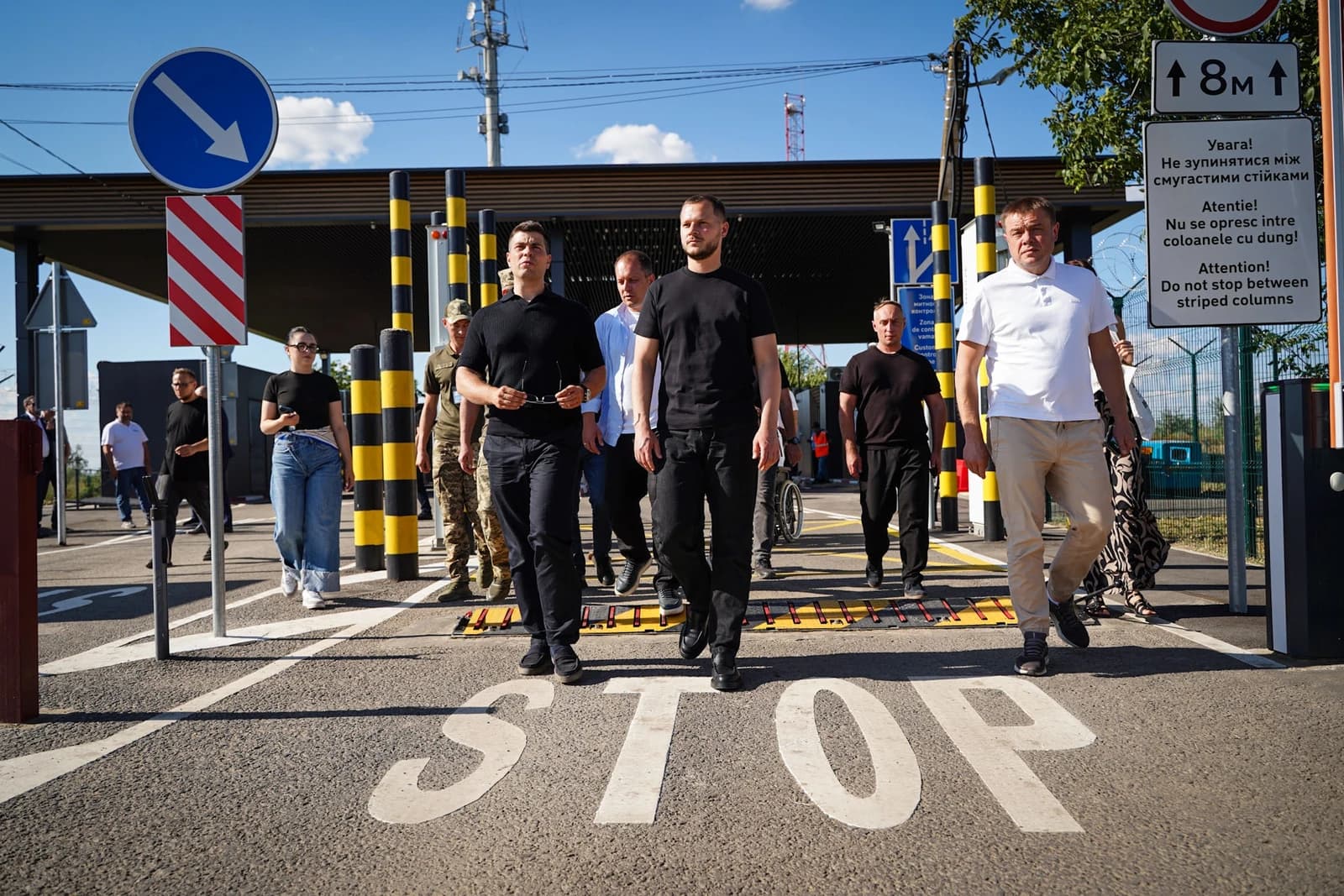
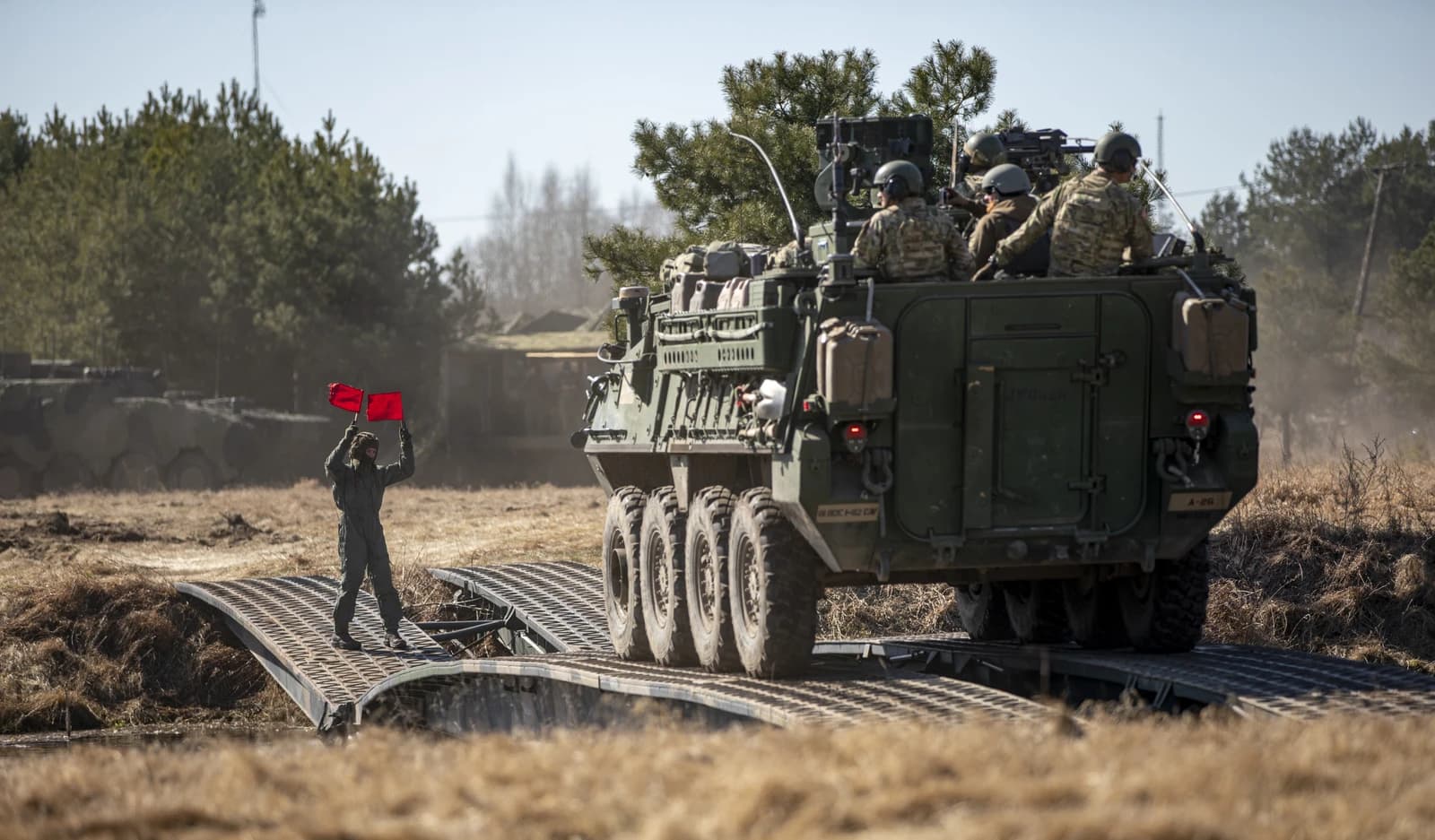
Poland and Lithuania are building evacuation plans for at least 1 million people from the Baltic states in a reminder that the biggest economic risk from Russia’s confrontation with NATO is no longer just military escalation, but the strain a wider conflict would place on infrastructure, public finances and border economies.
Poland and Lithuania Plan Baltic Evacuation for 1M
Lithuanian and Polish interior ministers said the contingency planning would move evacuees from Estonia, Latvia and Lithuania into Poland if the security environment deteriorates further. The prospect that Podlaskie, a region on Poland’s northeast frontier, could absorb the heaviest flow underscores how quickly any crisis in the Baltics would become a logistics and civil-protection challenge for the EU’s eastern flank.
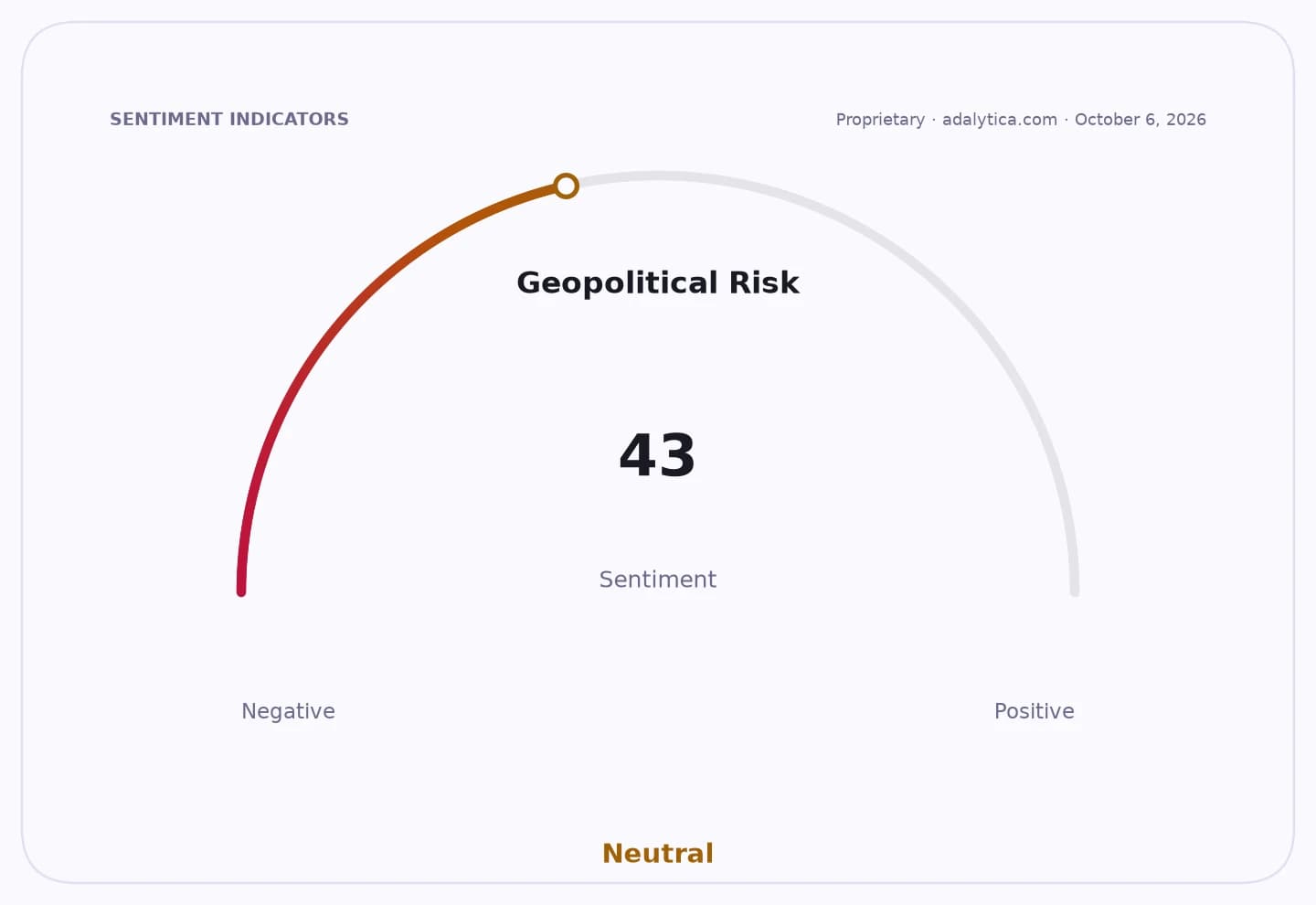
Sentiment IndicatorsⓘProprietary · adalytica.com · October 6, 2026
This is a snapshot — live sentiment, awareness and momentum for 130+ markets update continuously in the dashboard.Open AlphaPulse
For investors, the significance is twofold. First, the plans signal that governments are treating the risk of spillover from the war in Ukraine as operational rather than hypothetical, which keeps a higher risk premium attached to defense, infrastructure and logistics assets across the region. Second, the scale of the exercise points to potential disruption for labor markets, transport corridors and local services if even a fraction of the displaced population ever had to move.
The preparation comes as Warsaw and its neighbors continue to harden their defensive posture. Poland is updating its evacuation procedures after civil-defense drills in Lithuania, while Lithuania has set up a reception center near the border at Lazdijai and tested its operation during recent military exercises. Sweden has also changed how it would use air power in the event of a Russian attack, and the Pentagon has sent about 40 Marines to the Baltic Sea region to join Finland in NATO’s Baltic Sentry mission protecting underwater infrastructure.
Geopolitical Risk — 30-day sentimentadalytica.com
Explore this data interactively — full history, time series and cross-market comparisons.Open AlphaPulse
The broader message is that NATO’s northeastern members are planning for a range of crisis scenarios, from drone or missile incursions to broader hybrid disruption. Polish foreign minister Radoslaw Sikorski’s warning that Article 5 does not automatically mean allies will enter a war, though designed as a legal clarification, will likely reinforce market attention on the possibility that any future incident could fall into a gray zone before triggering a collective response.
That uncertainty is also showing up in market signals. Adalytica’s Global Stability Sentiment gauge is at 43, or neutral, but awareness is at an extreme fear reading of 4, indicating that geopolitical risk is firmly on investors’ radar even if outright panic is absent. The euro trade signal remains in a neutral sentiment state, suggesting markets have not yet priced a major shock, but are prepared for a sharper move if tensions worsen.
For listed securities with Baltic and Polish exposure, the immediate effect is likely to be indirect: higher demand for defense spending, cybersecurity, emergency logistics and border infrastructure, alongside a possible drag on consumer confidence and investment sentiment if the rhetoric hardens. EWL, the Poland-focused exchange-traded fund, has slipped to 59.26 from above 64 in August and is trading below its 50-day moving average, while EWO, the Austria ETF often used as a Central Europe proxy, has also weakened. By contrast, EUO, the euro inverse fund, remains firm, reflecting persistent investor unease around European geopolitical risk.
The bull case is that these plans are precautionary and may never be used, allowing governments to improve resilience without forcing a full repricing of regional assets. The bear case is that the need to map out mass evacuation on this scale shows how thin the margin for error has become on NATO’s eastern border, especially if Russian pressure on the region increases.
For now, the most important takeaway is that Poland and Lithuania are not planning for a localized emergency. They are planning for a continent-wide shock, and that keeps Baltic security one of Europe’s most economically sensitive flashpoints.
| Entity | Gains | Losses |
|---|---|---|
| Defense contractors | ▲Higher spending outlook | ▼No major downside |
| Poland and Lithuania | ▲Better crisis readiness | ▼Fiscal and logistical burden |
| Baltic civilians | ▲Emergency protection plans | ▼Disruption risk |
| Regional equities and the euro | ▲Clarity on contingency planning | ▼Geopolitical risk premium |