Estonia and other NATO states on the alliance’s eastern flank say they are preparing for war with Russia, but senior officials and security experts in Tallinn argue there is no sign of an imminent attack and that Moscow lacks the capacity to open a new front while its ground forces remain tied up in Ukraine.
Estonia Says No Imminent Russian Attack on NATO
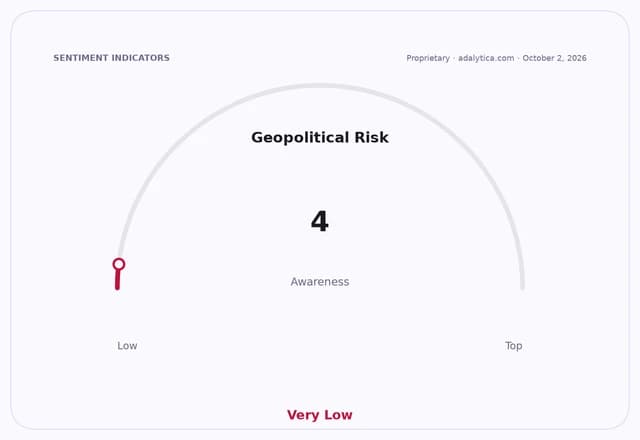
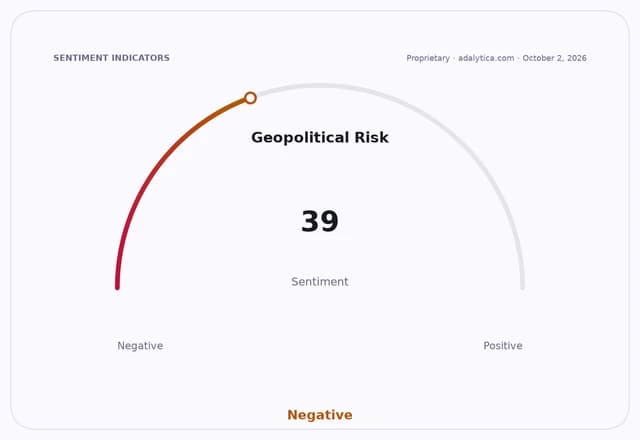
That assessment matters because the latest warnings from Poland, France and other European leaders have fed speculation that Russia may be about to test NATO’s resolve. For investors, the key issue is whether the region’s security scare translates into a lasting risk premium for European assets or simply reinforces already elevated defense spending and border-security demand.
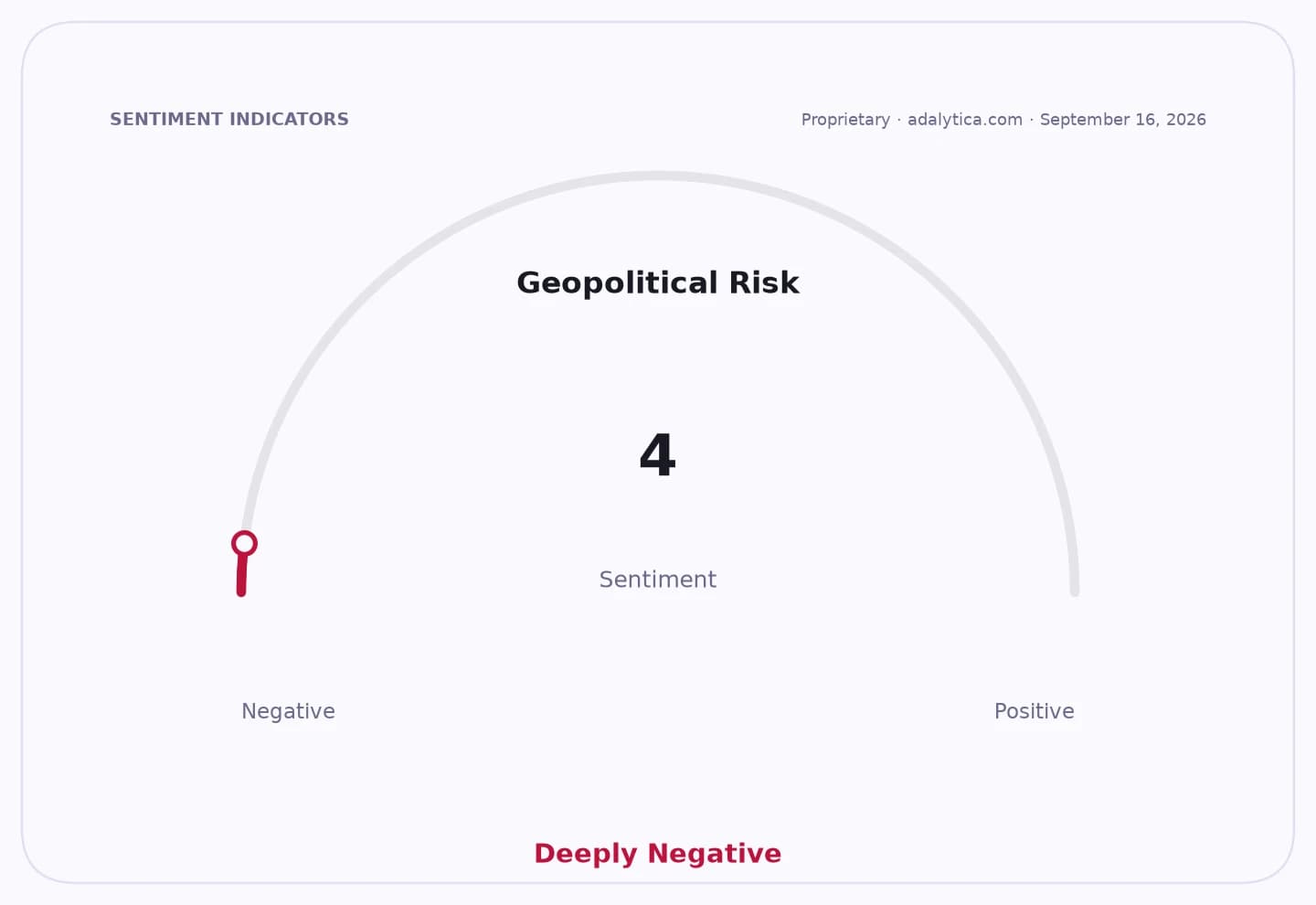
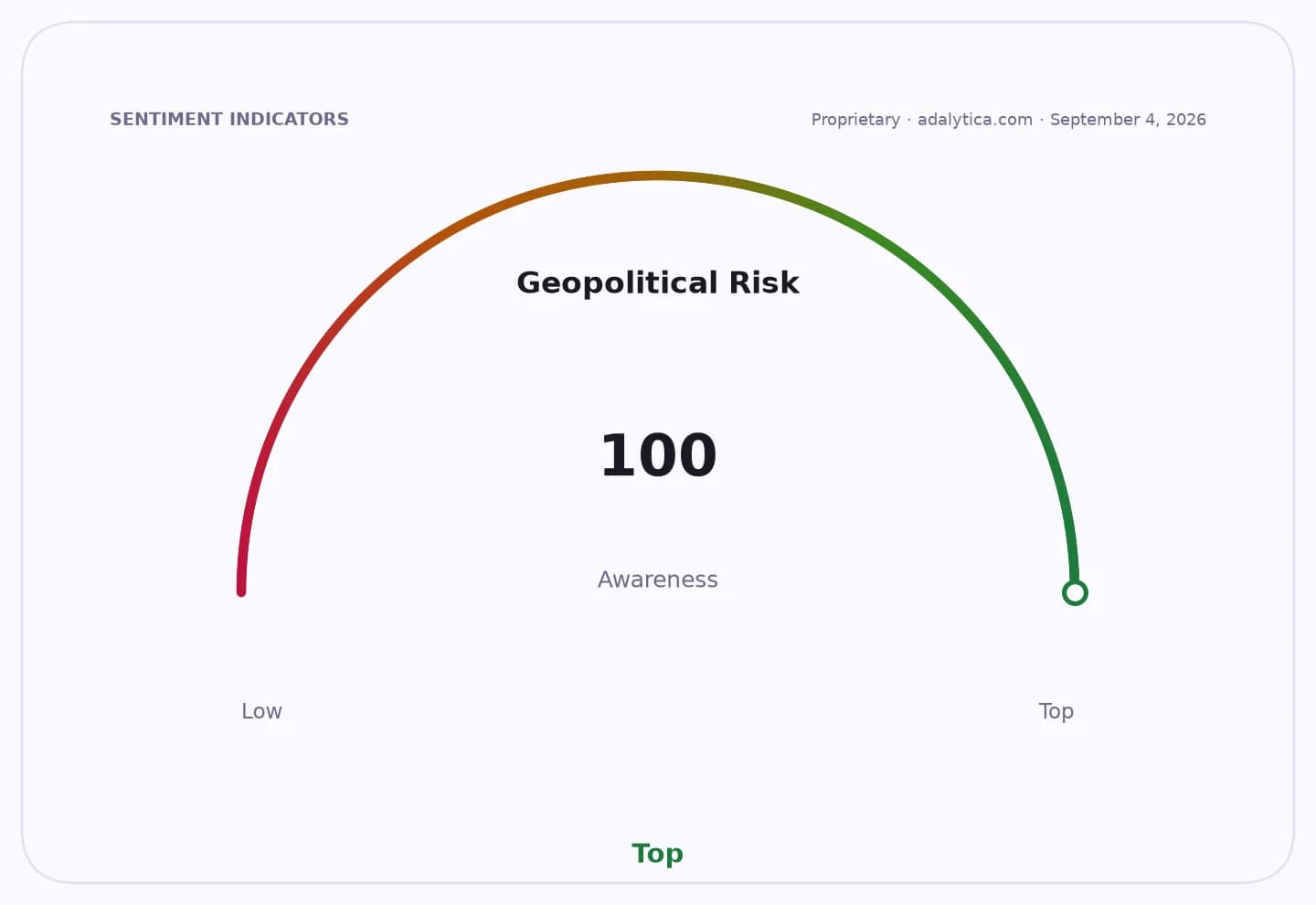
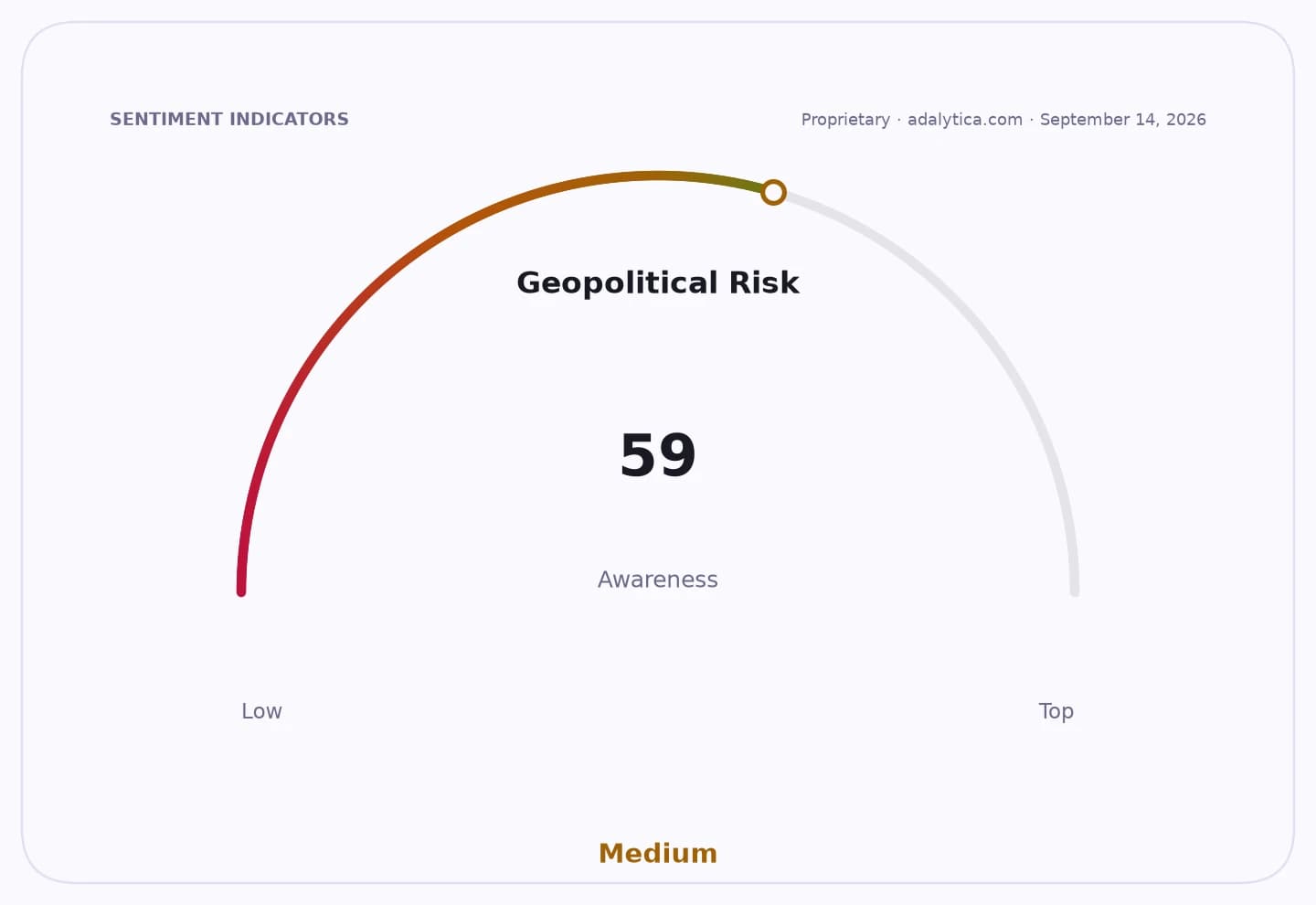
Sentiment IndicatorsⓘProprietary · adalytica.com · October 2, 2026
This is a snapshot — live sentiment, awareness and momentum for 130+ markets update continuously in the dashboard.Open AlphaPulse
In Tallinn, daily life is still functioning normally. Restaurants and hotels are full, and locals are talking more about fuel prices and the economy than about tanks crossing into Narva or the Suwalki corridor. Jonatan Vseviov, Estonia’s deputy foreign minister and a former ambassador to the U.S., said bluntly: “There is no threat of acute military invasion. None at all.”
The warning from officials is not that the risk has gone away, but that it has changed shape. Tony Lawrence, a security expert at the ICDS think tank in Tallinn, said Russia has become “more reckless” in attacks below the threshold of open conflict, pointing to drones and other hybrid incidents across Europe. He said the danger is broader than the Baltics and reflects a Russian “mental set-up of hybrid war against the West as a whole.”
That distinction matters economically. A direct invasion would upend supply chains, energy flows and regional markets. A sustained hybrid campaign is less dramatic but still costly, pushing governments to spend more on air defenses, drones, surveillance and troop readiness. It also keeps pressure on European political cohesion at a time when fiscal space is already tight.
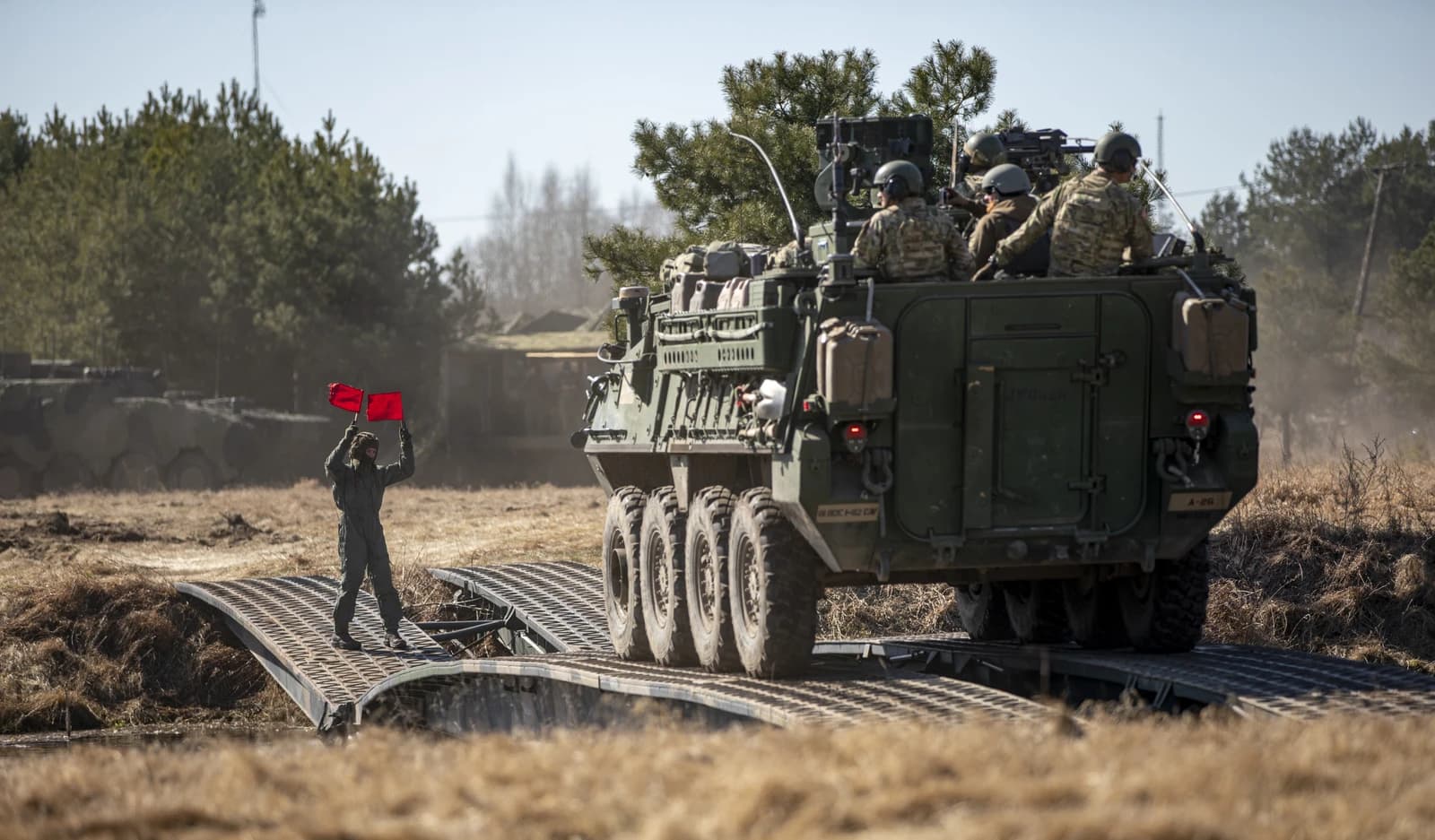
Estonia and its allies are responding by hardening the eastern flank rather than acting as if war is immediate. At the Tapa base, where more than 2,000 British and French troops are stationed alongside Estonians, commanders say the country is preparing to fight “under any circumstances.” NATO has more than 300,000 national troops in Poland and the Baltic states, plus thousands of allied soldiers deployed in the region.
The military focus is increasingly shaped by lessons from Ukraine, especially how drones are changing the battlefield. British troops in Estonia say they are training to conceal thermal signatures and react instinctively to unmanned aircraft, underscoring how the conflict in Ukraine is reshaping NATO force posture even without a formal escalation on the Baltic border.
For markets, the immediate read is less about a sudden shock than about persistent geopolitical risk. Europe’s defense names, ammunition suppliers, drone makers and cybersecurity firms are likely to remain in focus, while currencies and regional assets may react to any spike in rhetoric or incidents. The broader narrative is that Russia is testing Europe constantly, but not yet with the force needed for an outright Baltic invasion.
The question now is whether Moscow keeps probing below the threshold of war or makes a miscalculation. For investors, that means watching not just troop movements, but any shift in NATO deployments, European defense budgets and the frequency of hybrid attacks across the continent.
| Entity | Gains | Losses |
|---|---|---|
| NATO eastern flank | ▲Higher readiness, more allied backing | ▼Budget strain, constant alert |
| European defense firms | ▲More spending on drones and air defenses | ▼None from de-escalation |
| Russia | ▲Cheap coercion below war threshold | ▼Strategic flexibility, sanctions risk |
| Baltic states | ▲Stronger deterrence and alliance support | ▼Ongoing geopolitical premium |