Russia’s top diplomat is once again calling NATO and the European Union an anti-Russian military bloc, but the more important market message is that the confrontation is keeping Europe’s defense spending cycle alive and pushing investors toward the contractors most exposed to a longer rearmament runway.
Europe defense spending supports Lockheed and Northrop
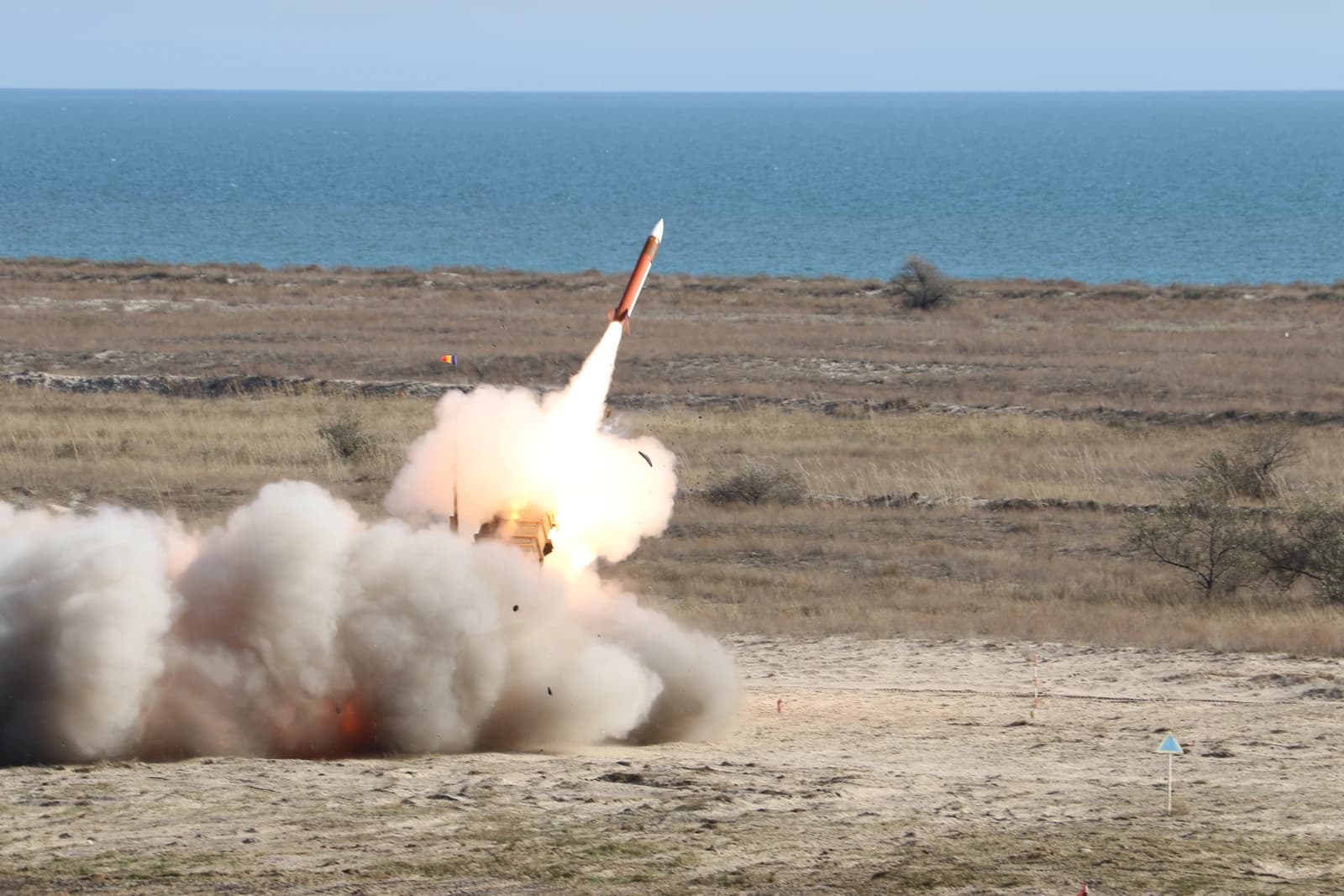
Sergey Lavrov said in Vladivostok that the EU had “transformed into a military bloc” backing NATO and argued the alliance is searching for new reasons to justify its existence. That line is not new in Moscow, but it lands at a moment when Europe is already retooling its budgets, procurement plans and industrial base for a much harsher security environment.
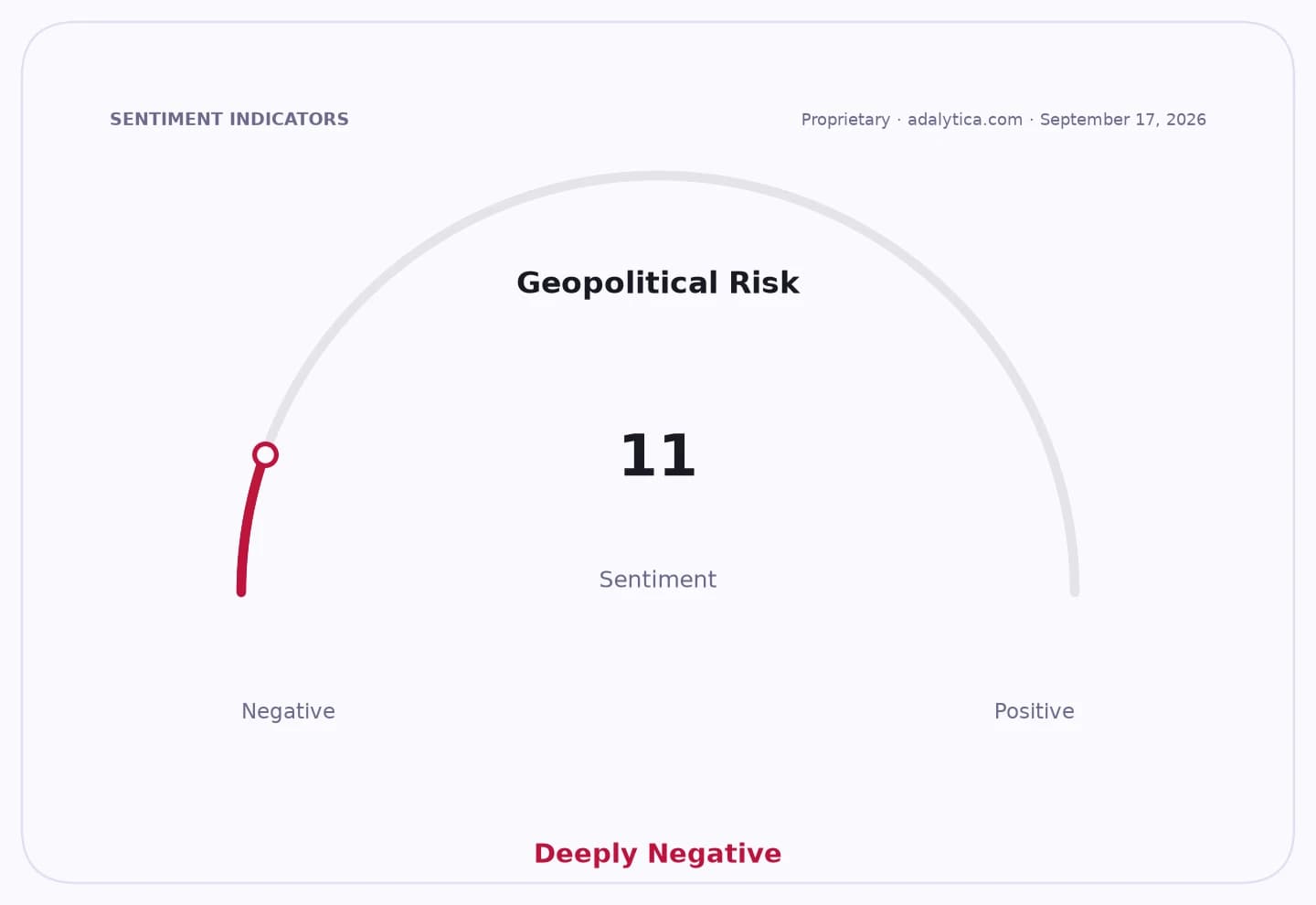
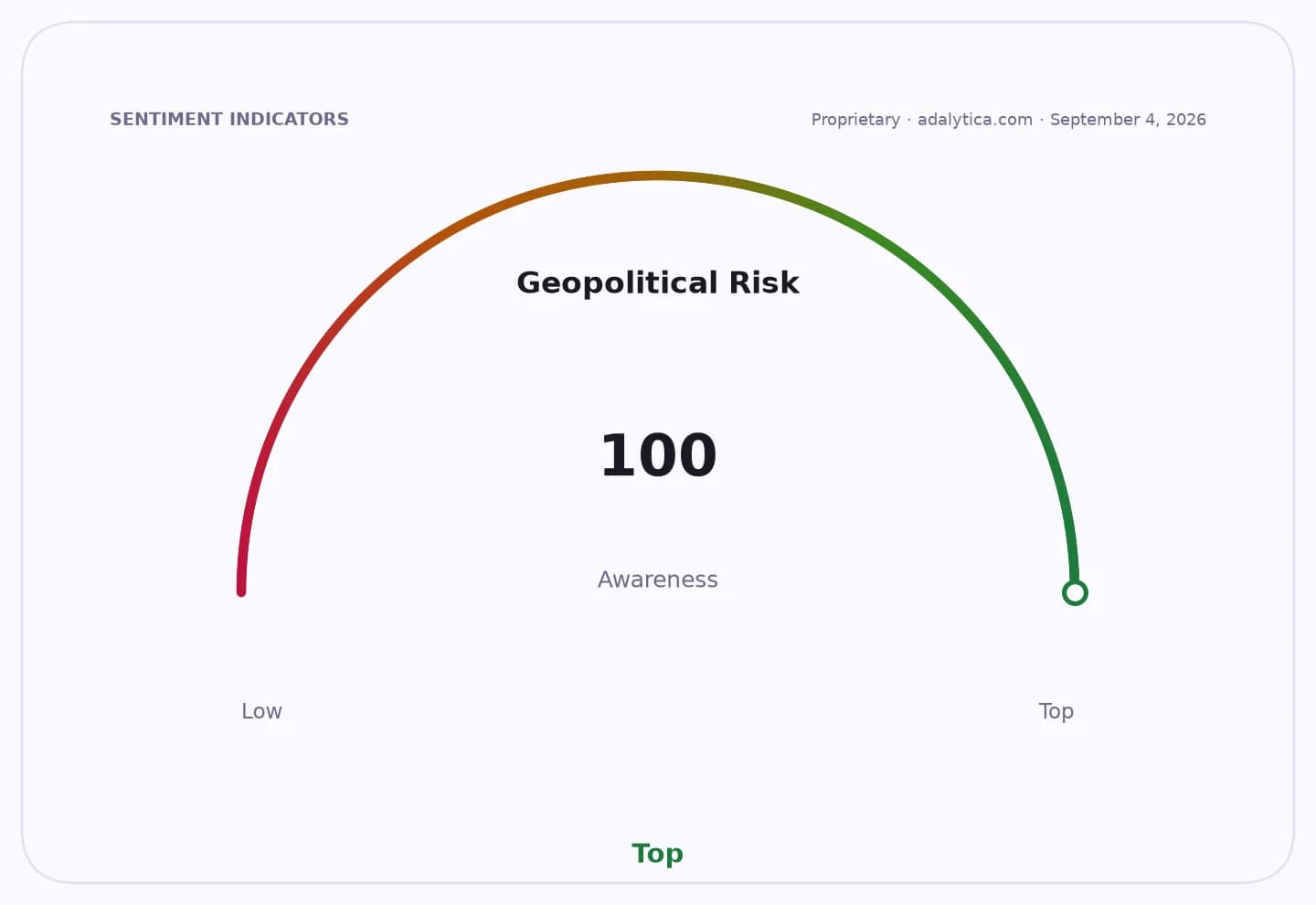
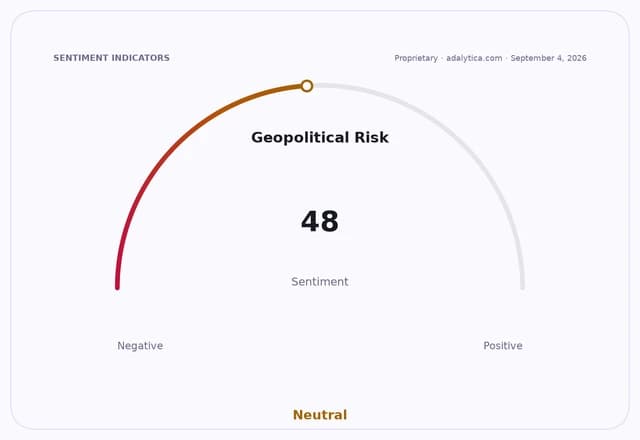
Sentiment IndicatorsⓘProprietary · adalytica.com · September 4, 2026
This is a snapshot — live sentiment, awareness and momentum for 130+ markets update continuously in the dashboard.Open AlphaPulse

That matters economically because higher defense spending is not just a policy headline; it is a multi-year reallocation of public capital. Lavrov himself pointed to spending rising from 2% to 5% of GDP, a scale that would crowd out other budget priorities and support a durable wave of orders for missiles, air defense, sensors, aircraft and command-and-control systems. Even if the political rhetoric fades, the spending impulse is already becoming embedded in Western budgets.
For investors, the key is that this is no longer just about sentiment around war risk. It is about earnings visibility. Defense primes have backlog, pricing power and long-cycle programs that can absorb rising geopolitical tension far better than cyclical industries. The market has treated defense as a trade around headlines, but the underlying thesis is structural: Europe’s security reset is becoming a capex cycle for military hardware.
That is why the recent price action in major U.S. defense names matters. Lockheed Martin and Northrop Grumman both remain tied to the same rearmament theme, even after sharp swings in their shares. Lockheed’s stock has been volatile, but its access to U.S. and allied procurement remains central to the thesis. Northrop, meanwhile, sits directly in the path of modernization spending tied to strategic deterrence, missile defense and next-generation systems. Investors should be watching for continued support from Pentagon demand, NATO replenishment and allied procurement tied to Russia exposure.
The broader setup is even more favorable for the sector because geopolitical fear is reinforcing fiscal reality. NATO members are being pushed to spend more, not less, while European governments face the political cost of explaining why defense must outrank domestic priorities. That tension is exactly why the spending tends to stick once it starts: no government wants to be accused of underinvesting in security after the next escalation.
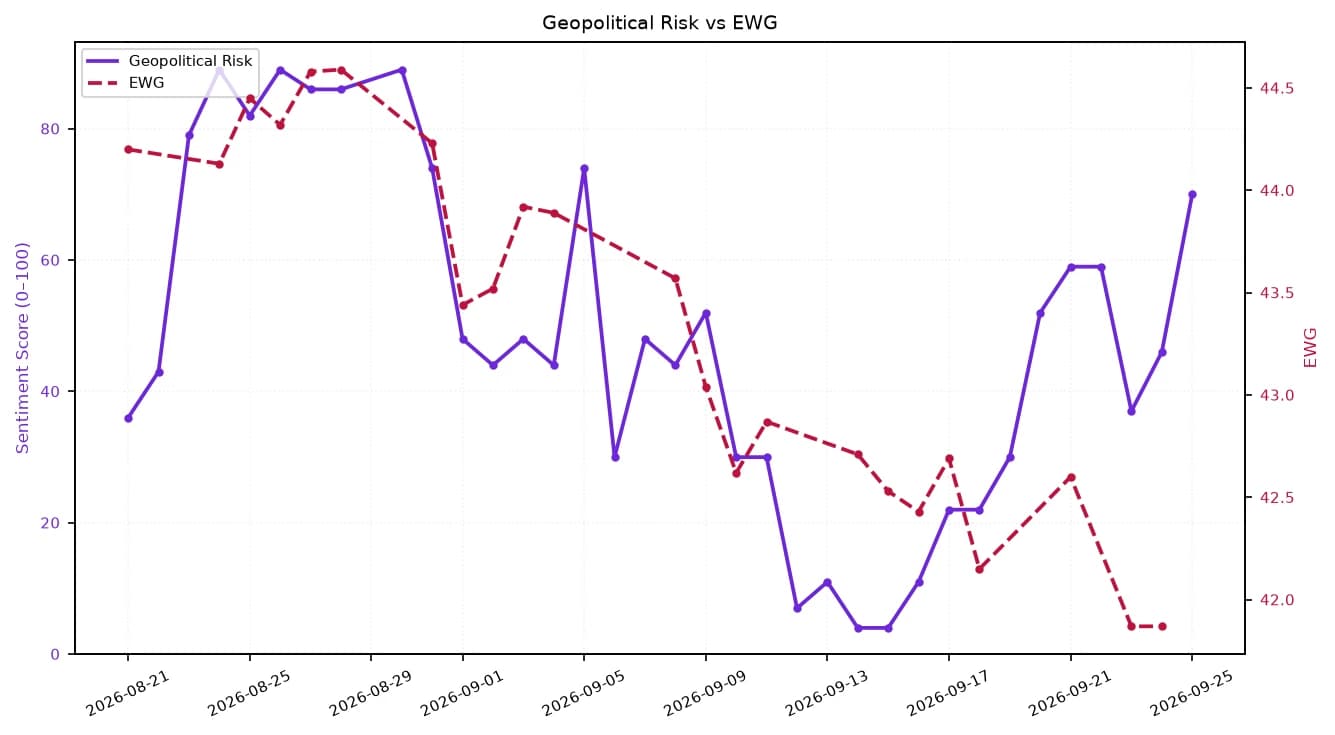
Adalytica’s Global Stability Sentiment is neutral at 48, but awareness is at an extreme 100, underscoring how fully the market is focused on geopolitical risk even without a fresh shock. That usually supports the defense complex longer than investors expect, because capital flows gravitate toward perceived beneficiaries of a persistent threat environment.
The trade here is straightforward: the market underestimates how long this rearmament cycle can last. If NATO and Europe continue to frame Russia as the central security challenge, defense budgets will stay elevated, industrial capacity will be expanded and supplier networks will remain tight. That creates an asymmetric opportunity in the contractors, systems integrators and specialty suppliers that feed the modern arsenal.
If you want exposure, the cleaner way to play it is through the major defense names and the broader defense ETF complex, with Lockheed Martin and Northrop Grumman positioned as direct beneficiaries of sustained procurement and Europe’s renewed military spending. The thesis is not that every headline produces a rally. The thesis is that the world order is already shifting toward higher defense spending, and investors who wait for clarity will miss the next leg higher.
| Entity | Gains | Losses |
|---|---|---|
| Lockheed Martin | ▲More allied procurement | ▼Budget uncertainty |
| Northrop Grumman | ▲Missile-defense demand | ▼Margin pressure from execution |
| NATO defense suppliers | ▲Multi-year rearmament cycle | ▼Peace dividend |
| European taxpayers | ▲— | ▼Higher defense bills |