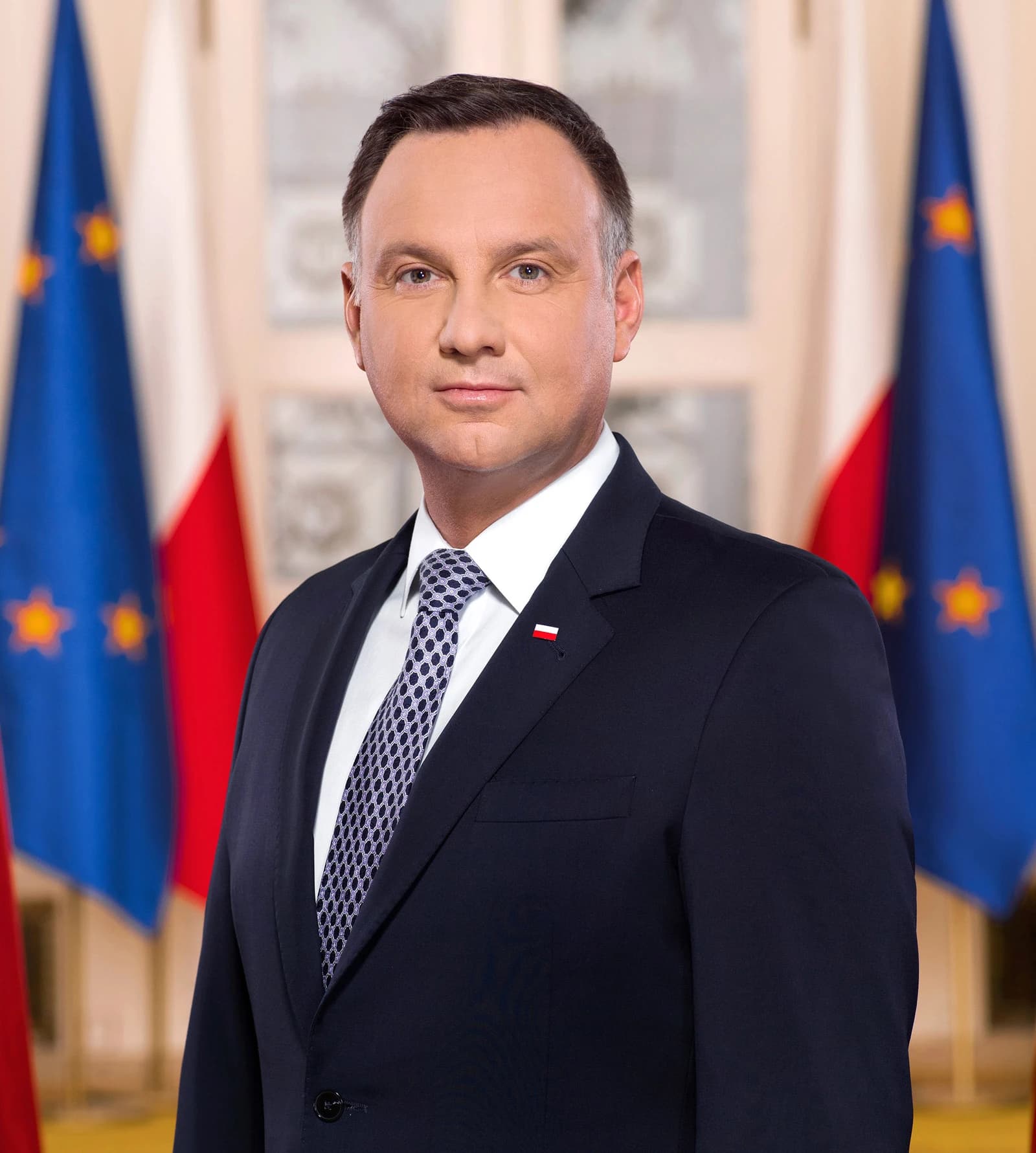
Lithuania is trying to turn growing security anxiety on NATO’s eastern border into a commercial advantage for Palantir Technologies, with President Gitanas Nausėda saying the U.S. software group could make the country a regional center for its defense and data operations.
Palantir Plans Lithuania Defense Hub

The pitch matters because it ties one of Europe’s most exposed front-line states to a company increasingly central to military software, battlefield data and public-sector analytics. For Lithuania, a deeper Palantir footprint would bring investment, high-value technology work and a stronger role in NATO’s eastern defense architecture. For Palantir, it would add another government-facing beachhead in Europe at a time when allies are spending more on command, control and data integration as Russia’s threats intensify.
Nausėda said after meeting Palantir chief executive Alex Karp in New York that the company already works with Lithuania’s defense sector and that the country has the potential to become “a strong Palantir center” for the Baltics and the wider NATO eastern flank. He said solutions tested in Lithuania could be adapted for other alliance members, effectively making the country a laboratory for defense software deployment.
That is strategically useful for both sides. Lithuania sits on one of NATO’s most vulnerable borders and has been among the alliance’s most vocal advocates for stronger deterrence since Russia’s full-scale invasion of Ukraine. If Palantir expands there, it could help formalize a model in which defense tech is developed, tested and exported through a small but geopolitically important member state rather than through larger Western European capitals.
The move also fits Palantir’s broader business model, which depends heavily on long-cycle relationships with governments, militaries and security agencies. The company has already been active in Lithuania since 2022, according to the presidency, and its systems have been used in support of Ukraine and in handling Ukrainian refugees in Lithuania. That gives the company a local operational base from which to deepen ties as NATO eastern-flank states seek faster data-sharing and more resilient command infrastructure.
Investors are likely to see the development as supportive of Palantir’s international growth story, even if it is not yet a hard contract win. The stock has been volatile, with the shares recently trading around $189.67 after touching as high as $207.18 in early November and as low as $107.27 in late June. Technical readings show the shares have recovered sharply from oversold levels earlier in the year, though they remain below the late-summer peak and are trading above both the 50-day and 200-day moving averages. That suggests the market is still rewarding evidence of durable demand for Palantir’s defense and government platforms, while remaining sensitive to execution and valuation.
The geopolitics are a tailwind, but not without risk. NATO officials are warning about sabotage, drone incidents and other provocations along the alliance’s eastern border, and that pressure should keep defense spending elevated. Yet foreign public-sector contracts can be slow, political and exposed to procurement shifts. Palantir’s own filings caution that foreign governments can take regulatory or legislative action that materially interferes with sales.
For investors, the key question is whether Lithuania becomes a one-off symbolic outpost or the template for a broader regional expansion. If Palantir can use the country as a proving ground for systems adopted elsewhere in NATO, that would strengthen the company’s case as a critical supplier to allied defense modernization. If not, the announcement still underscores the way Europe’s security crisis is creating new commercial opportunities for U.S. defense software vendors.
| Entity | Gains | Losses |
|---|---|---|
| Palantir Technologies | ▲Regional defense foothold | ▼Procurement and political risk |
| Lithuania | ▲Higher-tech investment | ▼Greater security exposure |
| NATO eastern flank | ▲Faster data integration | ▼Dependence on foreign vendors |
| Traditional defense contractors | ▲Less | ▼Market share in software layer |