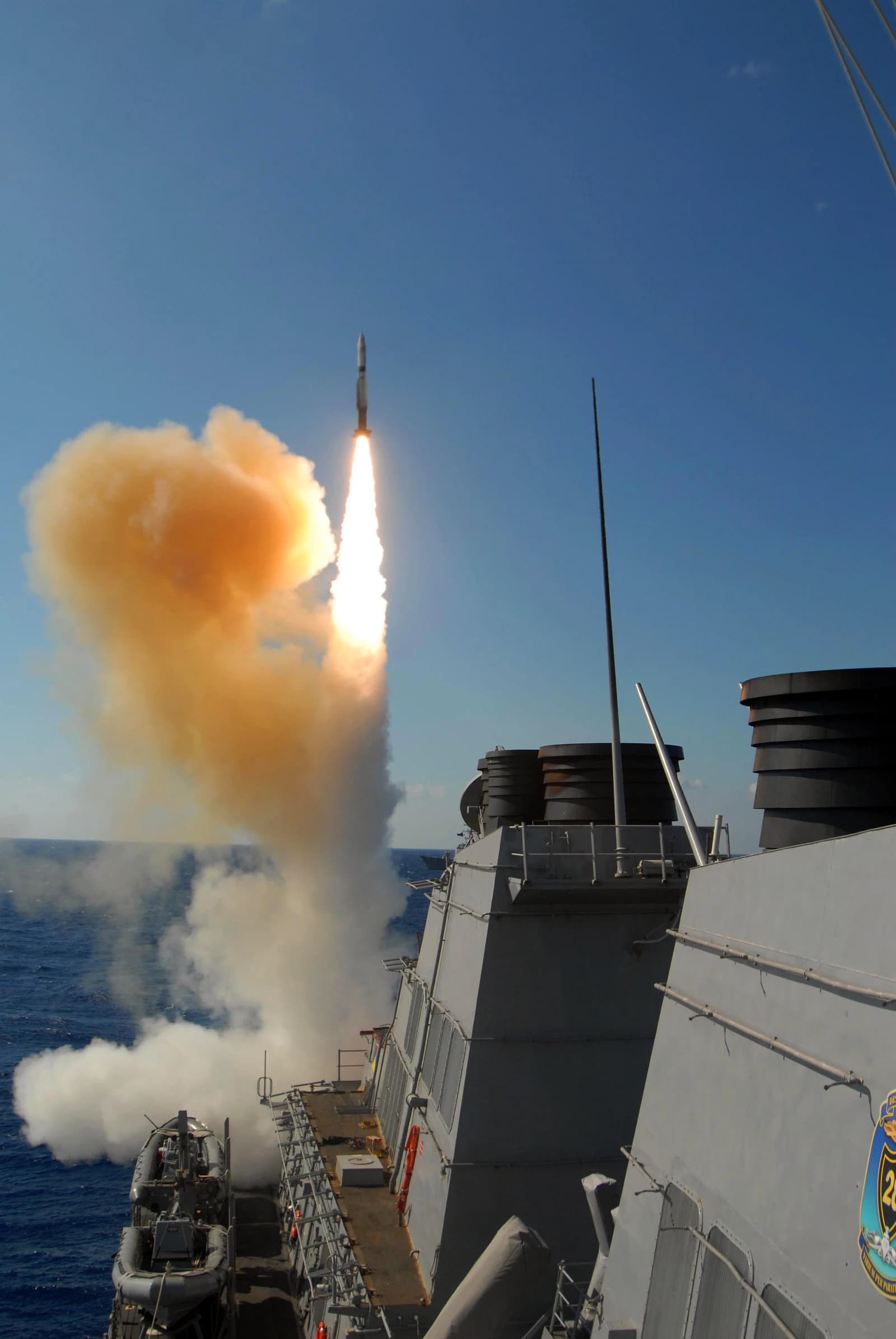
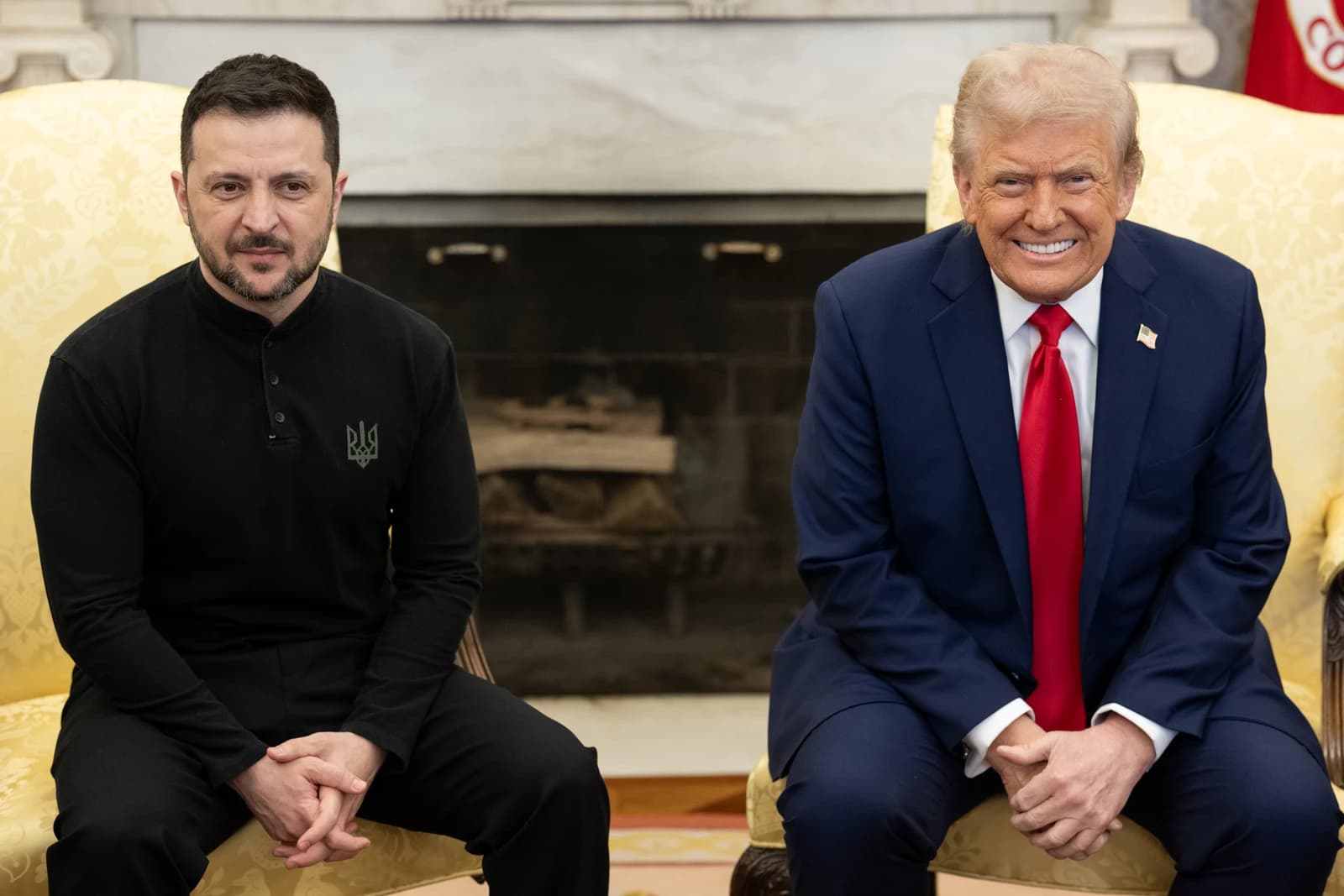
The possibility of speeding up interceptor missile deliveries to Kyiv moved to the center of U.S.-European war planning after French President Emmanuel Macron said he discussed the issue with President Donald Trump in New York, underscoring renewed pressure on Washington to ease a looming air-defense shortage for Ukraine and its allies.
Ukraine interceptor deliveries draw U.S.-Europe focus
Macron said the two leaders held a long, constructive discussion on Ukraine and Russia and on the need to help Kyiv “faster and stronger” on interceptors, a key defensive need as Russia continues to strike Ukrainian cities and infrastructure. The comments point to a push by European capitals to keep Ukraine supplied with Patriot-class interceptors even as U.S. stockpiles remain tight.
Sentiment IndicatorsⓘProprietary · adalytica.com · September 26, 2026
This is a snapshot — live sentiment, awareness and momentum for 130+ markets update continuously in the dashboard.Open AlphaPulse
The issue matters economically because interceptor missiles are among the most expensive and supply-constrained items in the defense supply chain, and shortages can ripple through procurement schedules, production planning and allied inventories. Bloomberg reported last week that U.S. allies fear deliveries to Ukraine and Europe could be delayed for as long as five years after Washington burned through reserves during its assault on Iran, while the Pentagon is prioritizing rebuilding its own stocks.
For investors, that backdrop keeps attention on defense contractors with exposure to missile production and air-defense systems. RTX, which makes Patriot GEM-T interceptors, has already disclosed a $3.7 billion booking for Patriot GEM-T missiles for Ukraine, while Lockheed Martin and Northrop Grumman remain key names in missile defense and related production chains. Tight inventories and longer production runs can support backlogs, but they also create execution risk if governments press for faster output.
RTX shares have been volatile but remain above where they traded in late September, while Lockheed Martin has pulled back from earlier highs and Northrop Grumman has also retreated from its 2026 peak. Standard technical indicators on the stocks reflect that mixed picture, with RTX’s 50-day moving average still above its 200-day trend despite recent weakness, while Lockheed and Northrop trade below both their 50-day and 200-day averages.
The broader narrative is that Europe and the U.S. are trying to reconcile two competing defense priorities: keeping Ukraine supplied now and rebuilding depleted Western stockpiles for the longer term. Any concrete follow-up on faster interceptor deliveries, whether through direct U.S. supply, co-financing or accelerated production, could move defense shares and reset expectations for missile makers’ order flow in the months ahead.
| Entity | Gains | Losses |
|---|---|---|
| Ukraine | ▲Faster air defense support | ▼Missile shortage risk |
| RTX | ▲Higher Patriot demand | ▼Production strain |
| Lockheed Martin | ▲More missile-defense demand | ▼Supply bottlenecks |
| U.S./NATO stockpiles | ▲Renewed replenishment focus | ▼Depleted reserves |