The U.S. Army’s decision to hand Lockheed Martin a contract worth up to $1.2 billion for the next version of its Precision Strike Missile is another sign that long-range, mobile-target precision weapons are moving from niche capability to core U.S. warfighting infrastructure.
Lockheed Martin wins up to $1.2B PrSM contract
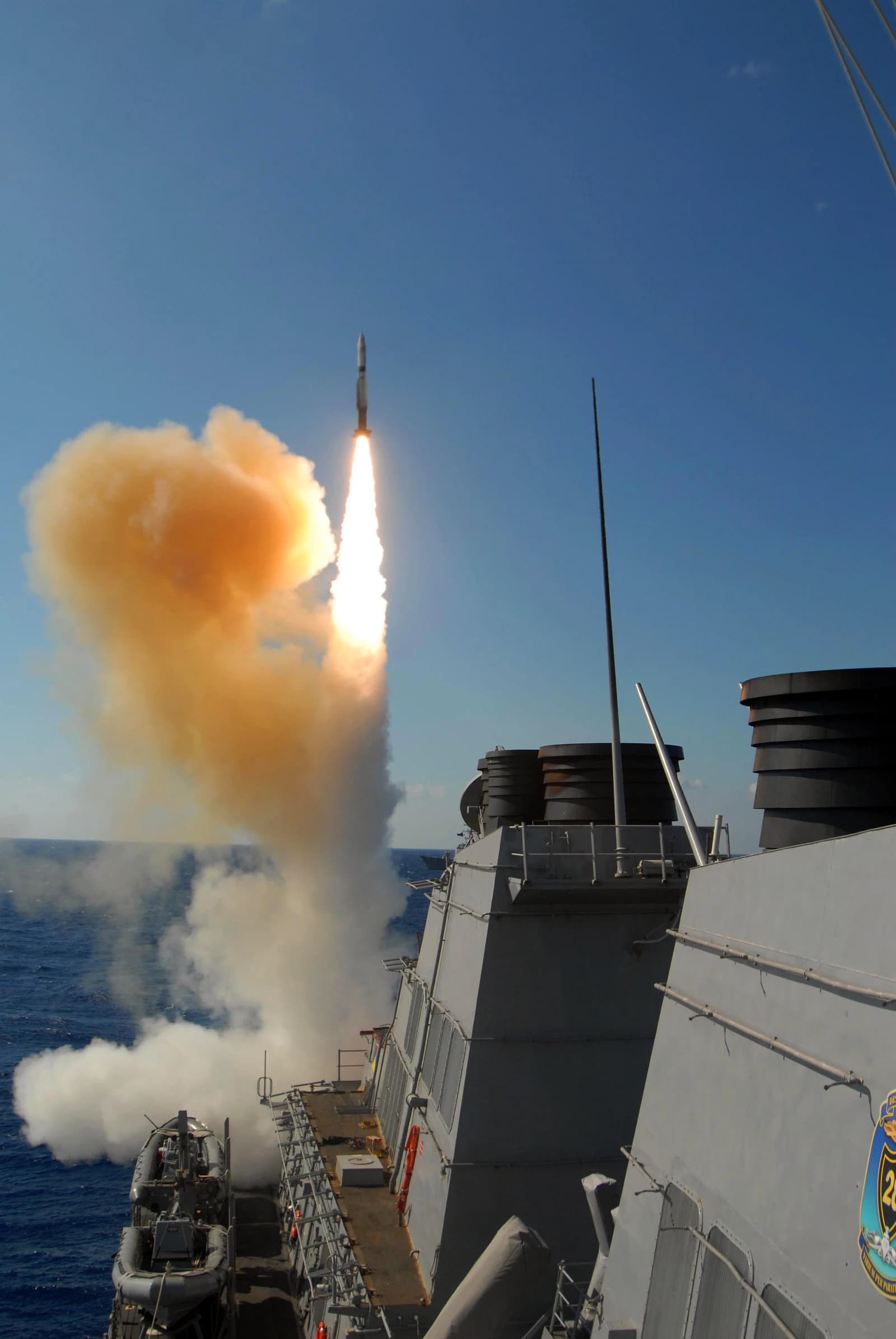
That matters because the Increment-2 PrSM is not just a replacement for the aging ATACMS system. It expands the Army’s ability to hit both fixed and moving targets on land and at sea, including ships, while fitting into existing HIMARS and M270 launch systems. In other words, the Pentagon is buying more reach without having to fund an entirely new launch architecture — a far more capital-efficient way to scale deterrence.
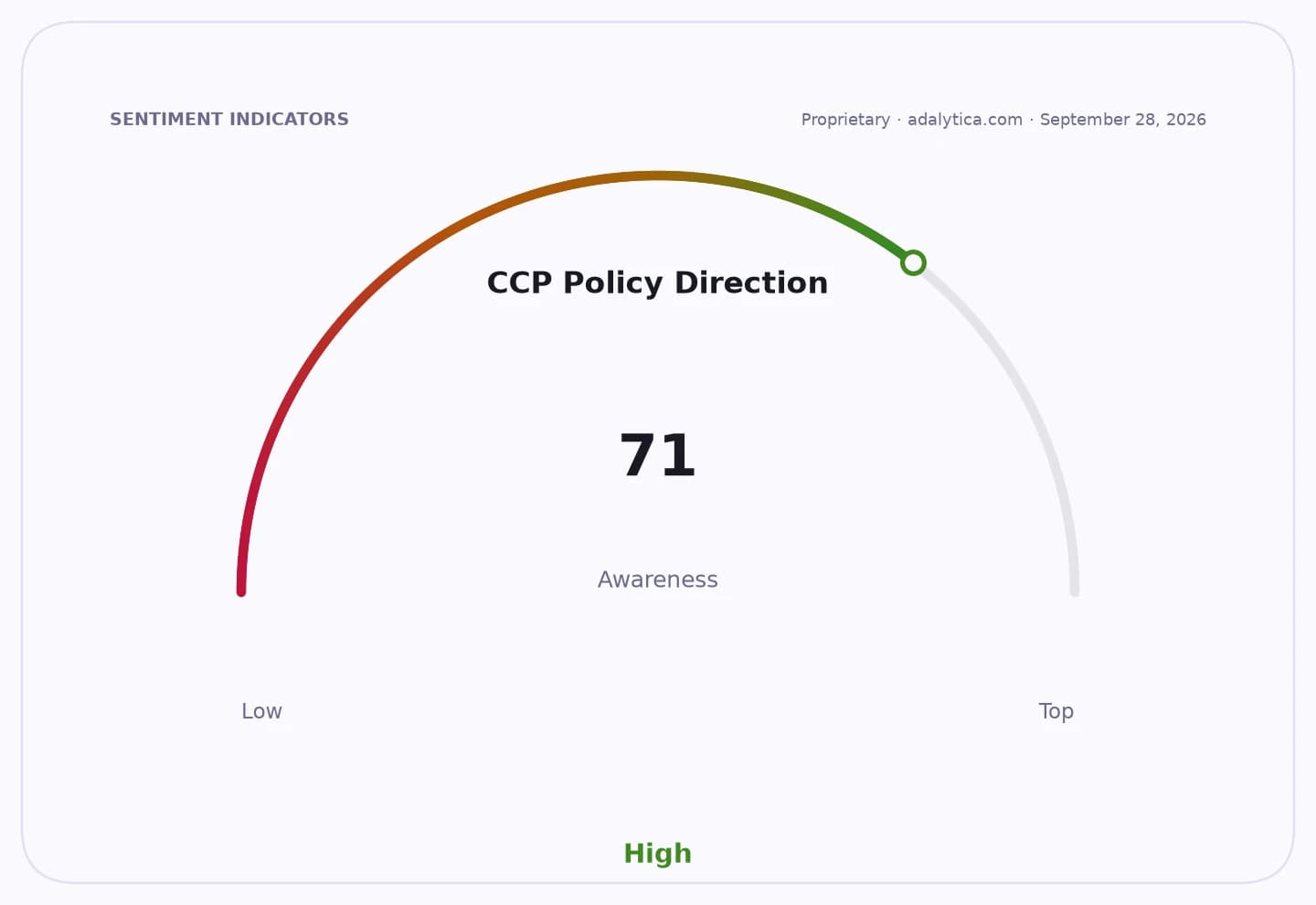
Sentiment IndicatorsⓘProprietary · adalytica.com · September 28, 2026
This is a snapshot — live sentiment, awareness and momentum for 130+ markets update continuously in the dashboard.Open AlphaPulse
For investors, the message is straightforward: defense demand is shifting from one-off procurement toward sustained production runs, and that is exactly where Lockheed Martin’s missile business can compound. The company said the award is structured so additional orders can follow, and it is already lifting annual production capacity toward 550 missiles a year as demand for precision fires accelerates. That combination — a large contract, a multi-year program, and a rising production ceiling — is the kind of revenue visibility the market tends to reward over time.
The timing is important. Lockheed is moving into production even though testing is not fully complete, a sign the Army is prioritizing fielding speed over waiting for every last evaluation cycle. The company has already completed two flight tests of the new version, with further testing planned for 2027. That indicates the program is still early in its lifecycle, which means this award is more likely a starting point than a terminal win.
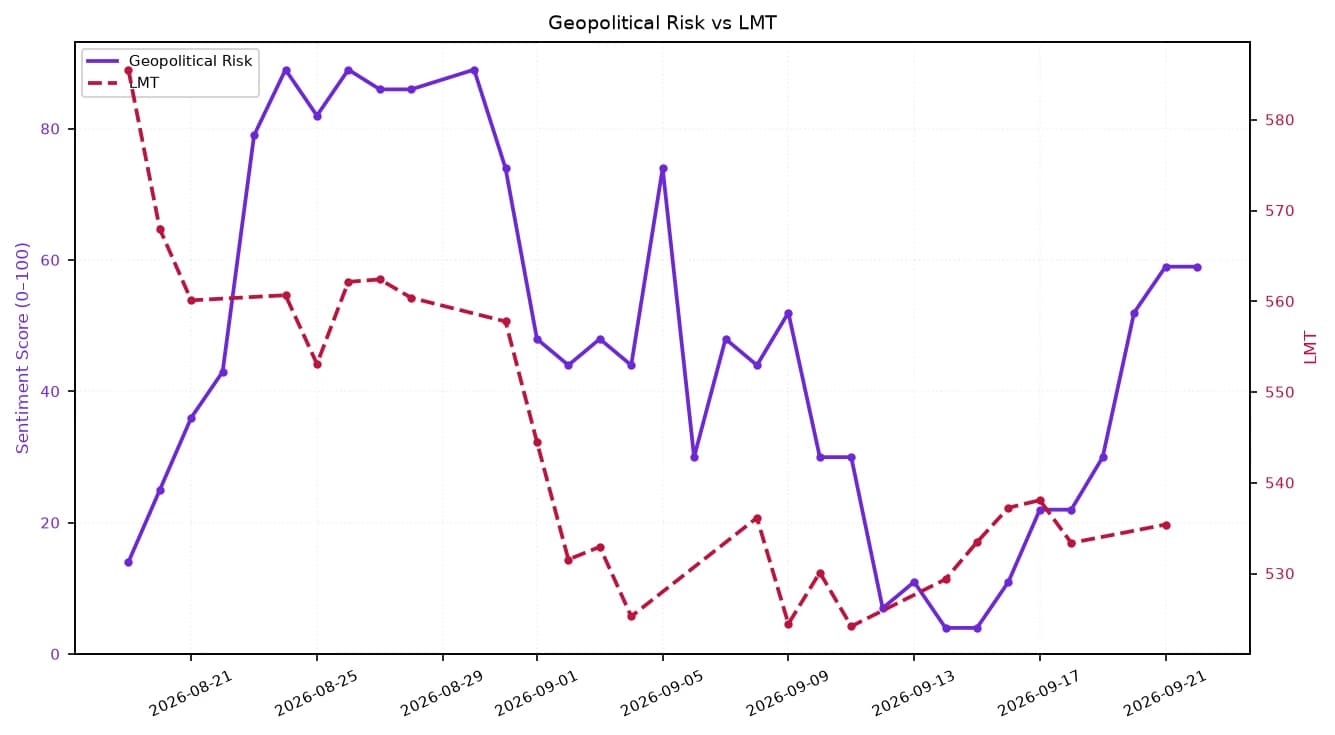
The broader backdrop is worsening geopolitical tension and a renewed emphasis on missile defense and strike capacity. North Korea’s recent joint strike drills, involving long-range artillery, drones and advanced missile systems, underscore why Washington and its allies are leaning harder into precision strike programs. The global stability backdrop, tracked by Adalytica’s Geopolitical Risk gauge, is flashing extreme greed on sentiment but extreme fear on awareness — a combination that often appears when markets are slow to price in how quickly security spending can rise.
This is where the market may still be underestimating the opportunity. Defense investors often focus on aircraft, satellites or headline jet programs, but the more durable trade in this cycle may be missiles: replenishment demand, faster consumption rates in real conflicts, and an urgent need for scalable deterrence. Lockheed’s missile franchise, alongside peers like RTX and Northrop Grumman, sits at the center of that shift.
The stock has already been volatile, and the technical backdrop shows the shares have rebounded sharply from recent weakness, with the 50-day moving average still an important reference point for traders. But the longer-term thesis is not about a single chart setup. It is about backlog conversion, capacity expansion and a Pentagon that is increasingly buying the tools of modern standoff warfare.
I believe the real investment takeaway is to treat this contract as another proof point in a larger rearmament cycle. Lockheed Martin is not merely winning a missile order; it is building the industrial backbone for a more missile-heavy U.S. and allied defense posture. For investors who want exposure to the secular rise in precision strike, the best opportunities remain the companies supplying the toll roads of modern warfare — and Lockheed is one of them.
| Entity | Gains | Losses |
|---|---|---|
| Lockheed Martin | ▲backlog growth | ▼none immediately |
| U.S. Army | ▲longer-range strike capability | ▼ATACMS dependence |
| RTX / Northrop Grumman | ▲higher defense spending spillover | ▼budget competition |
| Potential adversaries | ▲none | ▼U.S. precision-strike deterrence |