Poland’s warning that it must prepare for a clash with Russia is sharpening the market’s view that Europe’s defense buildout is no longer theoretical — it is becoming a multi-year spending cycle with direct winners in U.S. and European arms makers.
Defense Stocks Gain as Poland Warns on Russia Risk
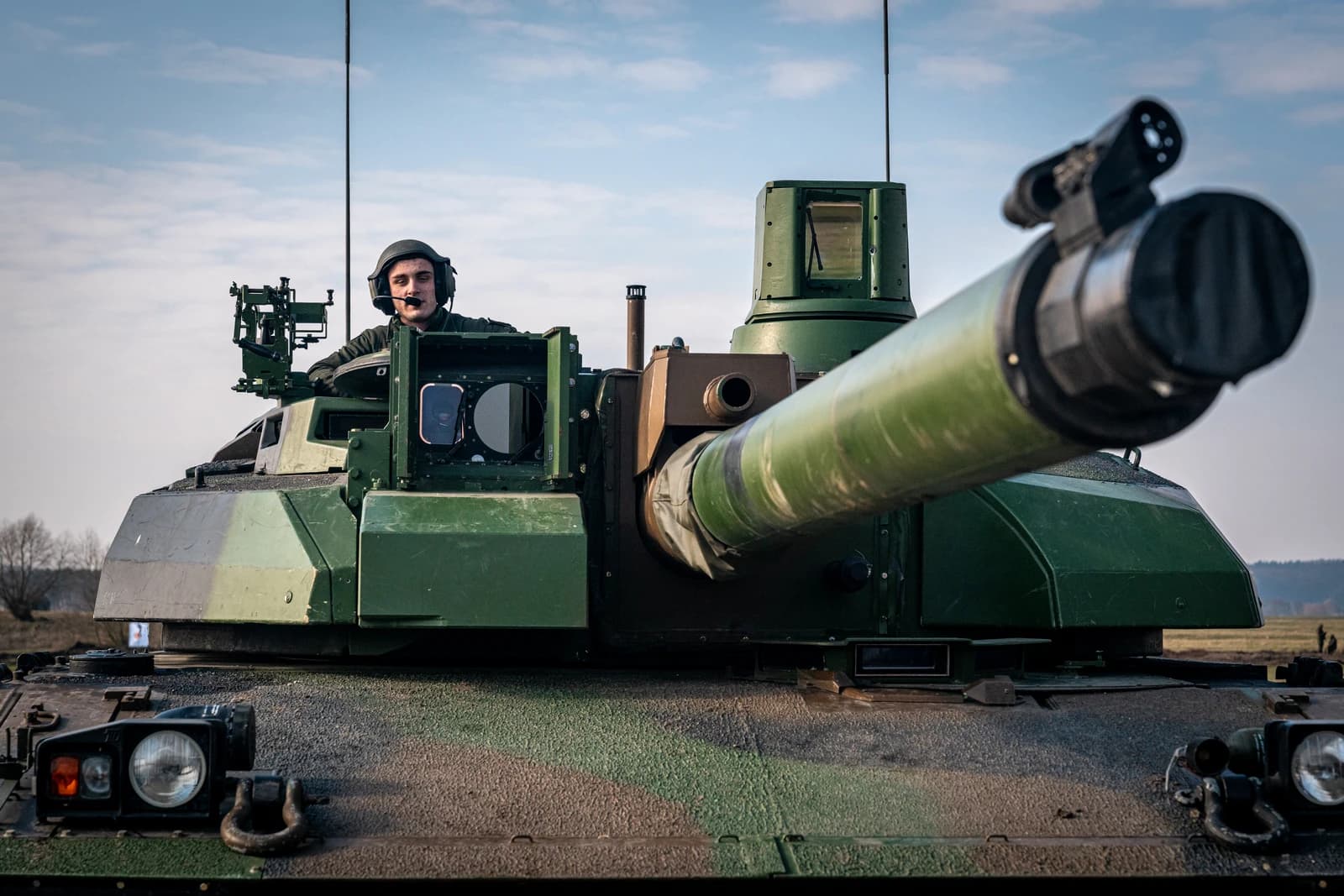
The significance is bigger than another round of rhetorical escalation. When Warsaw’s foreign minister says citizens should keep emergency supplies at home and the government should prepare for a possible armed conflict, it reinforces what investors are already pricing: Eastern Europe is entering a sustained rearmament phase, and NATO members on the front line are likely to keep widening defense budgets, stockpiling munitions and hardening air defenses. That is the kind of backdrop that keeps procurement flowing even if the broader macro picture softens.
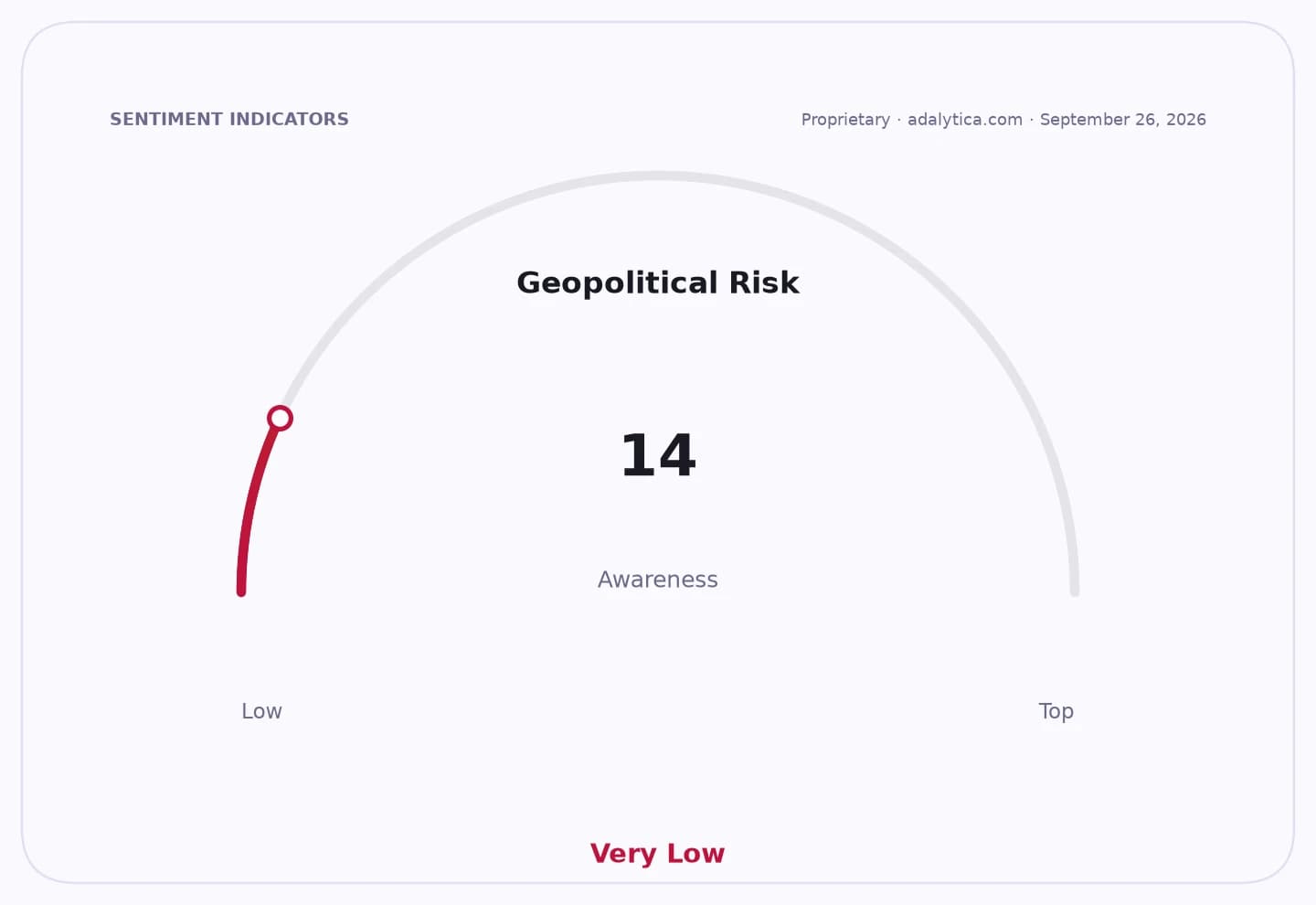
Sentiment IndicatorsⓘProprietary · adalytica.com · September 29, 2026
This is a snapshot — live sentiment, awareness and momentum for 130+ markets update continuously in the dashboard.Open AlphaPulse

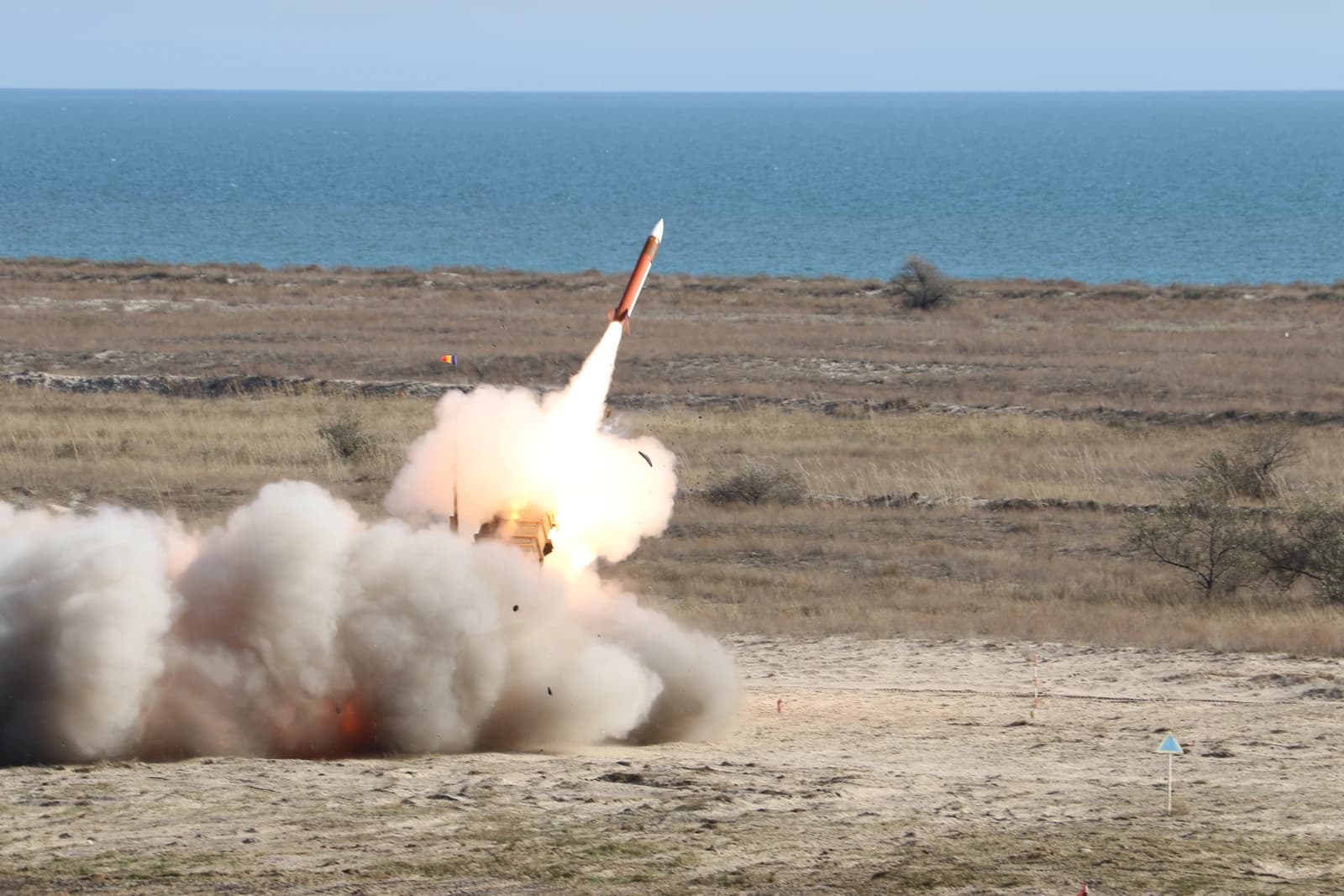
The clearest market read-through is to defense contractors with exposure to missiles, air defense, surveillance and battlefield systems. Lockheed Martin, Northrop Grumman and RTX sit at the center of that trade because they sell the high-value equipment Europe cannot quickly replace with domestic production. The sector has already been riding a geopolitical bid, but the latest Polish posture suggests the market may still be underestimating the duration of demand. Governments do not rebuild military readiness in quarters; they do it over years, with repeat orders, replenishment cycles and higher baseline spending.
That matters economically because military urgency crowds in capital expenditure, industrial production and public procurement across the defense supply chain. Europe’s push to strengthen deterrence near Russia also favors ammunition, radar, missile-defense and command-and-control capacity — areas where supply remains tight and backlogs can stay elevated. The result is a sturdier revenue runway for major contractors and their suppliers, even as investors rotate in and out on short-term headlines.
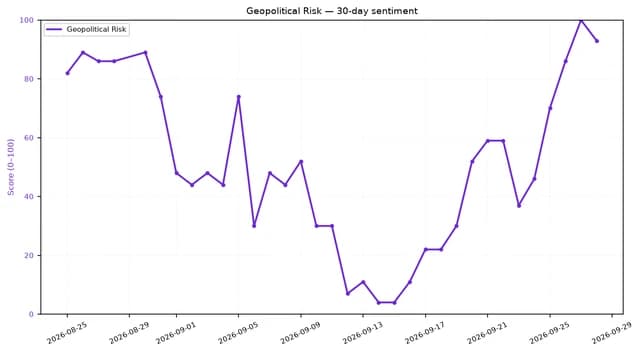
The price action reflects that tension. RTX has given back ground from its August highs and recently sat near $188, well below its 50-day moving average around $207, suggesting the market has not fully re-rated the stock despite the geopolitical backdrop. Northrop Grumman, after a sharp summer run, has also pulled back to about $506, with the shares below both the 50-day and 200-day moving averages. Lockheed Martin, meanwhile, has slipped to roughly $518 after trading above $670 earlier this year, leaving valuation and sentiment sensitive to any fresh defense catalyst. If NATO procurement accelerates, these names are the obvious beneficiaries of the next leg higher.
The broader narrative is simple: Europe is moving from deterrence talk to deterrence spending, and the market usually catches up only after the budget approvals and order announcements start to hit. Poland’s stance raises the odds that defense outlays stay elevated through 2026 and beyond, while any further escalation around the Baltic region would likely extend the premium across missile defense, drones, electronic warfare and border security systems.
For investors, this is still a stock-picking market, not a passive beta trade. The asymmetric opportunity sits in the contractors with the deepest exposure to European rearmament and the strongest backlog visibility. I believe dips in the defense complex remain buyable while Poland and its NATO allies keep treating the Russia threat as a live operational risk rather than a distant geopolitical concern.
| Entity | Gains | Losses |
|---|---|---|
| Lockheed Martin | ▲Missile and air-defense orders | ▼Budget uncertainty |
| Northrop Grumman | ▲NATO rearmament demand | ▼Near-term share volatility |
| RTX | ▲Europe security spending | ▼Margin pressure from cost inflation |
| Russia | ▲Tactical leverage from fear | ▼Western defense buildup |