Poland’s rapid military buildup is becoming an industrial opportunity for its neighbors, with Slovak ammunition makers and vehicle specialists positioning themselves inside a defense market that is now among Europe’s largest and fastest growing.
Poland Defense Buildout Benefits Slovak Suppliers

Warsaw’s plan to spend about 46 billion euros a year on defense and build a much larger tank fleet, including up to 1,000 South Korean K2s, is doing more than reshaping the balance of power on NATO’s eastern flank. It is also pulling regional suppliers into a market that increasingly rewards manufacturing capacity, not just procurement. For Slovak companies, that means a chance to move beyond low-margin subcontracting and into higher-value work on modernizing armored vehicles, supplying artillery ammunition and supporting licensed production.
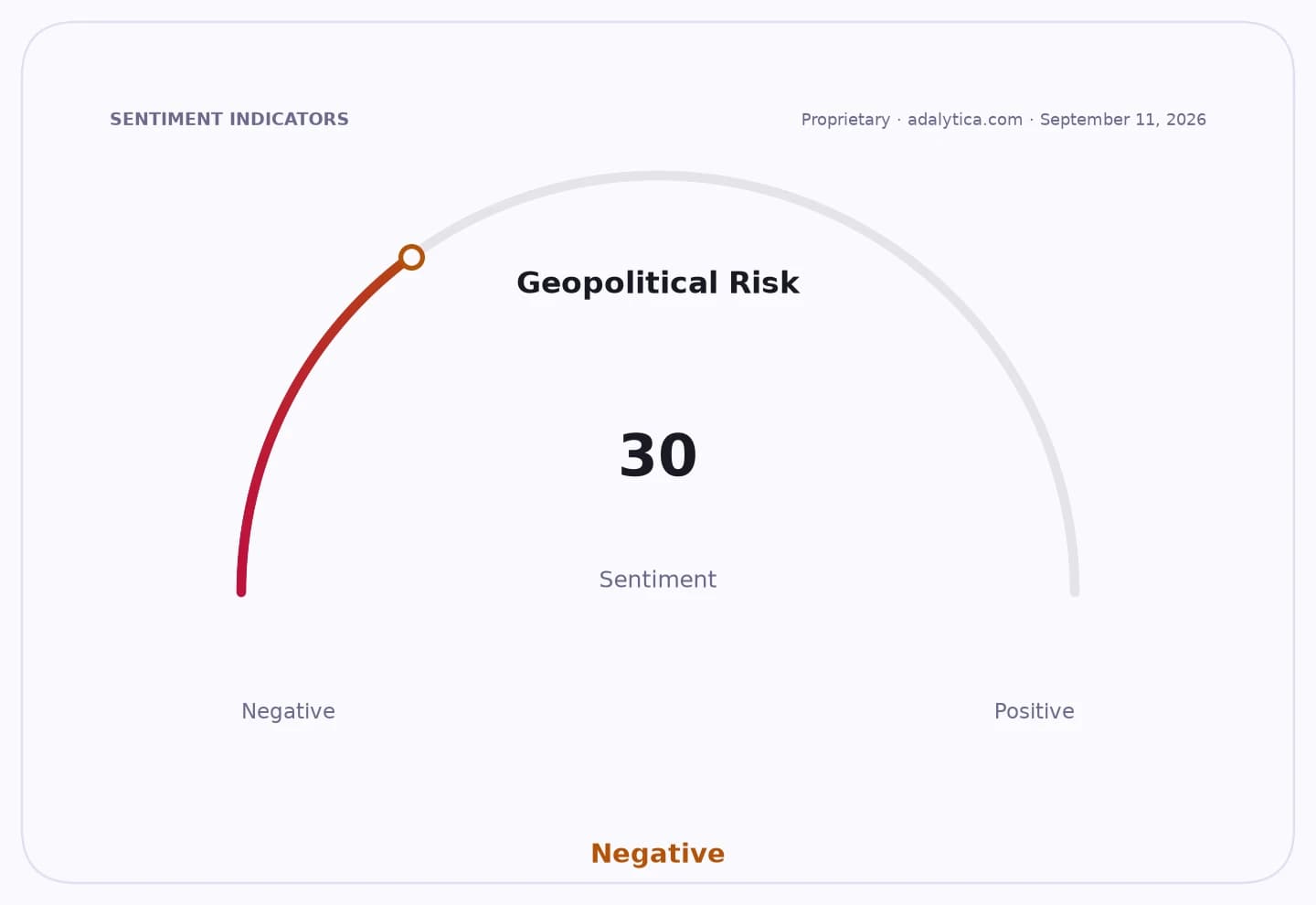
Sentiment IndicatorsⓘProprietary · adalytica.com · September 11, 2026
This is a snapshot — live sentiment, awareness and momentum for 130+ markets update continuously in the dashboard.Open AlphaPulse

The scale of Polish demand is what makes the story matter economically. A country that wants to be both buyer and producer of weapons needs plants, tooling, testing capacity and logistics, which can spill across borders when domestic capacity is not enough. Slovak factories are already benefiting from orders for large-caliber artillery rounds, while Poland is said to be so short of capacity that it is outsourcing parts of production to the region. That creates a broader Central European defense cluster at a time when Europe is trying to rebuild industrial readiness after years of underinvestment.
For investors, the implication is that defense spending in Europe is no longer just a policy headline but a durable revenue theme. U.S. primes such as Lockheed Martin, Northrop Grumman and RTX remain exposed to replenishment demand and allied procurement, but the deeper trade here is in the suppliers that can win manufacturing work, local partnerships and joint production rights. That supports order visibility, but it also raises the bar on execution: companies need capacity, certification and political access, not just technology.

The market backdrop underscores that tension. Shares of Lockheed Martin, Northrop Grumman and RTX have all been volatile in recent months, reflecting both the strength of the defense cycle and periodic profit-taking after sharp gains. By conventional technical measures, Lockheed and Northrop have recently been under pressure, with their shares trading below their 50-day moving averages and weak RSI readings, even as the strategic backdrop remains supportive. RTX has also pulled back from its highs, suggesting investors are still balancing long-duration demand against valuation risk and contract-execution concerns.
Poland’s push also has a geopolitical dimension that helps sustain the spending. Warsaw is not acting like a one-off buyer but as a regional security hub, deepening links with partners from Slovakia and Lithuania to Canada, where it is expanding defense cooperation and Arctic training. That matters for investors because NATO interoperability tends to generate repeat orders, maintenance contracts and cross-border production deals.
The bullish case is that this is the start of a multi-year reindustrialization cycle for European defense, with Poland at the center and Central European suppliers gaining scale. The bear case is that bottlenecks, budget pressures and shifting procurement priorities could slow the conversion of political intent into earnings. For now, the direction of travel is clear: Poland’s rearmament is not only changing military strategy, it is redrawing the map of who gets paid to arm Europe.
| Entity | Gains | Losses |
|---|---|---|
| Polish defense sector | ▲Bigger budgets, local production | ▼Reliance on imports |
| Slovak ammunition makers | ▲Export demand, factory utilization | ▼Capacity constraints |
| U.S. defense primes | ▲NATO orders, allied spending | ▼Valuation volatility |
| Regional importers | ▲Access to new supply chains | ▼Higher procurement competition |